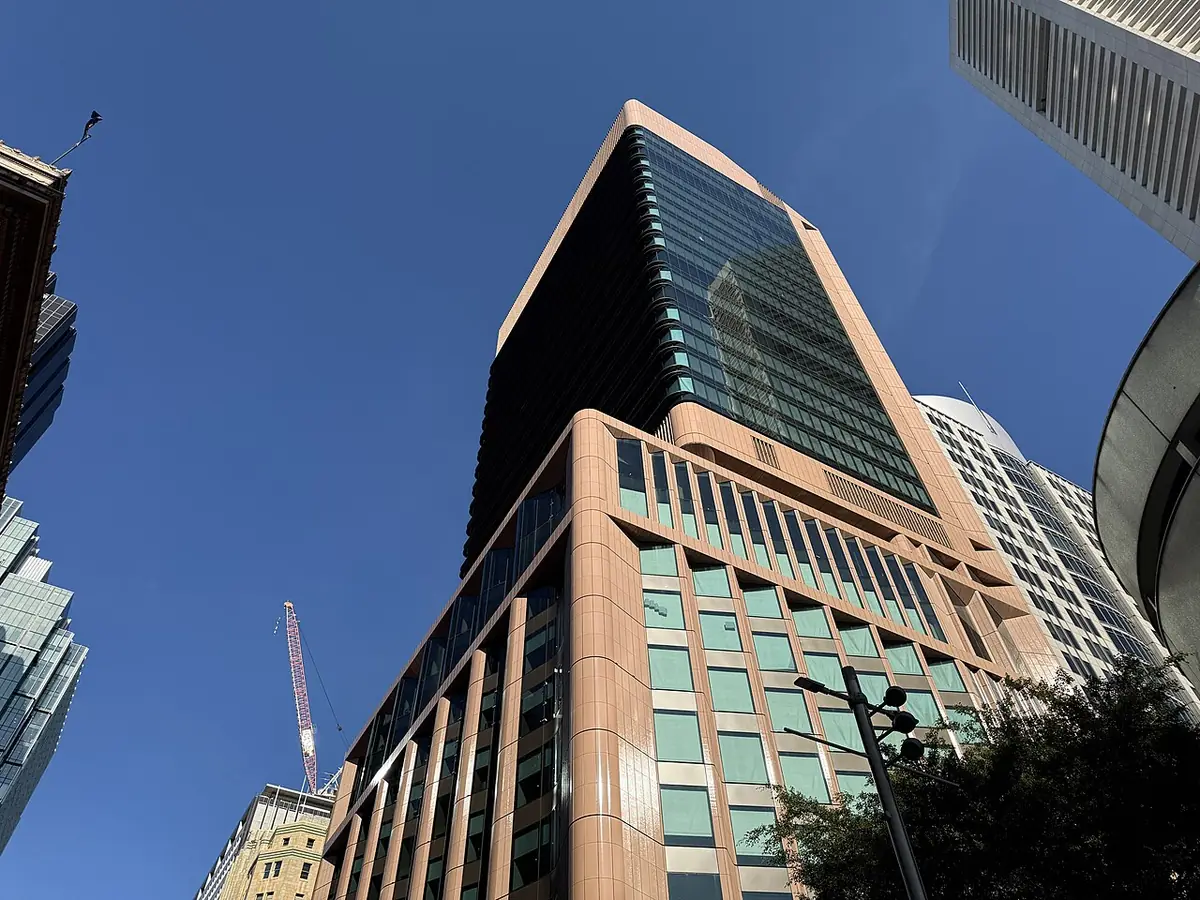
Buying an apartment in Sydney calls for a close understanding of its local markets, its strata rules and its particular legal framework. This guide sets out the essential mechanics for getting your property project right in the Australian metropolis, from choosing a neighbourhood to collecting the keys.
Get the app
What nobody tells you.
Real prices, hidden costs and the traps to check before you commit.
Why usable floor space in Sydney looks nothing like a European estimate
Scroll
Why usable floor space in Sydney looks nothing like a European estimate
Buying an apartment in Sydney calls for a close understanding of its local markets, its strata rules and its particular legal framework. This guide sets out the essential mechanics for getting your property project right in the Australian metropolis, from choosing a neighbourhood to collecting the keys.
Written by the ting.ad editorial team ·
Sale Apartment Sydney in Street View: drag to look around.
Beyond the raw floor area, it is how well the property fits your daily rhythm that decides whether the investment works.
Buying an apartment in Sydney means rethinking the whole idea of living space. The usual European standards give way to an outward-looking reading, where a loggia, a wraparound balcony or a rooftop terrace redefines the market value of each square metre. Understanding that trade-off saves you disappointment when viewing new developments or the older residential blocks of the Inner West. Every square metre is negotiated through the lens of natural light and how close you are to public transport corridors.
Interior space optimised for dense urban livingvsA strong structural reliance on the building's shared spaces
Developers shrink the bedrooms to enlarge the living areas that open onto the outdoors. That layout suits an outdoor lifestyle, but it reduces acoustic privacy within the home itself.
The promise of an open view over parks or the harbourvsDirect exposure to noise from major roads and building sites
Sydney's high-rise development concentrates height along the transport corridors. A panoramic view often comes with a high level of urban noise that calls for upgraded double glazing.
A contemporary layout with clean, minimal finishesvsHigh strata fees tied to the upkeep of shared amenities
A pool, a gym and building staff translate into substantial recurring costs that weigh on the annual budget of an owner-occupier or an investor for years.
Which kind of buyer gets the most out of an apartment in the Australian metropolis?
Martin Place sits at the heart of Sydney's financial district — Photo: Klauskazamias · CC0 · Wikimedia Commons
Moving country means letting go of some legal and practical reference points that are deeply rooted in the habits you bring from back home.
Sydney's property market responds to very localised employment hubs. Choosing a district is not just a matter of falling for how it looks, but of carefully weighing daily commute times and access to healthcare and schools. Each neighbourhood has its own economic and social balance, and that directly affects resale in the medium term.
The inner-city option
You put a drastic cut in travel time ahead of living space. Studios or one-bedroom apartments near Wynyard or Circular Quay let you do everything on foot or by ferry. In return, the price per square metre is at its highest, and the city buzz never lets up, even at weekends.
The middle-ring suburbs option
You look towards well-connected residential areas such as the Inner West suburbs. There you find roomier two-bedroom apartments, often with a lock-up garage, a rare and valuable feature in the metropolis. The trip into the centre gets twenty to thirty minutes longer, but daily life gains in calm and greenery.
The university and tech hubs option
You target areas close to the big campuses or innovation hubs to capture steady demand from young professionals and international students. Tenant turnover is high, which calls for rigorous management, but vacancy rates there have historically been low. Capital growth potential depends closely on upcoming transport infrastructure projects.
What fundamentally changes between buying property back home and buying in Sydney?
Once the rules of the game are understood, choosing the location becomes the key step in the buying process.
The Australian land system rests on common law foundations that can differ markedly from the civil law systems many buyers know from abroad. From the concept of strata title to the way prices are negotiated, the rules demand close attention if you want to avoid misjudgements. A conveyancer or a solicitor takes the place of a traditional notary-drawn deed from the very start of the buying process.
From abroad
Signing a private preliminary sale agreement with standard conditions precedent
Sydney
A direct contractual commitment, often with a short cooling-off period, or a public auction
Your own funds or your bank's pre-approval must be fully secured before you show firm interest in a property.
From abroad
Building works managed through votes at the annual owners' meeting
Sydney
Mandatory special levies decided to fund major unforeseen works on the building
Carefully reviewing the minutes of past meetings is essential to anticipate extraordinary expenses.
From abroad
Near-automatic use of an estate agent paid by the seller
Sydney
The frequent presence of buyer's agents who represent only the buyer's interests in a highly competitive market
Working with an independent professional makes a radical difference to your ability to reach properties before they are listed publicly.
From abroad
Residential leases and occupancy rules tightly regulated by national law
Sydney
A flexible rental market, but one governed by strict state legislation administered at New South Wales level
Advertised gross yields need to be analysed with local land tax and property management fees taken into account.
How do you choose between the different residential areas of the metropolis?
Looking at price trends turns these location choices into concrete budgets.
Sydney's geography is arranged around its vast harbour, creating micro-markets with sharply contrasting atmospheres and values. Between the coastal buzz of the East and the cultural energy of the West, each area shapes a particular way of life. Analysing travel times and the kind of residents each area attracts helps you target the neighbourhood that fits your plans precisely.
Eastern Suburbs
An upmarket beachside atmosphere, set to the rhythm of the coastal walks between Bondi and Coogee, where outdoor activity comes first from the first light of day.
Suits
Lovers of an ocean lifestyle looking for strong long-term asset liquidity.
Trade-off
A price per square metre among the highest in the country, and heavy traffic congestion on summer weekends.
Inner West
A lively village feel, with tree-lined streets, independent cafés and a strong concentration of creatives and young professionals.
Suits
People who value genuine neighbourhood life, a social mix and an alternative cultural scene.
Trade-off
Mostly older housing stock that sometimes needs work to bring its energy efficiency and sound insulation up to standard.
Lower North Shore
A calm, green and immaculately kept residential setting, with spectacular views of the business district skyline.
Suits
Families who prize peace and quiet, safety and proximity to well-regarded schools.
Trade-off
A property market that has traditionally seen low transaction volumes, with very firm entry prices.
What does the budget for buying property in Sydney really look like?
Beyond the price tag, the legal structure of ownership determines exactly what you actually own.
Sydney's property market is sharply segmented by the age of the building and its exact location relative to stations and beaches. The aggregated data show significant gaps between compact studios in the centre and large family apartments in the eastern and northern suburbs. These benchmark figures give you a working basis for calibrating your financing plan with local lenders.
SydneyFor saleApartmentestimate
Median price / m²A$12,540Half the apartments sell below this
Median priceA$1.25mthe average is 14% higher — a few very large properties pull it up
Most common2 bedrooms38 % of listings
Average size95 m²
By number of bedrooms
Bedrooms
Share of market
Avg price
Price / m²
Avg size
1
24 %
A$741k
A$14,256 +8 %
52 m²
2most common
38 %
A$1.06m
A$13,200
80 m²
3
26 %
A$1.4m
A$12,540 −5 %
112 m²
4
12 %
A$1.94m
A$12,144best value / m²
160 m²
Each row is an average, compared against the area average of A$13,200 / m². These are indicative estimates of a typical local market, not a measured sample of live listings. Check current listings before relying on them.
Outright ownership or a right to occupy: what do you really own in an apartment building?
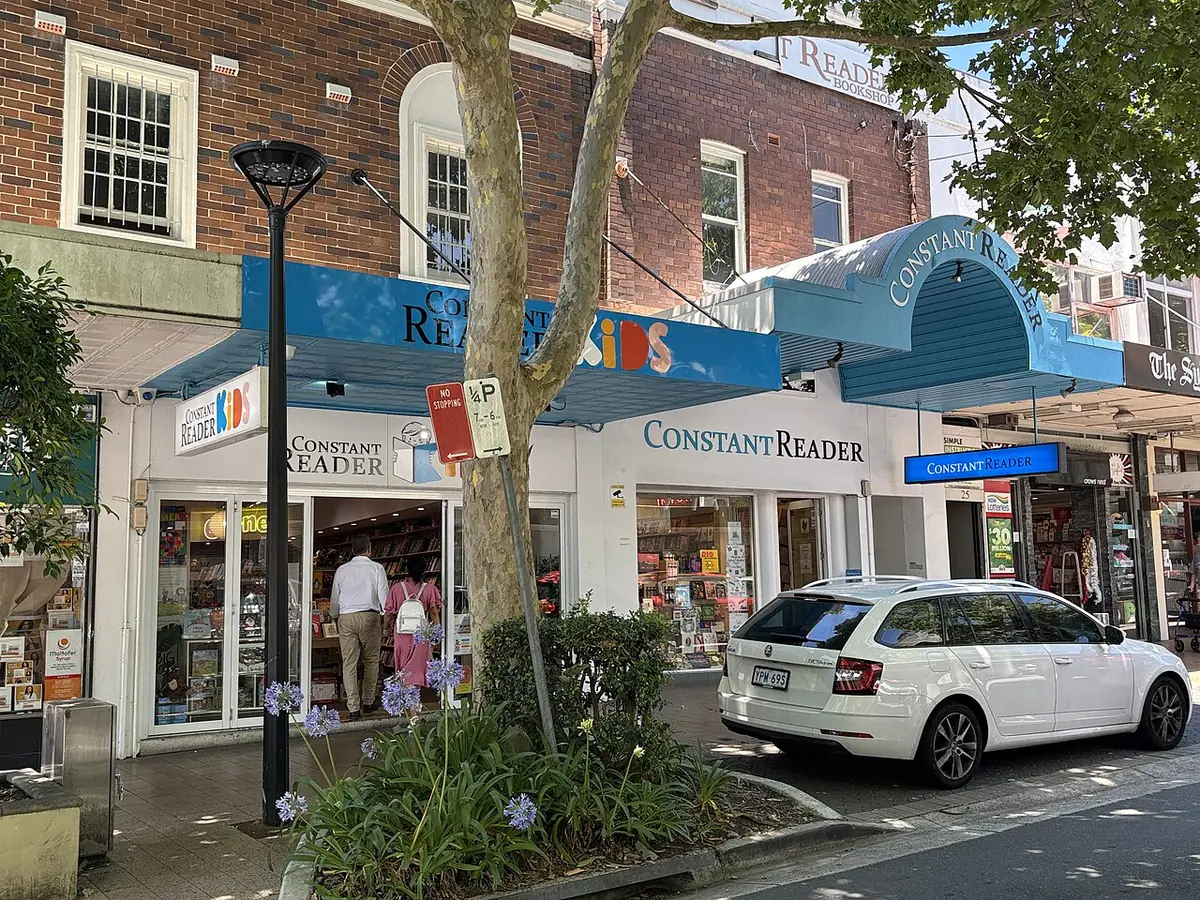
Independent shops like this line many of Sydney's lively local streets — Photo: Nick-D · CC BY-SA 4.0 · Wikimedia Commons
Making the transaction legally secure means following the local procedural steps to the letter.
The legal form of property ownership in Australia defines exactly what your rights and obligations are within a building. Far from a simplistic view of bricks and mortar, buying an apartment involves a close interplay between private lots and collective management. Grasping this distinction protects investors from unwelcome regulatory and financial surprises.
Strata Title (standard shared ownership)
You own the interior space of your apartment along with an undivided share of the common property, which is administered by the Owners Corporation. This legal framework is the most common one for modern and fairly recent apartment buildings in the metropolis.
What it changesYou have to abide by the by-laws, which govern short-term letting, keeping pets and changes to the building's exterior appearance.
Company Title (older company structure)
The whole building belongs to a company in which you hold shares that give you the right to occupy a specific unit. This historic structure is found mainly in Art Deco buildings in the upmarket eastern suburbs.
What it changesThe company board's approval is required for any sale or letting, which limits the property's liquidity but keeps the mix of residents consistent.
Which pitfalls should you avoid before committing to the final purchase?
Once these steps are cleared, the practical side of the transaction follows a well-established timetable.
The property buying process in New South Wales has strict milestones where your legal commitment becomes irrevocable very quickly. Getting ahead of the technical and administrative checks helps you avoid getting bogged down or losing your holding deposit. Every disclosure document provided by the seller deserves a careful read.
The decision to make a formal offer or to register for a public auction.
Consult an independent conveyancer to review the Contract for Sale before signing anything.
Order a strata report to identify building defects or disputes under way within the strata scheme.
Check the history of special levies and the balance of the building's capital works fund.
Obtain final (unconditional) loan approval from an authorised lender.
Signing the final documents and transferring the funds through your legal representatives on settlement day.
How does the transaction timeline actually unfold, from offer to moving in?
Property investment in Sydney therefore turns out to be a defining project that demands method, rigour and forward planning.
A successful property transaction in Sydney depends on tight coordination between the various professionals involved. From your first contact with the selling agent to handing over the keys on settlement day, each party plays a specific role set out by state law. Knowing this timetable lets you approach each stage of settling in with confidence.
The buyerSearch and financial pre-qualificationSetting a precise budget, getting pre-approval from a bank and shortlisting properties that match your location criteria.
The conveyancerLegal and contract reviewA thorough review of the sale contract, checks on easements, title and the strata scheme's meeting minutes.
The estate agentNegotiation and exchange of contractsFormalising the offer, signing the contract documents and paying the deposit (usually 10%).
The building inspectorBuilding inspectionA full report on the structural condition of the property, any damp or termites, and whether the fittings are compliant.
The bankLifting the conditionsIssuing unconditional approval and preparing the funds needed for completion day.
The lawyersSettlement and handover of keysFinal transfer of funds, official registration of the change of ownership with the Land Registry and taking possession of the property.
Apartment or house in Sydney: how to choose according to your lifestyle?
Once you have settled on a type of property, it is time to look closely at the real figures behind the budget you will need to make your Sydney plans happen.
Choosing between an apartment in the heart of Sydney and a house on the outskirts or in the residential suburbs comes down, above all, to how you relate to time and daily travel. Urban apartments hold a great deal of value in central areas such as the CBD, Pyrmont or Chatswood, giving immediate access to train and ferry lines without the burden of outdoor maintenance. This option suits working people who have no wish to spend their weekends mowing the lawn or fixing gutters, and who would rather hand those jobs to a strata manager while accepting regular, sometimes high, strata fees.
A house, by contrast, embodies the traditional Australian way of life, with private space, a garden and more architectural freedom, but it means much longer commutes if it sits in the outer suburbs of the Hills District or the Sutherland Shire. Prices climb to very high levels as soon as you get closer to the coast or to fast rail lines, which often forces buyers into a drastic compromise between living space and location. Owning a house also means planning for regular maintenance costs that no strata scheme will share out on your behalf.
The structure of Sydney's property market shows apartments heavily over-represented in high-density areas and houses with land becoming steadily scarcer within ten kilometres of the centre. That structural scarcity supports house values over the long term, but it also exposes owners to the risk of local overheating if interest rates move quickly. For a first-home buyer, an apartment is often the most realistic way into a lively neighbourhood without taking on an unreasonable level of debt.
You also need to factor resale and the property's liquidity into your medium-term strategy. Apartments in very large strata complexes sometimes face fierce competition when new developments are being completed, which can slow a quick resale if the market turns. Houses on their own land, even those needing major renovation, generally keep a more stable depth of market and attract a constantly renewed pool of family buyers in Sydney.
What budget do you really need to buy and live in Sydney?
Sydney's harbour setting makes waterside living part of daily life — Photo: Dicklyon · CC BY-SA 4.0 · Wikimedia Commons
To see how these costs fit into your week, let us follow an ordinary Tuesday in the city.
Buying an apartment in Sydney is not just about the price on the listing: you need to account for all the extra costs from day one. Transfer duty, known as stamp duty in New South Wales, makes up a significant share of the upfront funds every transaction requires. On top of that come inspection fees, local conveyancing fees and the initial contributions to the strata scheme's reserve fund. Leaving these items out when working out your overall budget would lead you to badly underestimate how much you need to borrow from Australian banks.
Ballpark purchase and everyday living costs for an apartment in Sydney
Cost item
Estimated range in AUD
Context
Two-bedroom apartment (Inner West / Lower North Shore)
AUD 900,000 to AUD 1,400,000
Varies with proximity to stations and the age of the building.
Transfer duty (Stamp Duty NSW)
AUD 35,000 to AUD 65,000
Calculated on a sliding scale according to the exact value of the property purchased.
Quarterly strata fees
AUD 1,200 to AUD 3,000 per quarter
Higher in towers with swimming pools, gyms and lifts.
Home and contents insurance with public liability
AUD 1,200 to AUD 2,500 per year
Depends on floor area, location and the excess you choose.
These amounts reflect averages observed across the Sydney metropolitan market and should be adjusted for your personal tax situation.
Estimated monthly budget for a two-person owner-occupier household
Cost category
Average monthly amount
What is included
Council rates and municipal charges
AUD 250 to AUD 450
Waste collection, local road maintenance and council services.
Electricity, gas and water
AUD 200 to AUD 400
Standard consumption for a medium-sized household in an urban area.
Public transport (Opal card / travel passes)
AUD 300 to AUD 500
Daily trips by train, bus or ferry to the business district.
These estimates do not include mortgage repayments, which depend on your deposit and your interest rate.
What does an ordinary Tuesday actually look like when you live in Sydney?
Beyond this daily schedule, property listings leave out crucial details that only long-standing residents know.
Living in Sydney means organising your time around heavy traffic flows and a highly structured multimodal transport network. From managing the morning commute to picking up groceries at neighbourhood markets at the end of the day, each part of the day reveals how smoothly your location works or where the friction lies. An apartment well served by the rail network or ferries radically reduces the chronic fatigue of traffic jams on the Pacific Highway or the Harbour Bridge. Let us walk through a typical day to gauge the real impact of your future home on your quality of life.
07:30Local station or main bus stopTapping on to the Opal network, with an average wait of under five minutes on the main lines.
08:30Arriving at work in the Sydney CBDA smooth journey if the apartment sits along a major rail corridor such as the T1 North Shore or T4 Eastern Suburbs line.
12:30Lunch break in the business district or your home neighbourhoodLocal cafés and quick food options suited to the intense working pace of local businesses.
17:30Heading home and stopping at the shopsLast-minute shopping at neighbourhood supermarkets or fresh produce markets that stay open into the early evening.
19:00Relaxing locally or exercising outdoorsUrban parks, coastal walking trails or nearby sports facilities within walking distance of the building.
What the glossy photos from Sydney estate agents never show you
These blind spots often lead to bitter regrets that many buyers share once they have been settled for a few months.
The sales brochures and 3D virtual tours from Sydney agencies play up the light, the modern finishes and the open views, but they leave in the shade structural aspects that will decide your future comfort. Traffic noise, how the apartment is oriented to the southern sun and the true state of the strata scheme's finances are among the truths you will never see in a catalogue. Discovering them after signing the final contract can turn a heartfelt investment into a permanent source of frustration and unexpected costs.
The apartment's thermal orientation and sun exposure
An apartment facing due west without proper sun protection becomes an unbearable oven during the summer months from December to February, pushing up the air-conditioning bill enormously. Conversely, a strictly south-facing aspect in the southern hemisphere deprives the home of direct sun all winter, encouraging damp and mould.
The financial health of the strata scheme's sinking fund (strata report)
Carefully reviewing the strata report before buying lets you spot large unpaid levies, lawsuits under way against the developer over defects, or a complete lack of provision for major future works such as facade restoration or lift replacement.
Night-time noise and local through traffic
Some secondary roads turn into busy rat runs for heavy trucks and delivery services from first light, making sleeping with the windows open a pipe dream unless the double glazing is of top quality.
Urban development projects and future densification on the street
Buying an apartment with a magnificent view over a vacant lot or a low warehouse carries a high risk of a dense residential tower going up within three years, instantly wiping out your sunlight and your property's value.
The regrets people discover six months after buying their apartment in Sydney
Given these demands and the risk of getting it wrong, it matters just as much to ask whether buying in Sydney really makes sense for you.
Looked likeA calm, residential and perfectly peaceful neighbourhood during the Saturday afternoon viewing.
Turned outA road clogged by never-ending council roadworks and a constant stream of construction trucks from six in the morning on weekdays.
Would have caught itVisit the property at different key times, especially on a Tuesday morning at rush hour and on a Friday evening at the end of the day.
Looked likeA modern building with moderate strata fees that looked attractive for the area.
Turned outAn underestimated budget that required a massive special levy to repair major waterproofing defects on the balconies.
Would have caught itAlways have the strata and building inspection report reviewed by an independent professional before exchanging contracts.
Looked likeQuick access to the main roads for easy trips to the eastern or northern beaches.
Turned outA permanent traffic bottleneck at key intersections, turning a theoretical ten-minute trip into a daily forty-five-minute ordeal.
Would have caught itActually test the journey time at real peak hours between the property you want and your usual places of work.
Looked likeAn optimised interior with a modern layout and enough storage space.
Turned outA severe shortage of built-in wardrobes and no practical way to set up a proper home office for two people in the long run.
Would have caught itCheck whether there is a private basement storage cage and measure each room precisely with your furniture in mind.
Who should definitely hold off on buying an apartment in Sydney right now?
It is time to set out the final terms of your decision, so you know whether to sign or walk away.
Sydney's property market demands a level of financial and geographical stability that not everyone has at the same point in their life. Committing to a purchase out of fear of renting forever can lead to serious financial dead ends if your personal or work circumstances change suddenly. Recognising whether you fit one of these risk profiles will stop you from making a heavy commitment in such a competitive market.
Expats or professionals whose presence in Australia is uncertain over a three-year horizon
→Buying an apartment quickly to avoid paying rent that feels too high at the moment.
The upfront transaction costs (transfer duty, selling commissions on exit) swallow all of the potential capital gain and produce a net loss if the property is sold too soon.
Households with a deposit that is only just enough and no safety savings left over
→Committing all of their available cash to close the financing on the purchase.
The slightest change in the central bank's cash rate, or an unexpected strata expense, immediately pushes them to the edge of financial suffocation.
People seeking a high, immediate and speculative rental return
→Buying an apartment in a large recent complex with no distinctive architectural character.
Net yields are heavily eroded by high local strata fees and competition from new developments being completed continuously in the same areas.
So, are you really ready to go ahead with buying property in Sydney?
Deciding to buy an apartment in Sydney is not a matter of some magic formula but of a clear-eyed match between your time horizon, your real financial capacity and your tolerance for the constraints of city life here. If you plan to put down roots in this metropolis for the next five to ten years, have budgeted for all the extra costs without emptying your emergency savings and have checked what your commute will really be, then buying is a solid way to secure your home against the volatility of the rental market.
If, on the other hand, your plan rests on hopes of a quick capital gain or on a budget that would buckle at the slightest jolt in interest rates, the wise move is to put off your commitment. Sydney's property market rewards patience, rigour in analysing the legal documents and clear life goals, while severely penalising haste and financial improvisation. Take the time to visit several neighbourhoods, talk to established residents and pick apart the strata reports before signing any binding document.
Related questions
What conveyancing fees and taxes should I budget for when buying property in Sydney?
In New South Wales, the main purchase costs are transfer duty (stamp duty), which is calculated on a sliding scale according to the price of the property, plus conveyancing fees for checking the title. As a rule, allow between 4% and 6% of the total purchase price to cover all of these mandatory administrative and legal costs.
How long does it take to complete the purchase of an apartment in Sydney?
The standard process, from the offer being accepted to final completion (settlement), usually takes between four and six weeks in Australia. That window gives lenders time to finalise the mortgage approval and lets solicitors or conveyancers carry out all the required title and council searches.
Can a non-resident foreigner buy property in Sydney?
Yes, but non-resident foreign buyers must obtain prior approval from the Foreign Investment Review Board (FIRB) before signing any purchase contract. On top of that, specific transfer duty surcharges apply to non-resident buyers in the state of New South Wales.
What are strata fees in Sydney?
Strata fees are the contributions each owner pays every quarter to cover the upkeep of the common areas, the building insurance and the reserve fund for major future works. The amount varies widely depending on whether the building has high-end amenities such as lifts, swimming pools or gyms.
Which Sydney neighbourhoods offer the best balance between price and accessibility?
The Inner West (Marrickville or Ashfield, for example) and parts of the Lower North Shore or the rail line towards Parramatta have historically offered a good balance between fast public transport to the CBD and prices per square metre that are more moderate than in the very centre or by the water.
How can I check the financial health of a strata scheme before buying?
It is essential to order a strata report prepared by an independent specialist. The report sets out the exact reserve funds available, the history of recently voted special levies and any disputes that may be under way.
How do interest rates affect the Sydney property market?
The Reserve Bank of Australia's cash rate directly determines how much households can borrow and has a strong influence on whether prices rise or fall. A rate rise automatically reduces buyers' purchasing power and can temporarily slow the number of transactions.
Should I choose an older apartment or an off-the-plan new build in Sydney?
Older red-brick apartments generally offer more generous interior dimensions and sturdier construction, but they may need work to bring them up to current standards. New developments appeal with their modern fittings, but they sometimes carry a risk of building defects and an oversupply of stock in certain areas.
How do property auctions work in New South Wales?
A large share of desirable properties in Sydney are sold at public auction on Saturday mornings. Prospective buyers must register beforehand, have formal loan approval in place and pay a 10% deposit straight away if they win, as the sale is binding and final the moment the hammer falls.
What are the key things to inspect when viewing an apartment?
Pay particular attention to which way the apartment faces in the southern hemisphere, any signs of damp or mould on the walls, sound insulation from the neighbours and the street, and the layout and cleanliness of the building's common areas.
Property review of ting
No ting properties in Sydney yet
Be the first — share it on ting and it shows up right here.