Buying residential property in Sydney calls for a careful reading of how the city is changing, of the local legal particulars and of your own long-term life plans. This practical guide takes you step by step through the market of Australia's largest city, so you can make sense of it and secure your purchase.
Get the app
What nobody tells you.
Real prices, hidden costs and the traps to check before you commit.
Why buying an apartment in Sydney means looking beyond the iconic harbour views
Scroll
Why buying an apartment in Sydney means looking beyond the iconic harbour views
Buying residential property in Sydney calls for a careful reading of how the city is changing, of the local legal particulars and of your own long-term life plans. This practical guide takes you step by step through the market of Australia's largest city, so you can make sense of it and secure your purchase.
Written by the ting.ad editorial team ·
Sydney in Street View: drag to look around.
That basic tension between geographic appeal and structural constraints plays out differently depending on your profile and your stage of life.
Buying a home in Australia's largest city is about more than treating yourself to a waterfront postcard. Between the promise of an exceptional coastal lifestyle and the reality of one of the tightest property markets in the world, buyers have to weigh some complicated variables. The obvious beauty of the cityscape hides price dynamics and infrastructure constraints that redefine what a long-term purchase is really worth. Understanding that paradox is what spares you disappointment after signing.
The pull of living right by the water and the famous eastern beaches.vsChoking morning traffic and a long distance from the big employment hubs in the west or the north.
Buyers who focus only on the coast underestimate the time and mental cost of the daily commute to the business districts. Living near the sea in Sydney often means giving up precious square metres in favour of a location chosen purely for leisure.
The perceived safety and long track record of Sydney property as an easy asset to sell.vsThe huge savings effort needed to buy into properties without major structural defects.
Structural demand remains supported by strong population growth, but the high financial barrier to entry squeezes immediate rental yields. You have to choose between building lasting wealth and maximising your disposable income in the short term.
The appeal of modern new developments with built-in shared facilities.vsThe risks of construction defects and heavy strata fees further down the line.
The residential construction sector has been through regulatory turbulence that needs to be looked at building by building. A new block with no maintenance history can bring major financial surprises at its first general meetings.
Looking for maximum flexibility through compact, well-optimised floor plans.vsThose spaces filling up quickly as soon as the household changes or remote working becomes the norm.
One and two bedroom apartments in dense, well-served areas resell very easily but leave little room to grow. Thinking ahead to where your life will be in five or ten years is essential if you want to avoid paying transfer costs over and over.
What kind of buyer are you, facing the demands of Sydney's residential market?
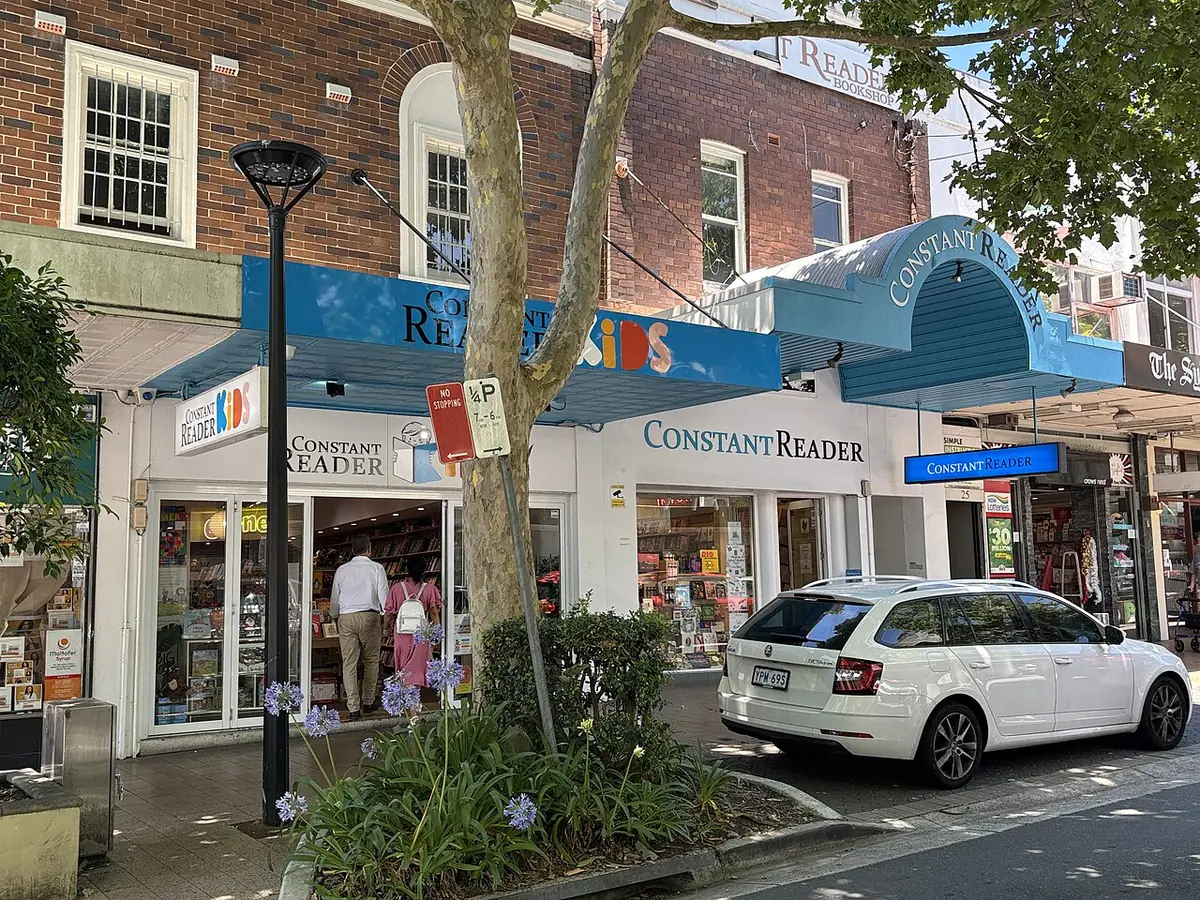
Independent shops like this line many of Sydney's lively local streets — Photo: Nick-D · CC BY-SA 4.0 · Wikimedia Commons
Beyond your personal profile, settling in Sydney when you come from a different property system overturns many administrative and cultural reference points.
Whether an apartment in Sydney suits your lifestyle depends less on falling for its looks than on how you relate to time, transport and urban density. Each part of the city sets its own pace, its own parking constraints and its own chances to build a social life. Looking honestly at your real daily routine helps you pick the area and the type of home that will not turn every day into an obstacle course.
Central urban professional
You prefer to walk or use active transport to get to the office, and you enjoy the city's cultural life without needing a car. Studios and one bedroom apartments in central or neighbouring areas such as Surry Hills or Pyrmont give you that immediacy. In return, you accept smaller living spaces and no private outdoor space to speak of.
The financial compromise is a very high cost per square metre for homes whose value lies in their location rather than their size. It is a lifestyle turned outwards, where the apartment serves as a functional base plugged into the economic heartbeat of New South Wales.
Household seeking balance
Your top priority is residential areas with a strong community fabric, well-kept parks and well-regarded schools, whether public or private. Areas such as the Lower North Shore or some well-connected parts of the Inner West meet those criteria, with three bedroom family apartments or townhouses within larger developments.
This choice means accepting a clearly higher purchase budget, or moving back from the waterfront to gain a few dozen much-needed square metres. Daily life revolves around school runs and after-school activities, which calls for a careful look at the train and ferry lines available.
Resident seeking peace of mind
You want a calm setting close to health services, local markets and coastal walks, while handing the exterior upkeep over to a well-run strata scheme. The coastal suburbs of the east or the Lower North Shore offer that step-free comfort, often in secure buildings with a lift and underground parking.
The challenge lies in keeping strata levies under control, as they can be substantial in buildings with facilities such as a pool or a concierge. The financial health of the building's reserve fund then becomes the number one factor in your decision to buy.
What changes radically in your approach to property when you arrive from abroad
Once you have taken those rules of the game on board, choosing the area becomes the step that shapes your whole move.
The Australian property transaction system, rooted in common law and the Torrens title registration system, differs deeply from the notary-led practices many buyers know from home. Discovering how it works after years of other reference points can lead to misunderstandings at the critical moments of an auction or the exchange of contracts. Anticipating these cultural and legal differences protects your position from the very first offer you send to the agent.
From abroad
A notary at the centre of everything, drafting and certifying all the sale documents.
Sydney
Specialist lawyers (solicitors or conveyancers) appointed separately by the buyer and the seller.
The process is more contractual and direct. It demands a fast response to have the contract for sale checked before you commit any money or take part in an auction.
From abroad
Extensive legal protection at the preliminary contract stage, with standard withdrawal periods.
Sydney
The public auction system, with no possibility of withdrawal once the hammer has fallen.
Buying at auction in Sydney means your commitment is final and unconditional on the day. You need to have completed your inspections and obtained formal loan approval beforehand.
From abroad
Comprehensive, regulated technical surveys attached to the sale file as a matter of course.
Sydney
Greater responsibility on the buyer to commission their own inspections (building and pest reports).
The principle of 'caveat emptor' (let the buyer beware) largely prevails. It is up to you to order the reports that will uncover damp, termites or structural defects before exchange.
From abroad
Local taxation and transfer taxes calculated on stable national scales.
Sydney
Transfer duty (stamp duty) calculated by the State of New South Wales, with specific surcharges for non-residents.
This tax is a large upfront payment that cannot be rolled into the main bank loan, which changes the make-up of your own deposit.
From abroad
Regulated service charges and general meetings with complicated majority rules.
Sydney
A strata title system that is highly structured by strict by-laws.
Decisions about pets, interior renovations or Airbnb-style letting are governed by internal votes that you need to check before buying.
A map of Sydney's main residential areas and what daily life is like in each
That territorial diversity is reflected directly in how prices are structured and in the types of property on the market.
Sydney's geography is organised into distinct areas separated by stretches of water, national parks and major motorways. Each region has its own identity, accessibility and demographic profile. Choosing a neighbourhood means weighing up urban centrality, closeness to the beaches and the residential calm your household is looking for.
Inner West (Marrickville, Newtown, Leichhardt)
A creative, multicultural and lively atmosphere, set to the rhythm of independent cafés, craft breweries and local markets.
Suits
Young professionals, creatives and families wanting a lively neighbourhood life within reasonable reach of the CBD by train or light rail.
Trade-off
Housing stock made up largely of older buildings or small strata schemes that need regular renovation budgets.
Lower North Shore (Cremorne, Mosman, Neutral Bay)
Tree-lined streets overlooking the water, preserved residential calm and a keen sense of prestige and an orderly way of life.
Suits
Senior executives and established families looking for safety, well-regarded schools and the water right on their doorstep.
Trade-off
Some of the highest prices per square metre in the city and fierce competition for good family homes.
Eastern Suburbs (Bondi, Randwick, Coogee)
A lifestyle turned towards the ocean, surfing and coastal walks, with a summery energy all year round.
Suits
People who put being right by the beach and a seaside way of life at the top of their list when choosing where to live.
Trade-off
Chronic parking shortages, congested roads at rush hour and a market driven heavily by speculation.
Parramatta and the western hubs
Intense economic energy, a rich cultural mix and fast-growing high-rise development around major transport hubs.
Suits
Buyers who want the most living space for their budget and are betting on the growth of regional infrastructure.
Trade-off
Summer temperatures noticeably higher than on the coast and a long way from the famous eastern beaches.
Budget benchmarks and the real price ranges in Sydney's property market
Beyond the price tag, the legal nature of what you actually own deserves very close attention.
Working out a purchase budget in Sydney means separating the headline price of the property from the regulatory costs of buying and the recurring strata fees. The price gaps between a compact apartment in the Inner West and a family home with sea views on the North Shore reflect how scarce land is in each micro-market. The figures below give the orders of magnitude observed, so you can build your financing plan without guesswork.
SydneyFor saleApartmentestimate
Median price / m²A$12,540Half the apartments sell below this
Median priceA$1.25mthe average is 14% higher — a few very large properties pull it up
Most common2 bedrooms38 % of listings
Average size95 m²
By number of bedrooms
Bedrooms
Share of market
Avg price
Price / m²
Avg size
1
24 %
A$741k
A$14,256 +8 %
52 m²
2most common
38 %
A$1.06m
A$13,200
80 m²
3
26 %
A$1.4m
A$12,540 −5 %
112 m²
4
12 %
A$1.94m
A$12,144best value / m²
160 m²
Each row is an average, compared against the area average of A$13,200 / m². These are indicative estimates of a typical local market, not a measured sample of live listings. Check current listings before relying on them.
What you legally own: understanding the limits of shared ownership in Sydney
Sydney's harbour setting makes waterside living part of daily life — Photo: Dicklyon · CC BY-SA 4.0 · Wikimedia Commons
That legal rigour carries through into the timeline of the transaction, where every step commits you financially for good.
The legal structure of shared ownership in Australia determines your rights of use, what renovations you can carry out and how freely you can let the property. Two main systems exist side by side in Sydney, with very different contractual and financial implications that you should identify before signing any purchase agreement.
The 'Strata Title' system
This is the most common form of shared ownership in Australia. You own your private space (the lot) and a proportional share of the common property and the underlying land, recorded in the State's land register. An Owners Corporation manages the building through an elected committee and collects quarterly levies, split between the administrative fund for day-to-day costs and the capital works fund for major future works.
What it changesThis framework gives you maximum legal security and makes a standard bank loan easier to obtain, while binding you to strict compliance with the building's by-laws.
The 'Company Title' system
Older, and found mainly in converted Art Deco or Victorian buildings around the city, this system gives you ownership of shares in a private company that owns the whole building, carrying the right to occupy a specific apartment. The company has full control over accepting any new buyer and often imposes severe restrictions on holiday letting or subletting.
What it changesAlthough these properties sometimes offer unmatched architectural charm and slightly discounted prices, reselling them can be harder because of the strict approval criteria set by the company's directors.
The critical sequence of checks before you commit to buying a property
Once that due diligence stage is signed off, the operational timeline of the transaction speeds up along a well-worn process.
Buying property in Sydney leaves no room for amateurism at the investigation stage. From reviewing the strata inspection records to carrying out technical audits, every document acts as a safeguard against hidden defects. The sequence below sets out the proven method for confirming your purchase is sound before any money changes hands.
Identifying the target property and a first review of the marketing documents supplied by the real estate agent.
Hire an independent inspector to produce a full report on the structural condition and any sign of pests (Building and Pest Report).
Have the minutes of the strata general meetings for the last two to three years analysed, to spot ongoing disputes or approved works that have not been paid for.
Have your solicitor or conveyancer review the Contract for Sale to track down restrictive clauses or particular easements.
Obtain formal loan approval (Unconditional Approval) if you are buying by private treaty, or have full financing secured if you are buying at auction.
Exchange of signed contracts and payment of the deposit held in trust (generally 10% of the purchase price), sealing the transaction for good.
How a successful property transaction unfolds, from offer to handover of the keys
The timeline of a property purchase in Sydney follows precise milestones set by New South Wales law. Whether it is a negotiated sale (Private Treaty) or a public auction, coordination between your bank, your lawyer and the selling agent has to be spot on to meet the legal deadlines for settlement and final paperwork.
The buyer and their adviserFinancial preparation and pre-approvalSetting the maximum budget including transfer duty, and obtaining conditional pre-approval from an accredited lender.
The technical inspectorInspections and document checksCarrying out the building inspections, analysing the strata accounts and having your solicitor clear the legal clauses of the contract for sale.
The buyer and the sellerNegotiation or bidding at auctionSubmitting a formal written offer for a private treaty sale, or bidding in person on the day of the public auction (auction day).
The respective solicitorsExchange of ContractsBoth parties sign their copies of the contract, the 10% deposit is paid into a trust account and the settlement period begins.
The bank and the legal advisersSettlement PeriodA standard 6-week period that lets the bank release the funds, the government assess the transfer duty and the lawyers prepare the transfer of title.
All partiesSettlement Day and handover of the keysFinal payment of the balance of the price, electronic registration of the transfer of ownership with the State land registry and collection of the keys from the agency.
Apartment or house in Sydney: deciding by the way you live
Once that basic choice is made, it becomes essential to look at the financial reality of your plans in this city.
In Sydney, the question of buying often starts with a hard dilemma between a detached house in the outer suburbs and a well-placed apartment in the heart of the city or along the coast. The outer suburbs offer more generous living space and a patch of land that families with children often want, but they demand considerable daily travel times. An apartment in the city, by contrast, sharply reduces the logistical burden and puts you closer to the jobs, at the cost of less space and sometimes heavy strata fees.
The market for detached houses in Sydney is defined by a structural shortage of land that pushes prices to dizzying heights, particularly in the Inner West and on the Northern Beaches. Buying a house means not only a huge upfront investment but also a significant weekly maintenance load that weighs on your budget and your free time. Even so, long-term capital growth on land has historically been higher than on strata properties, offering solid financial security for buyers with the means to afford it.
On the other hand, the apartment sector in Sydney has become remarkably liveable thanks to new developments with built-in facilities such as pools, gyms and shared coworking spaces. This option is ideal for young professionals, couples without children or investors looking for an immediate and predictable rental yield. Strata schemes, governed by strict rules, guarantee regular upkeep of the common areas, but you need to examine the strata accounts closely before signing anything to avoid nasty surprises.
The final choice depends less on the prestige of the address than on how much commuting you can tolerate and how willing you are to hand over outdoor maintenance. If you value urban spontaneity and having public transport right on your doorstep, an apartment is the obvious practical choice. If you cannot imagine daily life without private outdoor space and complete independence over your home, you will have to accept either widening your search area considerably or raising your budget.
What real budget should you plan for to settle in Sydney for the long term?
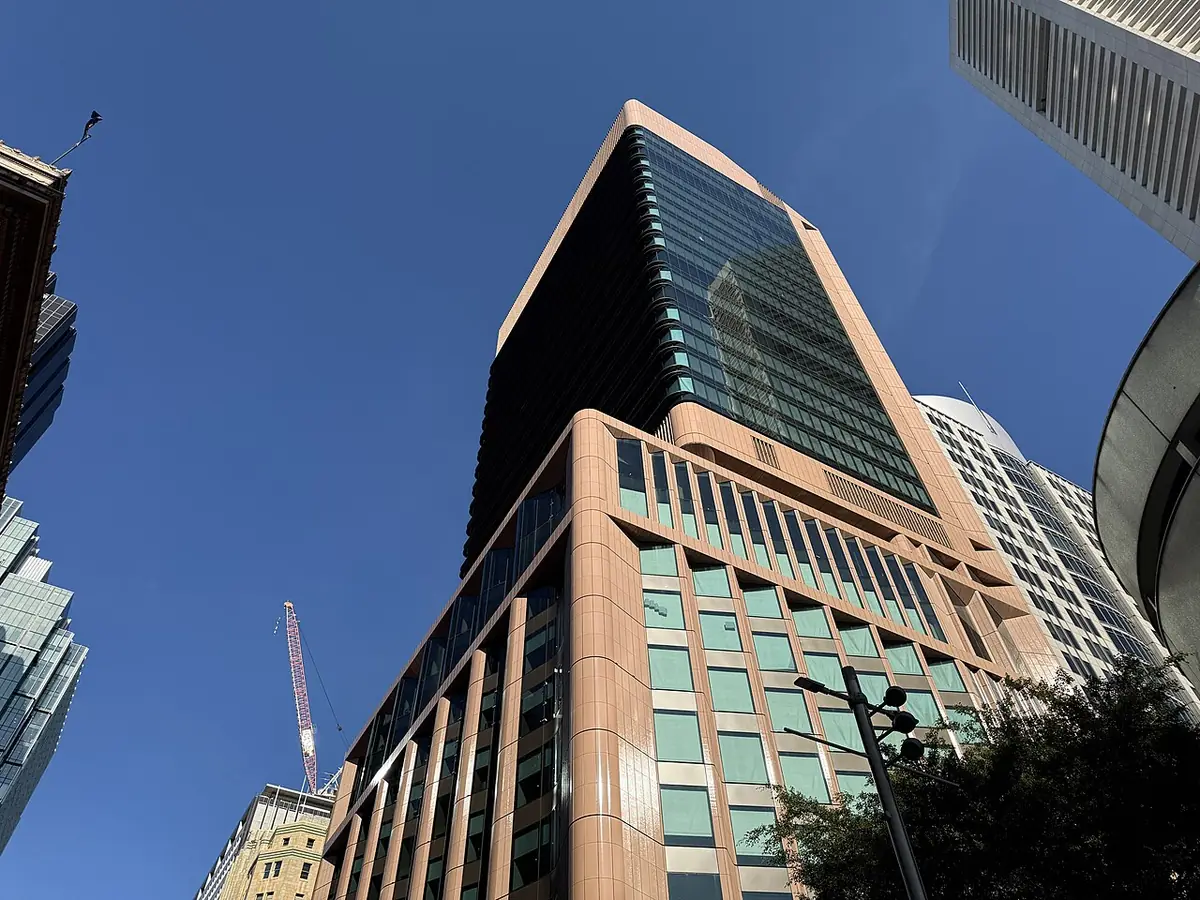
Martin Place sits at the heart of Sydney's financial district — Photo: Klauskazamias · CC0 · Wikimedia Commons
Understanding the figures is one thing, but picturing how a typical day actually unfolds shows whether settling here makes sense for you.
Buying an apartment in Sydney is about more than the price on the listing, and you need to factor in a whole range of unavoidable extra costs. Transfer duty, known as stamp duty, makes up a considerable share of the upfront funds required, depending on the value of the property. On top of that, strata fees, local rates and compulsory insurance substantially change the overall cost of ownership over the years. Planning carefully for these costs keeps your budget from tipping out of balance in the first months after you get the keys.
Estimated purchase and ownership costs for a typical apartment
Cost item
Estimated range in AUD
Comment and frequency
Median apartment price
$800,000 to $1,200,000
Varies greatly with distance from the CBD and the beaches.
Transfer duty (Stamp Duty)
$30,000 to $55,000
One-off government tax paid on purchase according to the NSW scale.
Strata fees (Strata)
$1,200 to $3,500 per quarter
Depends on the building's facilities (lift, pool, concierge).
Local rates (Council Rates)
$1,200 to $2,000 per year
Waste collection and road maintenance by the local council.
These figures are indicative averages based on recent data from the New South Wales property market.
Indicative monthly budget for a household living in an apartment
Cost category
Average monthly amount
Impact on disposable income
Food and groceries
$800 to $1,200
Shopping at local supermarkets and neighbourhood markets.
Transport (Opal Card / Fuel)
$200 to $400
Combined use of Sydney's trains, metro and ferries.
Energy and telecommunications
$250 to $450
Electricity, gas, water and high-speed internet subscriptions.
Personal lifestyle and household make-up can change these estimates significantly.
Healthcare, schools, transport: what does an ordinary Tuesday look like in Sydney?
Beyond this well-oiled routine, many crucial aspects often escape buyers in a hurry at first glance.
Life in Sydney is shaped heavily by how well the transport network works and how close you are to health and education services. From first light, residents of well-connected residential areas start a tightly timed routine to reach their workplace in the business district. Going through an ordinary day hour by hour helps you spot the logistical friction points and judge how smoothly people really get around the city.
07:00Local café and getting readyThe morning ritual starts with an essential coffee at the local café before getting the children ready or organising the day.
08:00Commute (Opal Network)Boarding a train or ferry to cross the harbour or reach the CBD while avoiding the worst road congestion.
09:00Arriving at the office in the CBDSettling in at work, whether at Circular Quay, Barangaroo or North Sydney, at the heart of the city's economic activity.
12:30Lunch break and nearby servicesUsing the break to run errands, see a GP or enjoy the city's parks.
17:30Heading back to the residential neighbourhoodThe journey home is often combined with a quick stop at a supermarket or a local market for the evening shopping.
19:00Relaxing and neighbourhood lifeA quiet evening at home or dinner at a local restaurant, enjoying the safety and calm of the residential streets.
What the property listing will never tell you about your future apartment
Knowing about these grey areas helps you avoid the most common misjudgements that many first home buyers come to regret.
Listings on Australian property portals excel at showing off a property's light and its finishes. Yet they deliberately leave out structural and contextual factors that determine the future quality of life of the people living there. You need to dig beyond the promotional photos to uncover noise constraints, surrounding planning projects and the real state of the strata finances.
The history of disputes within the strata scheme
A close look at the general meeting minutes reveals recurring conflicts between owners or major unresolved construction defects. Ignoring these documents exposes the buyer to large special levies as soon as they move in.
Noise and future traffic plans
An apartment that is quiet during the day can become noisy at rush hour because of changes to bus routes or road infrastructure projects. Always check the local planning documents with the council to anticipate upcoming works.
The real orientation and exposure to heat
Overexposed photos sometimes hide a severe lack of natural light, or fierce summer overheating in west-facing apartments without proper sun protection. Thermal comfort in Sydney varies considerably with the floor and with cross-ventilation.
The condition of the building's water and electrical infrastructure
In buildings from certain decades, ageing risers and pipework need complete and costly replacement, paid for by all the owners. Always ask for an independent technical inspection report before committing.
The buying mistakes you only discover six months in, in Sydney
These disappointments are a reminder that buying property in Sydney does not suit every profile and calls for complete clear-sightedness.
Looked likeA great deal in an up-and-coming neighbourhood with immediate potential for capital growth.
Turned outAn isolated area poorly served by public transport at weekends, complicating social life and increasing reliance on the car.
Would have caught itTest journey times off-peak and at weekends before making an offer, and look at the real frequency of the bus and train services.
Looked likeA modern apartment with very low strata fees shown in the brochure.
Turned outA completely empty reserve fund, forcing owners to vote special levies to repair the lift and the facade.
Would have caught itInsist on full access to the strata report on the scheme's accounts, reviewed by an independent professional.
Looked likeA base ideally placed in the heart of the city's nightlife and shopping streets.
Turned outUnbearable night-time noise from surrounding bars and building sites, making it hard to sleep day after day.
Would have caught itVisit the property at different times of the day and night, especially on Friday and Saturday evenings, to get a feel for the real atmosphere.
Looked likeA compact but perfectly laid out space for a young couple with no plans to change.
Turned outNo way to work from home comfortably or welcome a new member of the household, leading to an early sale and significant costs.
Would have caught itAnticipate your needs five years ahead by choosing a flexible property or one with an extra room for an office.
Who really should not buy an apartment in Sydney right now?
Now that every side of this demanding market has been explored, it is time to take stock of your own position.
Owning a home in Sydney is a major financial and time commitment that does not match everyone's ambitions. Some profiles are much better off keeping the flexibility of renting to preserve their freedom of movement and their savings. Clearly identifying the situations where buying becomes a strategic handicap helps you avoid commitments that can be very costly in the short term.
The professional on a short-term international posting
→Staying flexible as a renter, without putting down property roots straight away.
Transaction costs on buying and selling in New South Wales wipe out any potential capital gain over a holding period of less than five years.
The working buyer with a deposit that is only just enough and no emergency savings
→Carrying on renting while building up a financial cushion in accessible savings.
Tying up all your savings in a first property purchase in Sydney with no buffer for the unexpected exposes the household to a risk of default if interest rates rise.
The city dweller still undecided about their favourite neighbourhood
→Exploring several areas and atmospheres by moving to a different rental each year.
Committing to a purchase in an area whose social dynamics and local weather you do not yet understand often leads to bitter regrets and high relocation costs.
So, are you ready to take the property plunge in Sydney?
Buying an apartment in Sydney is neither a blind speculative bet nor a simple administrative formality: it is the outcome of a carefully considered life strategy. If you have measured the reality of strata fees, accepted the constraints of getting around the city and secured a deposit large enough to cover transfer duty, you have what you need to make your plans succeed.
Take the time to check every technical document, to visit the properties on your list in all weathers and to go through the strata reports with the help of an independent professional. Sydney's property market rewards the rigour and patience of methodical buyers, while punishing impulsiveness and poor financial preparation hard.
Your decision should line up with your medium-term plans and your tolerance for risk. If all the lights are green, buying property in Sydney is a solid and lasting anchor in one of the most dynamic cities in the southern hemisphere.
Related questions
How much should you expect to pay in transfer costs and taxes when buying in Sydney?
In New South Wales, the transfer duty known as stamp duty is the main cost, and it rises progressively with the purchase price of the property. On top of that come the legal conveyancing fees and the various registration charges, which generally add several thousand dollars more.
Can you buy property in Sydney as a foreign non-resident?
Yes, but the purchase is tightly regulated by the FIRB (Foreign Investment Review Board), which charges specific application fees and generally limits buyers to new homes or off-the-plan properties. Non-resident buyers also have to pay surcharges on transfer duty and on the annual land tax.
How do strata fees work in Sydney apartment buildings?
Strata fees are paid quarterly by owners to cover the upkeep of the common areas and the building insurance, and to top up a reserve fund for major future works. The amount is voted at the general meeting and depends directly on the facilities in the building, such as a pool or a lift.
Which neighbourhoods are most sought after for buying an apartment in Sydney?
The most prized areas are concentrated in the inner east around Bondi and Paddington, the Lower North Shore with Mosman and Neutral Bay, and the CBD and Pyrmont for working people who want to be right next to the main employment hubs and transport links.
How long does a property purchase in Sydney usually take?
Between the active search, signing the contract for sale, the building inspection and final settlement by the conveyancers, the whole process generally spans four to six weeks. That timeline can stretch if the buyer relies on a complex mortgage approval from an Australian bank.
What is the 'cooling-off period' in an NSW property transaction?
It is a statutory period of five business days after the exchange of contracts on private sales, during which the buyer can withdraw for a small financial penalty. There is no such period at auction, however, where the sale is firm and final the moment the hammer falls.
Do Australian banks lend easily to first home buyers?
Banks expect strong applications with precise proof of income, and they check repayment capacity rigorously against stressed interest rates. A deposit of at least 20% lets you avoid LMI (Lenders Mortgage Insurance), although government support schemes exist for smaller deposits.
What does buying near a train or metro line mean for you?
Being close to a station greatly improves how easily the property sells and makes daily journeys simpler, but it also brings noise and vibration that you should test before signing. Apartments sitting too close to the tracks sometimes sell at a discount.
How can you check the real financial state of a strata scheme before buying?
It is essential to order a specialist strata report from an independent firm, which will analyse the minutes of the last three years, the level of the reserve fund and the history of special levies voted by the owners.
What should you prioritise to make sure a Sydney apartment will resell well?
Natural light, no directly facing neighbours, a secure allocated parking space, good building management and a very short walk to an efficient transport stop are the best guarantees of a quick sale on the market.
Property review of ting
No ting properties in Sydney yet
Be the first — share it on ting and it shows up right here.