Buying a house in Ras Al Khaimah is a significant financial decision that calls for looking past the advertising promises. This guide sets out, methodically, the realities of the local market, the traps to avoid and the steps you cannot skip if you want your move to this fast-developing emirate to work.
Get the app
What nobody tells you.
Real prices, hidden costs and the traps to check before you commit.
Why buying a house in Ras Al Khaimah changes the way you look at the investment
Scroll
Why buying a house in Ras Al Khaimah changes the way you look at the investment
Buying a house in Ras Al Khaimah is a significant financial decision that calls for looking past the advertising promises. This guide sets out, methodically, the realities of the local market, the traps to avoid and the steps you cannot skip if you want your move to this fast-developing emirate to work.
Written by the ting.ad editorial team ·
Ras Al Khaimah in Street View: drag to look around.
That tension between immediate comfort and the demands of infrastructure leads straight to the question of whether this way of life fits what you personally want.
Buying a house in Ras Al Khaimah does not follow the same logic as buying a conventional urban property in a crowded, established city. On one side, the market offers generous floor areas and a fast-developing coastal or mountain setting that keeps drawing new residents. On the other, that rapid expansion means you have to look closely at long-term maintenance costs and at the reality of reselling in an area still in transition. This is not simply about setting down your bags in the sun: it is about understanding the structure of a property market shaped by major tourism investment. Look at the facts and the promise of a high return has to be weighed against the reality of service charges and of infrastructure that is still being rolled out.
A considerable amount of living space and modern specifications for a budget often below that of the big regional capitals.vsHigher recurring maintenance costs, because of the climate and the need to keep large volumes air conditioned continuously.
The apparent floor area is an immediate draw, but managing the temperature of those large spaces is a budget line you have to factor in from the first year you actually live there.
A strategic position in an emirate with a booming tourism sector, driven by international hotel complexes due to open.vsDirect exposure to economic flows tied to tourism and to the policy the local authorities pursue to attract visitors.
The energy of the area rests largely on large-scale projects whose delivery directly affects how property values hold up over the medium term.
A calmer setting, oriented towards nature between sea, mangroves and mountains, away from the density of the neighbouring financial hubs.vsA relative distance from the big economic centres, if your day-to-day work requires you to be physically present elsewhere on a regular basis.
Choosing to settle here means accepting a different rhythm, one where the quiet is paid for with tighter logistical planning around work travel.
Does this place really match your way of life and your plans?
To take the measure of that change of setting, it helps to look at what makes it fundamentally different from the reference points you are used to.
Choosing a home in this emirate depends above all on what kind of occupier you are and on the nature of your professional or personal commitments. Remote work in a quiet setting, a second home by the sea, or a full change of life in the sun: those expectations do not translate into the same day-to-day constraints. Weighing your own situation against what the local market offers is what stops you from being caught out by the gap between the habits you arrive with and how things actually work on the ground. Location-independent workers, families with school-age children and investors looking for a semi-permanent base will read distances, available services and local activity very differently.
The remote worker looking for space
For a freelancer or an employee working remotely, the emirate offers a very favourable ratio of space to price compared with established metropolitan markets. You get a stable internet connection and an environment that lends itself to concentration, away from urban noise. That said, you have to factor in the cost of service subscriptions and the need for your own vehicle for even the shortest trip, because urban public transport is close to non-existent. Your day is organised around gated developments where quiet comes first, which suits demanding intellectual or creative work very well.
The family with school-age children
Moving into a detached house with a family means mapping out precisely what international schooling the emirate offers. Good schools exist, but the way they are spread across the emirate can mean long journeys every morning. On top of that, the range of activities for teenagers is narrower than in the larger neighbouring cities, which calls for some adjustment of family habits. In return, the sense of safety and the presence of private outdoor space make for a particularly protective setting for younger children.
The seasonal second-home owner
Owning a house you spend a few months a year in means planning for how it will be managed remotely while you are away. Concierge and property maintenance services are essential to keep an eye on the place, run the air conditioning preventively against humidity and make sure the property is secure. This pattern of use requires a recurring running budget that has to go into your overall calculation of what the property returns. It is a sensible option if you value ease of use and having a place immediately available without the hassle of arranging a holiday rental each time.
Living here when you arrive from abroad: what actually changes day to day
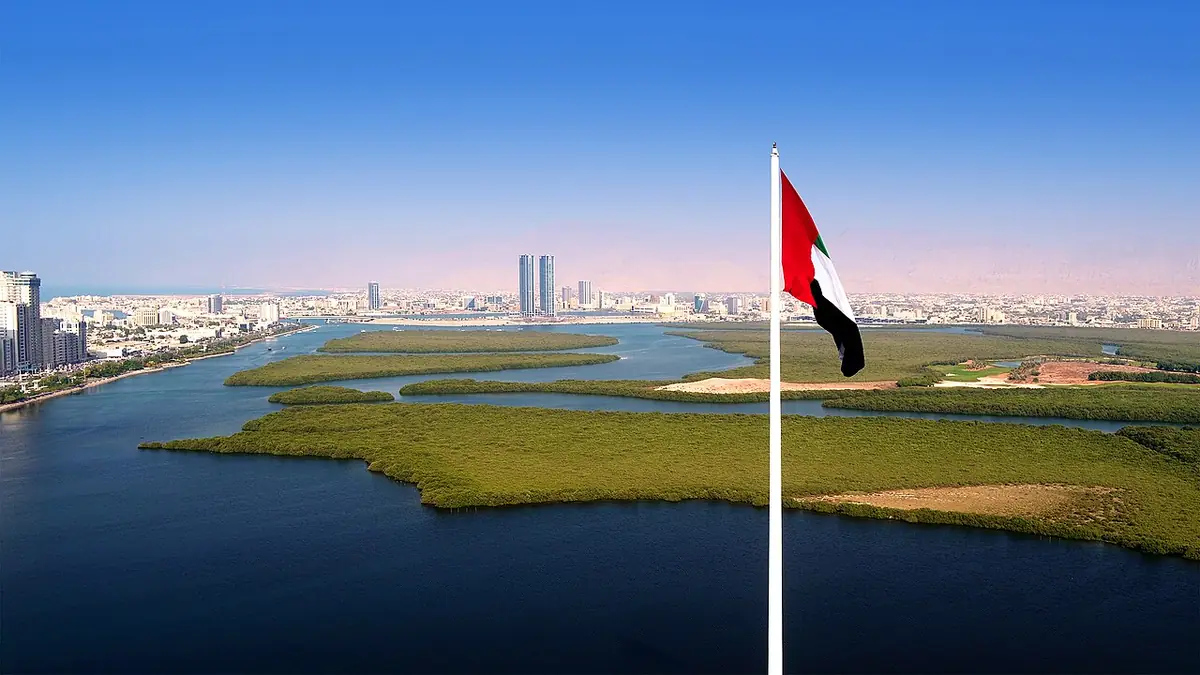
The Ras Al Khaimah skyline rising beside its lagoon — Photo: Stevenmccombe · CC BY-SA 4.0 · Wikimedia Commons
Once those reference points are in place, the next question is exactly where within the emirate you should settle.
Moving from an established urban way of life to Ras Al Khaimah unsettles a number of cultural, practical and climatic habits. In many of the cities newcomers arrive from, the urban layout encourages mixed use, walking and having local shops immediately to hand. Here, land use follows a different logic, built around the car, major road corridors and separate residential and retail hubs. Understanding these structural differences lets you adjust your expectations in the first months and avoid the isolation or frustration that comes from administrative and social conventions that can seem disorienting at first.
From abroad
Getting around made easy by public transport and a high density of local shops within walking distance.
Ras Al Khaimah
An almost total reliance on your own car to cross the different districts of the emirate and reach services.
You need to budget for buying or long-term leasing a vehicle as soon as you arrive, along with fuel and parking costs.
From abroad
A temperate climate with four distinct seasons that shape what you wear and what you do outdoors.
Ras Al Khaimah
Almost constant sunshine with very hot, humid summers that push social life into air conditioned spaces.
Your daily rhythm adapts to the temperature, favouring early morning or evening activities during the hottest months of the year.
From abroad
A centralised administrative system with complex written rules, formalised by a long legal tradition.
Ras Al Khaimah
An agile, fast digital administration, combined with community and neighbourhood rules specific to the designated zones.
Procedures are often handled online very smoothly, but they call for extra care about the wording of the contracts you sign.
From abroad
A dense social fabric rooted in long-established local traditions and long-standing neighbourhood networks.
Ras Al Khaimah
A cosmopolitan population in constant movement, made up mostly of expatriates and international residents.
Building a social and professional network takes deliberate effort through clubs, associations and local activities.
Which district should you target to settle in and live comfortably?
Beyond the feel of each district, it is the financial reality of the purchase that now has to be set out plainly.
The emirate of Ras Al Khaimah is not a single centre; it is made up of areas with sharply contrasting atmospheres, from a busy seafront to quieter valleys as you move towards the mountains. The area you choose determines not only what you look at every day but also the future resale value of your property and how close you are to essential amenities. Each district has its own planning rules, its own predominant building types and its own kind of neighbours. It is worth analysing these micro-markets pragmatically so that your budget lines up with what you genuinely want, whether that is quiet or activity.
Mina Al Arab
A relaxed seaside atmosphere, set by walks along the water and the proximity of beaches and upmarket hotel complexes.
Suits
Those looking for a life built around watersports, green space and an active, well-integrated international community.
Trade-off
Prices per square metre among the highest in the emirate, and substantial service charges for the upkeep of the common areas.
Al Hamra Village
A planned, secure development built around a golf course, a marina and integrated shopping centres, offering a self-contained way of life.
Suits
Families and retirees who value the security of a gated, landscaped environment with every amenity on site.
Trade-off
Standardised planning that can feel architecturally uniform, and a certain distance from the historic centre of the city.
Hayail and the outlying areas
A more authentic environment, closer to traditional local life and to the rocky landscapes of the hinterland.
Suits
Buyers with a more modest budget, or those after large plots of land without the constraints of a gated community.
Trade-off
More limited access to international services, and a resale that may be less straightforward with foreign buyers.
What does buying and owning a house here really cost?
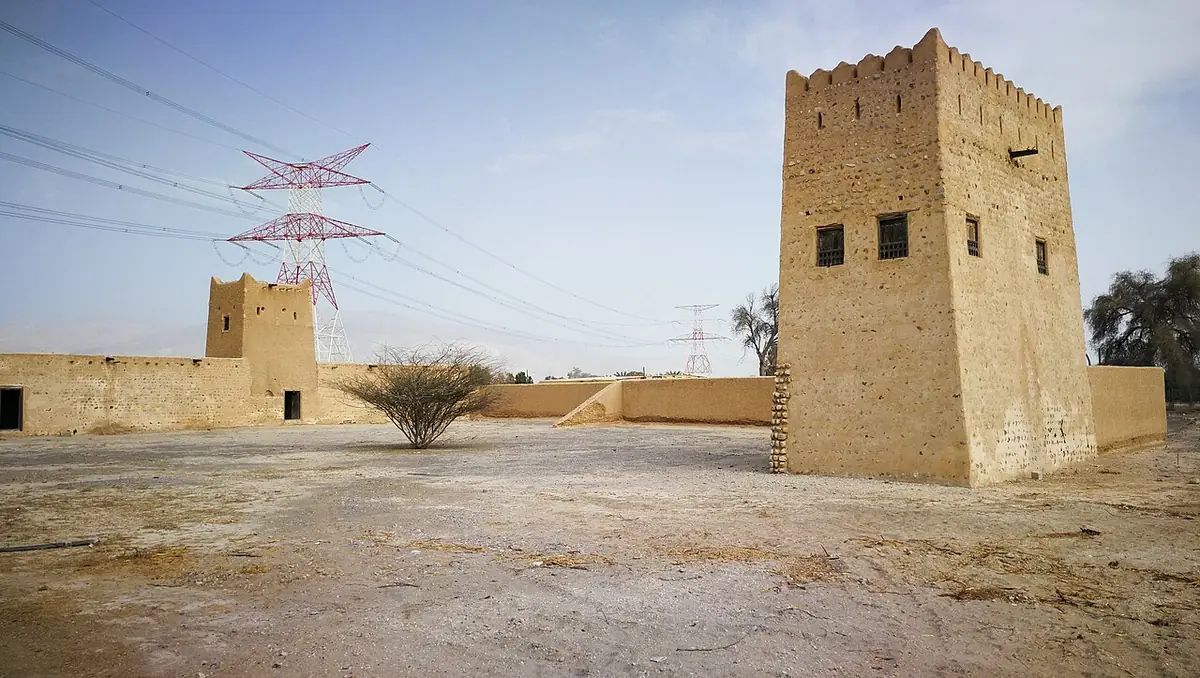
Al Falayah Fort, a preserved piece of the emirate's heritage — Photo: Ganeshvel2 · CC BY-SA 4.0 · Wikimedia Commons
Understanding the figures leads directly to examining the legal nature of what you are buying and the limits of that ownership.
Working out the budget for a property purchase in Ras Al Khaimah does not stop at the headline price on the listing. You have to factor in all the compulsory ancillary costs, the local registration fees and the recurring cost of maintenance to arrive at an honest financial picture. The ranges vary considerably with floor area, year of construction and exact location within the large coastal developments. A rigorous look at these cost lines is what stops you underestimating the total cost of ownership over a five to ten year period.
ras-al-khaimahFor saleHouseestimate
Median price / m²AED 8,569Half the apartments sell below this
Median priceAED 1.58mthe average is 14% higher — a few very large properties pull it up
Most common2 bedrooms64 % of listings
Average size175 m²
By number of bedrooms
Bedrooms
Share of market
Avg price
Price / m²
Avg size
2most common
64 %
AED 1.62m
AED 8,840
184 m²
3
27 %
AED 2.2m
AED 8,389best value / m²
263 m²
4
9 %
AED 3.07m
AED 8,569 −5 %
359 m²
Each row is an average, compared against the area average of AED 9,020 / m². These are indicative estimates of a typical local market, not a measured sample of live listings. Check current listings before relying on them.
What you can actually own: freehold against long lease
With the legal framework clear, the next thing to set out is the strict order of the steps that lead to final signature.
The legal status of property ownership is a first-order question for any foreign buyer looking to settle in the emirate for the long term. Contrary to the common assumption that every purchase means perpetual full ownership, the local market designates specific zones in which foreign nationals may buy freely. Getting this distinction right secures your investment legally and simplifies matters if you later pass the property on or sell it. So it is essential to check the land records and the status of the zone before signing any binding document.
Freehold zones
In the areas designated as freehold by the local authorities, investors of any nationality can acquire full ownership of both the property and the land it sits on, with no time limit. This regime offers legal security equivalent to what is found in most Western countries, allowing you to let, sell or pass on the property freely under the local law in force.
What it changesYou hold an asset you can pass on or sell on the same terms as in your country of origin, subject to complying with the emirate's registration rules.
Long leasehold arrangements
Some areas operate on the basis of long leases, generally set at 99 years, renewable on the terms originally agreed with the developer or the licensed land entity. This system, though legally secure for the defined period, means reading the renewal clauses carefully along with any restrictions on structural alterations to the building.
What it changesYou are buying an extended right of use and enjoyment rather than the land itself, which can affect resale value as the end of the lease approaches.
The fundamental rule to understand before you pay a first deposit
To put those principles into practice, let us look at how a typical property transaction unfolds in the emirate, in order.
Buying a property follows formal procedures that should never be short-circuited, on pain of losing substantial sums if a dispute arises. From checking that the developer is registered with the regulatory authorities through to depositing funds in an official escrow account, every link in the payment chain protects your interests. Skipping these precautions because an opportunity looks urgent exposes the buyer to considerable financial risk, risk that can be avoided by following the legal sequence methodically.
You identify a property that matches your criteria and want to formalise your interest with a written offer.
Check the official registration of the developer or agent with the Ras Al Khaimah land department to confirm they are legitimate.
Insist on an approved escrow account for paying the reservation deposit, ruling out any transfer to a personal account.
Have the reservation contract (the memorandum of understanding, or MOU) reviewed by an independent legal adviser specialising in local law.
Obtain the no-objection certificate (NOC) issued by the developer or the community management, which is essential for the final transfer of ownership.
The transfer of ownership is officially registered with the emirate's land authorities and the final title deed is issued in your name.
How a property transaction unfolds, step by step
Buying a house in Ras Al Khaimah follows a defined timetable involving several institutional and private parties who have to be coordinated methodically. From your first contact with the market to the handover of the keys, each party plays a defined role in securing and validating the transaction. Knowing this sequence lets you steer your purchase without needless haste and keep constant control over the financial and administrative deadlines.
The buyerSetting the budget and choosing the criteriaYou set your overall financial envelope, including registration fees, and select the areas that suit your way of life.
The estate agentTargeted viewings and price negotiationThe licensed intermediary presents a selection of suitable properties and handles the initial discussions on price with the seller or their representative.
The partiesSigning the memorandum of understanding (MOU)Signature of the binding document setting out the terms of the sale, usually with a ten percent deposit paid into an escrow account.
The developer or community managerIssue of the no-objection certificate (NOC)The community manager checks that no service charges are outstanding on the property and formally authorises the change of owner.
The land authorityOfficial transfer of ownershipExecution of the deeds before the emirate's competent authorities, payment of the transfer fees and issue of the new title deed in your name.
The buyerConnecting services and moving inWater, electricity and telecoms accounts are put into your name, and you take actual possession of the property.
Buying a villa or an apartment in Ras Al Khaimah: which should you choose?
Moving from the type of property to a precise estimate of running costs is what lets you structure your financing plan.
Buying a villa in Ras Al Khaimah answers a search for space and for outright ownership of land that apartment schemes simply cannot offer. Families particularly appreciate the generous living areas, often above three hundred square metres, along with an enclosed private garden. This arrangement frees you from community rules that can be restrictive and lets you lay out your outdoor space as you wish, whether that means a pool or a secure play area for the children. In return, the full upkeep of the structure, the roof and the grounds falls entirely on the owner, which is a significant burden in both money and time in this climate.
Buying an apartment within the residential complexes of Mina Al Arab or Al Hamra Village, by contrast, makes the day-to-day management of the property considerably simpler. Concierge services, twenty-four hour security and shared maintenance of the common areas relieve the occupier of any technical worry. These developments also give direct access to landscaped beaches, communal pools and gyms without requiring heavy individual outlay. The trade-off is that living close to neighbours and paying high recurring service charges eats into both the return and your long-term freedom of action.
Choosing between these two types of property in Ras Al Khaimah therefore comes down to your tolerance for maintenance risk and to how you want to live. If you value peace of mind and immediate access to hotel-style facilities, a seafront apartment is the obvious strategic choice. If instead you want to capitalise on the value of the land and have living space you can extend without being overlooked, a detached villa remains the only workable option. Investors should also bear in mind that reselling or letting these two types of property follows very different market dynamics in the emirate.
Looking at how prices have moved in recent years shows that villas benefit from a structural scarcity of coastal land, which better protects their value over the long term. Apartments, more plentiful on the resale market, offer greater liquidity and a lower entry price for first-time buyers or investors seeking immediate rental yield. So it is worth setting your wealth objectives against the hidden costs specific to each option before signing any sale agreement in the region.
What overall budget should you plan for to live in and own a property in Ras Al Khaimah?
With the budget under control, the next thing is to understand what a typical day actually looks like, to gauge the real quality of life.
Drawing up a forecast budget for Ras Al Khaimah is not limited to the monthly mortgage payment or the headline purchase price. You have to include all the ancillary costs, whether land registration fees, service charges or utilities. A realistic estimate protects the buyer from unpleasant surprises and makes the move to the emirate sustainable. The figures below reflect the averages observed in the local market for properties built to international standards.
Purchase costs and recurring annual charges
Cost line
Average amount or rate
Frequency and terms
Land registration fee (land department)
4 percent of the purchase price
Payable once, at the point of transfer
Estate agency fee
2 percent excluding tax
Payable by the buyer or the seller, subject to negotiation
Service charges
10 to 25 AED per square foot per year
Payable annually or quarterly, depending on the development
Comprehensive home insurance
1,500 to 3,500 AED per year
Annual premium based on the replacement value of the property
Purchase costs in Ras Al Khaimah are in line with United Arab Emirates norms, with the usual split between buyer and seller for agency commission.
Monthly budget for utilities and everyday living
Service category
Estimated budget for a couple
Note on variation
Electricity, water and air conditioning (FEWA)
600 to 1,500 AED per month
Rises sharply through the summer months because of air conditioning
Broadband internet and telephone
400 to 700 AED per month
Residential fibre package with TV options included
Routine upkeep and small repairs
500 to 1,200 AED per month
Higher for villas with a garden and private pool
Food and everyday essentials
2,500 to 4,500 AED per month
Varies with the share of imported goods and shopping in local supermarkets
The utilities budget (FEWA) is the main variable in the monthly bill, with air conditioning accounting for more than sixty percent of annual energy consumption.
Health, schools, transport: what does an ordinary Tuesday in Ras Al Khaimah look like?
Beyond that apparent day-to-day ease, some realities of the property market deserve a closer look.
Easy journeys and nearby facilities radically change the daily experience compared with congested cities like Dubai. An ordinary Tuesday in Ras Al Khaimah means short travel times, accessible international schooling and modern health services spread across the emirate. That set-up makes it far easier to reconcile work and family commitments without the chronic stress of a large urban centre.
07:00Mina Al Arab residential districtLeaving home to drop the children at an international school less than fifteen minutes away by car, with no serious traffic.
08:15Business district or local coworking spaceArriving at the office or settling in to work from home. The fibre internet connection keeps productivity high for professionals working with international markets.
12:30Al Hamra MallLunch break at a restaurant in the centre, or a quick trip round the local supermarkets for the week's fresh food.
16:00School or after-school activitiesCollecting the children and stopping at the community sports facilities for a swim or a game of tennis in the open air.
18:30Public beach or coastal promenadeFamily time along the emirate's shoreline, enjoying the cool of the evening and the quiet before heading home for dinner.
20:30Medical centre or late-opening pharmacyLocal health facilities are available for paediatric or routine needs, with practitioners who speak fluent English alongside other international languages.
What the brochures and the agencies will not tell you about Ras Al Khaimah
These operational subtleties lead straight to the misjudgements new buyers make after a few months on the ground.
Developer marketing puts the permanent sunshine, the fine sand beaches and the attractive rental yields front and centre. What permanent residents actually experience, though, brings out operational aspects that are less glamorous but decisive for whether your investment works. Knowing the things the brochures leave out saves you from disappointment after the purchase and lets you anticipate future spending clearly.
The aggressive effect of the marine climate on exterior building materials
Constant salt humidity accelerates corrosion of metal joinery, air conditioning units and facade paint. An owner needs to plan a regular preventive maintenance budget to avoid a rapid decline in both the look and the structural value of the property.
How rigid the rules are on short-term letting and on management by developers
Contrary to a common assumption, Airbnb-style letting is tightly controlled by the local regulators and requires specific permissions, often handled exclusively by the master developers. Ignoring those restrictions can seriously undermine your short-term rental yield strategy.
The rapid change in urban density around new schemes under construction
An empty plot that gives you an uninterrupted sea view today may host a new residential tower tomorrow. It is essential to consult the official planning map at the municipality to check the development rights attached to the surrounding plots.
The administrative complexity of a quick resale before the title is fully released
Some off-plan properties carry restrictive clauses on resale until the project has reached a certain stage of completion or the developer has issued the final title deed.
The traps and regrets people discover six months after settling in Ras Al Khaimah
Those disappointments lead to the fundamental question of which buyers this investment would clearly be wrong for.
Looked likeA secluded villa in absolute quiet at the end of a picturesque cul-de-sac, far from the bustle of the city.
Turned outToo far from supermarkets, schools and the main roads, turning every errand into a time-consuming expedition.
Would have caught itSystematically checking the real journey time at peak hours to schools and medical facilities before signing the final deed of sale.
Looked likeAn apartment with an uninterrupted view over the Persian Gulf and maximum sunshine all day long.
Turned outA furnace in summer, making air conditioning bills astronomical and the balcony unusable from June to September.
Would have caught itAnalysing which way the property faces, the quality of the insulating double glazing and whether there is shading suited to a coastal desert climate.
Looked likeVery low service charges, quoted verbally by a less than scrupulous estate agent.
Turned outA unilateral increase in charges by the owners association to fund a major refurbishment of the development's ageing facilities.
Would have caught itInsisting on the official record of charge demands for the past three years and reading the minutes of the last owners association meeting.
Looked likeA highly profitable rental investment with no hands-on management, thanks to a promise of guaranteed yield.
Turned outExorbitant management fees taken by the management company, and void periods not covered by the terms of the contract.
Would have caught itReading the small print of the management agreement carefully and comparing the rates actually charged on the emirate's resale market.
Who should definitely not buy a house in Ras Al Khaimah?
It is time to pull these threads together and answer the final question: are you ready to take the step?
The emirate of Ras Al Khaimah has undeniable strengths, but its property market does not suit every investor or resident profile. Wanting to settle here without accepting its economic and geographic particularities leads inevitably to a dead end. Identifying clearly which profiles are a poor fit is what prevents heavy and inappropriate financial commitments.
The investor chasing speculative capital gains within twelve months
→Buying an off-plan apartment in a new scheme in the hope of reselling it at an immediate margin on handover.
Ras Al Khaimah is a core holding market, built on stability of value and rental income over the medium term, not a speculative exchange subject to daily swings.
The worker who depends on a daily job in the heart of Dubai
→Buying a large seafront villa in Ras Al Khaimah to get a purchase price below that of the neighbouring emirate.
The daily round trip by road takes more than two and a half hours, which brings considerable physical fatigue and a fuel cost that cancels out the initial saving on the property.
The saver with very limited capital and no reserve for the unexpected
→Putting every last saving into the deposit on a property without keeping a cushion for maintenance costs.
Service charges, registration fees and corrective maintenance call for cash that is immediately available, failing which the community management will issue formal demands.
The owner who needs immediate liquidity and an instant resale market
→Buying an unusual or highly customised property that is hard to compare with the standard stock in the surrounding development.
The depth of the resale market in Ras Al Khaimah is narrower than in Dubai, which can significantly lengthen the time to sell if you urgently need cash.
So, are you ready to invest and settle in Ras Al Khaimah?
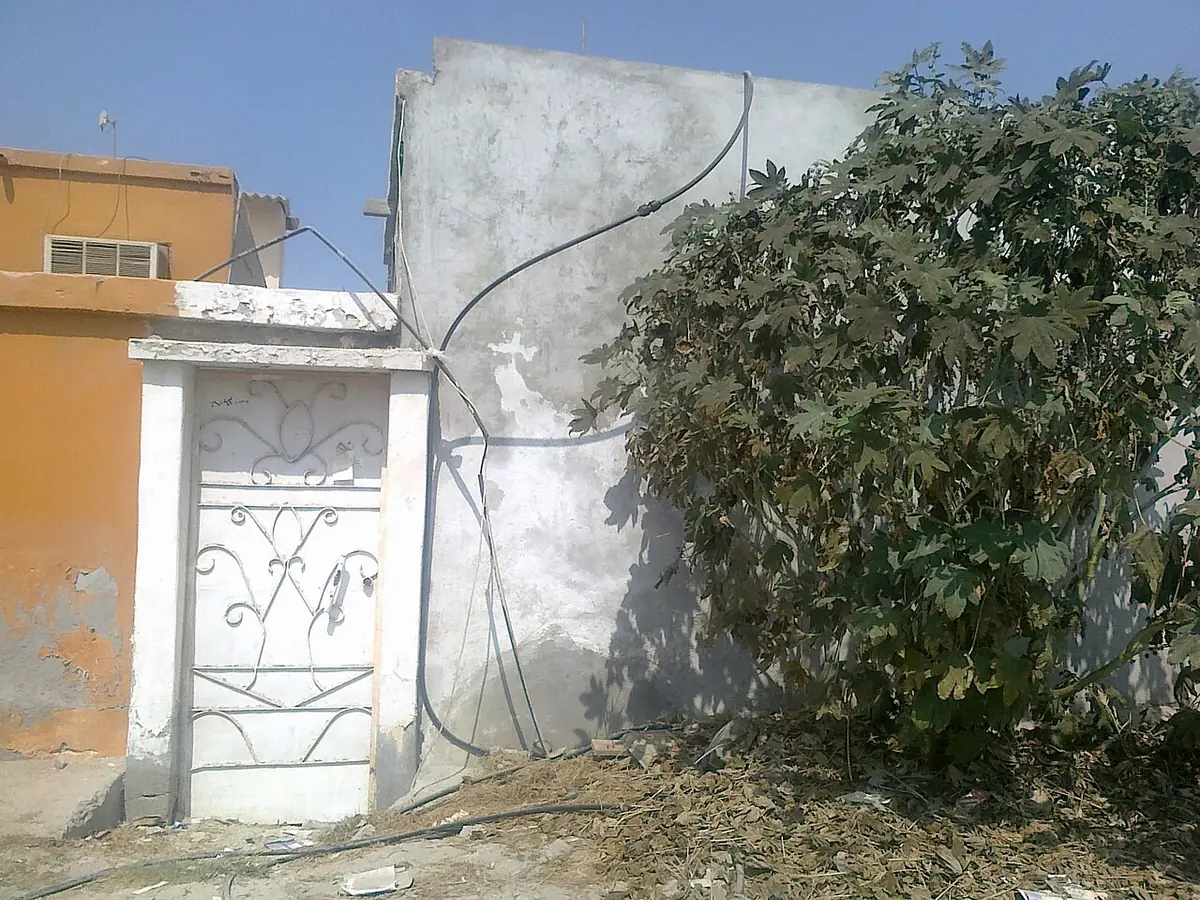
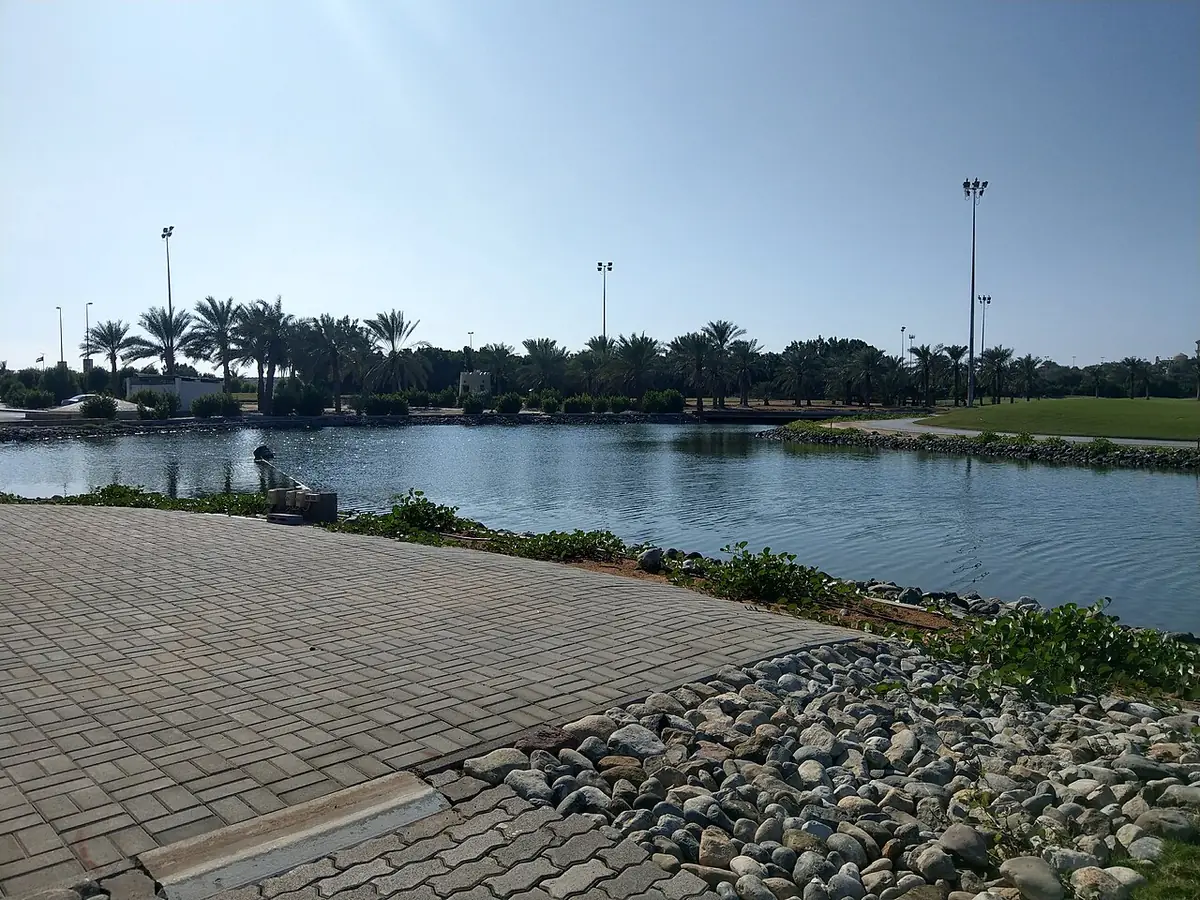
A palm-shaded path through a neighborhood park — Photo: ولد الامارات · CC0 · Wikimedia Commons
Deciding to buy a property in Ras Al Khaimah means setting objective foundations that match your personal and financial situation. If your plan is built on medium or long-term stability, if you value a coastal setting shielded from the frenzy of the megacities, and if you have factored in every hidden cost of ownership, then the emirate offers an exceptional place to land. The infrastructure is developing methodically, strengthening the appeal of the region as a place to live without sacrificing the quality of life that defines it.
This is not about giving in to the urgency of a marketing opportunity, nor about listening to promises of miraculous returns peddled by some intermediaries. A successful purchase here rests on rigorous selection of location, careful verification of title, and a good fit between your daily rhythm and the geographic realities of the emirate. Take the time to visit districts at different hours of the day, look at the community accounts and check every line of your financing plan with an independent adviser before committing.
In the end, buying a house or an apartment in Ras Al Khaimah has to be earned and planned rigorously. It is a life choice as much as a financial one, and it rewards patience and clear sight. If you tick every box on financial preparation and clarity of objectives, you now have all the analytical tools you need to take the step calmly and lay durable foundations for your move to the heart of this fast-growing region.
Related questions
Can a foreign national buy property on a freehold basis in Ras Al Khaimah?
Yes. Foreign nationals can acquire freehold property in the zones designated by the emirate's government, such as Mina Al Arab, Al Hamra Village and parts of Hayat Island. These zones offer internationally recognised title deeds registered with the emirate's official land department.
What transfer and registration fees apply when buying a property in Ras Al Khaimah?
Land registration fees generally come to four percent of the purchase value of the property. This one-off charge is most often split equally between buyer and seller, although the terms of a given transaction can vary depending on the negotiation handled by your licensed real estate agent.
What is the average service charge for an apartment in the emirate?
Community fees, known as service charges, usually run between ten and twenty-five dirhams per square foot per year. The figure varies with the facilities the development provides, such as swimming pools, gyms, round-the-clock security and the upkeep of private beaches.
Can buying property in Ras Al Khaimah lead to a United Arab Emirates residence visa?
Yes. Buying a property worth at least one million dirhams can qualify the owner and their family for a renewable residence visa. Specific conditions apply to any mortgage on the property and to its net equity value, under the regulations in force.
What annual property taxes apply in Ras Al Khaimah?
There is currently no recurring property tax and no income tax on rental income received by individuals in Ras Al Khaimah. The only compulsory annual costs tied to owning a home are the development's service charges and comprehensive home insurance.
Can a non-resident finance a purchase with a local bank loan?
Local banks do offer mortgage financing to non-residents, but the conditions are generally stricter. The deposit required often sits between fifty and sixty percent of the property value, with interest rates indexed to international money markets.
How does short-term letting of the Airbnb type work for properties bought in Ras Al Khaimah?
Short-term letting is tightly regulated and requires specific tourism licences from the competent authorities. On top of that, some developers impose restrictions in their community rules in order to protect the quiet enjoyment of permanent residents.
How long does it usually take to complete a property transaction in the emirate?
A standard transaction between a private buyer and a private seller generally takes between thirty and forty-five days from signing the memorandum of understanding to the actual transfer of title with the local land authorities, subject to the no-objection certificates being issued.
How does the summer weather affect the running costs of a villa in Ras Al Khaimah?
Very high summer temperatures and coastal humidity put heavy demands on air conditioning systems and exterior finishes. Villa owners should budget for regular preventive maintenance visits to clean filters, check weatherproofing and treat any signs of salt corrosion.
What schools are available for families settling in Ras Al Khaimah?
The emirate is home to several well-regarded international schools offering British or American curricula or the International Baccalaureate. These schools are easy to reach from the main coastal residential districts, with short journey times by car.
Property review of ting
No ting properties in Ras Al Khaimah yet
Be the first — share it on ting and it shows up right here.