Buying an apartment in Calgary means understanding how the Canadian property market actually works here, from the way condominiums are structured to what sets the central neighbourhoods apart. This guide walks you through your purchase step by step, clearly and without the usual received ideas.
Get the app
What nobody tells you.
Real prices, hidden costs and the traps to check before you commit.
Why buying an apartment in Calgary means looking past the facade
Scroll
Why buying an apartment in Calgary means looking past the facade
Buying an apartment in Calgary means understanding how the Canadian property market actually works here, from the way condominiums are structured to what sets the central neighbourhoods apart. This guide walks you through your purchase step by step, clearly and without the usual received ideas.
Written by the ting.ad editorial team ·
10 Street SW, Calgary in Street View: drag to look around.
Understanding these underlying dynamics is what lets you judge whether your own profile fits what the Calgary market asks of buyers.
Putting money into a Calgary apartment is not simply a matter of buying square metres in a busy city on the Canadian Prairies. It is a way of living, anchored in an economy that moves, where the nearness of the Rockies reshapes ordinary weeks. The floor area on the listing often hides structural realities and side costs that deserve a cool-headed look if you want to avoid unpleasant surprises. Every neighbourhood strikes its own bargain between what you can afford and how good life there will be over the long run.
The promise of a market with real momentumvsThe reality of a strongly cyclical economy
The local economy, historically tied to energy, feeds directly into property values and into how easily anything sells in the short term.
The comfort of modern condominium buildingsvsThe weight of condo fees and reserve fund contributions
Newer buildings offer first-rate amenities but call for closer attention to the financial health of the condo corporation.
The pull of the central neighbourhoodsvsFierce competition and a shortage of family-sized units
Finding a roomy apartment downtown means real compromises, either on your budget or on the year the building went up.
How to tell whether apartment living in Calgary fits your daily life
Looking honestly at your own situation clarifies the move from the habits you know to the particulars of Canadian housing.
How you live in Alberta's largest city changes dramatically with your work and with what you want from your free time. Between the fast pace of a downtown linked by elevated walkways and the quiet of the outer districts, the choice you make every day will shape your investment. The task is to line up your travel habits and your need for space with what the local building stock actually offers.
The city dweller who lives on the indoor network
You want to cut travel time to a minimum by making use of the raised pedestrian walkway system that links the office towers. Your days revolve around the C-Train station and the urban conveniences you can reach without a car. The trade-off is giving up any large private outdoor space in return for a neighbourhood life that is tightly connected.
The one who wants open space and easy mobility
You put a premium on being near the riverside parks along the Bow River, with quick access to the roads heading out to the Rocky Mountains for weekends. The semi-urban districts offer human-scale condominium buildings with more generous floor areas. In exchange, you accept a slightly longer daily trip in to the central employment areas.
The careful manager of assets
You are targeting studios or one-bedroom apartments close to the university campuses or the major hospital hubs. Rental demand there is structurally underpinned by students and mobile young professionals. Your attention goes mainly to how predictable the condo fees are and how solid the typical tenant is.
Property basics: what changes radically when you are buying from abroad
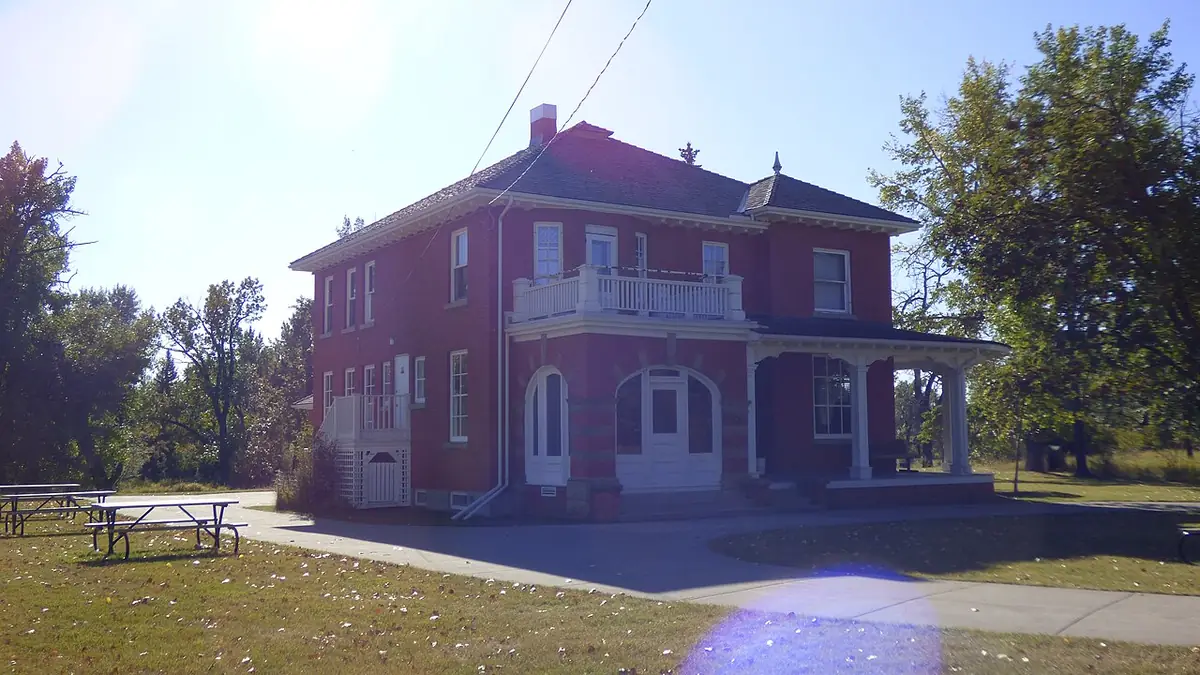
Heritage homes like this anchor Inglewood, one of Calgary's older residential pockets — Photo: James Mott · CC BY-SA 4.0 · Wikimedia Commons
Once those reference points are in place, choosing which part of the city to target becomes the central question in your search.
Buying property in Canada rests on legal and financial practices that differ from those you are likely used to elsewhere. What ownership means, the guarantees you will be asked for and the roles the various professionals play all call for a quick adjustment if your purchase is to be secure. Overlooking these differences in culture and administration leaves you open to real misunderstandings when the offer to purchase is being drafted.
From abroad
A preliminary sale contract drawn up by a public official, with a statutory cooling-off period
Calgary
A firm offer to purchase, with conditions, negotiated through brokers
The process turns out to be much faster, but it binds you legally as soon as the conditions on financing or inspection are waived.
From abroad
A single official handling the whole transaction from end to end
Calgary
Real estate brokers and specialist lawyers working side by side
The property lawyers check the title and manage the transfer of funds, while the brokers frame the negotiation.
From abroad
Building charges that are usually fixed and smoothed across the year
Calgary
Condo fees that vary with the services provided and the state of the reserve fund
A careful read of the condominium's financial documents is essential if you want to see any special assessments for works coming.
From abroad
Insulation and energy standards treated as a secondary concern
Calgary
Strict energy efficiency rules built for severe winters
The heating system, the type of glazing and the building's ventilation become decisive criteria in keeping your energy budget under control.
Mapping the residential districts: which neighbourhood to target for your apartment
Picking the right neighbourhood has to go hand in hand with a clear-eyed reading of what the local market costs.
Calgary is made up of districts with sharply contrasting atmospheres and property profiles. From the vertical energy of the financial core to the fashionable streets bordering the parks, each area strikes its own balance between access, activity and the kind of buildings on offer. Weighing up the pace of life in each one keeps you from mapping European expectations onto a North American reality.
Beltline and Downtown
A dense urban rhythm, set by foot traffic on the walkways and the office towers right on your doorstep.
Suits
Working people who want to erase their commute and live in the middle of the cultural and dining scene.
Trade-off
Often smaller living areas at a higher price per square metre, and parking that can be a headache.
Kensington and Hillhurst
A riverside village feel, with independent local shops and direct access to the riverbanks.
Suits
Anyone after a walkable, green setting while staying a few minutes by light rail from the business district.
Trade-off
An older and much sought-after housing stock, which narrows the choice available and keeps prices firm.
Mission and Cliff Bungalow
A pleasing mix of period homes, small walk-up buildings and busy shopping streets along 4th Street.
Suits
Buyers who care about architectural character, neighbourhood life and being close to the green space along the water.
Trade-off
Strong competition for what comes on the market, and condominium buildings whose maintenance history needs checking rigorously.
Reading the price ranges and the financial shape of a purchase
Heritage apartment blocks like the Devenish mix shops and homes downtown — Photo: Benlarhome · CC BY-SA 4.0 · Wikimedia Commons
Beyond the headline value of the property, what you legally own deserves a particularly close look.
Prices across the Calgary market vary significantly with the age of the building, the floor area and the quality of what is provided. Working out the cost cannot stop at the asking price: it has to take in all the recurring outgoings tied to the condominium and to local property taxes. Because registry data is open, it is possible to build realistic ranges and put a financing plan together on solid ground.
calgaryFor saleApartmentestimate
Median price / m²CA$4,370Half the apartments sell below this
Median priceCA$350kthe average is 14% higher — a few very large properties pull it up
Most common2 bedrooms45 % of listings
Average size76 m²
By number of bedrooms
Bedrooms
Share of market
Avg price
Price / m²
Avg size
1
38 %
CA$299k
CA$5,152 +12 %
58 m²
2most common
45 %
CA$368k
CA$4,600
80 m²
3
14 %
CA$449k
CA$4,278 −7 %
105 m²
4
3 %
CA$538k
CA$4,140best value / m²
130 m²
Each row is an average, compared against the area average of CA$4,600 / m². These are indicative estimates of a typical local market, not a measured sample of live listings. Check current listings before relying on them.
Divided or shared ownership: what you can actually hold
Getting a grip on these legal points leads straight into the checks you cannot skip before signing the final documents.
Property ownership in Canada follows condominium rules that are clearly set out in Alberta's provincial legislation. Grasping the line between your private unit and the common property is essential to understanding your rights and your financial obligations within the building. This legal structure also determines how much say you have at the owners' general meetings.
The standard condominium
You own your private unit outright, together with an undivided share of the building's common property, such as the entrance lobby, the lifts and the grounds. A condominium corporation manages the collective upkeep on a budget voted through each year, and pays into a mandatory reserve fund.
What it changesThis arrangement secures the long-term maintenance of the building, but it requires strict compliance with the internal bylaws and regular payment of monthly fees that can be substantial.
The townhome or horizontal duplex format
This format combines the structural independence of a town house with shared management of the outdoor infrastructure and the surrounding green space. Ownership often takes in a parcel of land or the exterior structure of the party walls, while still being tied to a common management corporation.
What it changesYou get something close to the feel of a detached home while handing the upkeep of the landscaped areas and the roofs over to an organised collective body.
The one rule to understand before you hand over a deposit
Newer mid-rise blocks like this are common across Calgary's residential streets — Photo: Chris Woodrich · CC BY-SA 4.0 · Wikimedia Commons
Once those precautions have been cleared, the transaction unfolds along a rigorous and well-marked timetable.
A property transaction in Calgary forgives nothing when it comes to checking the technical and financial documents. Before you waive the conditions written into your offer, a careful review is needed to rule out any hidden liabilities inside the condominium. That methodical discipline is what protects your investment over the long run against nasty surprises.
Your broker drafting the initial offer to purchase
Building in the essential conditions covering a detailed physical inspection of the unit and a thorough review of the condominium documents.
Obtaining and critically reading the building's reserve fund study, through a specialist firm or your legal adviser.
Assessing the compliance work or repairs the condominium corporation has planned for the next five to ten years.
Formally waiving the conditions once everything is clear and your bank has confirmed the financing in writing.
The secure transfer of funds and the handover of keys by the law firm
The transaction from start to finish, step by step
Buying an apartment in Calgary follows a precise calendar in which each party has a defined role in keeping the deal legally sound. From the first viewing to the day you move in, the broker, the home inspector and the specialist lawyer coordinate among themselves, with no civil-law notary involved at any point. Understanding that sequence lets you see each deadline coming and meet it calmly.
The buyer and their brokerTargeted searching and viewingsSelecting the apartments that match your criteria and comparing local market prices across the different neighbourhoods you are considering.
The buyerSubmitting the Offer to PurchaseFormally drafting the proposal, including the price offered, the key dates and the conditions you cannot do without.
The home inspectorThe technical inspection and document reviewA thorough technical visit of the unit, plus a review of the condominium's general meeting minutes and financial statements.
The financial institutionSecuring final mortgage approvalFinal sign-off on the loan by the Canadian bank, based on an independent appraisal of the property and on your credit file.
The real estate lawyerSigning the documents and transferring the fundsChecking the title, signing the legal transfer documents and releasing the funds needed to complete the transaction.
Apartment or house in Calgary: which type of property suits your way of life?
Beyond the type of property, it is your budget as a whole that has to be examined to see what Calgary property really costs.
Choosing between a condominium apartment and a detached house in Calgary shapes both your finances and your daily life for years. Condominiums in central neighbourhoods such as Beltline or Downtown give you immediate access to transit lines and employment areas, which takes the strain out of the morning commute. That option appeals particularly to working people and investors who want exterior maintenance handled for them and a lively urban life with amenities right at hand.
Going the other way, choosing a detached or semi-detached house in the larger residential districts, such as those in the northwest or southeast quadrants, means complete autonomy and considerably more responsibility for upkeep. You take on all the roofing, the plumbing and the care of the garden, including the demanding business of clearing snow in winter. In return you get complete acoustic privacy, more generous living areas and land of your own, which matters to families looking for space over the long term.
Calgary's climate also weighs heavily on this decision. Long winters and spells of severe cold feed straight into how much energy a home uses and how quickly exterior materials wear. Condominiums pool that risk through the condo fees, although those fees can move depending on the state of the building's reserve fund. Owners of detached houses, for their part, have to set money aside proactively for emergency repairs, with no corporation to fall back on.
On resale, the Calgary market behaves differently depending on which route you take. Apartments generally show more moderate cycles of appreciation than detached houses, the latter benefiting from steady demand among households looking to put down roots. Your final choice therefore has to rest on a clear-eyed reading of your time horizon, your capacity to look after property and your tolerance for the swings in running costs that come with each type of ownership.
What overall budget do you need to live and house yourself in Calgary for the long term?
That budget reality shows up in the shape of an ordinary day, dictated by the infrastructure and by getting around the city.
Putting together a sound budget for Calgary means going well beyond the asking price shown on the property portals. You have to fold in the municipal property taxes, the condo fees or maintenance costs, and the expenses that come with living in Alberta. Historical data from the Alberta Real Estate Board gives you the reference points you need to judge what a home in the region will really weigh on your finances. Getting these recurring costs wrong will strain your finances quickly, particularly when mortgage rates move.
Median prices and estimated charges by property type in Calgary
Property type
Median price observed
Average monthly charges
Annual property tax
Apartment (condo)
315,000 CAD
450 CAD (condo fees)
1,800 CAD
Town house
440,000 CAD
300 CAD (condo fees)
2,600 CAD
Detached house
680,000 CAD
0 CAD (managed directly)
4,200 CAD
Median prices and the associated charges are based on recent Calgary market trends and can vary with the age of the building and its exact location.
Monthly spending for a household living in Calgary
Spending item
Estimated budget (single)
Estimated budget (household)
What makes it vary
Energy (electricity and gas)
120 CAD
220 CAD
How well the home is insulated and how hard the winter is
Transport (insurance and fuel)
250 CAD
450 CAD
Use of the CTrain network or a personal vehicle
Home insurance
45 CAD
85 CAD
The value of what is insured and your claims history
Energy prices in Alberta sit in a deregulated market and can spike sharply during periods of extreme cold.
What does an ordinary Tuesday in Calgary actually look like, between transport, services and surroundings?
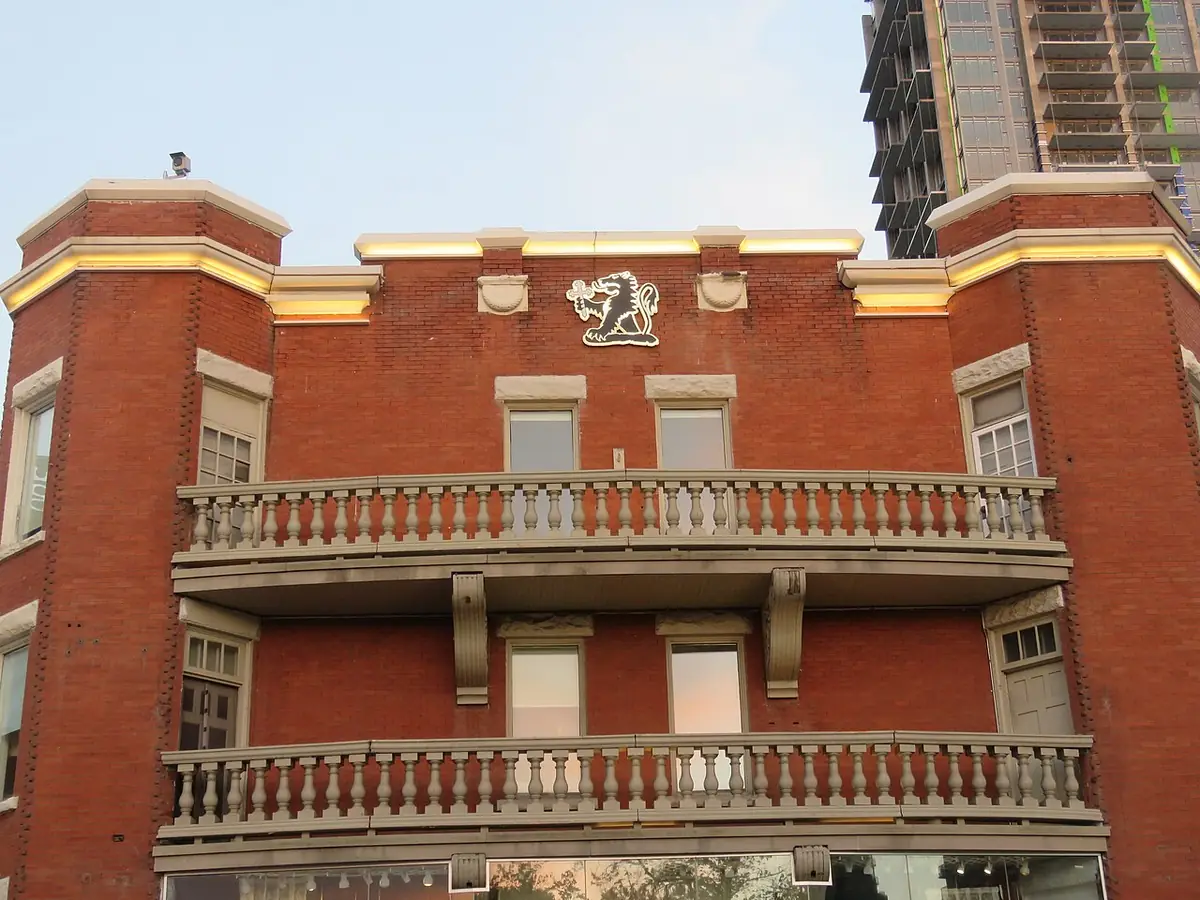
Detailed brick facades like this show the character of Calgary's older apartments — Photo: Benlarhome · CC BY-SA 4.0 · Wikimedia Commons
Behind that apparent smoothness sit regulatory and structural matters that sales brochures leave out as a matter of course.
To gauge whether a neighbourhood matches what you want, watch how a typical weekday unfolds. Calgary's transport infrastructure, built around the CTrain light rail network and major roads such as Macleod Trail, sets the pattern of how residents get around. Between work commitments, running local errands and reaching schools or health services, each district imposes its own tempo and its own logistical demands.
07:30Home and departureChecking traffic conditions, or a brisk walk to the nearest CTrain station to head downtown.
08:30Workspace or officeSettling in at the desk in the central business district, having benefited from the quick connections that transit provides.
12:30Lunch break and shopsPicking up fresh food at a neighbourhood grocer, or a break in one of the downtown public spaces.
17:00The trip home and errandsA quick stop at a pharmacy or a local shopping centre for last-minute purchases before closing time.
18:30Unwinding and local leisureA walk along the banks of the Bow River, or a session at the neighbourhood's sports and community facilities.
What do property listings in Calgary leave out?
Those omissions go straight to the peace of mind of new owners, and they explain the regrets that surface six months after moving in.
Listings play up the light, the interior finishes and the floor area, while leaving major technical and regulatory constraints in the shade. In Calgary, things like the condition of the underground infrastructure, strict condominium bylaws or the environmental history of a plot bear directly on what the property is worth and on how comfortable it is to live in. Ignoring them at the point of purchase exposes a buyer to financial setbacks that careful checking beforehand would have avoided.
The real state of the condominium's reserve fund
A poorly judged reserve fund study or imminent roofing work can lead to special assessments of several thousand dollars per owner, which suddenly makes a nonsense of your initial budget.
On-street parking restrictions in winter
During emergency snow clearing by the city, parking bans are enforced strictly, and ignoring the notices leads quickly to an expensive tow.
The effect of Chinook winds on the building envelope
The abrupt temperature swings a Chinook brings create freeze-thaw cycles that wear out roofing shingles and weather seals faster, raising the need for preventive maintenance.
Easements and municipal zoning rules
Calgary's planning framework sets tight limits on building secondary structures or creating a secondary suite, which constrains any plans you have to extend later.
Which misjudgements do people regret most six months after settling in Calgary?
Given those demands, it matters just as much to know when to hold off, and to recognise the profiles this market does not suit.
Looked likeAn extremely quiet, leafy residential neighbourhood in summer
Turned outAn area heavily exposed to traffic noise from the ring roads as soon as the weather allows the windows to be opened
Would have caught itVisiting the neighbourhood at different times of day and different days of the week, rush hour included, to hear what it really sounds like rather than trusting the silence of a Sunday afternoon.
Looked likeAn affordable rental investment with apparently low charges
Turned outAn ageing building with a failing condo corporation and owners repeatedly behind on their fees
Would have caught itInsisting that a professional go through the general meeting minutes for the last three years in full before you sign any firm offer.
Looked likeA commute to downtown that looked minimal on paper
Turned outA daily trip choked by bottlenecks at the major intersections through the winter season
Would have caught itActually driving the commute at rush hour on a weekday before you commit to the purchase.
Looked likeA move-in-ready home with no immediate renovation needed
Would have caught itHiring a certified home inspector to run infrared thermography and check how airtight the property really is.
Which buyers should seriously postpone or drop a property purchase in Calgary?
With those filters in place, it is time to take stock of how ready you are to make the decision yourself.
Buying property in Calgary is not a universal answer that fits every personal or professional situation. The regional economy is volatile, tied as it is to swings in energy markets, and the up-front transaction costs are real, so caution is called for. Certain buyers take on financial risk far out of proportion if they commit too quickly without enough stability or an adequate cash reserve.
The first-time buyer with a deposit that barely covers it and no emergency savings
→Borrowing to the very limit of their capacity to buy immediately, with no financial cushion
The slightest rate movement at renewal, or one urgent roof repair, would knock the household budget off balance.
The worker whose local job stability is uncertain in the short term
→Buying on arrival to avoid paying rent they see as money down the drain
Legal fees, agency commissions and mortgage break penalties wipe out any return if the property has to be sold again within two years.
The speculative investor chasing quick, short-term gains
→Betting on a dramatic surge in Calgary prices without looking at the local economic cycles
The Calgary market follows medium-term cycles in which properties can become hard to sell very quickly during a slowdown.
Are you genuinely ready to go ahead with a property purchase in Calgary?
Green spaces like Inglewood Bird Sanctuary offer an easy escape close to home — Photo: Grungaloo · CC BY-SA 4.0 · Wikimedia Commons
Deciding to buy an apartment or a house in Calgary means moving past the excitement of the viewings and taking a rigorous view of it as an asset. If your horizon runs beyond five years, your working life is settled and you have savings set aside for the unexpected, the Calgary market offers steady prospects and an exceptional setting up against the Rockies. What matters most is your ability to carry the recurring financial obligations calmly, without rushing.
Take the time to work through each stage methodically: study the real charges, test your daily journeys at the worst moments of winter traffic, and examine the financial health of the condominium buildings you are considering. A purchase that works out is not measured by how many rooms you viewed, but by the peace of mind your home gives you when the temperature drops in the depths of an Alberta winter.
If doubts remain about your stability, or about how well the property fits your plans over the medium term, rent for a few more months. The Calgary market will go on offering opportunities to informed buyers who approach it with method, realism and a clear grasp of what they can genuinely afford.
Related questions
What do legal fees usually come to for a property purchase in Calgary?
In Calgary, as everywhere in the province of Alberta, property transactions do not go through a civil-law notary but through lawyers who specialise in real estate. Legal fees generally run between 1,000 CAD and 2,000 CAD, on top of which you pay the provincial land title registration charges, which are calculated on the value of the property being purchased.
How do municipal property taxes work for owners in Calgary?
The City of Calgary calculates property tax by multiplying the annual municipal assessment of your property by the mill rate voted through by city council. These taxes fund essential public services, road infrastructure and the public transit network. They fall due once a year in June, although you can sign up for a pre-authorised monthly payment plan instead.
What exactly is a Chinook, and what does it mean for property?
A Chinook is a warm, dry wind coming down off the Rocky Mountains that produces sudden temperature jumps in the middle of a Calgary winter, sometimes more than 15 degrees in a matter of hours. Those abrupt swings put snow on the roof through repeated freeze-thaw cycles, which can raise the risk of water getting in if the building's insulation and weatherproofing are not kept in good order.
Do you have to use a real estate broker to buy in Calgary?
There is no legal requirement to use a real estate broker to buy a property in Calgary, and you are perfectly entitled to negotiate directly with the seller or their representative. That said, working with a licensed broker gives you more legal protection when the contracts are drafted, and it opens up the shared MLS databases so you can compare market prices on an objective basis.
What are typical condo fees for an apartment in Calgary?
Condominium charges, known as condo fees in Alberta, vary a good deal with the size of the unit, the age of the building and the services included, such as security, a pool or landscaping. For a standard apartment these fees generally sit between 350 CAD and 600 CAD a month, and they often cover heating, water and the upkeep of the building's common areas.
How do you research a neighbourhood's history before buying a house in Calgary?
It is worth going through the City of Calgary's area plans, the crime statistics published by district by the local police service, and any environmental assessment reports if the property sits near industrial land. Talking directly with long-standing residents of the neighbourhood also remains one of the most reliable ways to judge what daily life there is really like.
How does the oil economy affect the Calgary property market?
Calgary's economy remains closely tied to energy and natural resources, which feeds directly into property demand and household purchasing power. When activity is strong, rental demand and single-family house purchases pick up speed, while in a downturn the market tends to flatten out, giving buyers with cash on hand more room to negotiate.
What warranties come with buying a newly built property in Calgary?
Alberta requires a mandatory warranty on new homes by law, known as New Home Buyer Protection. The cover protects owners against defects in workmanship and materials for one year, defects in the plumbing and electrical systems for two years, and major structural defects in the building for a total period of ten years.
What happens during a pre-purchase inspection?
The pre-purchase inspection is carried out by a certified inspector who goes carefully over the structure, the foundation, the roof and the condition of the plumbing, the electrical system and the heating. The inspection usually takes between two and four hours with the buyer present, and produces a detailed written report you can use to negotiate the price down or ask for repairs before the conditions are waived.
How long does it normally take to complete a property transaction in Calgary?
Once an offer has been accepted and the conditions tied to financing and inspection have been waived, the standard interval before possession and the formal transfer of title is generally between 30 and 60 days. That window gives the lawyers and the financial institutions time to complete the transfer of funds and the registration formalities.
Property review of ting
No ting properties in Calgary yet
Be the first — share it on ting and it shows up right here.