Settling into a rental in Alberta's largest city means getting to grips with local practice, with the character of each district and with the contract rules that apply here. This guide sets out the steps that matter, from narrowing down the areas worth your time to signing the lease with your eyes open.
Get the app
What nobody tells you.
Real prices, hidden costs and the traps to check before you commit.
What renting an apartment in Calgary really means day to day
Scroll
What renting an apartment in Calgary really means day to day
Settling into a rental in Alberta's largest city means getting to grips with local practice, with the character of each district and with the contract rules that apply here. This guide sets out the steps that matter, from narrowing down the areas worth your time to signing the lease with your eyes open.
Written by the ting.ad editorial team ·
10 Street SW, Calgary in Street View: drag to look around.
Weighing up those geographical trade-offs leads naturally to the question of which local micro-market actually fits the way you live.
Choosing a rental in Alberta's largest city means understanding the pull between the space you get and how close you are to the main transport routes. Central districts put you within reach of the light rail network and the office towers, but they noticeably shrink the living space your budget buys. Move out towards the residential suburbs and you gain square metres and quiet, in exchange for longer journeys at peak times. That constant tension between being central and having room shapes the whole local rental market, and it is worth looking at clearly.
Living in the heart of downtown or in the districts immediately next to itvsSettling in the residential suburbs or the calmer riverside areas
Choosing the centre buys you a walkable life and immediate access to city services, at the cost of floor area and of quiet at night. The outer areas offer large, bright homes, but they make a car a daily necessity for even the smallest errand.
Going for the newest residential towersvsGoing for the character of older renovated buildings
Recent construction comes with efficient energy performance and modern shared spaces, but rents are high and the units can be tight. Older stock gives you more generous proportions, but calls for a careful look at sound and heat insulation.
Looking for somewhere right beside the parks and the riversvsPositioning yourself along the main roads and highways
Living near green space lifts everyday quality of life and makes outdoor activity easy, but it lengthens the commute. Basing yourself near the main routes makes commuting simpler, at the price of more road noise.
Which part of Calgary suits the way you live?
Once the lifestyle and the area are settled, the next thing to measure is how far local rental practice differs from what you are used to.
The variety of neighbourhoods in this large western Canadian city is not simply a matter of budget or prestige. Each area has its own rhythm, its own architecture and residents who want different things from where they live. Looking honestly at how your own week is organised is the quickest way to identify the area that will spare you disappointment once the lease is signed.
The central core and its residential towers
Living downtown or in an adjoining district such as Beltline puts you within walking distance of your workplace and of most of the city's entertainment. You get dense urban life, plenty of shops on your doorstep and a direct connection to the light rail network. In return, rental units are generally smaller and parking a car is often regulated and expensive. This works well for busy professionals who value saved time and constant city activity.
The historic, shop-lined neighbourhoods
Areas such as Kensington or Inglewood have a completely different atmosphere, built around independent shops, welcoming cafes and an active community life. The housing is more varied, from a characterful apartment in a modestly sized building to a converted loft. Traffic is calmer and the banks of the Bow River are an easy walk or cycle away. This is the natural option for couples and professionals who want a strong neighbourhood identity without cutting themselves off from the city.
The established residential communities
The neighbourhoods set a little further back from the centre offer large parks, well-regarded schools and a setting that feels notably safe and calm. Apartment buildings are fewer here, giving way to well-maintained residential complexes with fine views over the surrounding green space. You will find local shops grouped into practical neighbourhood centres, and parking is far easier. This positioning gives you a stable base that suits family life over the long term.
Renting in Calgary when you are arriving from abroad: what really changes
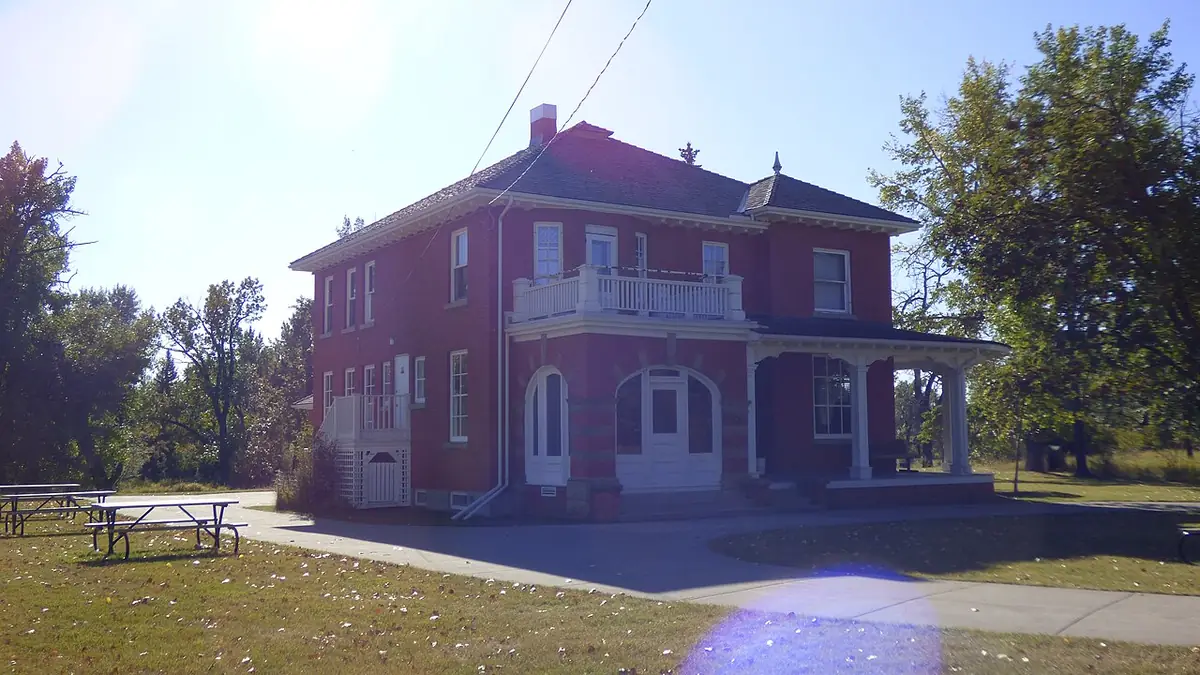
Heritage homes like this anchor Inglewood, one of Calgary's older residential pockets — Photo: James Mott · CC BY-SA 4.0 · Wikimedia Commons
With the administrative ground rules in place, we can turn to the types of neighbourhood that will shape your shortlist.
The Alberta rental market runs on administrative, contractual and personal conventions that often differ noticeably from what newcomers expect. Understanding those structural differences at the start of your search saves misunderstandings with landlords and building managers later. From assembling your application to handling utilities, each step has local specifics worth absorbing quickly.
From abroad
In many countries an application rests on a permanent employment contract, detailed pay slips and a guarantor who signs alongside you.
Calgary
In Calgary, landlords rely mainly on a check of your local credit file and on employment and landlord references.
Arriving without a Canadian credit history, newcomers often have to offer alternatives, such as a larger security deposit or several months of rent paid in advance.
From abroad
In many countries an unfurnished residential lease runs for a minimum of three years.
Calgary
In Calgary, the contractual norm is almost exclusively a renewable one-year lease, which often rolls over month to month.
That apparent flexibility comes with strict notice rules, which frequently require sixty days' notice before the end of the agreed term.
From abroad
In many countries service charges are reconciled once a year against the building's actual invoices.
Calgary
In Calgary, electricity, heating and internet are very often excluded from the advertised headline rent.
You have to budget for these separately and sign up directly with local suppliers, which significantly changes the real monthly cost of the home.
From abroad
In many countries viewings go through agents who are paid by the landlord or whose fees are capped by law.
Calgary
In Calgary, the rental market is largely open and handled by professional property management companies or directly by landlords through dedicated platforms.
Speed matters: good units are taken within a few days, so your criteria need to be settled before you start viewing.
Comparing the main types of residential district for your rental
Looking at the neighbourhoods leads straight into the financial reality of the rents being asked today.
To sharpen your plans, it helps to compare the different urban moods the city offers in a methodical way. Each area strikes its own balance between accessibility, local activity and the kind of housing on offer. Setting them side by side helps you point your search at the neighbourhood profile that matches what you actually want.
The financial core (Downtown and Beltline)
Constant activity set by the working day, glass towers, and an abundance of restaurants and services within walking distance.
Suits
Office professionals and anyone who wants city living without depending on a car.
Trade-off
Smaller living areas, higher rent per square metre, and noticeably less quiet at night on weekends.
The riverside and independent districts (Kensington and Inglewood)
A comfortable mix of preserved architecture, independent shops, and the river parks a few minutes away.
Suits
Couples, creative workers and outdoor types who want a sociable neighbourhood and quick access to green space.
Trade-off
Older housing stock that is sometimes poorly insulated, and fierce competition for the few units that come up to rent.
The established residential areas of the west and northwest
Quiet tree-lined streets, a thoroughly family atmosphere, and neighbourhood shopping centres that are well integrated into the area.
Suits
Families with children and anyone looking for calm, generous space and a secure setting.
Trade-off
A car becomes essential for almost every journey, and the trip into the business district takes longer.
What budget should you plan for to rent an apartment in Calgary?
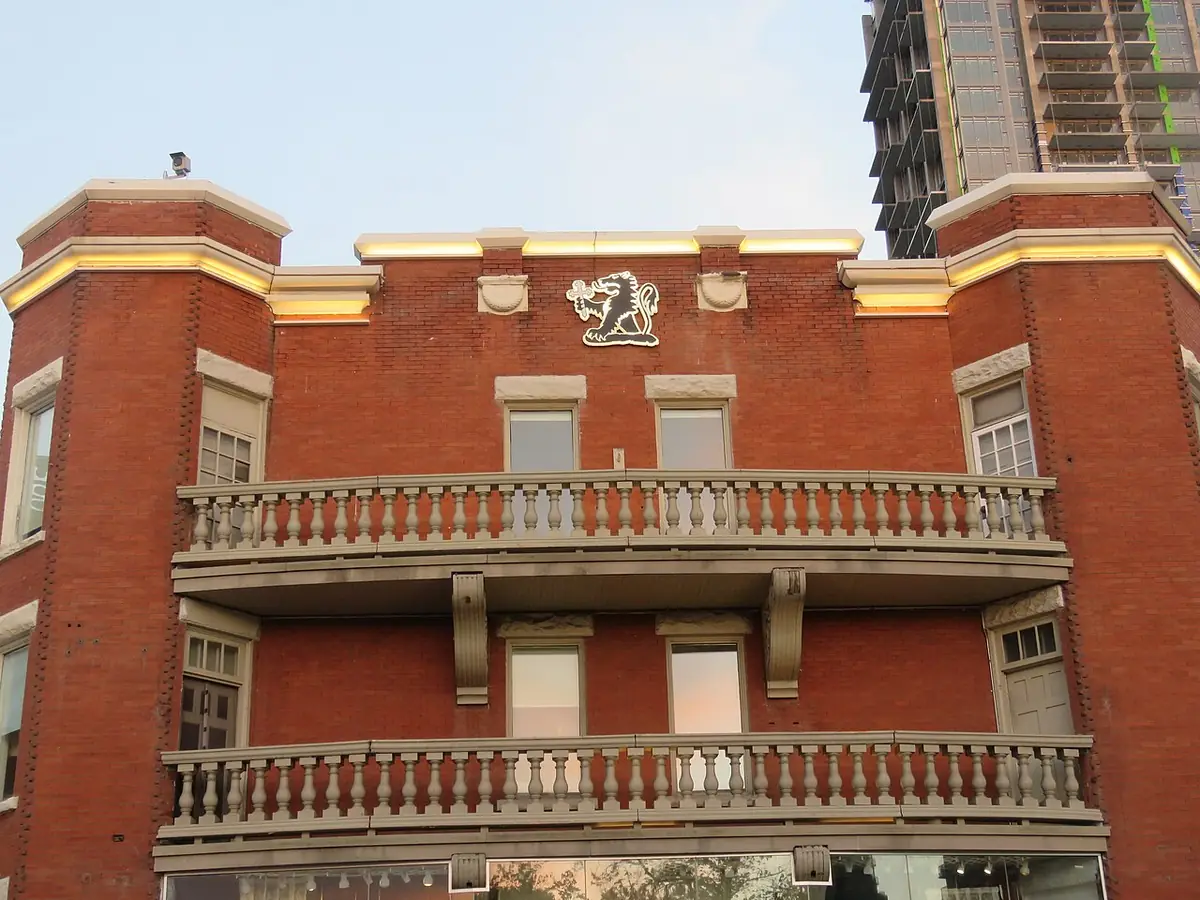
Heritage apartment blocks like the Devenish mix shops and homes downtown — Photo: Benlarhome · CC BY-SA 4.0 · Wikimedia Commons
Beyond the raw figures, it helps to understand exactly what kind of home you are about to move into.
Calgary's rental market shows significant price variation depending on location, the age of the building and what is included. Having a clear view of the budget ranges lets you calibrate your search without wasting time on homes out of reach, or underestimating the costs that sit alongside the rent. The figures below reflect the trends seen on the regular rental market for one-year leases.
calgaryTo rentApartmentestimate
Median price / m²CA$24Half the apartments sell below this
Median priceCA$1.9kthe average is 14% higher — a few very large properties pull it up
Most common2 bedrooms45 % of listings
Average size76 m²
By number of bedrooms
Bedrooms
Share of market
Avg price
Price / m²
Avg size
1
38 %
CA$1.62k
CA$28 +12 %
58 m²
2most common
45 %
CA$2k
CA$25
80 m²
3
14 %
CA$2.44k
CA$23 −8 %
105 m²
4
3 %
CA$2.92k
CA$22best value / m²
130 m²
Each row is an average, compared against the area average of CA$25 / m². These are indicative estimates of a typical local market, not a measured sample of live listings. Check current listings before relying on them.
Renting in a modern condo building or in a townhouse: what is actually available
Once the type of home is settled, the contract stage calls for close attention to how things are done locally.
The rental stock splits mainly between two kinds of building that suit very different ways of living. Choosing between a modern residential tower and a townhouse changes your noise levels, how you use space and your relationship with the neighbours. It is worth weighing these options against your own priorities.
Apartment towers in condo buildings
These high-rise buildings often come with shared facilities that are genuinely useful, such as a gym, a rooftop terrace and a concierge or security desk. Units are efficiently laid out and get plenty of natural light through large windows. In return, you share walls and floors with a good many neighbours, which means living with condo board rules that can be strict about noise and pets. As a tenant you are bound by those rules through your lease, so ask for a copy before you sign.
What it changesExterior upkeep is handled for you and security is better, at the cost of living close to a lot of other people.
Townhouses
Usually with their own front door, several floors and sometimes a small private yard, these homes feel like compact terraced houses. They give a much stronger sense of independence, with generous storage and a layout that suits families or anyone working from home. That said, looking after the private outdoor space may fall to you under the lease, and the location tends to be a little further from the very centre of the city.
What it changesYou gain living space and independence, while accepting a slightly longer trip into the centre.
The rule to understand before you hand over any money for a rental
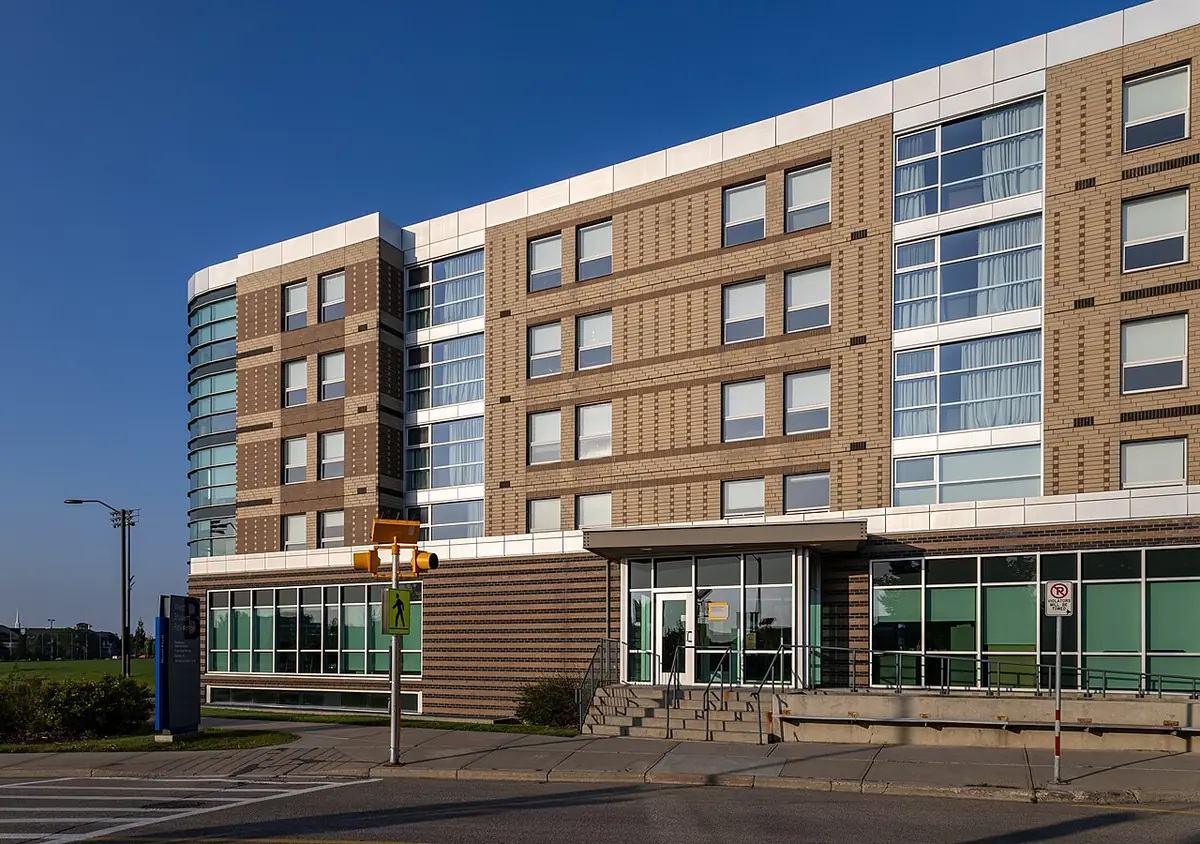
Newer mid-rise blocks like this are common across Calgary's residential streets — Photo: Chris Woodrich · CC BY-SA 4.0 · Wikimedia Commons
With the legal framework understood, it is time to set out the order in which a successful rental actually happens.
Renting in Canada follows a precise legal form that protects landlord and tenant alike, but leaves no room for administrative guesswork. Grasping the order of events and what each financial commitment means will keep you clear of disputes when you move in. Every document you sign is binding the moment it is signed.
The viewing has gone well and you have settled on the home.
Fill in the rental application in full, attaching your employment and financial documents.
Wait for the landlord or the appointed manager to run and approve your credit check.
Read every clause of the standard one-year lease carefully, including the building rules attached to it.
Pay the security deposit (usually one month's rent) and the first month's rent by a secure method.
The lease is formally signed and the keys are handed over on moving day.
How renting in Calgary works, step by step
With all of those steps behind you, you have what you need to settle into a home in Calgary.
Planning each phase of your search makes for a smooth, calm move into your new home. From the first look online through to the move-in inspection, being organised is your best asset when it comes to moving quickly on the most sought-after units.
The prospective tenantSet the budget and the criteria preciselyWork out your total monthly envelope including utilities, and narrow the target neighbourhoods around where you need to be for work.
The prospective tenantAssemble the application in advanceGather your employer letters, proof of income and references from previous landlords so you can apply immediately after a viewing.
The agent or landlordViewings of the shortlisted homesVisit the apartments on your list, paying attention to sound insulation, the condition of the appliances and the parking arrangements.
The property managerReview and approval of the applicationThe landlord checks your ability to pay and your history before issuing a formal written offer to rent.
Both partiesSigning the lease and transferring fundsTerms are confirmed, the one-year lease is signed on paper or electronically, and the security deposit is transferred securely.
The prospective tenantSetting up utilities and insuranceOpen your electricity, gas and internet accounts with local suppliers and take out the tenant insurance your lease requires.
The property manager and the tenantMove-in inspection and handover of keysA careful inspection of the apartment, the condition recorded in writing and backed up with photographs, and then the keys are yours.
Renting an apartment or a single-family house in Calgary
Once you know which type of home suits you, the next thing to look at closely is what the Calgary rental market does to your budget.
For a newcomer, or for a resident changing the shape of their life in Calgary, choosing between an apartment in a condo building and a single-family house will govern the whole of the daily routine and the monthly outgoings. The downtown towers, particularly along 8th Avenue and in Beltline, offer an appealing kind of vertical density. These buildings usually include shared facilities such as a gym, a security desk and direct access to the +15 walkway network, which is worth a great deal during an Alberta winter. In return, the condo board rules impose firm limits on the use of outdoor space, on parking recreational vehicles and on keeping pets, and as a tenant you are held to those rules for the length of your lease.
Renting a house or a townhouse in a residential area such as Edgemont or Arbour Lake redefines your living space completely. You get a private yard, often a double garage, and full independence from your immediate neighbours, which counts for a lot with children or a large dog. That independence carries a direct and non-negotiable running cost, though. A tenant renting a house is frequently responsible under the lease for summer lawn care and, above all, for clearing snow thoroughly from the sidewalk and the driveway from the first storms in October onwards, a weekly job that eats time and needs the right equipment.
In purely financial terms, the costs that sit alongside the rent differ sharply between the two. In a modern apartment the condo fees are generally covered within the rent you pay, but the living area is squeezed hard, with compact kitchens and storage often cut to a minimum. In a single-family house the headline rent can look comparable for the same floor area out in the suburbs, but the energy bill climbs steeply through the heavy heating months from November to March. So it is worth thinking honestly about how much outdoor upkeep you are willing to take on, and how much space you genuinely need, before you sign a lease in this city.
The final choice comes down largely to where you are professionally and personally in this large prairie city. Young professionals and couples without children lean heavily towards the central apartments and the freedom of movement they bring, keeping daily journeys short thanks to the C-Train. Households thinking a few years ahead, and wanting to put down roots in a local community, tend towards the suburban houses served by excellent neighbourhood parks, and accept the upkeep and the longer trips into the business core that come with them.
What total monthly budget do you need to live comfortably in Calgary?
To see how those costs fit together in practice, it helps to follow a typical day in a resident's life.
Working out a rental budget for Calgary cannot stop at the headline rent shown on the listing sites. It has to take in a set of unavoidable running costs that vary with how energy-efficient the building is and with how you live. Movement in the Alberta rental market means keeping a decent financial margin to absorb rises in the cost of basic services and seasonal jumps in bills.
Regular monthly costs for a standard apartment in Calgary
Cost item
Estimated range (CAD)
Comment
Gross monthly rent
$1,600 - $2,400
For a one to two bedroom apartment in a well-connected area.
Electricity and heating
$120 - $250
Closely tied to the severity of the winter and to shifting utility rates.
Broadband internet
$75 - $110
A standard residential plan with one of the main local telecoms providers.
Tenant insurance
$35 - $60
Essential cover, including liability and water damage.
The amounts shown reflect the averages seen on Calgary's regular rental market for homes in normal condition.
Additional budget for transport and everyday food
Category
Average monthly cost
Effect on your budget
Public transport pass (CTrain and bus)
$115
The adult monthly fare giving unlimited use of the public transport network.
Food and household goods
$450 - $700
A shopping basket for a two-person household at the local supermarkets.
Secure parking downtown
$200 - $350
Needed if you work in the commercial core and own a car.
These estimates exclude leisure, eating out and occasional trips outside the province.
What does daily life look like once you are settled in Calgary?
Detailed brick facades like this show the character of Calgary's older apartments — Photo: Benlarhome · CC BY-SA 4.0 · Wikimedia Commons
Behind that appealing daily picture, some realities of the rental market deserve to be spelled out plainly.
The pace of life in Calgary combines the efficiency of a busy North American city with the calm of the wide open country that is never far away. The day is built around infrastructure that works, whether you take public transport or drive, while leaving real room for the outdoors at the end of the afternoon.
07:30An apartment in BeltlineWaking up looking over the city rooftops, making a coffee and checking a local forecast that changes often.
08:30The local C-Train stationA quick, punctual morning run into the business district on a public transport network that is accessible and safe.
09:00The office downtownArriving at work through the heated +15 indoor walkways, avoiding the winter weather entirely.
12:30Prince's Island ParkA restorative lunch break along the Bow River, taking in the green space and the local urban wildlife.
17:30The local grocery store or neighbourhood marketPicking up fresh food for dinner at one of the many shops nearby on the way home.
19:00The riverside paths along the Elbow RiverAn evening run or a brisk walk, making the most of the long summer light.
The parts of the rental market landlords often leave out
Those subtleties can lead to choices people regret, so it is worth looking at the mistakes new tenants commonly make.
Behind the apparent simplicity of an online rental application sit regulatory and climatic realities specific to Calgary. Knowing about them heads off serious financial surprises and helps you secure a lease on the best terms available from the moment you arrive.
The clause passing energy costs to the tenant
Many Alberta leases transfer the volatility of natural gas and electricity rates straight onto the tenant during cold snaps. A heating bill can triple between August and January, weighing heavily on your monthly budget with no real recourse.
Strict pet policies
Calgary presents itself as a pet-friendly city, but a large majority of landlords still state a flat ban on dogs and cats. Getting an exception often means an additional pet deposit or taking out specific insurance cover.
The real state of the ventilation and air conditioning
Alberta summers are getting hotter and drier while the winters stay bitter. Many older apartments built before the 1990s have neither effective double glazing nor built-in air conditioning, which turns the place into an oven during a summer heat peak.
The rigorous winter rules on street parking
During the emergency snow route clearing the City of Calgary declares, parking is banned outright on certain residential streets and vehicles are towed. Having a private or underground parking space becomes essential if you want to avoid the fines.
The classic first-time tenant traps in Calgary, and how to avoid them
Even with those precautions taken, some people should think hard about whether this city fits their plans at all.
Looked likeA bargain: an unusually low rent for a spacious apartment a few minutes from downtown.
Turned outA run-down building with serious insulation problems, noise at night and a management company that did not respond.
Would have caught itAlways viewing at different times of day, asking for recent energy bills, and reading what current residents say about the building before paying anything.
Looked likeA quick verbal agreement with the landlord allowing two large dogs, with nothing put in writing.
Turned outThe lease terminated on the back of neighbour complaints, and the security deposit lost outright over alleged damage.
Would have caught itInsisting that every agreement about pets, alterations or minor repairs is written into the lease as a signed addendum.
Looked likeSigning a standard lease without checking exactly which utilities were covered by the monthly payment.
Turned outAn enormous gas and electricity bill in the first month of winter, wrecking the household's ability to save for the year.
Would have caught itAsking the supplier or the landlord for the detailed energy bills for the previous twelve months before committing.
Looked likeSkipping a thorough joint move-in inspection at handover because the apartment looked clean.
Turned outA large part of the security deposit withheld unfairly at move-out for pre-existing faults that were never recorded.
Would have caught itPhotographing every corner of the home, writing down the smallest defect, and signing the official inspection report jointly on day one.
The kinds of tenant who should think twice about Calgary
With those trade-offs on the table, it is time to pull the whole approach together.
The Calgary rental market and the life that goes with it do not suit every plan. Some professional, climatic or cultural requirements make the city a poor fit for particular people, who would do better in another Canadian city.
Professionals who refuse to depend on a car every day
→To drop any idea of renting in the outer, low-density suburbs of the city.
The public transport network, effective as it is along the main C-Train corridors, has real limits for cross-suburb journeys, which makes owning a car close to compulsory if you want an active social life.
People determined to avoid harsh winters
→To look instead at milder coastal options such as Vancouver or Victoria for their move to Canada.
Calgary regularly goes through spells of severe cold, and while the Chinook episodes bring welcome relief, they also cause abrupt temperature swings that some people find hard to handle.
Anyone whose life revolves around a dense late-night cultural scene
→To look at bigger cities such as Toronto or Montreal for their rental plans.
For all its economic vitality, Calgary keeps a broadly more family-oriented pace built around the outdoors, sport and nature, with a smaller late-night entertainment offer.
Pulling it together and making the final call on renting in Calgary
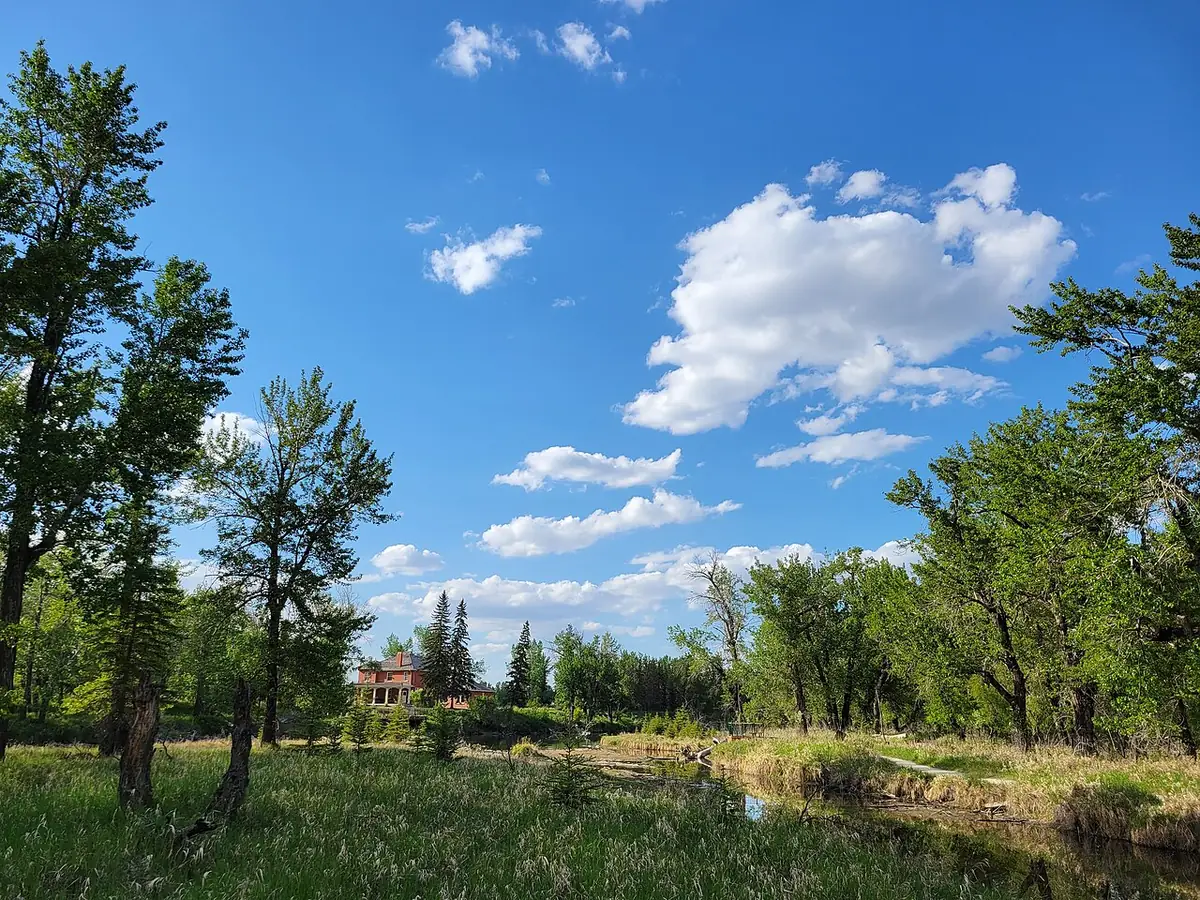
Green spaces like Inglewood Bird Sanctuary offer an easy escape close to home — Photo: Grungaloo · CC BY-SA 4.0 · Wikimedia Commons
Committing to a rental in Calgary is a significant step, and it calls for a clear view of your financial priorities and of how you want to live. Between the energy of its economy and the Rockies on the doorstep, the city offers an exceptional setting, provided you accept what its climate and its geography demand. Your decision should rest on an honest assessment of your total budget, including the seasonal swings in utility costs and the upkeep your chosen home will require of you under the lease.
Take the time to weigh everything covered in this guide, from the type of home you are after through to the fine detail of an Alberta lease. If you value professional stability, a safe city and unmatched access to wild country while keeping your everyday spending under control, Calgary will answer very well. Prepare your application carefully, plan for the parking and the weather, and you will move into your new home with your eyes open.
Related questions
What documents do you need to rent an apartment in Calgary?
Landlords generally ask for official photo identification, recent proof of income such as pay slips or an employment contract, references from previous landlords, and a credit check to confirm that you are a reliable payer.
How large a security deposit can a landlord ask for in Alberta?
Alberta legislation says the security deposit cannot legally exceed the equivalent of one full month's rent. That money is held in a secure trust account for the whole of your tenancy.
Can you negotiate the advertised rent in Calgary?
How much room you have depends directly on the state of the rental market when you are searching. In the busy seasonal peaks negotiation is hard going, while units sitting vacant in winter sometimes leave a landlord more flexible.
Are water and heating included in the rent?
It varies a great deal from lease to lease. In apartment buildings water and heating are often bundled into a single monthly charge, whereas in single-family houses the utilities usually fall to the tenant.
How does public transport work in Calgary?
The network is run by Calgary Transit and combines bus routes with the C-Train, a very effective light rail system that is free to use downtown along the designated stretch of 7th Avenue.
Which districts are most popular with young professionals?
Beltline, Downtown, and the lively neighbourhoods of Kensington and Inglewood are particularly sought after for how close they sit to the main employment areas and to shops and restaurants.
Do you have to take out home insurance in order to rent?
The law does not impose it universally in every case, but the large majority of landlords now want proof of tenant insurance including liability cover before they hand over the keys.
How long is a standard lease in Alberta?
The standard residential tenancy agreement is a fixed term of one full year, which rolls over into a month-to-month tenancy at the end if no formal renewal is signed.
How do the move-in and move-out inspections work?
They must be carried out by landlord and tenant together, both when you move in and when you hand back the keys, recording the exact condition of every room in writing and in photographs.
What can a tenant do about a dispute with a landlord in Calgary?
Tenants can turn to the Residential Tenancy Dispute Resolution Service (RTDRS), a specialised provincial body offering a quicker and even-handed alternative to going through the courts.
Property review of ting
No ting properties in Calgary yet
Be the first — share it on ting and it shows up right here.