Finding and renting a detached house in Melbourne takes a close understanding of the local market, of how agencies pick their tenants and of the geography of Victoria's capital. This guide sets out the essential steps, the real costs and the local customs so you can secure your move with complete peace of mind.
Get the app
What nobody tells you.
Real prices, hidden costs and the traps to check before you commit.
What renting a house in Melbourne means day to day for your budget and your comfort
Scroll
What renting a house in Melbourne means day to day for your budget and your comfort
Finding and renting a detached house in Melbourne takes a close understanding of the local market, of how agencies pick their tenants and of the geography of Victoria's capital. This guide sets out the essential steps, the real costs and the local customs so you can secure your move with complete peace of mind.
Written by the ting.ad editorial team ·
Melbourne in Street View: drag to look around.
Moving from theory to practice means checking whether this way of living really fits your personal situation and your work plans in the area.
Renting a detached house in Melbourne gives you living space and privacy that are rare in Australia's big cities. Unlike apartments in the central neighbourhoods, houses often come with a private garden, a lock-up garage and generous floor space. That extra space, however, brings heavier upkeep and energy bills that are often higher because insulation in older homes is patchy. So you have to weigh the freedom of a suburban lifestyle against the practical and financial load of running a standalone home in Victoria's capital.
Space and independence at homevsUpkeep and running costs
Having a garden and separate living areas changes daily life completely compared with an apartment. In return, mowing the lawn, cleaning the gutters and general maintenance usually fall to the tenant under local residential leases.
Close to parks and schoolsvsFurther from the main transport routes
Houses are generally in quiet, leafy areas that suit families well. That does mean relying more on a car for everyday journeys or to reach the tram and train networks.
Freedom to arrange the interiorvsStrict limits set by the landlord
Although you can make the place your own, structural changes or installing certain fittings always require written consent from the landlord or the property management agency.
Genuine neighbourhood lifevsUneven sound and thermal insulation
Residential neighbourhoods have a much sought-after village feel, but many Victorian or Edwardian houses keep charming architectural features that use a lot of energy during Melbourne's cool winters.
Does this place suit your lifestyle and your work requirements in Melbourne?
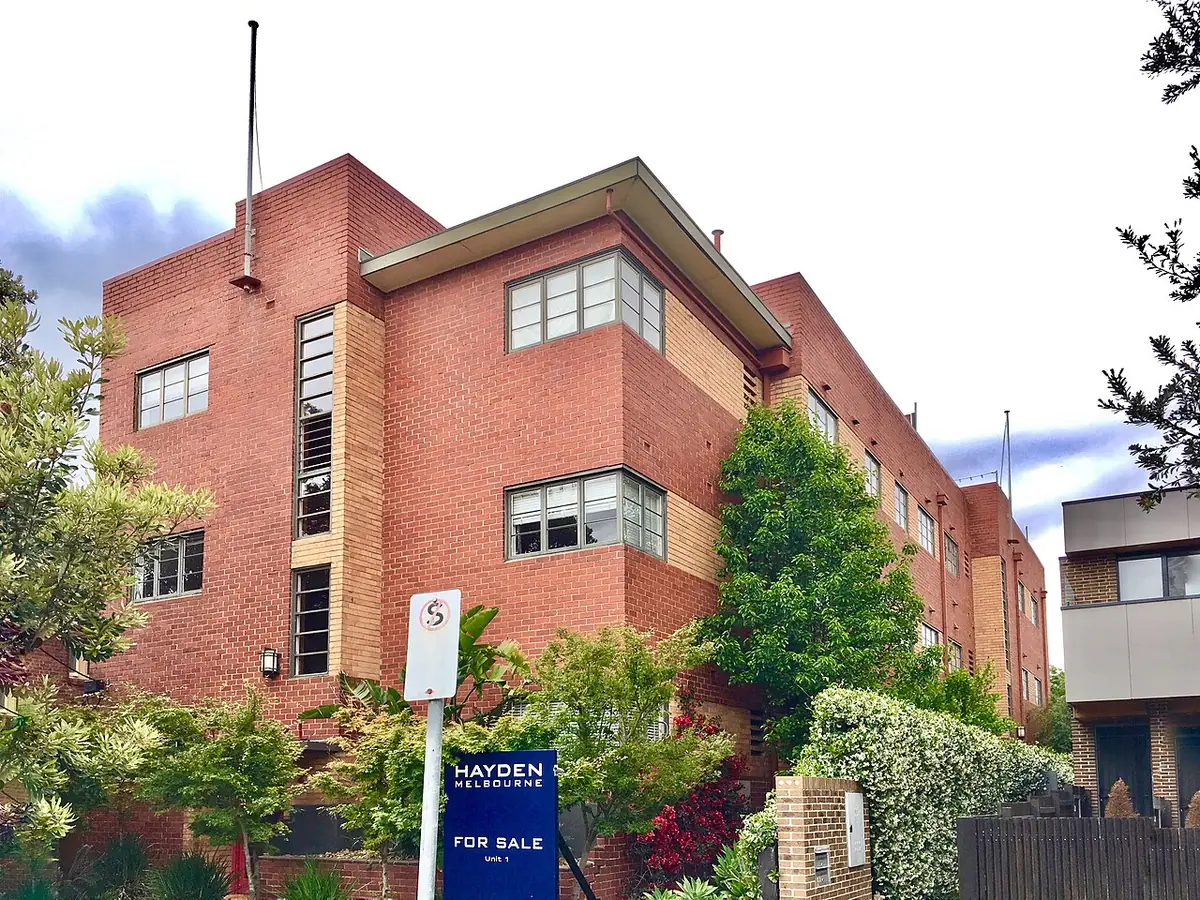
A red-brick apartment block in St Kilda West — Photo: Rohanstorey · CC BY-SA 4.0 · Wikimedia Commons
These personal trade-offs take on particular weight when you compare the administrative and cultural reference points you are leaving behind with the reality here.
Melbourne's rental market looks very different depending on whether you work in the heart of the Central Business District or work remotely from the suburbs. Choosing a house is not just about the number of bedrooms, but about how well your commute, your habits and the layout of each neighbourhood fit together.
Office-based employee in the city centre
Living in a detached house often means accepting longer journeys if you want plenty of space at a reasonable price. Train and tram links work well, but the distance grows quickly once you leave the inner ring. Work out exactly what this daily commute will cost you in fatigue and in transport spending before you sign a long-term lease.
Remote-working professional
A detached house really comes into its own if you need a separate office, a quiet space and a stable internet connection while enjoying green surroundings. Having a room dedicated to work makes a big difference to your productivity and your personal balance. The middle-ring suburbs offer that balance without cutting you off from the city's cultural life.
Family with children
The school system and nearby parks play a major part in choosing where to live. Houses have safe outdoor play space and sit in residential areas with family-friendly amenities. You do need to check, though, that the street falls within the catchment zone of the area's well-regarded schools.
Keen on the cultural scene
If you are a regular at restaurants, theatres and independent cafés, renting a large house far from the centre can quickly leave you feeling isolated. Spacious properties are more often found in the outer residential areas, while the inner city and its immediate surroundings are clearly weighted towards apartments and compact townhouses.
Living here when you come from abroad: what changes fundamentally in the way renting works
Once these rules are understood, the crucial question of which neighbourhood to choose shapes how well you settle into the city.
The approach to renting in Australia is very different from what many newcomers know back home. From how applicants are selected at group viewings to the way properties are inspected, the system rests on very strict standardised procedures that can surprise someone used to other legal and personal reference points.
From abroad
A standard rental application and a deposit held by a third party
Melbourne
A highly detailed online application and the bond paid into a dedicated government account
Back home, personal guarantees and payslips are often enough. In Melbourne, agencies ask for a verifiable rental history, professional references and for the bond to be lodged with an official state body, the Residential Tenancies Bond Authority.
From abroad
Move-out inspections that are sometimes informal
Melbourne
A meticulous photographic report and routine inspections every six months
You need to be extremely careful when you move in. The initial condition report is documented with dozens of photos. After that, the agency comes to inspect the property twice a year to make sure it is being properly looked after.
From abroad
Strict rent controls and rules on increases
Melbourne
Rents set by market supply, with annual reviews governed by state law
Landlords have more flexibility to adjust rents to current economic conditions, although leases set out exactly how often and on what terms those reviews can happen.
From abroad
Routine repairs handled by landlord or tenant depending on case law
Melbourne
A very clear line between urgent repairs and garden upkeep
Looking after outdoor areas, any pool or the central heating system is very clearly the tenant's job under the terms of the lease, and failing to do so can lead to deductions from the bond.
Which neighbourhood should you target to settle in, given your budget and what you want?
This choice of location directly shapes the cost structure and the rent ranges you will find on the market.
Melbourne spreads over a vast area made up of a patchwork of neighbourhoods with very distinct identities. Between the creative buzz of the inner north and the residential calm of the leafy eastern suburbs, each area offers its own balance of commute time, housing type and neighbourhood energy.
The inner northern suburbs (Fitzroy, Brunswick)
A bohemian, trendy and very lively atmosphere, set to the rhythm of specialty cafés, art galleries and a strong creative community.
Suits
Couples without children, freelancers and anyone looking for a walkable, cultural neighbourhood life.
Trade-off
The houses on offer are often old and modest in size, and rents reach very high levels because rental demand is extremely strong.
The residential eastern suburbs (Kew, Hawthorn)
Complete calm, streets lined with mature trees, beautiful parks and remarkable Victorian or Edwardian architecture.
Suits
Families who want to be close to well-regarded schools in a green and safe setting.
Trade-off
A much higher overall budget and a greater reliance on main roads or tram lines to get to the centre.
The bayside and southern belt (St Kilda, Elwood)
A permanent holiday feel thanks to being right by the sea, the beaches and wide coastal walking paths.
Suits
Lovers of the outdoors, running and water sports who want to combine city life with a view of the sea.
Trade-off
More damp in winter, heavy tourist crowds in summer and properties that can suffer wear from the salt air.
The developing western areas (Footscray, Yarraville)
A vibrant multicultural energy, well-known fresh produce markets and a food scene on the rise.
Suits
Tenants looking for more space for their money without moving too far from the edge of the city centre.
Trade-off
Some pockets are still going through industrial change and see heavy through traffic at rush hour.
How much does renting a house in metropolitan Melbourne really cost?
Beyond the raw figures, the nature of leases and the terms of temporary occupancy deserve very close attention.
The Australian rental market works on weekly payments, unlike the monthly cycle used in many other countries. Amounts vary considerably with distance from the Central Business District, the size of the plot and the number of bedrooms. It is essential to build these figures into your initial financial plan.
MelbourneTo rentHouseestimate
Median price / m²A$23Half the apartments sell below this
Median priceA$4.3kthe average is 14% higher — a few very large properties pull it up
Most common2 bedrooms46 % of listings
Average size175 m²
By number of bedrooms
Bedrooms
Share of market
Avg price
Price / m²
Avg size
2most common
46 %
A$3.44k
A$25
140 m²
3
36 %
A$4.7k
A$23best value / m²
201 m²
4
18 %
A$6.53k
A$23best value / m²
289 m²
Each row is an average, compared against the area average of A$25 / m². These are indicative estimates of a typical local market, not a measured sample of live listings. Check current listings before relying on them.
What you can actually sign: the nature of leases and the guarantees required
The Melbourne skyline seen across the bay from St Kilda — Photo: Sourabh.biswas003 · CC BY-SA 4.0 · Wikimedia Commons
Signing the lease and collecting the keys follow a precise sequence that you need to master to avoid having your application turned down.
The Australian rental system protects both landlords and tenants through extremely rigorous standard contracts. Understanding the finer points of these commitments will spare you major administrative headaches when you settle in Victoria's capital.
The standard lease (Residential Tenancy Agreement)
In Victoria, the law requires a standard form agreement that sets out precisely the rights and duties of each party. Unfair terms are strictly prohibited by law, which brings welcome transparency on the grounds for ending the lease and the conditions for reviewing the rent. Both sides must respect notice periods to the letter.
What it changesYou benefit from a stable and predictable legal framework, as long as you read carefully every additional clause the real estate agency adds.
Maintenance obligations and minimum rental standards
Since the rental laws were overhauled, rented homes must meet strict standards on heating, weatherproofing, electrical safety and compliant smoke alarms. If an essential appliance breaks down, the landlord has very short legal deadlines to carry out urgent repairs.
What it changesYou can be sure of moving into a property that meets the standards, while being responsible for reporting any damage straight away to protect your rights.
The golden rule to understand before you submit your rental application
Finally, the transaction follows a well-established sequence of administrative and practical steps that it pays to anticipate.
Melbourne's rental market is highly competitive, especially for well-located detached houses. Securing the property you want is not a matter of luck, but of how methodically you put together and present your application to real estate agencies.
The decision to rent a house in the city starts well before you view the property in person, with careful preparation of your digital documents.
Put together a complete application in advance, with identity documents, certified proof of income and contact details for your previous landlords.
Go to the group viewings (open for inspection) with your application form already filled in on dedicated platforms such as 1Form or Ignite.
Make direct, courteous contact with the agent on site to stand out from the other applicants.
As soon as your application is accepted, check straight away that the proposed lease complies with Victorian state standards.
That way your lease is approved as quickly as possible and you move into your new home with peace of mind.
How a rental goes, from the first viewing to collecting the keys
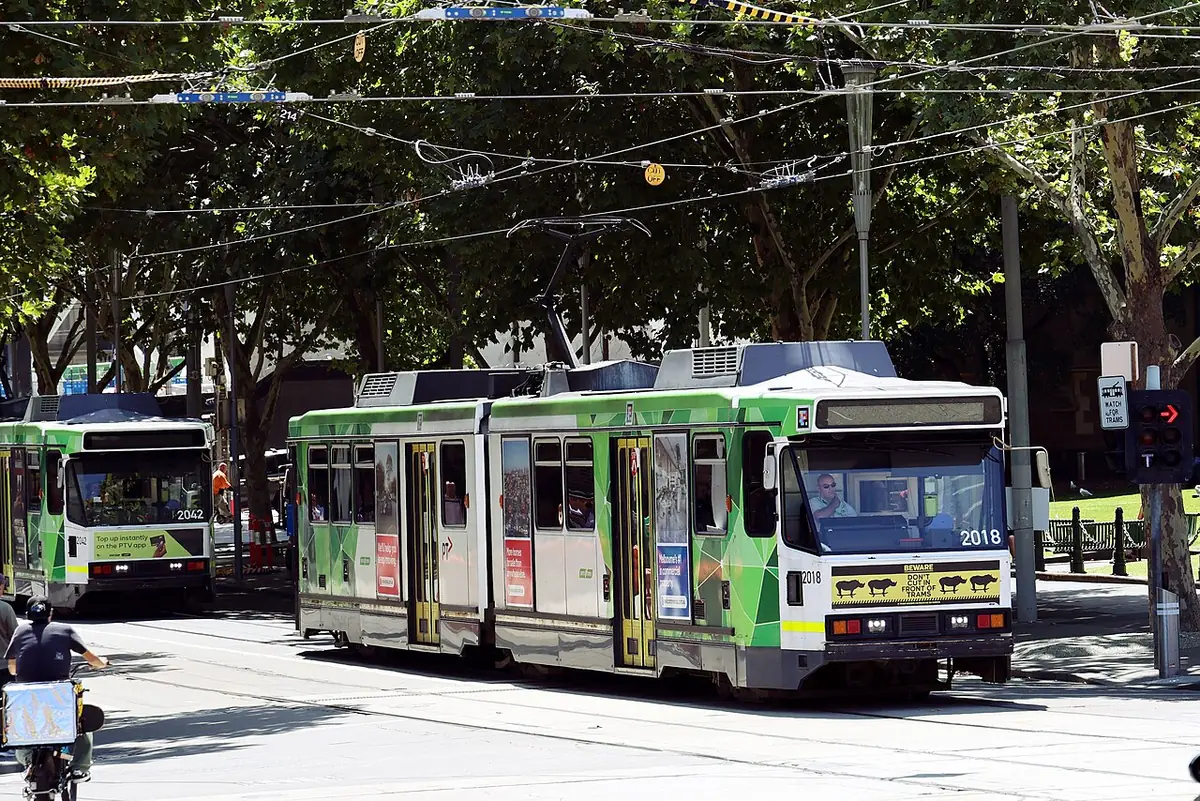
Green trams under the trees on Swanston Street — Photo: Bhullargraphic · CC BY-SA 4.0 · Wikimedia Commons
The rental process follows a strict timetable run by local real estate agencies. Each step calls for quick responses on your part so the various administrative checks required by Australian law can be completed.
The tenantSearching and viewing propertiesBrowsing listings online, shortlisting houses that match your budget and location criteria, then attending the open viewing slots.
The applicantSubmitting the online applicationSending your complete application instantly through approved online platforms, including proof of finances and professional references.
The real estate agencyShortlisting and financial checksChecking rental history, calling previous landlords and passing the list of shortlisted applicants to the property owner.
The landlordApproving the application and agreeing in principleChoosing the final tenant and sending instructions for paying the first rent in advance and the bond.
The tenantPaying the bond and signing the leasePaying the bond into the secure government account and signing the standard rental agreement electronically.
The agency and the tenantEntry condition report and handing over the keysDrawing up the initial inspection report, photographed in fine detail, then collecting the keys to move in.
House or apartment in Melbourne: weighing space against convenience
Once this first choice between house and apartment is made, it becomes essential to look at the financial reality of your rental plans.
Renting a house in Melbourne, particularly in residential neighbourhoods a little further from the centre such as Brunswick, Fitzroy or Kew, means accepting a particular way of life centred on private space, having a garden and taking more responsibility for everyday upkeep. The Victorian or Edwardian houses typical of the city have undeniable architectural character, with their high ceilings and period floorboards, but they often call for extra care over thermal insulation and winter damp.
Choosing an apartment instead, whether in the modern towers of the Central Business District (CBD) or in the art deco blocks of South Yarra, changes daily life completely by removing outdoor maintenance while giving you immediate access to city amenities and the efficient public transport of the tram network.
However, apartment living in Melbourne comes with strata charges that can be high, known as body corporate fees, which you must factor precisely into your monthly budget to avoid unpleasant financial surprises.
The choice between these two types of property therefore comes down to how much daily commuting you can tolerate, how much you need private outdoor space for your children or pets, and whether you can live with the closeness that comes with the city's large high-rise residential complexes.
What budget do you really need to rent a house or an apartment in Melbourne?
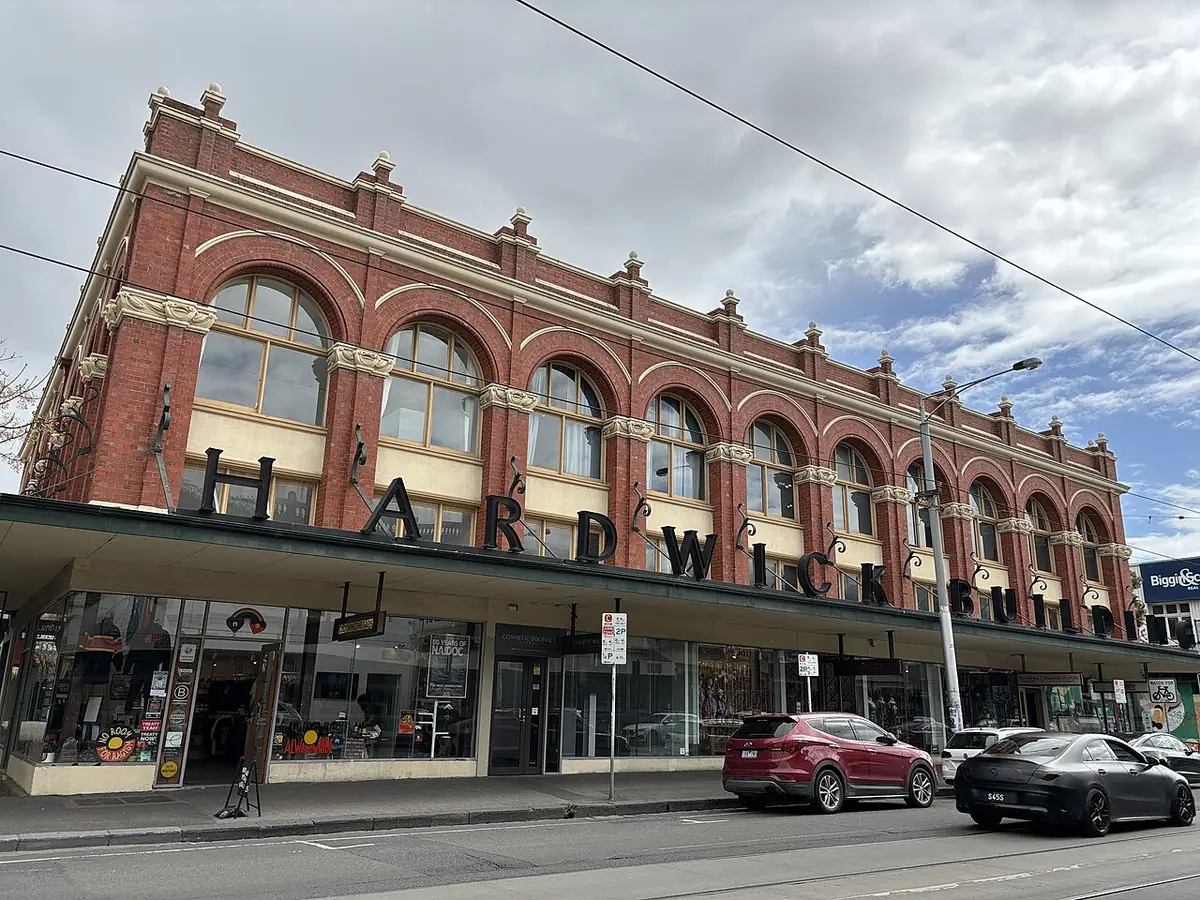
The red-brick Hardwick Building and its shopfronts in Brunswick — Photo: Nick-D · CC BY-SA 4.0 · Wikimedia Commons
With those figures in place, let us look at how daily life actually works for a resident settled in the city.
Drawing up a budget for moving to Melbourne means going well beyond the weekly rent shown in listings, which is standard practice in Australia. You need to include all your fixed outgoings, including energy bills, transport passes and the local charges that come with each type of home. The price gap between the city centre and the outer suburbs can completely change your monthly finances.
Estimated average monthly spending for a household in Melbourne
Cost item
Apartment (centre/inner)
House (residential suburbs)
Effect on the budget
Rent converted to monthly
AUD 1,800 to AUD 2,400
AUD 2,200 to AUD 3,200
The main cost, linked to how close you are to the tram network.
Energy (electricity/gas)
AUD 150 to AUD 220
AUD 250 to AUD 400
Large seasonal swings due to heating in winter.
Public transport (Myki)
AUD 160 per person
AUD 220 per person
Zone-based fares depending on distance from the CBD.
Internet and phone
AUD 80 to AUD 110
AUD 80 to AUD 110
Standard high-speed fibre connection.
The amounts shown are averages observed on Melbourne's rental market and can vary with the energy efficiency of the building.
Upfront moving-in costs and the bond
Type of cost
Usual legal amount
How it is paid or returned
Rental bond
Equivalent to 4 to 6 weeks' rent
Lodged with the RTBA (Residential Tenancies Bond Authority).
Rent in advance
1 month's rent
Paid when the lease is signed.
Connection and agency fees
Varies by provider
Often small but worth building into your starting cash.
The bond is strictly regulated, with disputes handled by the Victorian Civil and Administrative Tribunal (VCAT).
Health, schools and transport: what does an ordinary Tuesday in Melbourne look like?
Beyond this well-oiled routine, several less visible aspects deserve your full attention before you commit.
To judge whether moving to Melbourne makes sense, it helps to break down an ordinary day. Between morning journeys on the world's largest tram network, access to local schools and nearby health services, every practical detail weighs heavily on newcomers' long-term quality of life.
07:30The local caféCoffee culture is an essential institution in Melbourne, and each working day starts with a strong social ritual at the local cafés.
08:15School drop-off and commuteA walk to the zoned public school, or straight onto the tram to reach the central business district and avoid the traffic jams.
09:00Arriving at the office or coworking spaceQuickly logging on and settling in at workplaces in the CBD or in outlying tech hubs such as Richmond and Cremorne.
12:30Lunch break in the lanewaysMaking use of the centre's many pedestrian lanes to grab lunch and enjoy the city's extremely varied food scene.
17:30Grocery shopping and health servicesA stop at local supermarkets or historic markets such as Queen Victoria Market for fresh produce, and a visit to a nearby doctor if needed.
19:00Home and unwindingEnjoying the calm of the leafy residential streets or the buzz of the outdoor terraces, depending on the type of home you chose.
What real estate agents and listings will never tell you about Melbourne
With these grey areas cleared up, let us look at the most common mistakes newcomers make in their first months.
Behind Melbourne's appealing postcard image lie technical and regulatory realities that listings carefully leave out. Understanding these local subtleties will help you avoid major disappointments linked to the weather, the age of some of the housing stock and the particularities of Victorian rental law.
The lack of effective thermal insulation
Many older homes badly lack double glazing and wall insulation, which makes winters particularly chilly indoors and drives electric heating bills up accordingly.
Competitive bidding between applications
The tight rental market sometimes pushes applicants to offer more or to put up with very crowded group viewings, turning the search for a home into a genuinely competitive obstacle course.
Strict garden maintenance rules
When you rent a house with land, the lease usually sets very specific obligations for trimming hedges and weeding, and failing to meet them can affect the return of your bond.
The complexity of residential parking
Owning a car in some inner municipalities means getting paid parking permits from the council, as free spaces are extremely rare and tightly regulated.
The misjudgements you only discover after six months
It is just as important to know when to hold back if your personal profile does not match the realities of this city.
Looked likeChoosing a home a long way out to save on the initial rent.
Turned outThe combined cost of public transport and the time lost commuting every day proves far more damaging to morale and budget than expected.
Would have caught itWork out precisely the total time and money cost of your journeys before signing the lease on your future house.
Looked likeOverlooking the state of the heating system at a winter viewing.
Turned outEnding up with faulty heaters, or ones that are far too expensive to run from June to August, turns your home into a freezer.
Would have caught itAlways test the heating and cooling equipment and ask the agency about the building's real energy performance.
Looked likeSigning a lease without checking the early termination clauses.
Turned outBeing stuck in a home that no longer suits you after a change at work or in your personal life, with heavy financial penalties attached.
Would have caught itNegotiate, or read carefully, the conditions for breaking the lease set by Victorian state law.
Looked likeUnderestimating how much neighbourhood noise matters.
Turned outPutting up with traffic noise from major roads or constant construction of residential towers right next door.
Would have caught itVisit the neighbourhood at different times of the week, especially at rush hour and at the weekend.
Unusual profiles: who should think seriously before settling in Melbourne?
Now is the time to take stock and make your final decision with full knowledge of the facts.
Settling long term in Melbourne does not suit every lifestyle or every career ambition. Some profiles risk running up quickly against the economic and cultural particularities of Australia's cultural capital, and losing their initial outlay for nothing.
People who want to avoid any kind of changeable weather
→To put off their move or to choose a region with a consistently tropical climate.
Melbourne is famous for its changeable weather and its ability to pack four seasons into a single day, which can unsettle the most sensitive.
Very tight budgets with no safety savings at all
→To shore up their finances first before taking on an extremely competitive rental market.
The bond requirements and the high cost of living call for a solid financial cushion so you do not go under in the first few weeks if something unexpected happens.
Committed drivers who will not compromise on the car
→To look instead at American cities or areas with less dense public transport.
Melbourne's urban policy strongly favours active travel, pedestrians and trams, making everyday use of a private car a hassle in the central areas.
Taking stock of your property plans in Melbourne: are you ready to take the plunge?
Committing to a property move in Melbourne, whether renting a family house with a garden in the suburbs or settling into a bright apartment in the heart of the city, takes method, clear thinking and careful financial preparation. The city offers an exceptional setting, recognised many times over for its quality of life, its thriving cultural scene and the richness of its green spaces.
However, this southern Australian promised land demands real compromises. Accepting Victoria's particular climate, working within the strict rules of the local rental market and anticipating the real costs of energy and transport are essential prerequisites if the adventure is to turn into a lasting and fulfilling success.
Take the time to weigh every factor covered in this guide, visit your target neighbourhoods several times and make sure your budget includes all the hidden lines of everyday spending. If all these conditions are met, you now have the keys to settling successfully in Melbourne with complete peace of mind.
Related questions
What is the average weekly rent for a house in Melbourne?
Average weekly rent for a house in Melbourne's residential areas generally runs between AUD 450 and AUD 700, depending on the distance from the city centre and the number of bedrooms. Multiply that figure by four to get the rough monthly equivalent used on local leases.
How does the rental bond work in Australia?
By law, the bond is capped at four to six weeks' rent for standard properties. The tenant pays it directly to an independent government body, the Residential Tenancies Bond Authority (RTBA), which guarantees it is safely returned at the end of the lease once the exit condition report is done.
Do you need a car to live in Melbourne?
You do not need a car at all if you live in the centre or along the tram and suburban train lines. The Metlink public transport network is very dense and covers the whole metropolitan area effectively, which greatly reduces the need for a car.
Which neighbourhoods are most popular with families in Melbourne?
Residential suburbs such as Kew, Hawthorn, Camberwell and Brighton are especially sought after for the quality of their schools and their green spaces. Rents and property prices there are, however, well above the metropolitan average.
How do viewings and tenant selection work for a rental?
Viewings usually take place in group time slots known as inspections. Applicants then submit a complete online application with proof of income, references from previous landlords and identity documents through dedicated platforms such as 1Form or Ignite.
What are Melbourne's seasons like and how do they affect housing?
Melbourne has cool, damp winters from June to August, when temperatures regularly drop below 10 degrees, which makes insulation and heating a priority. Summers, for their part, can bring spells of intense dry heat that call for working air conditioning.
What are body corporate fees in apartments?
These are the strata charges paid by owners, or passed on depending on the lease, to maintain the common areas, lifts, pools and security of apartment buildings. They can add up to a significant monthly sum that you need to plan for.
What are the options for eating well on a budget?
The city has several well-known historic markets, notably Queen Victoria Market and Prahran Market, where you can buy high-quality fresh local produce at prices that are often more competitive than the big supermarket chains.
How are energy bills handled in Australian rentals?
Electricity, gas and water bills are generally paid by the tenant alone. You need to open or transfer the accounts with local suppliers as soon as you move in, and prices can vary noticeably from one provider to another.
What can a tenant do in a dispute with their landlord?
If a disagreement over repairs or the return of the bond drags on, tenants can take it to the Victorian Civil and Administrative Tribunal (VCAT), an official body that settles rental disputes fairly and within the framework of the law.