Renting an apartment in Vancouver calls for a clear view of local realities, well away from the received wisdom about the North American market. This guide works through the financial, legal and practical mechanics you need in order to settle successfully into this city between the sea and the mountains.
Get the app
What nobody tells you.
Real prices, hidden costs and the traps to check before you commit.
What you actually get when you rent an apartment in Vancouver
Scroll
What you actually get when you rent an apartment in Vancouver
Renting an apartment in Vancouver calls for a clear view of local realities, well away from the received wisdom about the North American market. This guide works through the financial, legal and practical mechanics you need in order to settle successfully into this city between the sea and the mountains.
Written by the ting.ad editorial team ·
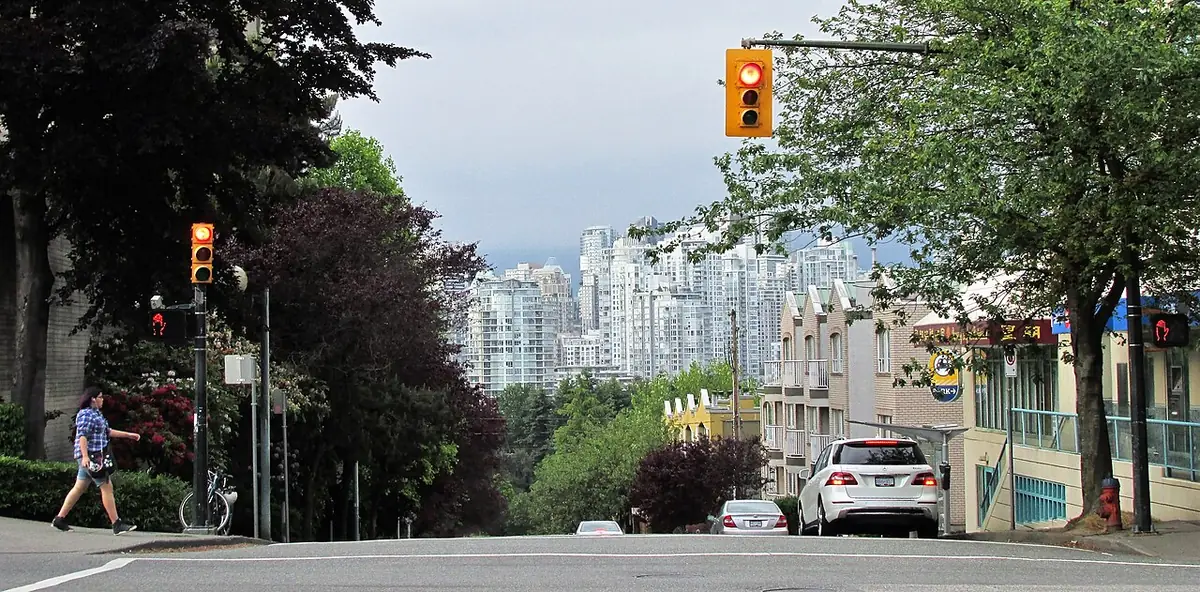
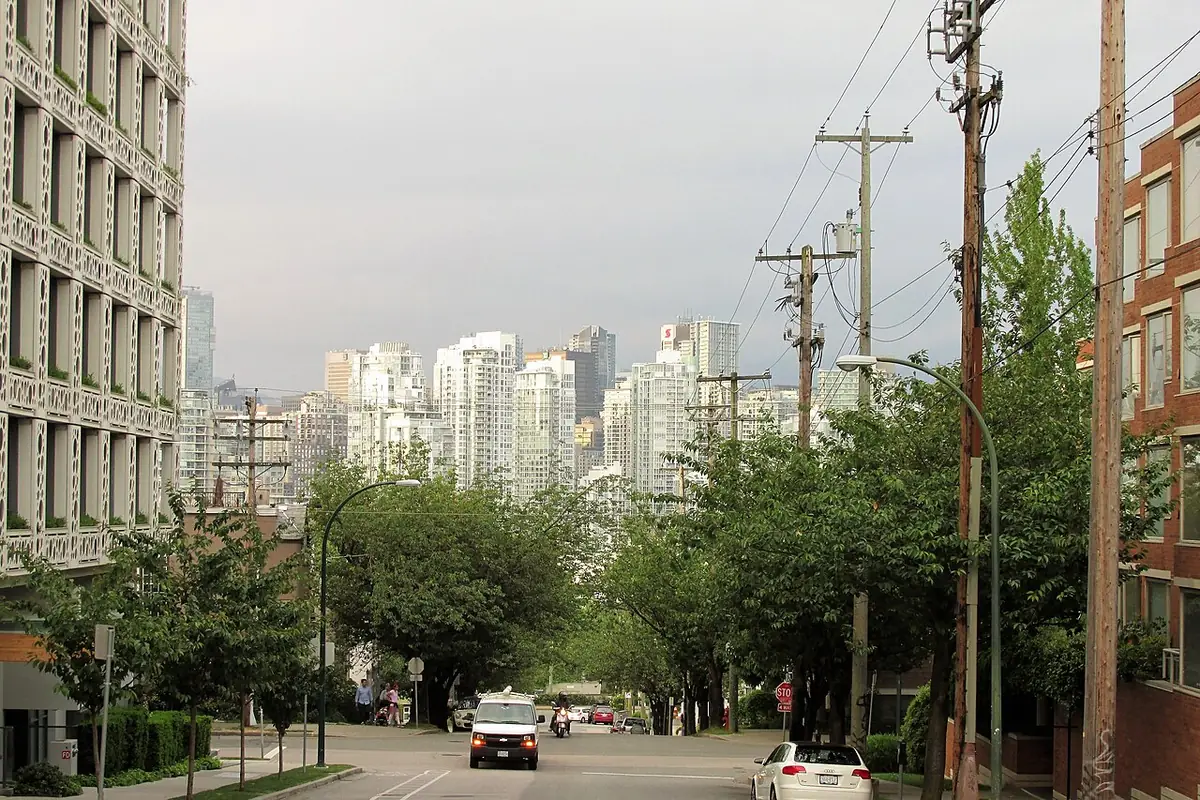
Laurel Street, Vancouver in Street View: drag to look around.
Understanding these basic trade-offs leads naturally to the question of whether your own profile fits this kind of urban life.
Renting in Vancouver is not simply a matter of securing a roof beside the Pacific. It is a demanding choice that sets ambitions of urban comfort against a particularly tight financial reality. Between the promise of a globally recognised quality of life and the harshness of the local housing market, the trade-offs have to be measured with surgical precision. Tenants discover quickly that every square metre is paid for dearly, not only in dollars but in concessions on living space. Working out what you really get in return for signing a tenancy agreement here is what prevents disappointment once the keys are in your hand. You have to accept that compact homes do not mean precarious ones, but rather a radical redefinition of what living space is for.
Less floor area than the standards you may be used to elsewherevsImmediate access to an exceptional natural setting between sea and mountains
Apartments offered at rents within reach are generally compact. That tightness is offset by being minutes from the parks, the beaches and the ski slopes, which shift a good deal of your living space outside the front door.
High building charges reflected in the rents asked for modern towersvsPremium facilities including a concierge, a pool and a gym
Recent buildings in Downtown or Yaletown carry substantial monthly running costs for maintaining their infrastructure. Those fixed costs, folded into what you pay, do buy a genuinely useful level of day to day comfort and security.
A market whose supply is at times constrained by regulation and taxationvsRental demand that has historically held up through economic downturns
Empty homes taxes and the rules governing foreign buyers frame transactions tightly. Even so, the scarcity of land between the ocean and the mountains keeps long term rental demand structurally ahead of supply.
A dense and at times noisy urban rhythm along the central corridorsvsExceptional ease of movement thanks to a multimodal transport network
Living in the busiest neighbourhoods means tolerating constant activity. In exchange, the SkyTrain network and the cycle lanes let you drop the car entirely for everyday journeys.
Does this place genuinely match your way of life and your daily expectations?
These local habits contrast sharply with those of many arrivals, especially renters coming from abroad.
The romantic pull of Canadian landscapes sometimes hides the reality of a demanding daily routine. Vancouver imposes a pace, a climate and a set of social dynamics that do not suit every kind of tenant. Between outdoor enthusiasts, who will find an earthly paradise here, and city dwellers hunting for late night cultural buzz, who risk finding the place too quiet, the gap is wide. Every personal situation calls for a clear eyed look at your own priorities before you commit to a twelve month tenancy agreement at these rents. Newcomers and long standing locals alike have to weigh their habits against the specific constraints and opportunities of this British Columbian city.
Geographic freedom and fast connectivity
For professionals working remotely, Vancouver offers a stimulating setting where nature feeds creativity. The time difference with Europe does demand disciplined organisation if you are to keep collaborations going. Neighbourhoods such as Mount Pleasant or False Creek hold plenty of coworking spaces and cafes suited to this hybrid way of working, and both have a deep pool of one bedroom rentals. In return, the day to day cost of living requires an income aligned with North American norms if your purchasing power is to hold up.
The city's digital infrastructure is faultless, guaranteeing the very fast connections that remote work depends on. The isolation that can come with working from home, however, may be sharpened by a certain local reserve, so joining a club or a sports group is worth real effort.
Close to work, close to everything
Renting in the core or in Yaletown reduces commuting to its simplest possible form. Working tenants get the full benefit of the density of restaurants, shops and cultural events that make the city tick. That choice means accepting tighter floor areas and, very often, the absence of any large private outdoor space beyond a compact balcony.
The financial trade-off is the crux of it: every square metre you gain in proximity translates into a vertiginous monthly rent. So you are arbitrating between the size of the home and the freedom to do everything on foot or by transit.
Residential calm and parks on every side
Parents generally favour quieter outlying neighbourhoods such as Kerrisdale or Kitsilano, where well regarded schools and the parks along the ocean make for a reassuring backdrop to a childhood. Life revolves around outdoor activity, sport and a neighbourhood often organised into supportive communities.
This family haven is paid for through a relative distance from the business districts and through rents per square metre that stay very firm even outside Downtown. Managing the logistics of school and after school journeys takes careful planning, and usually a car in daily use.
Security of tenure and regulated rent increases
Renting an apartment in this city can be a long game rather than a stopgap. Once you are in place, the annual allowable rent increase set by the province caps what your landlord can add each year, which makes a long tenancy considerably cheaper than a series of short ones.
Against that, long term rental demand remains structurally ahead of supply because of the constant arrival of new residents and international students. Staying put is the tenant's version of a conservative investment: it bets on the scarcity of land on the peninsula working in your favour rather than against you.
Living here when you have arrived from abroad: what really changes day to day
Once these cultural bearings are in place, the choice of neighbourhood becomes the single most consequential decision of your search.
The move from another country's way of life to the daily reality of Vancouver holds plenty of surprises, practical as much as cultural. Far from being a simple transposition of one continent onto another, Vancouver has its own codes, its own relationship with time and its own administrative demands. Familiar reference points fall away quickly in the face of a young built environment, professional and personal relationships founded on pragmatism, and a generally higher cost of living. Grasping these structural differences before you take the step avoids the trap of sterile comparison and makes settling into the local fabric far smoother.
A rental market governed by specific provincial regulation (the Residential Tenancy Act)
The rules on ending a tenancy, the rent increases capped by law and landlords' expectations around financial guarantees all call for quick adaptation if disputes are to be avoided.
From abroad
Centralised public health services, free from the moment you arrive
Vancouver
The British Columbia health system (MSP), with waiting times before you find a family doctor
Getting on to a regular doctor's list can take time. Walk-in clinics or telemedicine services often bridge the gap while you look for a permanent practitioner.
From abroad
Long meals at the table treated as the centre of the day
Vancouver
An extremely cosmopolitan food culture, quick, and oriented towards wellness and organic produce
The restaurant scene reflects the city's Asian and North American diversity. Shopping habits shift towards well known organic markets and inventive fusion cooking, with far less of the traditional bistro.
From abroad
The weight given to formal qualifications and an academic CV
Vancouver
A culture of networks, local experience and soft skills as the route into work
Local recruiters place decisive value on Canadian references and on the ability to work in a team, which sometimes means rethinking your career strategy from scratch.
From abroad
A dense, historic, pedestrian urban fabric
Vancouver
Modern, gridded planning designed for bikes, pedestrians and vehicles to share the space
Distances are measured in multimodal journey time rather than kilometres. Cycling all year round, with the right kit, quickly becomes the norm rather than the exception.
Which Vancouver neighbourhood should you rent in, given your budget and your ambitions?
These neighbourhood dynamics translate into precise financial realities, which are best examined through the market figures.
Vancouver is a mosaic of neighbourhoods with strongly drawn identities, each offering a unique compromise between rent, energy and setting. From the creative churn of Downtown to the residential shoreline of Kitsilano, by way of the fashionable revival of Mount Pleasant, the city's geography dictates your daily life. A successful tenancy rests above all on the fit between the character of the neighbourhood and the phase of life you are in. The gaps in rent per square metre from one area to the next map directly onto demand, proximity to transit and the quality of the schools and leisure facilities available.
Downtown / Yaletown
An intense urban rhythm, set by glass towers, fashionable restaurants and offices within a few minutes' walk.
Suits
Young working tenants, people who want a home that is easy to sublet or hand on, and anyone who wants to do everything on foot.
Trade-off
Tighter floor areas, rents per square metre among the highest in the province and constant activity outside the window.
Kitsilano
A relaxed seaside mood, between sandy beaches, independent shops and a strong yoga contingent.
Suits
Nature lovers, sporty tenants and families after a perfect balance between beach and city.
Trade-off
An older housing stock that often shows its age, and fierce competition for every unit that comes up for rent.
Mount Pleasant
An artistic, inventive spirit rooted in former industrial land turned into lofts, microbreweries and galleries.
Suits
Founders, artists and renters looking for a neighbourhood in full cultural swing.
Trade-off
Rapid gentrification pushing rents up, and a social mix in the middle of a transformation.
West End
A green haven tucked between the towers of the centre and the vast forested expanse of Stanley Park.
Suits
Those who want central city living with immediate access to the largest urban forest in North America.
Trade-off
An ageing building stock, mostly 1970s blocks, where the state of the building and its maintenance record deserve a careful look before you sign.
What does an apartment in Vancouver really cost to rent, area by area?
Beyond the headline figures, the legal nature of what you are actually renting deserves particular attention.
The Vancouver rental market is defined by a demanding price structure, driven by geographic constraints that will not shift. Wedged between the Pacific Ocean and the foothills of the mountains, the city cannot spread indefinitely, and that alone supports rent levels year after year. Local market data shows wide ranges depending on the type of home, the age of the building and its exact location. It is essential to build into your budget not only the headline rent, but also the utilities, the parking and the insurance that come with a monthly tenancy.
vancouverTo rentApartmentestimate
Median price / m²CA$36Half the apartments sell below this
Median priceCA$2.75kthe average is 14% higher — a few very large properties pull it up
Most common2 bedrooms40 % of listings
Average size73 m²
By number of bedrooms
Bedrooms
Share of market
Avg price
Price / m²
Avg size
1
38 %
CA$2.21k
CA$43 +13 %
52 m²
2most common
40 %
CA$2.93k
CA$38
78 m²
3
18 %
CA$3.75k
CA$36best value / m²
105 m²
4
4 %
CA$5.32k
CA$38
140 m²
Each row is an average, compared against the area average of CA$38 / m². These are indicative estimates of a typical local market, not a measured sample of live listings. Check current listings before relying on them.
What you actually hold as a tenant: the legal shape of your occupancy
That same legal rigour runs through the whole rental process, from the first application to the day you hand back the keys.
In North America an apartment building of this kind is held under a form of divided co-ownership known as a strata. That legal framework organises relations between owners with a great deal of rigour and sets strict financial obligations for the long term upkeep of the building. As a tenant you sit inside that structure without being party to it, which means you are bound by rules you did not vote on. British Columbia law requires strata corporations to commission depreciation reports at regular intervals so that major works can be anticipated. Ignoring these mechanics exposes a tenant to disruption, restrictions and building works that no carefully prepared monthly budget can absorb.
The strata regime and the bylaws that come with it
A Vancouver strata is administered by a strata council elected by the owners, applying a set of bylaws that is often very strict. Those rules may prohibit short term furnished letting, restrict pets or govern what you may do to a balcony, and they apply to you as the occupant.
What it changesAsk your landlord for the current bylaws and the rules in force before you sign the tenancy agreement, so that you know exactly which of your habits the building will and will not tolerate.
The contingency reserve fund and the depreciation report
Provincial law requires each building to hold a depreciation report, updated every three years, setting out a thirty year funding plan for major repairs such as the roof, the lifts and the exterior envelope.
What it changesAn underfunded reserve is a serious warning sign for a tenant too, because it foreshadows long, disruptive works, scaffolding across your windows and pressure on the owner to raise the rent to the maximum the province allows.
The basic rule to understand before you hand over a deposit
To see this through, it helps to anticipate every party involved in the timetable of a tenancy.
Renting in British Columbia follows procedural rules that are tightly codified, protective of both sides, and unforgiving of hesitation. The tenancy agreement, the deposit and the condition inspection are governed by the Residential Tenancy Act rather than left to private arrangement, and the amounts a landlord may ask for are capped. The security deposit sits at the heart of the negotiation and of your own protection. Mastering this chain of events lets you keep hold of your money while avoiding the loss of a rare opportunity in a very tight market.
Submitting a written rental application through the listing agent or property manager
The signing of a written tenancy agreement accompanied by a security deposit, capped by law at half a month's rent, plus a pet damage deposit of the same maximum where an animal is allowed.
The verification stage covering your references, proof of income and credit history, together with the strata bylaws and any building rules the landlord must disclose to you.
The move-in condition inspection, carried out with the landlord, which records the state of every room in a written condition inspection report signed by both parties.
The handover of the keys and the start of the term, the point at which the tenancy becomes a firm and binding commitment on both sides.
The move-out condition inspection at the end of the tenancy, where the report made at move-in decides what comes back out of your deposit
How renting an apartment in Vancouver unfolds, step by step
Securing a tenancy in Vancouver takes careful coordination between a number of specialised parties. From assembling your application file to the day you actually move into the apartment, each actor plays a precise and regulated role. In British Columbia the tenancy agreement, the deposit and the condition inspection carry the legal weight that a formal deed would elsewhere, while rental agents and property managers handle the commercial side. Seeing this chronology laid out lets you anticipate the administrative delays and approach each phase with the maximum of composure.
Your own application fileProof of income, references and credit historyAssemble employment letters, previous landlord references and a credit check before you start viewing, because in this market the complete file wins the apartment over the fastest reply.
The rental agent or property managerShortlisting homes and targeted viewingsFinds what is coming to market, organises the viewings and puts your application in front of the owner, making sure the terms proposed actually protect your interests.
The landlord or the building managerThe move-in condition inspectionWalks the apartment with you to record the state of the plumbing, the electrics and the appliances, and to note any damp, which is common on the Pacific coast, in the written report.
The strata corporationThe bylaws and building rules that bind youSets out in detail what the bylaws allow on pets, short term letting, noise and use of the common areas, all of which apply to you as occupant regardless of what your landlord may say.
The tenancy agreement itselfSigning the term and handling the depositFixes the rent, the term and the notice periods, records the security deposit and, once signed by both sides, becomes the document that governs everything until the day you move out.
Renting an apartment or holding out for something larger in Vancouver: how do you decide?
Once the type of home is settled, the central question becomes the overall monthly balance.
In Vancouver the question of where to live is first of all a question of verticality. The city centre, Yaletown and Coal Harbour work almost exclusively through apartment towers, where the density of the architecture completely redefines daily life. Renting an apartment in these neighbourhoods means accepting an optimised floor area, often between 600 and 900 square feet, offset by being minutes from the transit network and from the technology and finance employers. Managing space becomes a permanent discipline, where every square centimetre counts and where storage outside the apartment is often a logistical challenge for families.
Renting a detached house, or even a townhome, means moving away from the most heavily built up corridors towards areas such as East Vancouver, Kitsilano or the neighbouring municipalities of Burnaby and North Vancouver. That option changes the structure of your monthly outgoings entirely, since it usually loads the tenant with the upkeep of a roof, a complex gas heating system and sometimes a garden that British Columbia's rainfall keeps demanding attention. For someone renting their first home here, or for a younger tenant, a house is a commitment of an altogether different order, typically with a much heavier deposit and utility bills that keep climbing.
On purely financial grounds, renting an apartment offers a flexibility that a house almost never allows in Vancouver. The apartment rental market, highly competitive though it is and bound by strict rules on how much rent may rise, lets you test different neighbourhoods before committing for the long term. The strata corporations that run these buildings do impose strict rules on pets, on Airbnb style letting and on renovations, but they also lift the mental load of major structural work such as re-cladding or replacing the main plumbing, which is shared entirely among the owners and never lands on the tenant.
The ideal compromise for many residents turns out to be the townhome, which combines living space across several levels, a private entrance and sometimes a small patch of ground, while still sitting inside a managed strata. These homes are particularly sought after on the Vancouver rental market, however, and their inventory stays structurally below demand, which pushes rents up almost continuously. The final decision therefore depends less on aesthetic preference than on a clear headed assessment of your tolerance for urban noise, your need for outdoor space and your willingness to take on the upkeep obligations that come with an independent property.
What monthly budget do you really need to live comfortably in a Vancouver apartment?
With those figures on the table, here is what a resident's day actually looks like.
Building a working budget for an apartment in Vancouver means going well beyond the headline monthly rent. The local cost of living is strongly shaped by energy prices, by the building charges folded into what you pay and by everyday services. Market data points to wide but realistic ranges for keeping a stable standard of living without financial suffocation.
Estimated monthly outgoings for a two bedroom apartment in Vancouver
Cost item
Low end (CAD)
High end (CAD)
Context
Monthly rent
$2,500
$4,200
Varies sharply with the age of the building, the floor area and how close it is to the SkyTrain.
Strata fees, where the tenant pays them
$300
$700
Usually covers water, the upkeep of the common areas and sometimes the heating or the gas; in most tenancies this is already inside the rent.
Electricity and internet
$120
$250
BC Hydro charges relatively moderate rates for electricity, but running air conditioning in summer pushes the bill up.
Tenant's contents and liability insurance
$45
$90
Required by almost every strata building in Vancouver, with strict conditions around water damage.
The figures shown reflect the averages observed across the Vancouver rental market for homes meeting current standards.
Other running costs that come with apartment life in the city
Category
Indicative monthly budget
What makes it vary
Transport (TransLink monthly pass)
$105 to $185
Depends on how many zones you cross between home and work.
Food and local markets
$500 to $900
Affected by which shops you use and how much organic or imported produce you buy.
Underground parking (where not included)
$150 to $300
A very common recurring charge in dense areas such as Downtown or the West End.
These estimates exclude leisure, travel and any unusual maintenance on a personal vehicle.
Health, work and getting around: what does an ordinary Tuesday in a Vancouver apartment look like?
Behind this apparent smoothness sit administrative realities that the marketing brochures carefully leave out.
Living in an apartment in Vancouver sets a very particular rhythm, orchestrated by transit timetables and by the layout of the neighbourhoods. From the morning routine to the quiet of the evening, each stretch of the day is shaped to make the most of the local infrastructure. Here is the chronology of a typical Tuesday for a tenant settled in an urban neighbourhood.
07:30The balcony or living room of the apartmentWaking up with a coffee while checking the local Weather Network forecast, which decides whether a waterproof jacket is going in the bag.
08:15The local SkyTrain station (Commercial-Broadway, for example)A walk to the nearest station to take the driverless elevated train, which guarantees predictable journey times despite the heavy road traffic.
09:00A coworking space or office DowntownArriving at work after a smooth trip beneath the glass towers, marking the start of the working day in a busy environment.
12:30The surrounding area (Granville Island or Gastown)Lunch outdoors, making the most of the many street food trucks or the small independent cafes that define the city's urban culture.
17:30A deli or neighbourhood supermarket (Safeway or Choices)A quick shop on the way home for fresh produce, helped by the walkability that comes from having retail on the ground floor of residential buildings.
19:00The apartment and the building's gymA training session in the fitness room the building provides, which saves paying for an expensive and time consuming membership elsewhere.
21:00The living room of the apartmentWinding down while looking out at the city lights through the windows, closing a day set by the efficiency of everything being close at hand.
What Vancouver developers and letting agents leave out about apartments
These blind spots explain why some tenants voice bitter regrets a few months after moving in.
Vancouver's rental market is known for ferocious competition, which sometimes pushes people into signing a tenancy agreement quickly without weighing all the technical constraints. Behind modern finishes and uninterrupted mountain views sit structural and regulatory realities that shape day to day comfort for the whole length of the term.
The strict rules set out in the strata bylaws
Renting an apartment does not give you free rein over how you use it. The bylaws may ban pets outright, drastically restrict short term letting or set precise hours for using the common areas, with substantial fines voted by the strata council for anyone who ignores them, and those fines are typically passed on to you.
The building's history of special levies
Where a strata's reserve fund is too thin to pay for compulsory major works (the roof, re-cladding, the lifts), the shortfall is billed to owners as an exceptional charge. Levies of several tens of thousands of dollars demanded at short notice are not unusual, and for a tenant they mean months of scaffolding, noise and an owner under pressure to push the rent to the legal maximum.
Sound insulation and the build quality of the leaky condo era
Vancouver went through a period of intensive construction marked by major waterproofing defects in thousands of buildings put up between the 1980s and the end of the 1990s. Even after remediation, these blocks call for absolute vigilance: ask what work has been done and whether any is still outstanding before you agree to a term.
Natural ventilation and the damp of the Pacific coast climate
Vancouver's oceanic climate brings very wet, rainy winters. Many modern apartments, fitted with sealed glazing and mechanical ventilation that is sometimes neglected, quickly develop condensation and mould in dark corners or behind furniture pushed against exterior walls, and a tenant can be held responsible for damage that was really a building fault.
The classic traps and regrets that surface six months after moving into a Vancouver apartment
Given these demands, it is just as important to know whether this kind of home genuinely suits you.
Looked likeA golden opportunity, with rent slightly below the market average in an area on the way up.
Turned outA badly oriented apartment facing north, starved of natural light through the dark Vancouver winter months, and sitting above a road that is very noisy at night.
Would have caught itViewing the home at several different times of day as a matter of course, checking which way the main windows face and looking up the city's traffic reports.
Looked likeAn optimised living space with an ultra modern open kitchen and brand new compact appliances.
Turned outA cruel shortage of built-in storage, no pantry or utility cupboard at all, and an extractor hood too weak for anyone who actually cooks.
Would have caught itMeasuring every available space, taking stock of your own belongings before the move and insisting on testing the appliances at a second viewing.
Looked likeA peaceful building with a beautiful indoor pool and a high end concierge service open around the clock.
Turned outRunning costs so high that the rent rose by the full allowable amount each year to cover the upkeep of ageing facilities that most residents barely used.
Would have caught itAsking the landlord what the building's charges have done over the past three years and what major works are planned, before committing to a term.
Looked likeA fashionable central neighbourhood, perfectly connected to the cycle lanes and the rapid transit lines into the business district.
Turned outAn uneasy coexistence with night-time noise, growing safety problems on some adjacent streets and no quiet green space anywhere nearby.
Would have caught itWalking the neighbourhood alone at nightfall before you sign, talking to the local shopkeepers and looking at how well the side streets are kept.
Who this does not suit: who should avoid renting an apartment in Vancouver altogether?
It is time to draw these threads together so you can decide with a clear head.
Apartment life in Vancouver appeals through its urban efficiency, but it demands considerable behavioural and logistical compromise. Some temperaments and some ways of living run directly against the architectural and regulatory reality of the city's strata buildings. Sometimes the wiser course is to rent something else.
People devoted to heavy DIY and restoring bulky objects
→To rent a two bedroom apartment with a small terrace in the heart of the city.
The strata bylaws restrict the use of noisy tools to very narrow windows, and the absence of a workshop or private garage makes any messy or storage hungry hobby impossible, quite apart from the damage clauses in your tenancy agreement.
Owners of large, energetic sporting dogs
→To sign for an apartment high up with no direct, immediate access to a secure park.
The daily wait for the lift, the restrictions on using the building's lawns and the city's overcrowded dog parks turn every walk into a major logistical chore in the rain, and a pet damage deposit is payable on top of the rent.
Anyone with a chronic intolerance of neighbour noise and of thin privacy
→A recent building of lightweight concrete or mixed construction with large adjoining windows.
Despite the acoustic standards, sharing walls and floors exposes you to impact noise from above and to the vibration of shared ventilation systems running continuously, and none of it is something a tenant can fix.
So, are you ready to sign for an apartment in Vancouver?
Committing to Vancouver's rental market is not a matter of romantic impulse but of a decision thought through properly. The city offers an exceptional setting, suspended between the Pacific Ocean and the snow covered North Shore Mountains, but in exchange it demands absolute financial discipline and a clear acceptance of urban constraints. If you have taken on board what a building's running costs do to the rent, measured the effect of the weather on your morale and accepted the compromise on floor area, then the Vancouver market can offer you a quality of life that is hard to match.
Your next step is to audit your real finances without giving way to the artificial pressure of a fast moving rental market. Take the time to go through the technical papers on the homes that interest you, to question the agents about the building's maintenance record and the state of its reserve fund, and to walk the target neighbourhood at different hours of the day and night. The right apartment in Vancouver is not the one that dazzles on screen, but the one whose accepted compromises line up exactly with how you intend to live over the length of the term.
Related questions
How much are strata fees on average for an apartment in Vancouver?
Strata fees, the local name for shared building charges, generally run between $0.40 and $0.70 per square foot per month. For a standard 800 square foot apartment that works out at a monthly cost of between $320 and $560, covering the upkeep of the common areas and sometimes the heating. In a rented unit these are normally paid by the landlord, but they shape the rent you are quoted.
Is home insurance compulsory when you rent in Vancouver?
Although British Columbia law does not formally require tenants to carry liability insurance, almost every landlord and building manager makes it a contractual condition of the tenancy agreement before handing over the keys.
How does rent control work for apartments in Vancouver?
The provincial government sets a maximum allowable rent increase each year that applies to sitting tenants. For the opening rent between two different tenants, by contrast, the landlord is entirely free to set the figure according to what the market will bear.
Which neighbourhoods are most sought after for renting an apartment in Vancouver?
Downtown, the West End, Yaletown and Kitsilano are among the most prized areas because they sit within immediate reach of the beaches, parks such as Stanley Park and the main employment centres, although rents there are the highest anywhere in the city.
What is a 'special levy' in a Vancouver strata?
It is a one-off charge voted by the strata council to fund major works that were unforeseen or are not covered by the building's contingency reserve fund, payable immediately by each owner in proportion to their unit entitlement. Tenants do not pay it directly, but it often signals a building under financial strain.
Is parking easy when you live in an apartment in central Vancouver?
Street parking is tightly regulated and paid, often capped at two or three hours for non-residents. Most central apartments come with an underground parking stall, sometimes rented separately from the main rent.
What should you watch for regarding the 'leaky condo' problem?
Ask for the building's full inspection history and check whether the block has undergone major remediation and re-cladding of its exterior envelope, whether or not it was supported by the historic provincial programmes.
What should you budget for electricity in an apartment with BC Hydro?
Electricity rates in British Columbia are among the lowest in Canada. For a mid-sized apartment the bill, quarterly or monthly, generally falls between $40 and $90 a month, excluding heavy air conditioning use over the summer.
Are pets always accepted in Vancouver apartments?
No. Strata bylaws and landlords are entitled to ban dogs or cats outright, or to limit their weight and number. Check these clauses before you sign anything, and expect a pet damage deposit where pets are allowed.
How do you get from the residential suburbs into Downtown Vancouver efficiently?
The TransLink public transport network, which brings together the driverless SkyTrain, the rapid bus routes (RapidBus) and the passenger ferries (SeaBus), offers frequent, fast connections that sidestep the chronic congestion on the access bridges.
Property review of ting
No ting properties in Vancouver yet
Be the first — share it on ting and it shows up right here.