Finding and renting a detached house in Vancouver takes careful preparation in a demanding, competitive market. This guide sets out the budget realities, the character of each neighbourhood and the legal framework, so you can go about it with confidence.
Get the app
What nobody tells you.
Real prices, hidden costs and the traps to check before you commit.
What renting a house in Vancouver actually involves day to day
Scroll
What renting a house in Vancouver actually involves day to day
Finding and renting a detached house in Vancouver takes careful preparation in a demanding, competitive market. This guide sets out the budget realities, the character of each neighbourhood and the legal framework, so you can go about it with confidence.
Written by the ting.ad editorial team ·
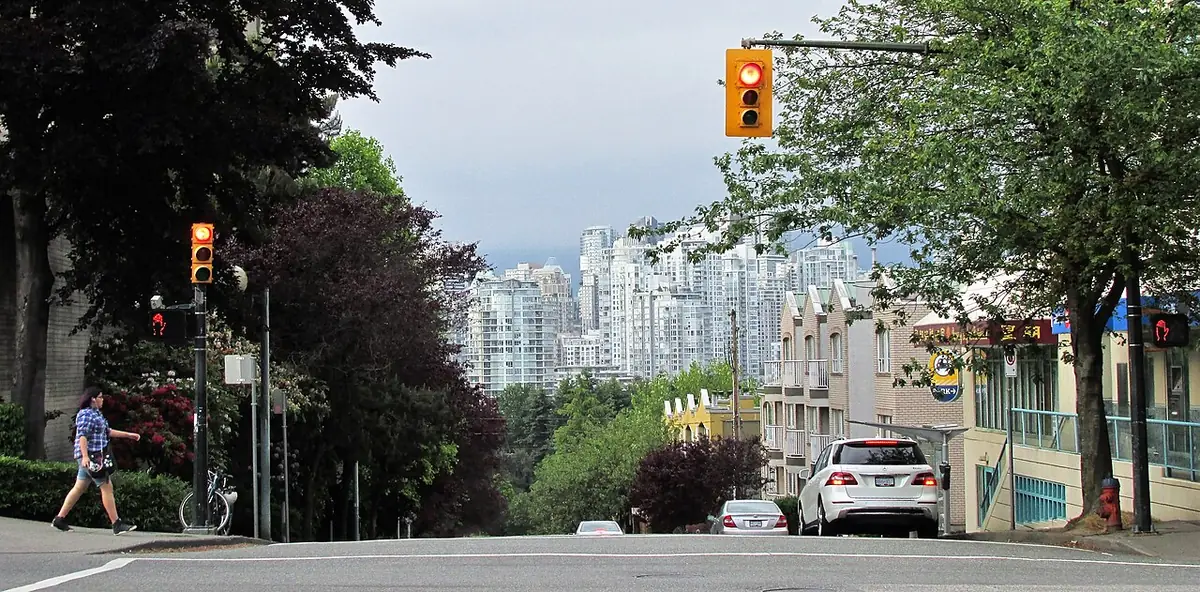
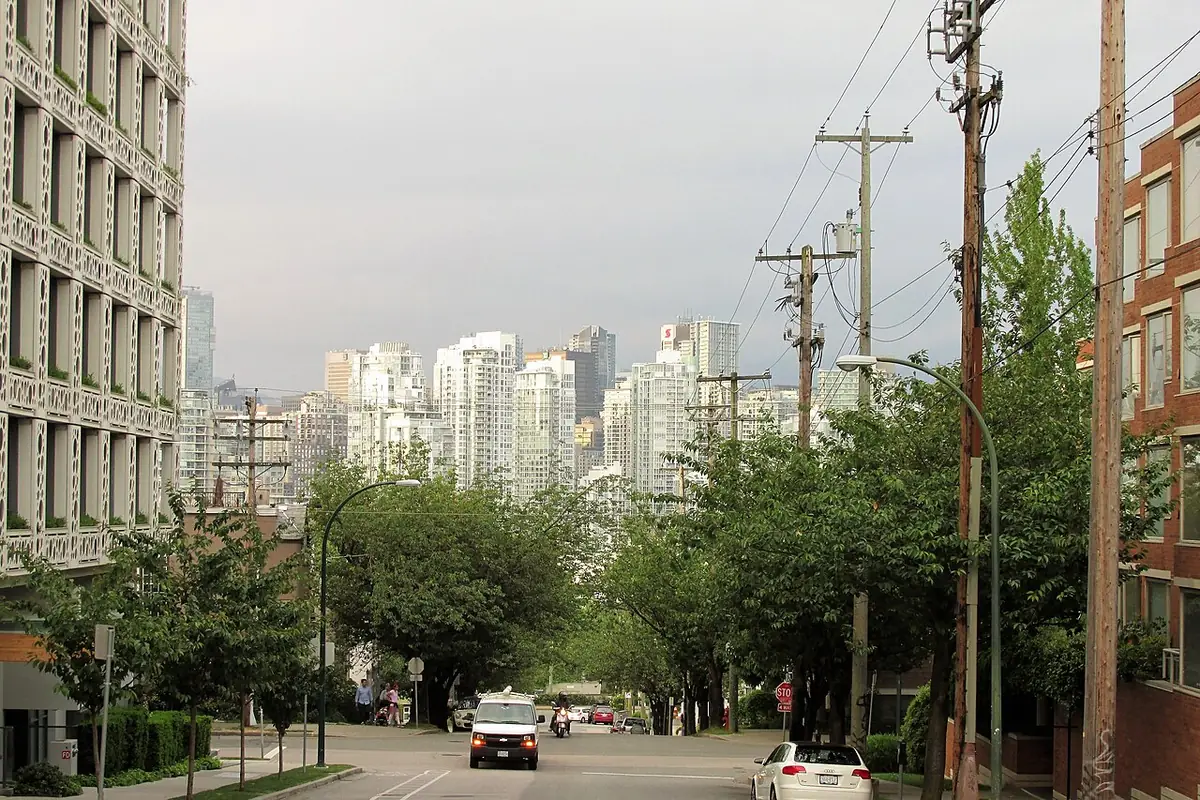
Laurel Street, Vancouver in Street View: drag to look around.
Before you start the search, it is worth looking at how your own circumstances line up with the realities of these neighbourhoods.
Renting a detached house in Vancouver is a considerable financial and logistical commitment that changes your relationship with the city entirely. Between the green residential neighbourhoods and nature right on the doorstep, the promise of an exceptional setting runs into strict contractual and budget realities. Reading this market means looking past the appeal of the houses themselves to understand what running one really demands. Every housing choice in this Canadian city forces a precise trade-off between access and space.
Generous living space and direct access to a private gardenvsA high energy bill and demanding outdoor upkeep in a damp oceanic climate
Rainy British Columbia winters call for constant attention to the state of roofs, foundations and the surrounding grounds. The extra floor area is paid for in a maintenance load that the tenant often carries in part, depending on the lease.
Life in quiet, family neighbourhoods with a strong sense of safetyvsDistance from the fast transit corridors and the busier commercial districts
Moving away from downtown to gain calm and square metres lengthens the daily commute accordingly. A personal vehicle quickly becomes essential despite a well-covered bus network that is nonetheless crowded at peak times.
A kind of architectural independence that is rare in dense urban areasvsStrict rules imposed by landlords and by municipal bylaws on what you may change
Renting a single-family house does not mean you can do as you please with it. Municipalities across the region regulate land use, street parking and landscaping closely in order to preserve the visual character of residential streets.
Room to settle a family long term in a well-preserved natural settingvsAn extremely tight rental market in which good properties are taken within hours
The scarcity of land across Metro Vancouver creates fierce competition between applicants. Securing the lease on a house calls for a faultless application, solid references and an immediate response the moment a listing appears.
Does this place really suit your way of life and your working arrangements?
Understanding these local dynamics matters all the more when you come to this market with reference points formed somewhere else.
Choosing a rental in Vancouver comes down to more than falling for a house or counting the floor area. Your work situation, your household and the way you get around decide directly whether the move will hold up. The way this part of British Columbia works demands a close fit between your daily routine and the area you settle in. Here is how to read your own profile against the different realities of the city.
The quiet, nature-facing profile
Neighbourhoods close to the parks and the coastline offer an exceptional environment for remote workers. You get a quality of life that is hard to match, with bright rooms to work in and quick access to hiking trails. That said, these outlying areas can feel isolating, and the rent for a house big enough to hold a dedicated office calls for serious budgeting. You also need to plan for the occasional trip into the business district.
The family profile, built around services and facilities
Moving into a house with a garden means targeting areas known for the quality of their schools and sports facilities. The residential neighbourhoods provide that reassuring setting, but competition to rent there is fierce. You will be dealing with some of the highest monthly rents in North America and accepting travel time for after-school activities. Nearby municipal parks and community centres go a long way towards offsetting those logistics.
The newcomer profile, still finding its feet
Renting a whole house outright with no Canadian credit history is an uphill task. Landlords ask for substantial financial guarantees, verifiable employment letters and often several months of rent up front despite the legal limits on what they may require. It is often smarter to start with a temporary rental or a well-connected neighbourhood while you work through the initial paperwork. That transitional period lets you pin down exactly where you want to settle for the long run.
Living here when you have come from abroad: what genuinely changes
Once those cultural points have sunk in, the question of where to live becomes pressing.
Carrying your habits as a tenant into the Vancouver market produces a long list of surprises. Between the specific provincial legislation, different building standards and a very liberal approach to letting property, the culture shock is real. The legal reference points and the relationship with a landlord are quite unlike those many arrivals are used to. It is worth absorbing the local rules of the game before signing any tenancy agreement.
From abroad
Tightly capped rents and leases that lean heavily towards the tenant
Vancouver
A rental market largely set by supply and demand, with increases capped by an allowable percentage the province sets each year
Tenant protection does exist through the Residential Tenancy Branch, but the chronic housing shortage gives landlords a considerable advantage at renewal time and when picking between applicants.
From abroad
Move-in and move-out inspections formalised by an officer of the court or scored against fixed wear-and-tear schedules
Vancouver
A move-in and move-out inspection carried out jointly with the landlord or their manager on a mandatory standard form
How carefully that inspection is done decides directly whether you get your security deposit back, a deposit that is generally half a month's rent and capped at that by local law.
From abroad
Kitchens often let unfitted, with the tenant bringing their own units and appliances
Vancouver
Houses let as a matter of course with the full set of appliances (fridge, stove, washer, dryer)
Having them included makes moving in far easier, but it also makes you responsible in law for keeping them working and for their day-to-day upkeep for the whole of your tenancy.
From abroad
Shared central heating systems, or mandatory energy performance certificates
Vancouver
Electricity and gas consumption metered individually and usually billed to the tenant alone
What you pay in energy bills swings sharply with the insulation of Vancouver's older houses and with how much you run electric or gas heating through the winter months.
From abroad
A contractual relationship handled by estate agencies that are involved in everything
Vancouver
Direct management by the landlord in many cases, or through specialist property managers
Communication is often more direct and more informal, but it demands a firm grasp of your legal rights to avoid overreach or misunderstandings about who maintains what.
Which part of Metro Vancouver should you rent your house in?
These geographic distinctions translate into hard budget realities that deserve a close look.
Metro Vancouver brings together municipalities and neighbourhoods with strongly marked identities. Between the urban energy of the central city, the historic charm of the leafy residential districts and the calm of the green suburbs in North Vancouver or Burnaby, each area strikes its own balance. Where you settle dictates your access to nature, your travel times and your overall budget. Here is a detailed comparison of the main options.
Kitsilano and West Point Grey
A relaxed seaside feel, lively and oriented towards the outdoors, a short walk from the Pacific beaches and the waterfront parks.
Suits
People who love being outside, runners, and families after an active, bright place to live.
Trade-off
An extremely competitive market with some of the highest rents anywhere in the metropolitan region.
Shaughnessy and South Granville
Complete quiet along wide avenues lined with historic mansions, mature trees and beautifully landscaped gardens.
Suits
Those looking for architectural prestige, residential discretion and reasonable proximity to the best schools.
Trade-off
Very few houses ever come up to rent, the floor areas are vast and often out of reach, and the atmosphere can feel a little austere.
North Vancouver (District and City)
Life right at the foot of the mountains, among conifer forest, hiking trails and a village-like atmosphere.
Suits
Mountain sports enthusiasts, mountain bikers and families after a green and peaceful base.
Trade-off
The daily bridge crossings into downtown Vancouver can become heavily congested at peak times.
Burnaby (Burnaby Heights or Deer Lake)
A balanced compromise between calm residential streets, protected natural parks and excellent SkyTrain connections.
Suits
People working downtown who want a little more space for their budget than Vancouver proper allows.
Trade-off
The urban character is sometimes less appealing, and areas vary a great deal depending on how close they sit to the main road corridors.
What does renting a house in the Vancouver area really cost?
Beyond the raw figures, what you are actually renting deserves a closer look.
Vancouver's rental market carries one of the highest costs of living in North America. Renting a house, attached or detached, is a substantial financial commitment that covers a great deal more than the headline rent. Utilities, usage charges and maintenance costs weigh heavily on your monthly budget. The table below sets out the price ranges observed by property type and by area.
vancouverTo rentHouseestimate
Median price / m²CA$30Half the apartments sell below this
Median priceCA$3.98kthe average is 14% higher — a few very large properties pull it up
Most common2 bedrooms65 % of listings
Average size128 m²
By number of bedrooms
Bedrooms
Share of market
Avg price
Price / m²
Avg size
2most common
65 %
CA$4.21k
CA$31
137 m²
3
29 %
CA$5.38k
CA$29best value / m²
184 m²
4
7 %
CA$7.63k
CA$31
245 m²
Each row is an average, compared against the area average of CA$31 / m². These are indicative estimates of a typical local market, not a measured sample of live listings. Check current listings before relying on them.
What your lease actually lets you hold and use
That contractual rigour applies from the very first steps that lead to signing your lease.
Signing a residential tenancy agreement in British Columbia is a legal act closely framed by the Residential Tenancy Act. Contrary to some assumptions, renting a house does not give you all the rights of an owner, and the agreement carries restrictive clauses that newcomers often overlook. Understanding the exact reach of what you are committing to is essential if you want to avoid a dispute later. Here are the two fundamental perspectives that govern occupying a property of this kind.
Exclusive use and quiet enjoyment of the property
As the tenant of a whole house, you hold an absolute legal right to quiet enjoyment of your home and your grounds. The landlord may not enter under any circumstances without at least 24 hours of written notice, except in a genuine emergency threatening the safety of the building. You carry full responsibility for the private use of the indoor and outdoor spaces set out within the boundaries your lease defines.
What it changesThat legal protection guarantees you complete autonomy in your home, provided you scrupulously respect the terms of your agreement and any strata or neighbourhood rules that apply.
Strict limits on subletting and on alterations
The standard residential lease formally prohibits subletting all or part of the property (a basement suite or a bedroom, say) without the landlord's express written consent. On top of that, any cosmetic or structural change to the house, from painting the walls to reworking the garden, requires permission in advance. Landlords guard the condition of their property jealously in a market under permanent pressure.
What it changesBreaching these rules can be legal grounds for a swift eviction ordered by the provincial regulator, which makes complete transparency with your landlord indispensable.
The one rule to understand before you hand over any money
Once that stage is settled, the overall timeline of a rental transaction follows a well-defined calendar.
Tenant selection and the payment of the initial funds follow strictly legal rules in Vancouver. Faced with the housing shortage, some applicants are tempted to keep conceding ground or to accept informal arrangements. Yet British Columbia's legal framework protects the tenant firmly against unreasonable demands, provided you know the legal order of the financial steps precisely. Here is the sequence to master before you commit any money.
Viewing the property and submitting your complete application
A rigorous review of your finances, including proof of income, references from previous landlords and your local credit history.
The landlord selects your application and formally draws up a residential tenancy agreement that complies with provincial standards.
Lawful payment of the security deposit, capped by statute at a maximum of half a month's rent.
The move-in Condition Inspection Report carried out jointly, with both parties signing an official form.
The formal handover of the keys and the effective start of your tenancy
How a rental goes through, step by step
In closing, approaching the Vancouver rental market methodically and realistically is what makes for a calm move.
Renting successfully in Vancouver takes a rigorous method and some anticipation of everyone involved in the process. From the first scan of online listings through to actually moving in, coordination between the applicant, the landlord and any property manager has to run smoothly. Each party plays a precise role in keeping the transaction valid and secure. Here is the full sequence of a letting that works.
The prospective tenantWatching the listings and targeting the right onesMonitoring the specialist platforms daily, identifying the neighbourhoods that fit the budget and preparing every supporting document that will be asked for.
The property managerArranging viewings and screening applicationsScheduling in-person or virtual viewings, collecting application forms and running the usual checks with employers and previous landlords.
The landlordThe final choice and the offer of a leaseReviewing the applications presented, keeping the financially strongest one and drawing up British Columbia's standard tenancy agreement.
The tenant and the landlordSigning the agreement and paying the fundsConfirming the specific clauses of the lease, paying the statutory security deposit and the first month's rent by secure transfer or certified cheque.
Both partiesThe joint move-in inspectionInspecting every room of the house closely, recording the condition of the appliances and signing the official condition inspection report.
The tenantMoving in and opening the accountsCollecting the keys, taking out the tenant insurance the lease requires, connecting electricity and internet, and settling into the new home.
House or apartment in Vancouver: weighing independence on the west side against life in a tower
Once that fundamental choice between a house and an apartment is made, it is worth looking closely at the financial reality of housing yourself in this coastal city.
Choosing to rent a detached house in Vancouver rather than an apartment in one of the dense central neighbourhoods changes your daily life, your budget and your relationship with the city profoundly. Single-family houses are concentrated mainly in the outlying or semi-central residential neighbourhoods such as Kitsilano, Dunbar or East Vancouver, offering private living space with a garden but bringing with them a considerable upkeep load tied to the rainy Pacific coast climate. Apartment buildings, everywhere in Downtown, Yaletown and along the SkyTrain lines, favour centrality, security and built-in shared amenities, at the price of monthly charges that can run high and of space that is often tighter.
Maintenance and structural repairs weigh heavily in the balance when you rent a house in Vancouver. The mild but extremely damp winters encourage moss, wear on timber framing and regular work on the building envelope, costs that fall to the landlord but feed back into the rental terms or into what is expected of the tenant. In return, a house frees you from the strict rules of the strata councils that govern apartment buildings in British Columbia, which regulate noise, pets and the use of shared spaces.
Living in an apartment in Vancouver, by contrast, puts you within reach of the transit network and the main employment areas, cutting your dependence on a car sharply in a region where peak-hour traffic and the cost of parking are daily challenges. Newer buildings generally have sophisticated ventilation and effective insulation, built to the strict building standards in force in the province. Even so, urban density and the absence of any real private outdoor space, replaced by a simple balcony, can wear on households who want somewhere greener over the long term.
Financially, renting a house in Vancouver means a distinctly higher up-front and monthly outlay, which limits the option to the strongest budgets or to families who absolutely need the space and the calm of the quiet residential areas. The apartment, for its part, is the usual way into the local market for young professionals, couples without children and people living alone who want to enjoy the city's vibrant cultural life. Your decision should therefore rest on a clear-eyed reading of your own priorities, between floor area and ease of getting around.
What monthly and up-front budget should you plan for to rent a house in Vancouver?
Understanding the raw figures is not enough; you have to test that budget against the real rhythm of a week in the city.
Drawing up a working budget to rent a house in Vancouver means looking well beyond the headline rent shown on the property portals. The local rental market is structurally tight, which pushes prices up and obliges applicants to demonstrate unquestionable financial strength. Utilities, the upkeep of the outdoor space and specific insurance all add to the overall sum you need to live comfortably in this British Columbia city.
Average rents observed for a house in Vancouver by type and location
Property type
Area (central Vancouver / west side)
Area (East Vancouver / outer)
Security deposit required
2-bedroom house
$3,200 - $3,800 CAD
$2,600 - $3,100 CAD
Half a month's rent
3-4 bedroom house
$4,500 - $6,000 CAD
$3,500 - $4,400 CAD
Half a month's rent
House with a self-contained suite
$5,500 - $7,500 CAD
$4,200 - $5,300 CAD
Half a month's rent
The figures shown reflect the averages observed in the rental market regulated by British Columbia's Residential Tenancy Branch.
Estimated additional monthly costs for a detached house
Cost item
Estimated monthly range
Note on what makes it vary
Electricity and heating (BC Hydro)
$150 - $300 CAD
Rises noticeably in winter where the heating is electric.
Natural gas (FortisBC)
$80 - $180 CAD
Used for hot water, fireplaces and some stoves or supplementary heating.
Broadband internet and phone
$90 - $140 CAD
Rates vary between local providers (Telus, Rogers, Shaw).
Tenant insurance
$45 - $85 CAD
Required by most residential leases to cover liability risks.
These items come on top of the base rent and vary with the insulation and the actual floor area of the home you rent.
Health, schools, transport: what an ordinary Tuesday in a Vancouver house actually looks like
Beyond that well-drilled routine, the Vancouver market holds contractual and structural subtleties that listings carefully leave out.
Living in a house in Vancouver imposes a particular daily logistics, dictated by the distance between the quiet residential neighbourhoods and the places people work. Between the morning school run, the choice between transit and the car, and the grocery shopping, every hour of the day is shaped by the city's infrastructure and the energy of the Pacific coast. This hour-by-hour picture of an ordinary Tuesday shows the trade-offs on time that residents face.
07:00The residential streets of DunbarWaking and getting the family ready in the house, checking the heating and glancing at the rainy weather that is typical of the region.
08:15The local public primary schoolDropping the children off on foot or by car for an 8:30 start, and a moment with the other parents who live in the same area.
09:00The trip into the business districtDriving across Vancouver's bridges, or combining the bus and the SkyTrain to reach Downtown or the hospital district.
12:30A lunch break close to workA quick lunch in a cafe or a local shop near the workplace, and a brief taste of the buzz of the city.
16:30The local supermarket (Safeway or Choices Markets)A well-judged stop for fresh produce and groceries on the way home, keeping the end-of-day trips to a minimum.
18:00Back at the house, running the householdMaking dinner, helping with homework and time to relax in the living room or the garden if the weather allows.
21:00The quiet residential neighbourhoodA peaceful end to the evening in a safe residential setting, far from the nightlife of the city centre, before bed.
What the listing will not tell you about renting a house in Vancouver
These frequent omissions often lead, six months after moving in, to disappointments you could have seen coming had you known the classic mistakes.
The promotional descriptions published on rental platforms frequently leave out points that bear directly on your quality of life and what you actually spend in Vancouver. Between strict limits on subletting, the frequent presence of a basement suite let to someone else, and the effect of coastal damp on the structure of older homes, the reality on the ground can differ noticeably from the shop window. Knowing about these blind spots lets you go into viewings with a sharper eye and avoid unpleasant surprises after signing.
The presence of a legal or illegal basement suite
Many single-family houses in Vancouver contain a self-contained unit on the lower floor, often let to another tenant. That means sharing the outdoor space and the bins, and sometimes a complicated split of the electricity and gas bills.
The direct effect of coastal damp and condensation
Vancouver's oceanic climate brings heavy humidity through autumn and winter. Older, poorly insulated houses quickly suffer condensation on the glass and window frames, which calls for constant ventilation and close attention to mould.
The strict rules of the province's Residential Tenancy Act
British Columbia's legislation frames annual rent increases and the grounds for eviction for the landlord's own use very tightly. Not knowing these provisions deprives a tenant of their basic rights in a dispute.
Landlords' rigorous policy on pets
Keeping a dog or a cat in a Vancouver house can be an uphill battle, with many landlords refusing pets categorically or requiring an additional pet damage deposit of half a month's rent, which is itself strictly regulated by law.
The real state of the parking and road access
Renting a house in some of the prettier neighbourhoods can mean there is no enclosed garage, forcing you to park on the street with time restrictions or with a paid residential permit from the municipality.
The misjudgements people discover six months after renting a house in Vancouver
Given these financial and logistical demands, it is fair to ask whether a move like this really suits you.
Looked likeA charming renovated older house with a large, leafy garden in a peaceful neighbourhood.
Turned outAn enormous heating bill through the winter months, thanks to period insulation and single glazing.
Would have caught itAsking for the last twelve months of energy bills before signing the lease and checking the condition of the window and door frames.
Looked likeAn attractive rent for a generous amount of space out in the residential suburbs.
Turned outHours lost every day in traffic crossing the bridges at peak times to reach the business district.
Would have caught itMaking the commute at the real times on a weekday before committing to the location.
Looked likeAn ideal shared house arrangement with discreet neighbours in the basement suite.
Turned outRegular noise and persistent disagreements about the shared outdoor space and the parking.
Would have caught itSetting out in writing in the tenancy agreement how the property is to be shared, and meeting the occupants next door.
Looked likeA quick verbal agreement with a friendly private landlord, with no agency involved.
Turned outNo response when urgent plumbing repairs were needed, and legal murk whenever work was requested.
Would have caught itInsisting on British Columbia's official standard tenancy agreement and putting every exchange about maintenance in writing.
Who really should not rent a house in Vancouver right now?
Now that these guard rails are clearly in place, it is time to decide whether you are genuinely ready to go ahead.
Settling into a detached house in Vancouver is not the right answer for every worker or family arriving in the region. Some situations expose people to financial disappointment or to organisational demands out of all proportion to the way they actually live. Recognising those cases helps you avoid heavy commitments whose economic and personal consequences can be hard to undo.
Mobile young professionals working in the tech or creative sectors downtown
→A modern apartment in a central neighbourhood (Yaletown, Mount Pleasant)
They value spontaneity, transit on the doorstep and the complete absence of the outdoor upkeep a house demands.
Newcomers on a tight budget and with no Canadian credit history
→A smaller rental or a structured shared apartment
The cost of getting into a single-family house in Vancouver far exceeds the cash they have available, and landlords ask for financial guarantees beyond their reach.
People who travel often, or who refuse to give up their weekends to household chores
→A managed apartment building with a concierge service
Keeping a garden, mowing the lawn and watching the building envelope through bad weather do not fit an itinerant way of life.
So, are you ready to move into a house in Vancouver?
Committing to renting a house in Vancouver is a major turning point, and it demands a close fit between what you want from life and the local economic reality. If what you are after above all is space and the calm of a green residential neighbourhood, and you accept the logistical and financial constraints that come with this kind of property on the Pacific coast, then the move makes complete sense. The organisation and the budget discipline it takes are amply repaid by the quality of life that the natural and urban setting of this British Columbia city provides.
If, on the other hand, your plan rests on an optimistic estimate of the costs or on a wish to avoid the bother of upkeep, you are probably better off looking at a well-located apartment or widening the area you are searching. The Vancouver market does not forgive improvisation and calls for careful preparation, from checking the regulated terms of the lease through to a fine-grained assessment of daily travel times. Take the time to weigh each factor clear-headedly before signing the lease that will shape your daily life for the months or years ahead.
We would encourage you to read this alongside the other guides to Vancouver's neighbourhoods and to the legal specifics of British Columbia, so you can sharpen your approach. A move that works rests on verified information, a secure budget and a clear view of your own priorities. Best of luck with your Vancouver plans.
Related questions
What is the average rent for a house in Vancouver?
Monthly rent for a single-family house in Vancouver generally runs between $3,000 and $6,500 CAD depending on floor area, the age of the building and how close it sits to transit routes and downtown.
What costs should you budget for on top of the rent of a house?
Tenants usually pay for electricity (BC Hydro), natural gas (FortisBC), an internet subscription and the tenant insurance their lease requires, which adds roughly $300 to $600 CAD a month.
Is it easy to rent a house with a pet in Vancouver?
Many landlords apply a strict no-pets policy. Where pets are accepted, a separate pet damage deposit of up to half a month's rent may be required under provincial law.
How does rent regulation work in British Columbia?
The Residential Tenancy Branch tightly frames annual rent increases through a maximum percentage set each year by the provincial government, which protects tenants already in place.
What is a basement suite in a Vancouver house?
It is a self-contained unit built out on the lower floor of the house, often rented separately to another occupant, which can mean sharing the outdoor space and, in some cases, the meters.
Which residential neighbourhoods are best for renting a quiet house?
Areas such as Dunbar, Kerrisdale, Kitsilano and parts of East Vancouver offer the sought-after residential setting of tree-lined streets and parks within walking distance.
How important is thermal insulation in a Vancouver house?
Given the damp oceanic climate and the rain through the winter, good insulation and effective ventilation are essential to prevent condensation and the mould that follows it.
Is tenant insurance mandatory in British Columbia?
Provincial law does not impose it universally, but the vast majority of landlords require proof of liability and contents cover as a term of the tenancy agreement.
How long does it usually take to find a rental in Vancouver?
The rental market is extremely tight and competitive, and good properties are taken within days, so you have to be ready to act immediately after a viewing.
What documents should you prepare for a solid rental application?
Applicants are generally asked for recent proof of income, references from previous landlords, a credit check and official photo identification.
Property review of ting
No ting properties in Vancouver yet
Be the first — share it on ting and it shows up right here.