Putting a credible figure on a house in Vancouver means understanding a market shaped by land scarcity and by rules that are specific to this province. This guide walks you through reading comparable sales, adjusting for lot, age and condition, and sanity-checking the number before you rely on it.
Get the app
What nobody tells you.
Real prices, hidden costs and the traps to check before you commit.
Why the shortage of space in Vancouver makes every valuation a judgement call
Scroll
Why the shortage of space in Vancouver makes every valuation a judgement call
Putting a credible figure on a house in Vancouver means understanding a market shaped by land scarcity and by rules that are specific to this province. This guide walks you through reading comparable sales, adjusting for lot, age and condition, and sanity-checking the number before you rely on it.
Written by the ting.ad editorial team ·
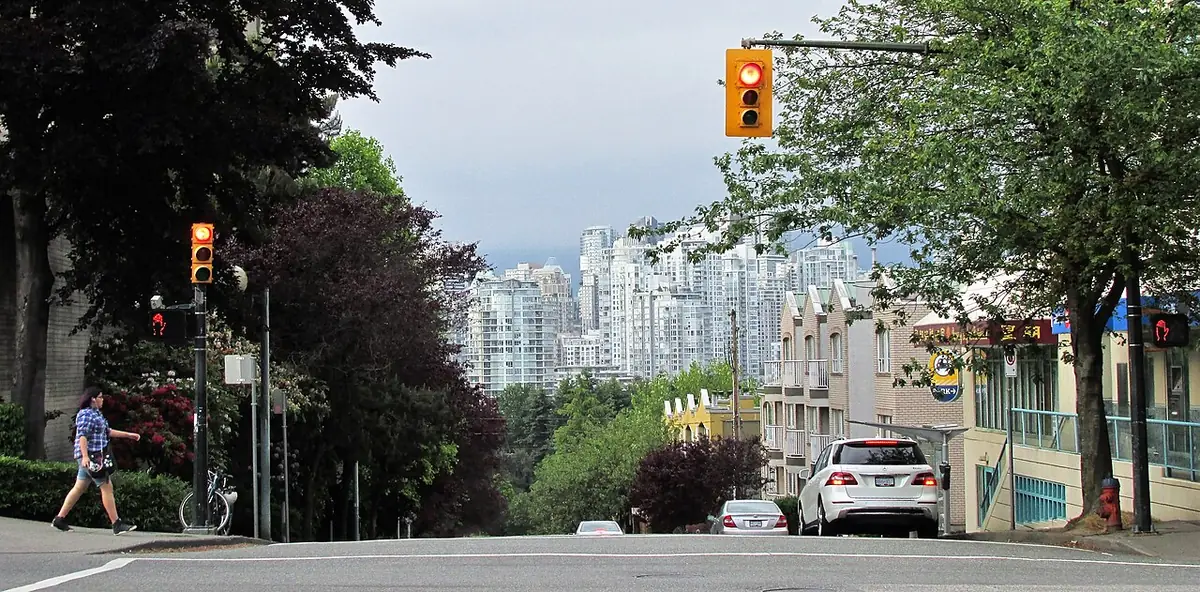
Laurel Street, Vancouver in Street View: drag to look around.
Understanding this basic tension between geography and budget is what lets you match a valuation method to your own situation.
Valuing a house in Vancouver is not a matter of pricing a roof, it is a matter of pricing a position in a land market that geography has squeezed hard. Between the ocean and the mountains, the supply of developable land is structurally limited, which redefines what each square metre is worth. Any credible estimate has to weigh closeness to the centre against usable floor area, constantly. That geographic reality demands more analytical rigour than the figures you would trust in most European cities.
The certainty of a scarce, protected assetvsConstant upward pressure on the numbers
Geographic scarcity underpins long-term value, which is why comparable sales in this market hold up well over time, but it also means the entry figure for any detached house looks extreme against almost any outside benchmark.
A valuation driven by lifestyle and settingvsDistance from the central employment areas
The exceptional setting around Vancouver is genuinely priced in, but so is commuting time, and the two pull in opposite directions within the same estimate.
The structural independence of a detached housevsThe owner carrying maintenance and renovation alone
Unlike an apartment, every technical intervention on the structure, the roof or the heating systems suited to this climate falls to you, and deferred work of that kind is exactly what an appraiser adjusts for.
How to tell which valuation route fits the house you actually own
These choices take on a different weight again when your reference points come from another housing market entirely.
Day-to-day life in Vancouver is organised around an unusual balance between urban activity and immediate access to open country, and that balance is priced into every address. Depending on whether a property sits at the heart of the city or in a quieter outlying area, the evidence available to value it is completely different. Before you accept a number, work out which kind of comparable actually exists for your street.
Established residential areas
In areas such as Dunbar or Kerrisdale, value is set by closeness to parks and to well-regarded schools, and there are usually enough recent sales of similar family houses to build a proper comparative analysis. An agent's comparative market analysis works well here, because the evidence is dense and the differences between properties are mostly about lot size, age and condition rather than about type.
What tips these estimates one way or the other is upkeep. A house with a garden demands steady personal investment, particularly through the winter months when the local weather keeps constant pressure on the outside of the building, and an assessor reads a neglected envelope straight into the figure.
Central and transit-served locations
A detached house in immediate reach of the central corridors is financially and physically rare, so directly comparable sales are thin on the ground. Valuations here lean more heavily on outlying neighbourhoods well served by rapid transit such as the Skytrain network, with adjustments for the smaller footprints involved or for the heavy renovation older structures still need.
The effect is that accessibility is genuinely capitalised into the price while floor area is discounted, so an estimate built only on square metres will read low. Expect the reconciliation between space and location to be the part of the report you have to interrogate hardest.
Adjacent municipalities
If the address sits in one of the adjacent municipalities, the comparable set changes with it. Those properties buy more floor area and a more direct connection to the surrounding landscape, whether the sea or the hiking trails, and the estimate has to be built from local evidence rather than from city-of-Vancouver figures. The costs and logistics of being away from the main centres and specialist services are part of what the market discounts for.
This is the case where an automated estimate is least reliable, because the model may reach across a boundary that buyers themselves treat as a hard line.
What changes about reading a property value when you arrive from another country
Once those reference points are recalibrated, the neighbourhood itself becomes the next thing to weigh.
Valuing property on this side of the Atlantic unsettles most of the assumptions people bring with them. Land records, statutory guarantees, the role of the professionals involved and the way financing works all follow different legal and cultural logic here. Anticipating those structural differences keeps you from misreading a figure when you view a property or when you test an offer against it.
From abroad
Rigid shared-ownership rules and heavily regulated technical surveys handed to you as standard
Vancouver
Transactions that look flexible, but where the burden falls on you to verify renovation history and local municipal rules
You have to instruct independent experts to inspect each technical component of the house, because the automatic legal protection you may be used to does not apply in the same way, and unverified condition is the single biggest source of error in an estimate.
From abroad
The habit of using one public officer as both drafter and sole escrow holder
Vancouver
Real estate lawyers and notaries public who secure the funds and complete the transfer of title
That single-officer role does not exist here in the same form; budget for Canadian legal support from the start, and expect the title and charges they uncover to change what the property is worth.
From abroad
Long fixed-rate mortgages that lock the cost of borrowing for the life of the loan
Vancouver
Mortgage structures with frequent renewal points and rates that often reset
Any valuation you rely on in Vancouver has to allow for payments moving at renewal, because that is what sets the ceiling on what buyers in the comparable set can actually pay.
From abroad
Older stock that is fairly uniform, built in stone or concrete depending on the region
Vancouver
A predominance of wood-frame construction that demands absolute vigilance about moisture
Inspection of the building envelope and its weathertightness becomes the number one criterion, and a poor result translates directly into a condition adjustment worth a substantial share of the figure.
From abroad
Transfer duties and registration taxes that are uniform and predictable across a whole country
Vancouver
Combined provincial and municipal property transfer taxes that increase the cash needed on the day of signing
You have to set aside additional cash beyond the headline price, so the number to plan around is never the valuation on its own.
How to read one residential neighbourhood against another when the figures diverge
Looking at neighbourhoods leads naturally to the central question of what the numbers themselves say.
Metropolitan Vancouver is a mosaic of neighbourhoods with sharply drawn identities, where prices, atmosphere and access to services vary completely from one to the next. Valuing a house in any of them means recognising a clear trade-off between cultural energy, residential quiet and ease of connection to the centre. Here is a framework for reading the evidence area by area.
Kitsilano and the coastal streets around it
An active atmosphere oriented towards the beaches, the parks and a very outdoor way of living.
Suits
Valuations that need to capture a blend of lively urban life, neighbourhood cafes and immediate closeness to the ocean.
Trade-off
Price per square metre among the highest in the region, and fierce competition on every property that comes up, which makes recent comparables move fast.
East Vancouver (Commercial Drive and surroundings)
A creative, independent, multicultural spirit rooted firmly in local street life.
Suits
Reading value where a diverse neighbourhood, independent food shops and a strong artistic character are doing real work in the price.
Trade-off
Housing stock that is often old and needs significant compliance work, so condition adjustments here are large and the mix of uses can shift block by block.
Dunbar and Kerrisdale
Complete quiet on streets lined with mature trees, a discreet and well-established residential setting.
Suits
Family houses where quiet, large green spaces and closeness to leading schools are consistently reflected in comparable sales.
Trade-off
Relative distance from evening activity, and an entry level so selective that the pool of comparable transactions stays small.
The neighbouring municipalities (North Vancouver / Burnaby)
Direct access to the mountains and to open country while keeping a full range of urban services.
Suits
Comparisons where more generous house sizes for the same money are the point, especially for buyers drawn to the outdoors, hiking and skiing.
Trade-off
Longer daily journeys across the bridges into the centre at peak times, which is priced in and has to be adjusted for when comparing across the water.
What the recorded figures actually say about property values here
Beyond the headline figure, the legal nature and configuration of the property deserve attention of their own.
The Vancouver market carries some of the highest valuations in North America, driven by geographic constraints that cannot be relieved and by strong demographic pull. Working with these figures calls for complete transparency about the ranges involved and about the additional costs that sit on top of the headline transaction amount. The data below sets out the orders of magnitude on record, so you can test any estimate you are given against them.
vancouverFor saleHouseestimate
Median price / m²CA$8,958Half the apartments sell below this
Median priceCA$1.21mthe average is 14% higher — a few very large properties pull it up
Most common2 bedrooms65 % of listings
Average size128 m²
By number of bedrooms
Bedrooms
Share of market
Avg price
Price / m²
Avg size
2most common
65 %
CA$1.27m
CA$9,336
137 m²
3
29 %
CA$1.63m
CA$8,864best value / m²
184 m²
4
7 %
CA$2.31m
CA$9,430
245 m²
Each row is an average, compared against the area average of CA$9,430 / m². These are indicative estimates of a typical local market, not a measured sample of live listings. Check current listings before relying on them.
Detached house or shared structure: what you are actually valuing
Being clear about what the property is leads straight into the checks that have to be made before any figure can be relied on.
Land scarcity in Vancouver has encouraged a wide range of housing forms, well beyond the traditional single-family house standing alone on its lot. Understanding the legal distinction between these types is essential, because the two are valued on different evidence: one on land and building together, the other on a share of a collective structure. That split runs through the whole of the local market.
The detached single-family house (Detached House)
You own both the building and the parcel of land it stands on, with no shared walls. That configuration gives complete freedom of decision over renovation, extension or landscaping, and removes any collective rulebook from the picture. In exchange, the full cost of maintaining the exterior envelope, the roof and the foundations falls to you, which is why an estimate here splits cleanly into land value plus the depreciated value of the structure.
What it changesYou are valuing an asset with maximum independence, but one where deferred maintenance shows up as a direct deduction and where a substantial annual maintenance provision belongs in the arithmetic.
The duplex, half-duplex or townhouse (Duplex / Townhouse)
You share a party wall and a common legal structure, often a strata corporation, with one or more neighbours. This route opens up more central, sought-after neighbourhoods at an acquisition cost generally below that of a standalone house. Major decisions about maintaining the common areas are subject to collective rules and to compulsory monthly contributions, and the health of the reserve fund behind them is part of what the property is worth.
What it changesThe figure is lower and the direct management burden is smaller, but the estimate has to account for shared rules and for recurring structure-wide costs that a buyer will price in.
The one rule that turns an estimate into a number you can rely on
With those safeguards understood, it helps to see how the whole sequence unfolds in order.
In the Vancouver system, an offer to purchase becomes a legally binding contract as soon as the parties accept it, subject only to the conditions (subjects) written into it. Those conditions are also what test the valuation: each one exists to confirm or correct an assumption the figure rests on. Skipping them leaves the number unverified and the buyer exposed to irreversible financial risk.
The initial drafting of the offer by your real estate agent, built on the comparable sales analysis
Inserting conditions (subjects) that require a thorough technical inspection of the building by a certified professional, which is what converts an assumed condition into a measured one.
Careful verification by your lawyer of the title and of any easements (charges, rights of way) registered against the property in the provincial land title records, since any of these can reduce what the property is worth.
Obtaining firm, final financing approval from your financial institution or mortgage broker, whose own appraisal is an independent test of the agreed figure.
The formal removal of all conditions within the strict deadlines agreed between the parties, at which point the price stops being provisional.
The deposit paid into the trust account and completion handled by the lawyer on the completion date, at which point the price becomes a recorded comparable for the next valuation on that street
How a figure moves from first estimate to recorded sale price
In short, valuing a house in Vancouver rewards careful preparation and a close reading of how the local mechanisms work.
A property valuation in Vancouver runs through a precise sequence in which each participant has a clearly defined role. From the first indication of what you can borrow through to the handover of keys, the process demands close coordination between you, your agent, your inspector and your lawyer. Each stage narrows the range until a single figure is left standing.
The owner or buyerEstablishing the financial frameObtain a mortgage pre-approval from a Canadian financial institution so you know precisely what range you are working within before any figure is discussed.
The real estate agentSelecting and viewing propertiesIdentify houses matching your criteria in the target neighbourhoods and analyse the history of comparable sales in the area, which is the raw material of any comparative market analysis.
The owner and their adviserDrafting and negotiating the offerSubmit a written offer that includes a period for removing the technical and financial conditions, so the figure can still be revised if the evidence changes.
The building inspectorThe technical audit of the propertyCarry out a careful inspection of the structure, roof, plumbing and electrical systems to identify hidden defects, each of which supports a specific condition adjustment.
The specialist lawyerLegal verification of the titleConfirm the absence of disputes, liens or particular municipal restrictions on the property, since anything found here changes what the property is worth.
All partiesCompletion and the transfer of fundsSign the final legal documents, pay the applicable taxes and complete the transfer of ownership on the agreed date, which fixes the value as a matter of public record.
House or apartment in Vancouver: how the land under you changes the valuation
Once that basic distinction is clear, it is worth looking closely at the running costs that shape what a buyer will actually pay.
Valuing a single-family house in Vancouver means valuing an asset where the upkeep of the land, the management of the external structure and independence from any collective body rest entirely on the owner. In residential neighbourhoods such as Dunbar or Kerrisdale, owning a house means owning a scarce parcel of land in a city hemmed in by ocean and mountains, which underpins a robust long-term value but also demands a considerable initial figure and constant maintenance against a damp oceanic climate.
An apartment works the other way. Whether it is a modern condo in Yaletown or a red-brick building in Fairview, management of the common areas, the roof and the building envelope is delegated to a strata corporation. That frees up time and often brings shared amenities such as a gym or a concierge, but it exposes the value directly to the strata's budget decisions, to unforeseen special levies for facade work, and to strict rules on renting or on pets, all of which a careful estimate has to weigh.
The Vancouver market is defined by a structural shortage of developable land, which is why houses with land have historically carried a valuation premium over apartments, whose new-build volumes stay high in densifying areas such as Downtown and around the Skytrain corridors. The gap between the two is now so wide that it functions as a barrier in itself, pushing many buyers towards apartments in order to stay in the central areas rather than move far out, and that behaviour is visible in the comparable sales for both types.
Your reading of any figure should therefore weigh what private outdoor space and acoustic quiet are worth against the opportunity cost of locking a large amount of capital into a single structure. If cultural life, immediate transit access and no gardening in the British Columbia winter rain are what the market in your area is paying for, the apartment comparables will tell you so. If a durable base, adaptable living space with nobody directly overhead and full control over architectural choices is the driver, the house comparables will carry the premium, financial constraints and all.
What running costs an owner should have on the table before a valuation
Having the figures is one thing; understanding how a typical week runs in this city is another.
Assessing what a property really costs to hold in Vancouver goes well beyond the monthly mortgage payment to your bank. Local property taxation, strata fees or structural maintenance, and the unavoidable everyday expenses of one of the most expensive cities in North America all belong in the picture. These are the figures an owner should gather before a valuation, because a buyer will price them in whether or not the estimate mentions them.
Housing-related charges and taxes in Vancouver
Cost item
Single-family house
Apartment in a strata
Annual municipal property tax
Between $3,500 and $7,000 depending on value and neighbourhood
Between $1,500 and $3,000 depending on the unit's share of the building
Monthly strata fees
None (self-managed maintenance)
Between $400 and $900 depending on amenities and the age of the building
Annual home insurance
Between $1,800 and $3,000 (seismic risk and structure)
Between $800 and $1,500 (interior cover and liability)
Annual maintenance and repair budget
1% to 2% of the value of the building for the envelope
Partly included in the strata fees
The amounts shown are in Canadian dollars and vary with the exact location and the year of construction of the property.
Everyday household spending in Vancouver
Cost category
Estimated monthly amount for a couple
Main factors
Food and household goods
$800 to $1,200
Choice of retailers and how much you buy locally
Energy (BC Hydro electricity and heating)
$120 to $250
Type of heating, insulation and floor area
Transport (TransLink or running a vehicle)
$150 to $400
Monthly pass across transport zones, or car ownership with ICBC insurance
Telecoms (internet and mobile)
$150 to $250
Data plans and broadband speeds
These estimates reflect the cost of urban living in the Vancouver metropolitan area for the current year.
Health, schools and transport: the ordinary Tuesday a valuation is really pricing
That apparent ease hides subtleties that quick property viewings routinely leave out.
To test whether a figure makes sense for a particular address, you have to walk the ground rather than read the brochure. Traffic flows across the bridges spanning Burrard Inlet, access to good public schools and closeness to health infrastructure such as Vancouver General Hospital give each neighbourhood its own daily rhythm, and buyers pay for that rhythm whether or not the listing mentions it. Following an ordinary day is the cheapest way to see what the comparables are really reflecting.
07:30A residential street in Kitsilano or Mount PleasantLeaving the family home after a glance at the local weather, with children ready for the neighbourhood school, which is the catchment the price is partly built on.
08:15A Skytrain station or priority bus laneA smooth commute into the Downtown Vancouver business core, on foot, by bike or by public transport, and the length of that trip is one of the clearest lines in any valuation.
12:30The city centre or the False Creek technology clusterA lunch break in a neighbourhood cafe and time for errands or work meetings at the heart of the city's economic activity.
16:00A school or community centreCollecting children after after-school activities and stopping at local shops for the evening meal, the kind of everyday convenience that supports a price.
18:30Home and the green space around itFamily time, a walk along the seawall or a run facing the water, the amenity that consistently separates comparable houses on paper from comparable houses in practice.
What property listings leave out about value in Vancouver
Ignoring these factual points is what leaves an owner with a figure that does not survive first contact with a buyer.
The Vancouver market has unwritten rules and physical constraints that bright agency photographs are careful not to reveal. Strict planning rules, exposure to wet microclimates and the complexity of strata rules each leave a mark on value, and they need to be brought into the light before you sign the final documents at your lawyer's office. These are the realities that shape what your property is genuinely worth in use.
The critical age of strata building envelopes
Many buildings put up in past decades suffer weathertightness defects caused by coastal rain, producing enormous facade renovation bills for current owners, and a building with that history is valued well below an outwardly identical one without it.
Municipal restrictions on short-term rentals
The city applies extremely strict rules that prohibit short-term letting in the great majority of second homes, which caps the income a buyer can assume and removes a line of value people often assume is there.
The direct effect of seaplane paths and port traffic
Some highly sought-after waterfront areas experience regular daytime noise from commercial air and marine movements, and that erodes the quiet the price otherwise implies.
Severe municipal rules on mature trees
Felling or pruning a substantial tree on your own lot requires complex and often chargeable permissions from the City of Vancouver, so an assumption about clearing a lot can be worth far less than it appears.
The classic misreadings that only show up six months after the valuation
These accounts show that not every figure survives contact with the way this market actually behaves.
Looked likeA charming, bright apartment with large north-facing windows
Turned outA dark, damp and poorly insulated space through the dark, wet winter months of the Pacific coast
Would have caught itAlways check the real solar orientation, the performance of the double glazing and the quality of the building's mechanical ventilation before you accept the figure that goes with the photographs.
Looked likeA quiet residential neighbourhood, comfortably away from the bustle of downtown
Turned outA street saturated with commuter parking by non-residents and completely congested at the morning peak
Would have caught itVisit the surroundings at different times of day, particularly on weekdays when traffic is heaviest, because that is the version of the street a buyer will price.
Looked likeA strata showing unusually low and attractive monthly fees
Turned outAn empty and inadequate reserve fund, pointing to an imminent special levy to pay for urgent roof work
Would have caught itInsist that a specialist reviews the minutes of the last three years of general meetings, since an underfunded reserve is a deduction from value, not a saving.
Looked likeA fast purchase made without a thorough technical inspection in order to beat the competition
Turned outMajor hidden defects in the plumbing and electrical systems, requiring immediate and very expensive corrective work
Would have caught itNever remove the building inspection condition, however competitive the local market feels, because it is the only thing standing between an assumed condition and a real one.
Who should treat a Vancouver valuation with particular caution
With the obstacles and the ill-suited profiles mapped out, it is time to settle the question for your own property.
The Vancouver market has macroeconomic and regulatory features distinctive enough to turn a sound-looking figure into a financial trap for the wrong profile. Wanting a number to say a particular thing, without aligning the objective with what the market evidence supports, leads nowhere. It is worth recognising honestly whether your own situation fits the structural realities of the region before you act on any estimate.
The investor chasing high gross rental yields in the short term
→Buying an urban condo on the assumption of immediate, aggressive returns
The ratio between the high purchase prices and the level of regulated rents produces net yields often below those of other Canadian cities, so a value justified on yield alone will not hold.
The buyer with a fixed deposit and a complete aversion to risk
→A purchase financed to the limit of their borrowing capacity with no safety margin
Potential volatility in interest rates and the unpredictability of strata or maintenance costs can threaten their solvency if anything goes wrong, and neither risk is visible in a headline valuation.
The owner with no patience for administrative constraints and strict rules
→An older house in a heritage neighbourhood governed by rigorous municipal bylaws
The smallest external alteration or tree removal runs into heavy, time-consuming procedures handled by the city, and those restrictions are already reflected in what the property will fetch.
So, is the figure in front of you one you can actually rely on?
Settling on a value for a property in Vancouver means separating the legitimate emotion attached to the spectacular setting from the cold arithmetic underneath it. If you have looked at what you can genuinely put aside each month, taken local taxation into account at its real cost and accepted the geographic trade-offs built into this coastal city, the figure you are working with rests on solid foundations.
The mistake would be to accept a number under the pressure of a market known for its competitiveness, or to underestimate the psychological and financial weight of British Columbia's wet winters. A valuation worth relying on in Vancouver is one that protects your day-to-day quality of life without mortgaging your future financial freedom, and that matches your real needs to the type of property in front of you.
Take the time to visit several neighbourhoods at key moments of the week, talk to established residents and insist on complete transparency about the technical condition of the structure before you commit to any figure. When those methodical precautions are observed, the value put on an apartment or a house in this particular city stops being a speculative guess and becomes a number you can build a decision on.
In the end, Vancouver rewards those who approach its market with method, realism and patience. If you are ready to accept those demands without giving in to the pull of a fast decision, you now have everything you need to read a valuation here with confidence.
Related questions
How much property tax does a house in Vancouver usually carry, and does it tell you the value?
Municipal property tax generally runs between $3,500 and $7,000 a year for a standard single-family house in Vancouver, based on the annual assessment produced by BC Assessment and on the precise area the property sits in. The assessed figure is a useful starting reference, but it is set once a year and rarely matches what the house would fetch today.
Is a technical inspection required before a value can be relied on?
The law does not formally require one, but in Vancouver an inspection by a certified professional is strongly recommended, because it is what turns a headline figure into a defensible one: it uncovers moisture problems, hidden defects or structural non-compliance that justify a downward adjustment before conditions are removed.
How do strata fees work in Vancouver buildings, and how do they affect an estimate?
Monthly strata fees cover maintenance of the common areas, the building's overall insurance and contributions to the reserve fund for future major work. Their level depends on the floor area of the unit and on the amenities in the building, and a fee that is out of line with comparable buildings will pull the achievable price up or down.
Which neighbourhoods hold their value best for single-family houses?
Residential areas such as Kerrisdale, Dunbar, Kitsilano and Shaughnessy are among the most sought after in Vancouver, thanks to their quiet streets, the quality of their schools and their closeness to parks and the shoreline. Those same attributes are what comparable sales in those catchments consistently reflect.
Do foreign buyers face extra taxes that change what a property is worth to them?
Yes. The province of British Columbia applies specific property transfer taxes on non-resident or foreign buyers, in order to ease pressure on the local housing market and protect access to housing for permanent residents. Those taxes do not change the market value of the house, but they do change the total a foreign buyer has to commit.
How much does the climate affect what a house is worth here?
Vancouver's temperate but very wet oceanic climate exposes building envelopes to frequent rain, so the condition of roofs, balconies and foundations carries unusual weight in an estimate. Two otherwise identical houses can be valued very differently once water ingress is on the table.
Does a parking space add measurably to a valuation?
In dense areas such as Downtown or Yaletown, finding an outdoor space or an independent secure garage is often a challenge and carries high monthly costs when it is not attached directly to the property title. A space that is on title is therefore treated as a real, separately valued component rather than a detail.
What first-time buyer support exists in the region, and does it move prices?
The federal and provincial governments offer various incentives for getting into ownership, such as the Home Buyers' Plan, which lets you draw on an RRSP, along with partial exemptions from transfer taxes subject to income ceilings. These affect what a buyer can afford to bid rather than the underlying value of the house.
How are public schools assigned, and why does that show up in the numbers?
Access to public schools depends strictly on the school catchments defined by the Vancouver School Board. Checking the official catchment for the exact address matters before you accept any figure, because two houses a few streets apart can sit in different catchments and price accordingly.
How long does it take for a sale price to become a usable comparable?
Once an offer is accepted and the conditions have been removed, the standard transition period before possession actually changes hands (the completion date) generally runs between 30 and 60 days, depending on what the buyer and seller agree between themselves. Until completion, the agreed price is provisional rather than settled evidence of value.
Property review of ting
No ting properties in Vancouver yet
Be the first — share it on ting and it shows up right here.