Finding and renting a house in Mumbai means understanding the particular dynamics of India's economic capital. This guide walks through the neighbourhoods, the budget questions and the legal rules you need to know to secure your move without missteps.
Get the app
What nobody tells you.
Real prices, hidden costs and the traps to check before you commit.
Why renting a house in Mumbai means accepting the sheer scale of the city
Scroll
Why renting a house in Mumbai means accepting the sheer scale of the city
Finding and renting a house in Mumbai means understanding the particular dynamics of India's economic capital. This guide walks through the neighbourhoods, the budget questions and the legal rules you need to know to secure your move without missteps.
Written by the ting.ad editorial team ·
Mumbai in Street View: drag to look around.
That tension between space and access shows up directly in your daily life, depending on whether you are an expatriate or a longer-term resident.
Renting a house in Mumbai is about much more than finding a roof in India's economic capital. It means accepting a constant trade-off between the living space you want and the reality of a sprawling megacity. The residential areas offer a haven of calm, but urban density sets a particular pace of life. Every housing choice here reshapes your relationship with time and with the daily commute.
The promise of generous living spacevsThe reality of commuting times to the business districts
Finding a spacious house often means moving away from the main employment hubs, which lengthens daily journeys considerably in heavy traffic.
The charm of leafy residential neighbourhoodsvsRelative distance from the city's cultural buzz
Quiet areas protect you from the constant noise of the metropolis, but they demand careful planning if you want to make the most of the city's culture and services.
The independence of a standalone homevsHandling maintenance and the local climate on your own
Unlike apartments in managed housing societies with on-site services, renting a house means being directly involved in upkeep, especially during the monsoon.
What kind of expatriate or resident are you, faced with what Mumbai demands?
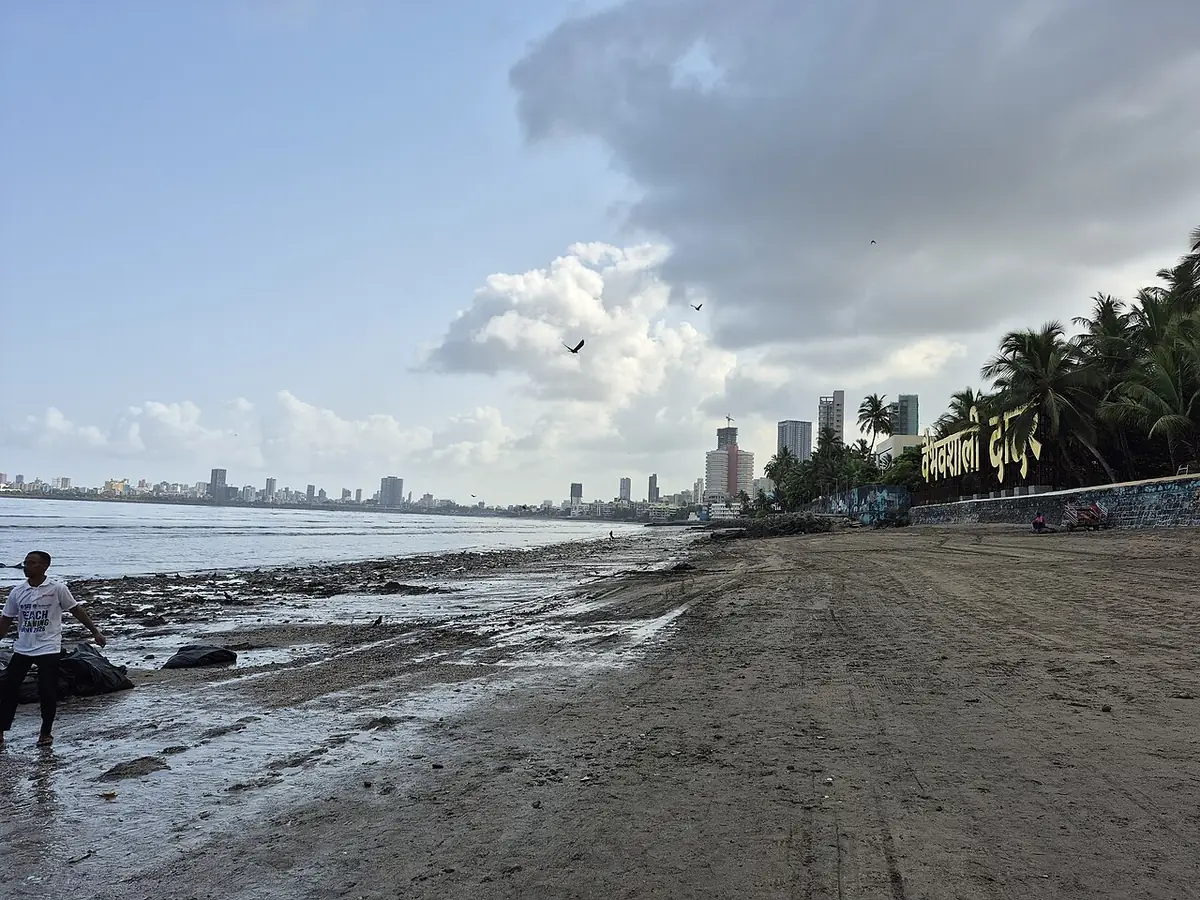
Dadar Chowpatty, where the city skyline meets the sea — Photo: Suraj Digrase · CC0 · Wikimedia Commons
Moving from the way of life back home to everyday life as a Mumbaikar changes your usual reference points profoundly.
Life in Mumbai does not forgive vague choices when it comes to housing. Whether you arrive as a family with school-age children, as a couple working remotely or on a short professional assignment, the equation changes completely. Every profile has to weigh comfort at home against the logistical constraints of the city.
A family looking for space
Families look above all for neighbourhoods with accessible international schools and safe outdoor space. Renting a house lets children grow up with a private garden, something rare in an apartment. You still need to think ahead about access to medical facilities and play areas so the youngest do not end up isolated.
A mobile executive or entrepreneur
For busy professionals, the top priority remains cutting travel time to business hubs such as Bandra Kurla Complex. A house often brings too much logistical upkeep if you travel frequently. It is worth assessing whether the extra space justifies the day-to-day management of domestic staff.
An independent resident
Remote work in Mumbai depends on reliable basic services, particularly electricity and internet, often backed up by powerful inverters. Renting a house has the advantage of letting you set up an office away from street noise. The calm of outlying residential areas then becomes a major asset for concentration.
What really changes between your usual way of life and settling here?
Once these adjustments are measured, choosing the neighbourhood becomes the geographical decision that shapes everything else.
Settling into a house in Mumbai when you leave behind the reference points of home means giving up many logistical certainties. The way services are organised, how domestic staff are managed and how neighbours relate to each other all follow specific codes. Understanding these mechanisms from day one saves you a great deal of administrative and personal disappointment.
From abroad
Running your household yourself, directly and without outside help
Mumbai
Frequent reliance on domestic staff for everyday tasks
Running the home includes the presence of household employees, which changes how you manage your privacy and your personal spaces.
From abroad
Standardised, automated urban infrastructure
Mumbai
Heavy dependence on local building managers and residents' association rules
The rules in residential enclaves are strict and call for constant diplomacy with your neighbours and the committees.
From abroad
A temperate climate with moderate seasonal changes
Mumbai
A sharp swing between intense heat and torrential monsoon spells
Maintenance of the house must plan ahead for humidity and water seepage from the first months of the year.
From abroad
Standardised administrative procedures online
Mumbai
A highly formalised system of deposits and registered agreements
Signing a residential lease follows strict local rules involving thorough identity checks.
Which residential neighbourhoods should you favour for renting a house, depending on your priorities?
These differences between areas feed straight through to the budget you will need for your rental.
Mumbai shows radically different faces depending on whether you settle in the historic neighbourhoods of the south or in the fast-growing northern suburbs. Each area has its own social microclimate, amenities and traffic constraints. Weighing up these micro-areas will spare you hours of unnecessary travel every week.
Juhu and Bandra (West)
A lively, cosmopolitan atmosphere close to the sea, very popular with creative people and expatriates.
Suits
People looking for a busy social life and cafés within walking distance.
Trade-off
Noticeably higher rents and particularly congested traffic at rush hour.
Andheri West and Goregaon
Constant commercial energy, modern residential complexes and a wide range of infrastructure.
Suits
Families and working professionals looking for a balance between modernity and accessibility.
Trade-off
Ever-present urban noise and very dense construction.
Powai
A planned district around a lake, with the feel of a green, secure campus.
Suits
People working in the technology hubs and families looking for space.
Trade-off
A long way from the historic south of the city and the coastal roads.
What budget ranges should you expect when renting a house?
Beyond the financial side, the legal question of what you can actually sign deserves the closest attention.
The rental market for standalone houses in Mumbai is governed by severe land scarcity. Unlike apartments in residential towers, independent houses and villas are rare in sought-after areas, which pushes prices up. It is essential to include housing society charges and local taxes in your financial plan.
MumbaiTo rentHouseestimate
Median price / m²₹499Half the apartments sell below this
Median price₹73.5kthe average is 14% higher — a few very large properties pull it up
Most common2 bedrooms65 % of listings
Average size140 m²
By number of bedrooms
Bedrooms
Share of market
Avg price
Price / m²
Avg size
2most common
65 %
₹64.3k
₹525
123 m²
3
27 %
₹91.6k
₹499
184 m²
4
8 %
₹127k
₹483best value / m²
263 m²
Each row is an average, compared against the area average of ₹525 / m². These are indicative estimates of a typical local market, not a measured sample of live listings. Check current listings before relying on them.
Ownership or long-term rental: what is the legal reality of your move?
That legal rigour fits into a transaction process you should follow step by step.
Indian property law protects the landlord while tightly regulating residential leases. Understanding the difference between registered agreements and local habits keeps you out of fragile legal arrangements. Clear contract terms are your best protection against disputes at the end of the lease.
The registered rental agreement (Leave and Licence)
This is the essential legal standard in India for any residential rental. Usually signed for a renewable term of eleven months, it is registered with the relevant authorities and sets out precisely what each party must do, from repairs to the return of the deposit.
What it changesAlways insist on official registration at the registration office so that your lease has unquestionable legal force.
Verbal agreements and informal arrangements
Some local landlords offer simplified arrangements to save on registration costs or to get around certain tax rules. These practices leave the tenant exposed to unexpected rent rises or sudden eviction demands with no effective legal recourse.
What it changesRefuse any compromise on putting your lease in writing and registering it legally, whatever verbal promises you are given.
What is the golden rule to master before you pay a single rupee of deposit?
Once these checks are complete, the actual transaction can go ahead calmly on a clear timetable.
Paying a booking deposit before checking that the property is fully compliant is the classic newcomer's mistake. Mumbai's property market has subtleties around land title that need to be reviewed with an independent professional. The chain of responsibility must be clear before you commit any money.
Spotting the property and agreeing verbally on the advertised rent.
A thorough check of the property's ownership by an independent local legal adviser.
A careful inspection of the house's structural condition, paying particular attention to drainage and waterproofing.
Written confirmation of the terms for returning the deposit and of responsibility for routine maintenance.
Drafting and signing the official Leave and Licence agreement before the relevant authority.
The official handover of the keys and the actual move into your new home.
How does the rental transaction unfold, step by step, until you move in?
By following this structured method, you approach your move to Mumbai with everything you need to succeed.
A successful move depends on close coordination between everyone involved. From the first shortlist of properties to the check-in inventory, each party plays a precise role, and it helps to anticipate those roles to avoid administrative delays.
The prospective tenantDefining the briefPin down your needs in terms of size, location and maximum budget before you start viewing.
The local estate agentShortlisting and viewing propertiesOrganise targeted viewings of available houses that match your criteria in the chosen neighbourhoods.
The landlordNegotiating the lease termsDiscuss specific clauses, the length of the commitment and how the monthly rent will be paid.
The legal adviserTitle and compliance reviewMake sure the landlord has the right to let the property and that no land dispute is under way.
The local authoritiesOfficial registration of the leaseComplete the biometric and legal registration of the Leave and Licence agreement to validate it.
The tenant and the landlordInventory and handover of the keysSign the inventory of fixtures and fittings and take official possession of the property.
A standalone house or a secure apartment in Mumbai: how to decide based on your priorities?
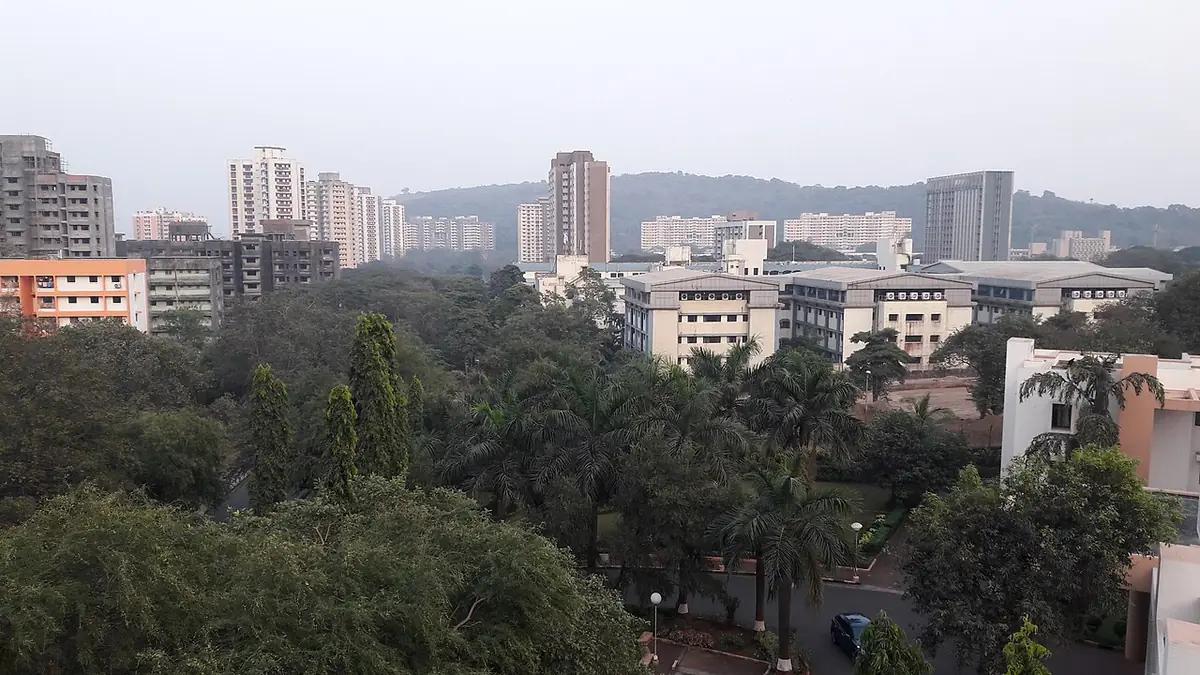
Apartment towers among the trees in Anushakti Nagar — Photo: arunpnair_787 · CC BY-SA 4.0 · Wikimedia Commons
Now that you have a clear idea of the structural differences between a house and an apartment, let us look at the financial reality of your move.
Renting a standalone house in Mumbai is a commitment and a way of life quite different from renting an apartment in a modern residential tower. Houses, which are scarce and mostly found in older or semi-residential neighbourhoods such as Juhu or Chembur, offer precious privacy, direct access to the ground and sometimes a small private garden, which is extremely rare in the megacity. However, they involve managing upkeep, security and the monsoon yourself, without the safety net of a housing society. For an expatriate or a newly arrived family, weighing the pros and cons means looking beyond the initial charm of old walls or generous rooms.
Apartments in gated communities, on the other hand, dominate the market in Lower Parel, Bandra Kurla Complex and Powai. They come with impressive shared infrastructure, including round-the-clock security, backup generators that are indispensable during frequent power cuts, a swimming pool, a gym and an on-site concierge service. The choice between these two types of property therefore depends not only on your monthly budget, but also on your tolerance for noise, your need for outdoor space and whether you would rather delegate or handle the small hassles of daily life in India yourself.
Location also weighs heavily in the balance. An independent house in Mumbai is rarely close to the major financial hubs, which could condemn you to very long daily commutes through the city's legendary traffic jams. Apartments, by contrast, let you live at the heart of the action, within walking distance of metro stations, shopping centres and fashionable restaurants. Your decision should therefore take into account not just floor area, but also the hidden cost of transport and the fatigue built up by getting around the city.
Finally, the contractual and financial aspects differ significantly between these two markets. Standalone houses often involve private landlords, with whom negotiation can be very personal but sometimes rigid at the end of the lease. Apartments in housing societies are frequently managed by institutional investors or landlords used to standard leases, which offers more reassuring legal predictability but less flexibility for specific alterations. Analysing these dynamics will spare you disappointment in the first months of your move to Mumbai.
What real monthly budget should you plan for to live comfortably in Mumbai?
With the finances laid out, let us look at how a typical day actually unfolds in this hectic megacity.
Drawing up a budget for life in Mumbai means including items of expenditure that newcomers often underestimate. Beyond the headline rent, which varies considerably by neighbourhood and standard, housing society charges, electricity bills driven by heavy air-conditioning use and domestic staff all weigh heavily. The figures below summarise the ranges seen on the property market and in everyday spending for a level of comfort matching what many are used to back home.
Indicative monthly rent ranges in Mumbai by property type and area
Property type
Central areas (Bandra / Colaba)
Residential areas (Andheri / Powai)
Outlying areas (Thane / Navi Mumbai)
2-bedroom apartment (2BHK)
INR 1,20,000 to 2,50,000
INR 70,000 to 1,30,000
INR 35,000 to 65,000
3-bedroom apartment (3BHK)
INR 2,000,000 to 4,50,000
INR 1,20,000 to 2,50,000
INR 55,000 to 95,000
Standalone house / villa
On request (very rare)
INR 2,50,000 to 5,00,000+
INR 1,00,000 to 2,50,000
The amounts shown exclude local taxes and housing society charges, which are usually added to the monthly bill.
Monthly running costs for a two-person household in Mumbai
Expense
Estimated budget in Indian rupees (INR)
Comments and factors that change it
Electricity and air-conditioning
INR 8,000 to 20,000
Rises sharply during the hot, humid months from April to June and through the monsoon.
Domestic staff (helper and cook)
INR 15,000 to 35,000
Essential for daily cleaning and local cooking, in line with standards on the ground.
Groceries and markets
INR 25,000 to 50,000
A mix of shopping at local markets and at upmarket supermarkets for imported products.
Transport (taxis, ride-hailing, fuel)
INR 10,000 to 25,000
Depends heavily on the distance between home and work and on how often you use ride-hailing apps.
This table does not include children's school fees or international health insurance, which are major expenses.
What does an ordinary Tuesday of work, school and daily life actually look like in Mumbai?
After this glimpse of daily life, let us look at the hidden aspects that estate agents often fail to mention.
Anticipating the daily rhythm of Mumbai is vital if you want to avoid exhaustion from travel and the constant bustle of the city. Between early school hours, traffic peaks on major roads such as the Western Express Highway and managing household services, every hour counts. This timeline of an ordinary Tuesday shows the key moments and the points to watch so you can organise your family and working schedule as well as possible.
07:00Residential neighbourhood (Bandra / Andheri)The early start coincides with the arrival of the housekeeper and the fresh milk delivery. The relative cool of the morning lets you get the children ready for international school before the heat sets in.
08:30On the way to school or the officeThis is the start of the first traffic peak. School buses and private cars weave through traffic that is dense but still moving compared with the rush hour about to begin.
10:30Business hub (BKC or Lower Parel)You settle into an air-conditioned office. Morning meetings follow one another while your building's caretaker takes in parcel deliveries and handles maintenance.
13:00Lunch break in townA good moment to discover local cuisine or have lunch in a business café. It is also when the famous Dabbawalas deliver thousands of hot home-cooked meals across the whole city.
16:30Children home and activitiesThe children come home from school. After-school activities usually take place within the secure residential complexes, to avoid heading back into the late-afternoon traffic jams.
19:30Supermarket or local marketLast-minute shopping for fresh produce, or a stop at the neighbourhood delicatessen for imported products you cannot find in traditional markets.
21:30Back to calm at homeFamily dinner and getting ready for the next day. The complex's security screens the last visitors and ensures a peaceful night despite the bustle of the city outside.
Which crucial details do property listings in Mumbai deliberately leave out?
Knowing these pitfalls is a good start, but let us now look at the classic mistakes that catch newcomers out after a few months.
Mumbai's rental market has its own codes, unspoken rules and legal subtleties that can turn love at first sight into an obstacle course. Online photos flatter the rooms and hide the reality of the immediate surroundings, the noise or the constraints on water supply. Here are the decisive points you absolutely must check before signing any rental agreement in India's economic capital.
Cultural and dietary restrictions in the housing society
Many residential cooperative societies in Mumbai impose strict rules about non-vegetarian food or about accepting certain kinds of foreign tenants. Do not discover these bans after paying the deposit.
The reliability of the water supply and the generators
Some neighbourhoods face regular water cuts or severe municipal restrictions. Making sure the building has adequate tanks and a working generator that covers the whole home is essential.
The real state of soundproofing against city noise
Mumbai never really sleeps. A home near a major road or an active building site can become unbearable without good double glazing, which is rare in older buildings.
End-of-lease costs and the return of the security deposit
Getting the security deposit back at the end of the lease is a thorny issue in India. Landlords often demand full refurbishment at the outgoing tenant's expense, which weighs heavily on the final budget.
Construction projects planned opposite your view
Mumbai's skyline is changing at lightning speed. A bright home with an open view today can find itself facing a gigantic residential tower site within six months.
Which misjudgements do people bitterly regret six months after moving in Mumbai?
Despite these difficulties, not everyone is cut out to settle here for the long term. Let us see who should think twice.
Looked likeA beautiful old apartment full of character with high ceilings in a historic neighbourhood.
Turned outAn energy sink that is hard to cool, riddled with damp during the monsoon and prone to recurring plumbing failures.
Would have caught itAlways viewing properties during the rainy season, or carefully inspecting walls and ceilings for signs of damp.
Looked likeA location supposedly close to every amenity and the main roads.
Turned outA geographical trap that turns every work journey into a two-hour ordeal because of a local traffic bottleneck.
Would have caught itTesting the journey at rush hour on a weekday before signing, rather than trusting the distance estimates of online maps.
Looked likeA rent slightly above the initial budget but offset by the promise of high-end amenities.
Turned outAn exorbitant electricity bill and hidden housing society charges not included in the original lease.
Would have caught itAsking to see the last twelve months of electricity bills and requiring a written summary of all compulsory housing society charges.
Looked likeA very friendly, accommodating landlord during viewings, promising quick repairs verbally.
Turned outA landlord who is nowhere to be found when it comes to paying for major structural repairs or replacing faulty equipment.
Would have caught itHaving every promise of works or extra equipment written up and attached to the lease before signing.
Who should give up on renting in Mumbai altogether and look for another option?
It is now time to take stock and decide whether you are truly ready to take the plunge.
Moving to Mumbai does not suit every way of life or every career expectation. The pressure of the city, the cost of living and the culture shock demand great psychological resilience and constant flexibility. Assessing your profile objectively will spare you a failed relocation or a premature move after only a few months.
People looking for absolute calm and large natural green spaces
→To settle in a medium-sized city or a very residential suburb elsewhere.
Mumbai is one of the densest and noisiest cities in the world. Total silence and wild nature simply do not exist there, even in the most exclusive neighbourhoods.
Professionals who cannot tolerate the unexpected or slow administration
→To favour cities with fully predictable, highly digitised infrastructure.
Managing contracts, relations with landlords and everyday services still relies heavily on people, verbal negotiation and sometimes surprising delays.
Tight budgets with no financial leeway for the unexpected
→To wait until they have built up emergency savings or secured a more substantial relocation allowance.
The cost of international schools, private healthcare and housing to the standards many are used to back home quickly absorbs modest incomes and leaves no safety net.
So, are you really ready to take the plunge and settle in Mumbai?
Deciding to move to Mumbai is an exciting bet on the future, one that turns all your usual reference points upside down. Between the exceptional economic energy of India's financial capital and the complexity of its property market, every step calls for method, patience and a keen eye. If you have accepted that comfort here has to be earned and organised with the help of a reliable local network, you will find in this city an energy and a human richness like nowhere else.
Your success will depend above all on your ability to delegate what should be delegated while keeping control of the fundamental choices, such as the neighbourhood and a rigorous legal review of your lease. Do not try to reproduce the way of life you had back home exactly: embrace the local codes, surround yourself with sound advice and plan for the unexpected in climate and logistics. Mumbai rewards those who prepare with clear eyes and pragmatism.
Take the time to view several properties, to talk to the residents of the buildings you are considering and to test your real commuting times before paying any deposit. The market moves fast, but rushing is the worst mistake in such a dense environment. If your bags are packed and you understand the challenges described in this guide, you hold the keys to one of the most memorable professional and personal adventures of your life.
Related questions
What is the best neighbourhood for a family to settle in Mumbai?
Bandra West, Juhu and Powai are generally favoured by families for their safety, their closeness to international schools and their green spaces or landscaped waterfront promenades.
Do you have to go through an estate agent in Mumbai?
It is strongly recommended to use a reputable estate agent or a property finder who specialises in expatriates, because they understand the legal subtleties of the contracts and the local customs.
How does the security deposit work for a rental in Mumbai?
The standard security deposit is usually the equivalent of three to six months' rent, sometimes more in the most exclusive areas, and it is negotiated firmly when the registered agreement is drawn up.
Are rental agreements written in English?
Yes, residential leases aimed at expatriates and executives are always written in English, and they must be registered with the local authorities to be fully valid in law.
What precautions should you take for the monsoon season?
It is essential to check that the windows are watertight, that there is no seepage in the walls and that rainwater drains properly around the building, to avoid serious trouble between June and September.
Is it easy to find domestic staff in Mumbai?
Hiring housekeepers, drivers or cooks is extremely common, and it is made easier by the word-of-mouth network of building caretakers and previous tenants.
How do you get between the suburbs and the business districts?
The suburban rail network, taxis, ride-hailing apps and the expanding new metro lines connect the city, even though heavy traffic can make journeys long.
What additional costs should you expect when signing the lease?
On top of rent paid in advance and the security deposit, budget for the estate agent's fee, the cost of registering the agreement and advance payment of the housing society's maintenance charges.
Are pets allowed in rentals in Mumbai?
Whether pets are accepted depends entirely on the rules of the building's cooperative housing society. Some societies ban them outright, while others tolerate them under conditions.
How are power cuts handled in the city?
Power cuts have become rarer in modern neighbourhoods, and the vast majority of upmarket buildings have automatic generators that take over within seconds.