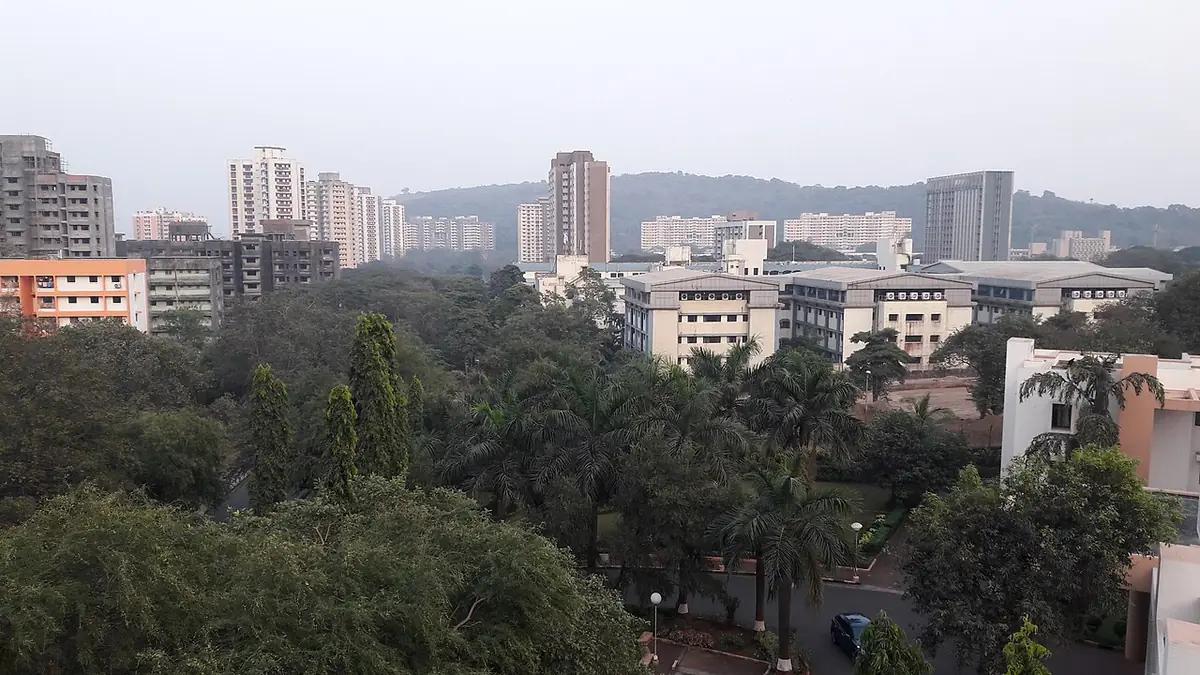
Finding the right home in India's financial capital means understanding how its property market really works on the ground. This guide sets out the neighbourhoods, the budgets and the essential rules for settling into Mumbai without a false step.
Get the app
What nobody tells you.
Real prices, hidden costs and the traps to check before you commit.
What you really get when you rent an apartment in Mumbai
Scroll
What you really get when you rent an apartment in Mumbai
Finding the right home in India's financial capital means understanding how its property market really works on the ground. This guide sets out the neighbourhoods, the budgets and the essential rules for settling into Mumbai without a false step.
Written by the ting.ad editorial team ·
Mumbai in Street View: drag to look around.
Renting an apartment in India's financial capital is about more than finding a dry roof during the monsoon. It means accepting a constant trade-off between the buzz of the city and the search for a protected space of your own. Every neighbourhood has its own rules for traffic, neighbours and water management. Looking hard at what you actually get helps you avoid disappointment in the first few months.
Being right at the centrevsLess living space
Living in central neighbourhoods such as Colaba or Bandra puts you at the heart of working life and professional networks. In return, homes are often small and rents climb steeply for every extra square metre.
Modern secure residencesvsDistance from the business hubs
Choosing a recent complex in Lower Parel or the northern suburbs gives you upmarket amenities, tighter security and a more reliable water supply. Daily journeys, however, get considerably longer at rush hour.
Local cultural immersionvsAdjusting to the noise and the bustle
Settling in an authentic neighbourhood lets you understand the real rhythm of the megacity and enjoy a rich local life. It does, however, demand a good deal of adaptability in the face of the street's relentless intensity.
Does this place suit your lifestyle and your day-to-day needs?
Dadar Chowpatty, where the city skyline meets the sea — Photo: Suraj Digrase · CC0 · Wikimedia Commons
Daily life in the Indian metropolis upends the usual Western ways of organising things. Between commuting, managing household staff and the tropical climate, every expat or resident needs to weigh up how well they fit the local environment before signing a long lease.
Working professional who wants to be central
If your top priority is to spend as little time as possible commuting to the office, you will need to target central neighbourhoods or well-connected business enclaves. You will gain in responsiveness and social life, but you will have to accept pricier leases and more compact homes. The way your week works will depend entirely on how close you are to the main transport routes.
Family with school-age children
For those moving with a family, the natural choice is a residence with private green spaces, swimming pools and strict security. Being near international schools and healthcare then becomes the deciding factor, outweighing proximity to the historic centre. The trade-off is longer journeys for cultural outings at the weekend.
Digital nomad or creative professional
Residents who work remotely will look above all for a stable high-speed internet connection, a power supply backed by generators and a neighbourhood with coworking spaces or quiet cafés. Your money will go into the quality of the apartment itself rather than its exact location, which lets you explore more residential and greener areas.
Living in Mumbai when you arrive from abroad: what actually changes
Moving from a Western way of life to the daily reality of Mumbai brings a cultural and practical shock that is worth anticipating. Housing norms, relations with neighbours and the running of the household all work on very different principles from the ones you are used to.
From abroad
Back home, renting and looking after your home rely on your own independence and strict legal safeguards.
Mumbai
In Mumbai, renting involves agreements usually formalised in complex eleven-month renewable leases, often with management companies and very hands-on landlords involved.
Be ready for what looks like administrative flexibility but is framed by firm local customs, where mutual trust and licensed brokers play a central role.
From abroad
Back home, water and electricity are continuous, invisible services you barely think about.
Mumbai
In Mumbai, managing water (regular cuts, tanks, purifiers) and fluctuations in the power grid is an integral part of the household routine.
Always check that the building has booster pumps, effective filtration systems and backup solutions before you commit.
From abroad
Back home, help in the home is a regulated and often expensive luxury.
Mumbai
In Mumbai, domestic help for cleaning, cooking or security is a common and affordable part of residential life.
This reshapes how you spend your day, while requiring some cultural adjustment in managing working relationships within your household.
From abroad
Back home, neighbourhood life revolves around standardised local shops and well-kept pedestrian streets.
Mumbai
In Mumbai, public space is in constant ferment, with small traders, dense traffic and colourful street markets side by side.
You will have to completely rethink how you walk and get around the city, putting safety and comfort first.
Which neighbourhood should you choose to settle in Mumbai?
The geography of the Mumbai peninsula dictates how your daily life is organised. Each area has its own identity, its own price level and infrastructure suited to particular expectations. Choosing the right neighbourhood starts with accepting the commuting constraints that come with it.
Colaba and Fort
A historic atmosphere shaped by colonial architecture, constant cultural activity and the sea right on the doorstep.
Suits
Heritage lovers, professionals working in the historic business district and anyone looking for a lively arts scene.
Trade-off
Some of the highest rents in the city for older buildings where modernisation work can prove complicated.
Bandra West
A trendy, cosmopolitan seafront neighbourhood known for its cafés, designer boutiques and expat community.
Suits
People looking for a modern urban lifestyle, a strong social life and a walkable feel.
Trade-off
Extremely strong rental demand that makes available properties scarce and pushes prices per square metre sky-high.
Lower Parel and Worli
The contemporary face of Mumbai, marked by high-rise residential towers, integrated shopping complexes and modern infrastructure.
Suits
Senior executives and families looking for the full comfort of secure residences with high-end amenities.
Trade-off
A very concrete-heavy environment and roads that are often gridlocked despite being close to the new business hubs.
Juhu and Andheri West
A popular residential area along the northern beaches, offering a good balance of green space, a relaxed atmosphere and proximity to the film studios.
Suits
Families and creative-industry professionals who want a slightly airier setting while staying connected to the city.
Trade-off
A longer journey to the financial district in the south of the city at rush hour.
What a property costs here: rent ranges in Mumbai
Mumbai's rental market varies enormously depending on location, the age of the building and the services included in the residence. Any budget must take in maintenance charges, security deposits and the costs of looking after the home.
MumbaiTo rentApartmentestimate
Median price / m²₹608Half the apartments sell below this
Median price₹52kthe average is 14% higher — a few very large properties pull it up
Most common2 bedrooms40 % of listings
Average size80 m²
By number of bedrooms
Bedrooms
Share of market
Avg price
Price / m²
Avg size
1
38 %
₹31.1k
₹691 +8 %
45 m²
2most common
40 %
₹44.8k
₹640
70 m²
3
17 %
₹63.8k
₹608 −5 %
105 m²
4
5 %
₹88.3k
₹589best value / m²
150 m²
Each row is an average, compared against the area average of ₹640 / m². These are indicative estimates of a typical local market, not a measured sample of live listings. Check current listings before relying on them.
What you can really hold as a tenant
Signing a lease in India follows specific legal rules that you must master to secure your move. Between the standard length of leases and the termination clauses, tenant protection rests on careful drafting of the agreement.
The legal framework of eleven-month leases
In practice, the vast majority of residential leases in Mumbai are signed for exactly eleven months, renewable by addendum. This traditional arrangement avoids the heavy registration requirements that rent control laws impose on long leases.
What it changesPlan ahead for the annual renewal with your landlord and check the rent review terms set out from the start in the original agreement.
Customary obligations and checks
Verifying the identity of the actual owner and carefully inspecting the clauses on repairs falls entirely on the tenant. Building maintenance charges must be clearly separated from the net rent in the agreement.
What it changesUsing a reputable estate agent or a local legal adviser is strongly recommended to check every line of the agreement before any money changes hands.
The rule to understand before paying a deposit on your rental
Reserving an apartment in Mumbai calls for constant vigilance, given how fast deals move and how many intermediaries are involved. Understanding the chain of financial responsibility protects your money from the very first negotiations.
Viewing the property and agreeing in principle on the rent and charges.
Thorough verification of the original title deeds presented by the owner or their official representative.
Drafting a letter of intent or booking agreement setting out the conditions and the deposit amount.
Paying the security deposit into an escrow account or through traceable, secure channels.
Signing the official rental agreement (Leave and Licence Agreement), registered with the relevant authorities.
Handing over the keys and carrying out a detailed check-in inventory with both parties present.
How a rental transaction works in Mumbai, step by step
Settling successfully into a rental in Mumbai means following a rigorous method, from the first shortlist of properties to actually moving into your new home.
The prospective tenantSetting criteria and shortlisting neighbourhoodsPin down your location priorities based on your workplace and family needs so you can target your viewings.
The estate agentTargeted viewings and negotiating termsView the shortlisted properties, paying attention to the condition of the building, the water supply and security.
The legal adviserChecking the documents and the leaseExamine the draft Leave and Licence agreement carefully and check that the title deeds are in order.
The landlordSigning the agreement and registrationSign the official agreement and have it legally registered with the relevant city authorities.
The tenant and the landlordPaying deposits and the check-in inventoryPay the deposits by secure means and carry out the check-in inventory before the keys are handed over.
The service providerMoving in and setting up servicesCoordinate the installation of internet subscriptions and household appliances, and organise your household staff.
Renting an apartment or a house in Mumbai: the big trade-off
Apartment towers among the trees in Anushakti Nagar — Photo: arunpnair_787 · CC BY-SA 4.0 · Wikimedia Commons
Once this first choice between living up high and living on the ground is made, the next step is to put a precise figure on the financial effort needed to settle in for the long term.
Choosing between an apartment in a high-rise building and a house in Mumbai affects not only your monthly budget but, above all, your daily tolerance for urban chaos and the megacity's logistical constraints. In central neighbourhoods such as Lower Parel, Worli or Bandra West, an apartment in a secure tower (a gated community) is almost the only option for expats and senior executives who want to combine proximity to work, security and on-site amenities.
Upmarket high-rise residences offer services that a standalone house simply cannot guarantee in dense areas: a permanent power generator to cover recurring outages, round-the-clock security, a swimming pool, a gym and an allocated covered parking space. Living high up also considerably reduces the deafening traffic noise and means breathing slightly cleaner air above the tenth floor, while enjoying panoramic views over the Arabian Sea or the vast glittering skyline of India's financial capital.
By contrast, choosing a house or a low-rise unit (an independent bungalow or a row house) means moving away from the congested business corridors to find refuge in more residential, greener enclaves such as Juhu, Pali Hill or some of the quieter pockets of Chembur. This choice suits large families, owners of demanding pets and lovers of sheer space who are willing to give up the standardised comfort of modern towers for complete architectural freedom, a generous floor area and the precious bonus of a private garden or terrace.
However, living in a house in Mumbai brings major practical challenges that should never be underestimated when signing the lease. Maintaining the structure, keeping it watertight during the torrential monsoon, dealing with pests yourself and organising security fall entirely on the tenant or the landlord, without the safety net of a responsive housing society. On top of that, older houses often suffer from ageing plumbing and unreliable water pressure, requiring booster pumps and individual storage tanks that are complicated to maintain.
Ultimately, the balance should tip towards an apartment if your top priority is smooth logistics, peace of mind and settling straight into a demanding professional environment. It should tip towards a house only if you have a substantial budget to absorb the hidden maintenance costs, plenty of flexibility in the face of unexpected local technical problems, and a deep need for private space and greenery in one of the densest cities on the planet.
What real budget do you need to live comfortably in an apartment in Mumbai?
With the budget locked in, it is time to picture the concrete reality of the daily rhythm of life in the metropolis.
Budgeting for a rental in Mumbai cannot stop at the headline monthly rent negotiated with the landlord. Your forecast must include all the compulsory maintenance charges, local taxes, the particularly high security deposits required on the Indian market and the bills for the essential services needed to maintain a Western level of comfort. A careful look at recurring expenses helps you avoid financial headaches from your very first months in the financial capital.
Indicative monthly rent ranges by neighbourhood and apartment type in Mumbai (in Indian rupees, INR)
Property type
Central neighbourhoods (Bandra, Worli, Lower Parel)
Outlying areas (Thane, Navi Mumbai, Goregaon East)
1 bedroom / upmarket furnished studio
INR 80,000 to 130,000
INR 50,000 to 80,000
INR 30,000 to 50,000
2 bedrooms / family apartment
INR 150,000 to 280,000
INR 90,000 to 150,000
INR 55,000 to 90,000
3 bedrooms or more / luxury penthouse
INR 300,000 to 700,000+
INR 180,000 to 350,000
INR 100,000 to 180,000
These amounts exclude building maintenance charges (society maintenance) and the initial security deposit.
Additional monthly and one-off running costs in Mumbai
Expense
Estimated amount or how it is calculated
Frequency and impact on the overall budget
Security deposit
3 to 6 months' gross rent, either non-refundable or refundable without interest
One-off payment when the registered lease is signed
Building maintenance charges (society maintenance)
INR 10 to 25 per square foot of floor area
Paid monthly or quarterly to the building manager
Electricity, air conditioning and water
INR 8,000 to 25,000 depending on how heavily the air conditioning is used
Variable monthly bill depending on the summer season and the monsoon
High-speed internet and TV subscriptions
INR 1,500 to 3,000 for a stable fibre connection
Fixed monthly subscription with local providers
The security deposit is often a considerable cash outlay that needs to be planned for before you leave.
Healthcare, schools, transport: what does an ordinary Tuesday look like when you rent in Mumbai?
While this schedule highlights the apparent comfort, several hidden realities of rental agreements often escape newcomers.
To grasp what settling into a home in Mumbai really involves, nothing captures daily life better than a precise hour-by-hour account of an ordinary weekday. Between commuting through legendary traffic, getting children to international schools on the outskirts and accessing first-class healthcare, every hour is shaped by the megacity's vast logistics. This typical day shows just how important it is to choose a home that is well connected to the places you actually spend your life.
7:00 to 8:00Your apartment in Bandra West or Lower ParelAn early start in air-conditioned comfort, checking the water supply and preparing breakfast, possibly with help from local domestic staff.
8:00 to 9:00The school run to the international schoolsChildren travel on the school's secure bus or by car with a private driver, making careful progress through roads that are already congested.
9:00 to 13:00Business district (BKC or Nariman Point)Arrival at the office in a modern, fully connected tower, followed by back-to-back meetings in an air-conditioned workspace built to international standards.
13:00 to 14:00Business lunch or a local breakA meal in an upmarket hotel restaurant, or fusion food delivered straight to the office by the city's specialist services.
14:00 to 18:00Admin and local errandsThe working day continues, followed by a quick stop at an upmarket supermarket to stock up on imported fresh produce.
18:00 to 20:00Heading home and leisure timeA journey home that rush hour may slow down, then some well-earned unwinding with a workout in your residence's gym.
20:00 to 22:00Dinner and quiet family timeDinner as a family at home or out at a fine-dining restaurant in the neighbourhood, enjoying Mumbai's vibrant yet safe nightlife.
What the property listing will never tell you about renting in Mumbai
These contractual grey areas lead straight to the misjudgements tenants make in their first months on the ground.
The glossy photos on online property portals and the glowing descriptions from agencies regularly hide structural constraints and local customs that can baffle the uninitiated. Between landlords' cultural restrictions, the complicated handling of minor repairs and the subtleties of Indian tenancy law, signing a lease in Mumbai comes with its share of surprises. Knowing these non-negotiable points before you start will spare you enormous frustration and substantial financial losses.
Dietary and cultural restrictions imposed by landlords (Vegetarian Only)
Many traditional landlords in Mumbai flatly refuse to rent to people who eat meat or fish, or whose lifestyle they consider at odds with their religious values, which drastically narrows the choice of available apartments.
The automatic rent increase clause (Escalation Clause)
Standard leases almost always include a clause providing for an automatic rent increase of 8 to 10 per cent each year, which quickly throws your budget off balance if you plan a long stay.
The Kafkaesque return of the security deposit when you leave
Getting your full security deposit back at the end of the lease can be an obstacle course, with landlords piling on unfair deductions for supposed full repainting or refurbishment work that they systematically overcharge for.
No sound or thermal insulation in older buildings
Many mid-era buildings have almost no sound insulation against the constant noise of the street, the horns and nearby construction sites, turning daily rest into a permanent challenge.
The absolute discretionary power of the housing society (Managing Committee)
The society's managing committee can impose draconian rules on lift access times for moving in, bans on certain visitors or the conditions for using shared spaces.
The big mistakes you only discover six months after moving in
Faced with these relational and logistical pitfalls, it is fair to ask whether some buyers or tenants are simply not suited to this destination.
Looked likeSigning a lease quickly without checking the building's full history of water and power cuts.
Turned outPutting up with daily power outages and recurring water shortages on the upper floors, despite a generator that turns out to be faulty.
Would have caught itInsist on an early termination clause without penalty and ask the current neighbours directly how reliable the building's infrastructure really is.
Looked likeSkipping a thorough check-in inventory, assuming an honest landlord will fix minor paint and plumbing defects.
Turned outBeing blamed at the check-out inventory for all the damage that existed before you even moved in.
Would have caught itMake a very detailed, time-stamped photo and video record of every room, countersigned by the landlord or their legal representative when the keys are handed over.
Looked likeChoosing an apartment that leaves the family geographically isolated to get slightly lower rent for the same standard.
Turned outSpending more than three hours a day commuting, wearing the family out and cutting the household off socially.
Would have caught itAlways put being close to employment hubs and international schools first, even if it means accepting slightly less floor space.
Looked likeTrusting an unregistered independent estate agent without checking their official professional references.
Turned outLosing large sums in undue commission fees and being left without legal support in a serious dispute with the landlord.
Would have caught itWork only with recognised international estate agencies or brokers firmly recommended by your professional network on the ground.
Who should definitely not take on a property move in Mumbai?
Now that every angle has been examined objectively, it is time to make your final decision.
India's economic megacity has a fascinating but exhausting energy that does not match the aspirations of every would-be expat or investor. Insisting on settling into such a dense and complex property market without the necessary psychological flexibility inevitably leads to personal failure. Some specific profiles should seriously reconsider their plans before committing to a long lease in Mumbai.
People who cannot tolerate constant noise, air pollution and relentless urban bustle
→Settling in the heart of ultra-dense neighbourhoods such as South Mumbai or Lower Parel, hoping to find the calm of a small European town.
The noise of traffic, incessant horns and permanent construction sites cause chronic stress in sensitive people that is incompatible with a peaceful way of life.
Rigid professionals attached to predictable, instant administrative processes
→Trying to manage the contractual relationship with local landlords alone, without an experienced representative.
The Indian rental market relies on informal customs, lengthy person-to-person negotiations and local administrative practices that demand enormous patience and great flexibility of mind.
Investors looking for immediate, high and guaranteed rental returns without any management effort
→Buying a standard residential property in Mumbai to rent out to expats, expecting a net yield comparable to Western cities.
Gross rental yields in Mumbai have traditionally been around 2 to 3 per cent a year, which makes pure buy-to-let investment unattractive given the high purchase prices and transfer taxes.
So, are you really ready to take the property plunge in Mumbai?
Renting an apartment in Mumbai is a major decision that goes far beyond simply signing an eleven-month lease. It means clear-eyed acceptance of an intense way of life, driven by the exceptional economic energy of India's financial capital but also by daily logistical challenges that will seriously test your patience. If you have weighed up the real costs, the complexity of maintenance charges and the absolute need to choose a strategic location close to where you spend your days, you now have everything you need to succeed.
The success of your move rests entirely on your ability to hand the administrative side to trusted professionals, to negotiate the rent review clauses firmly and to accept that comfort in Mumbai always comes within secure, well-run enclaves. The compromises you make today on floor area or location will directly shape the quality of your personal and professional balance in the months ahead.
Never rush during viewings, and refuse to sign any document until the condition of the electrics, the plumbing and the water supply has been formally checked by an independent third party or by your own careful inspection. Mumbai's property market always rewards rigour, methodical preparation and a clear head in the face of the fine promises made in online listings.
If, after careful thought, the city's boundless energy, its unique career opportunities and its vibrant culture outweigh the constraints of its density for you, then you are ready to take the leap. Surround yourself with the right partners, secure your overall budget by factoring in every hidden tax and charge, and get ready for a truly unforgettable personal and professional experience in the heart of Mumbai.
Related questions
What is the average security deposit required to rent an apartment in Mumbai?
The standard security deposit landlords ask for in Mumbai is usually between three and six months' gross rent. This large sum is paid when the registered lease is signed and earns the tenant no interest for the whole duration of the tenancy.
What is the standard length of a residential rental agreement in Mumbai?
The vast majority of residential leases in Mumbai are signed for an initial term of eleven months, to avoid certain strict provisions of rent control law, with an option to renew on mutually negotiated terms when the term ends.
Which neighbourhoods are most sought after by expats looking for a home in Mumbai?
Expats and senior executives have traditionally favoured coastal and central neighbourhoods such as Bandra West, Juhu, Worli and Lower Parel, as well as the secure high-end residences of the Bandra Kurla Complex (BKC) business district.
How are building maintenance charges calculated in Mumbai's residential towers?
Maintenance charges, known as society maintenance, are generally calculated on the apartment's floor area, ranging from 10 to 25 rupees per square foot per month, and are paid directly to the housing society that manages the building.
Is it possible to rent a fully furnished and equipped apartment in Mumbai?
Yes, the market offers many fully furnished properties with air conditioning in every room, a full set of household appliances and sometimes furniture of international standard, although the rent is then noticeably higher.
What taxes apply when signing a lease in Mumbai?
On top of the rent and charges, the tenant often has to pay stamp duty and official registration fees for the lease with the local authorities of the State of Maharashtra.
How does the water supply work in Mumbai's apartment towers?
Modern towers have large underground and overhead tanks supplied by the municipality and topped up, when needed, by private tanker deliveries during the summer periods of water shortage.
Do you have to use a licensed estate agent to find a home?
Although it is not strictly required by law, using a professional estate agent in Mumbai is strongly recommended to secure the negotiations, draft a compliant agreement and avoid the scams that are common.
What official documents does a foreign tenant need to sign a lease?
A foreign national generally has to provide a valid passport, a valid work or business visa, an official letter from their local employer and certified bank references.
How do you resolve a dispute with your landlord over the return of the security deposit?
If a disagreement over deductions from the security deposit persists, amicable mediation through the estate agency or the building manager remains the most effective route before any legal action.