Investing in residential property in Mumbai calls for a close understanding of the city's urban dynamics, its specific legal rules and the financial realities of the market. This guide works methodically through every stage of your purchase, from the most sought-after neighbourhoods to the finer points of property titles, so you can make an informed decision with complete peace of mind.
Get the app
What nobody tells you.
Real prices, hidden costs and the traps to check before you commit.
What you really get when you buy an apartment in Mumbai
Scroll
What you really get when you buy an apartment in Mumbai
Investing in residential property in Mumbai calls for a close understanding of the city's urban dynamics, its specific legal rules and the financial realities of the market. This guide works methodically through every stage of your purchase, from the most sought-after neighbourhoods to the finer points of property titles, so you can make an informed decision with complete peace of mind.
Written by the ting.ad editorial team ·
Sale Apartment Mumbai in Street View: drag to look around.
Beyond the figures and the macroeconomic charts, buying an apartment shapes your daily life directly, depending on the kind of buyer you are.
Investing in residential property in Mumbai is about more than acquiring floor space in one of the densest megacities on the planet. Above all, it means exposing yourself to a contrasting urban reality where the scarcity of land constantly redefines what property is worth. Buyers have to deal with complex market dynamics and constant trade-offs between affordability and prestige. Understanding this fundamental paradox helps you avoid financial disappointment when you sign the sale deed.
A promise of central location and economic energyvsPermanent traffic congestion and exhausting journey times
Living close to business districts such as Nariman Point or Bandra Kurla Complex considerably cuts the time spent commuting every day. In return, the noise and the density of traffic call for a psychological adjustment that many people underestimate when they buy.
Modern residential developments with upmarket amenitiesvsA cost per square metre among the highest in Asia
Recent towers offer high-level security, pools and built-in fitness areas. However, these amenities translate into substantial maintenance charges and an initial purchase price that sharply limits the potential gross rental yield.
A rental market supported by steady professional demandvsGross rental yields often below the national average
The continuous influx of senior executives and expatriates ensures high occupancy for well-located properties. Nevertheless, high asset values inevitably squeeze the annual rental yield, forcing investors to rely mainly on long-term capital growth.
Being part of a cosmopolitan, lively urban fabricvsA gradual standardisation of the cityscape at the expense of historic character
Changing neighbourhoods offer an international urban lifestyle with a wide range of leisure facilities. On the other hand, the wave of rapid demolition and rebuilding is slowly erasing the Art Deco and colonial architecture that gave some parts of the city their distinctive identity.
Does this Mumbai apartment really suit the way you live?
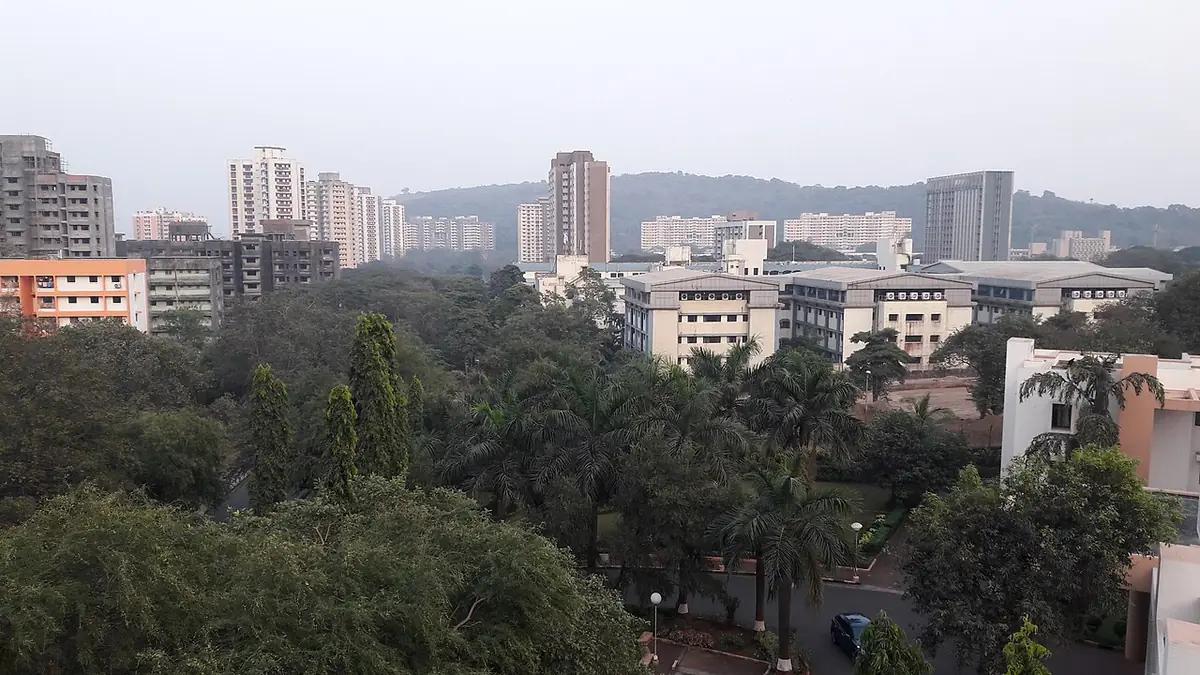
Apartment towers among the trees in Anushakti Nagar — Photo: arunpnair_787 · CC BY-SA 4.0 · Wikimedia Commons
Changing country and property system means testing your usual reference points against local administrative and cultural realities.
How well a property project matches the real pace of life in Mumbai deserves an unflinching look. The city's constraints directly shape how you feel about your home after a few months of living there. Every type of buyer faces specific trade-offs between being close to work, the calm of the neighbourhood and the living space available.
Looking for secure comfort and built-in services
Senior executives and international professionals generally favour managed 'gated communities' in neighbourhoods such as Worli or Bandra West. These developments provide round-the-clock security, backup generators that are essential given the power cuts, and on-site sports facilities. This choice involves a sizeable budget and accepting high maintenance charges, but it offers a much-needed refuge from the bustle of the megacity outside.
Looking for liquidity and lasting rental demand
For an investor who does not live locally, the top priority is small units such as studios or one-bedroom apartments right next to the major business hubs. These properties attract a young, mobile workforce, which means tenants turn over quickly and the risk of vacancy is minimal. Management must be entrusted to a reputable local agency to oversee upkeep, payment of charges and dealings with the housing society.
Looking for space, schools and neighbourhood life
Settling in Mumbai for the long term as a family means targeting areas with well-regarded international schools, green spaces and first-rate healthcare. Residential neighbourhoods set a little back from the ultra-dense centre offer more generously sized apartments and a calmer neighbourhood atmosphere. The compromise is a longer daily commute to reach the city's central business districts.
Living here when you come from abroad: what changes fundamentally when you buy
Once these administrative differences are understood, the choice of location becomes the deciding factor in your investment.
Buying property in India when you are used to the legal and administrative culture back home exposes you to clear differences in practice. Notions of ownership, bank guarantees and dealings with intermediaries follow their own codes. Anticipating these cultural and procedural gaps avoids major misunderstandings when the preliminary agreements are drafted and the financing is put together.
From abroad
A single, centralised notary or conveyancing framework that secures the transaction from start to finish
Mumbai
Specialist lawyers involved and titles registered with the local land authorities
Checking the ownership history over several decades demands extreme rigour and the formal opinion of an independent legal adviser to rule out any risk of a land dispute.
From abroad
Living areas measured to a standard legal definition
Mumbai
Frequent use of loose area concepts such as 'super built-up area'
The actual private floor space ('carpet area') can be noticeably smaller than the size advertised in sales brochures, changing the real price per square metre.
From abroad
Predictable maintenance charges overseen by a professional managing agent
Mumbai
Self-run residents' committees whose management and transparency vary widely from one building to the next
You must audit the society's accounts and planned future works before buying so you are not hit with unexpected calls for funds in your first year.
From abroad
Standardised access to mortgage credit for residents and non-residents
Mumbai
Strict lending conditions for foreign buyers, overseen by India's central bank
The financing must be approved early with banks familiar with international cases to avoid any currency blockage when funds are transferred.
Which Mumbai neighbourhood should you target for your lifestyle and investment priorities?
Knowing what sets each neighbourhood apart lets you approach the central question of prices and budgets realistically.
Mumbai's geography relentlessly dictates the daily quality of life of its residents. Each area has its own identity, its own infrastructure and a distinct range of property values. Choosing the right neighbourhood depends directly on your tolerance for commuting, your budget and whether you want urban buzz or residential calm.
Bandra West
A cosmopolitan, artistic atmosphere brought to life by trendy cafés, independent shops and a popular seafront promenade.
Suits
Senior executives, creatives and investors looking for strong rental appeal and a dynamic urban lifestyle.
Trade-off
An extremely tight property market where prices per square metre reach the highest levels in the metropolis.
Worli
A business district in the midst of architectural transformation, marked by the rise of ultra-modern residential towers with spectacular sea views.
Suits
Those seeking luxury, built-in hotel-style services and a strategic central position between the historic south and the new hubs to the north.
Trade-off
Constant construction work nearby and very heavy traffic on the main roads at rush hour.
Andheri West
A lively, versatile area mixing dense residential zones, production studios, shopping centres and a well-developed nightlife.
Suits
Buyers looking for a good balance between local economic energy, a varied choice of properties and somewhat more moderate purchase budgets.
Trade-off
High noise levels and chronically overloaded road transport infrastructure.
Powai
A planned environment around an artificial lake, characterised by large landscaped residential complexes and an established international community.
Suits
Families and professionals working in the surrounding technology hubs who want a greener, more structured setting.
Trade-off
A marked distance from the historic centre and the traditional business districts at the southern tip.
How much does an apartment in Mumbai really cost by area?
Beyond the headline prices, the exact legal nature of what you own deserves careful scrutiny.
Mumbai's property market is marked by considerable price differences between the city's micro-markets. Transaction data shows that location and the age of the building weigh far more heavily than floor space alone. You must include all local taxes, registration fees and agency commissions in your financing plan to arrive at the real overall cost of the purchase.
MumbaiFor saleApartmentestimate
Median price / m²₹232,750Half the apartments sell below this
Median price₹19.5mthe average is 14% higher — a few very large properties pull it up
Most common2 bedrooms40 % of listings
Average size80 m²
By number of bedrooms
Bedrooms
Share of market
Avg price
Price / m²
Avg size
1
38 %
₹11.9m
₹264,600 +8 %
45 m²
2most common
40 %
₹17.2m
₹245,000
70 m²
3
17 %
₹24.4m
₹232,750 −5 %
105 m²
4
5 %
₹33.8m
₹225,400best value / m²
150 m²
Each row is an average, compared against the area average of ₹245,000 / m². These are indicative estimates of a typical local market, not a measured sample of live listings. Check current listings before relying on them.
Freehold or long leasehold: what you can actually own
Understanding these legal subtleties leads straight into the critical stages of the buying process.
The legal structure of property ownership in India has subtleties that often escape foreign investors used to the classic Western model. Mistaking a freehold title for a long-term lease can jeopardise a future resale of the property or passing it on to your heirs. A rigorous review of the titles by a lawyer is therefore essential before any firm financial commitment.
Freehold ownership
This status gives the buyer full and perpetual ownership of the property and of the underlying plot of land in proportion to their share of the building. It is the most sought-after and most secure model over the long term, guaranteeing complete freedom to sell and optimal growth in value with no hidden ground rent.
What it changesFreehold properties always carry a price premium at purchase but offer greater liquidity on the resale market.
Long leasehold
In this case, very common in some central neighbourhoods or on land owned by trusts or public bodies, you buy the building or apartment for a fixed period, generally 30 to 99 years. When the lease expires, renewal negotiations involving substantial premium payments are needed to keep the right to occupy.
What it changesAlways check how many years remain on the original lease before buying, to avoid a sharp drop in value as the expiry date approaches.
The golden rule to understand before paying a first deposit on a property in Mumbai
Once the legal precautions are cleared, the transaction itself follows a precise timetable that you need to master.
Impatience is the sworn enemy of the property buyer in Mumbai. Paying a deposit, however small, triggers strict legal mechanisms that are hard to escape if a hidden defect in the title is discovered later. Following a rigorous sequence of checks effectively protects your capital against the risk of fraud or hidden arrears.
The stage of scouting and choosing the ideal property through a developer or a licensed agent.
Demand full disclosure of the original ownership documents ('Title Deeds') covering the last thirty years to certify there is no inheritance challenge.
Have an independent lawyer verify that all regulatory approvals and building permits issued by the Mumbai municipality (BMC) are in place.
Make sure the developer is registered with RERA (Real Estate Regulatory Authority), which guarantees delivery deadlines are respected and the funds paid into escrow are protected.
Draft a precise booking agreement that strictly sets out the conditions for refunding the deposit if legal non-compliance is confirmed during the final audit.
Signing the final sale contract ('Sale Deed') and officially registering the title with the sub-registrar.
How a property transaction in Mumbai actually works, step by step
In short, buying an apartment in Mumbai is an exciting project that calls for rigour, a cool head and sound professional support.
A successful property transaction in Mumbai relies on careful coordination between the buyer, the seller, the legal advisers and the financial institutions. Knowing each party's role at every stage of the procedure helps you anticipate often lengthy administrative delays and avoid cultural or procedural misunderstandings throughout the purchase.
The buyerSetting the budget and getting the bank's in-principle approvalYou need to confirm your real borrowing capacity, taking into account the exchange controls that apply to non-residents if you are investing from abroad.
The specialist lawyerFull audit of the property titles and publication of legal noticesThe legal notice ('Title Search Report') published in local newspapers allows any third-party claims on the property to be cleared.
Both partiesSigning the agreement for sale and paying the booking depositThis agreement sets out the conditions precedent, the final price and the schedule of staged payments up to the final signing.
The developer or sellerHanding over the occupancy certificates and receipts for chargesThe seller must prove there are no unpaid local property taxes or maintenance charges before ownership is finally transferred.
The sub-registrarOfficial registration of the sale deed and collection of transfer dutiesThis mandatory administrative step validates the legal transfer of title and triggers payment of the registration taxes in force in the state of Maharashtra.
The buyer and the housing societyUpdating the society's records and moving inThe new owner registers with the building committee to formalise their access rights and the management of shared services.
Choosing between an apartment in a housing society and a detached house in Mumbai
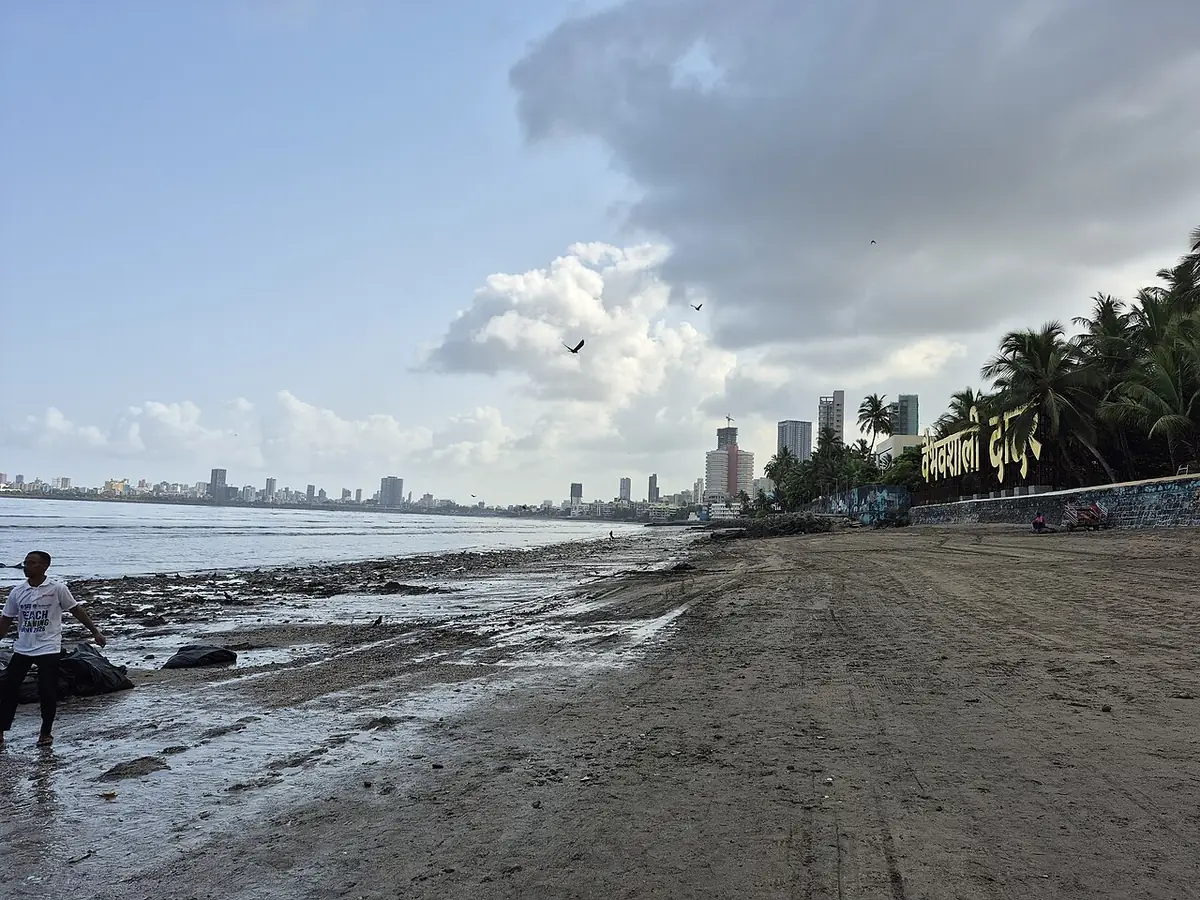
Dadar Chowpatty, where the city skyline meets the sea — Photo: Suraj Digrase · CC0 · Wikimedia Commons
Once this fundamental choice is made, it is time to analyse the financial reality of your property investment in detail.
Buying property in Mumbai forces a stark choice between two ways of life at opposite ends of the spectrum. On one side, the apartment in a vertical housing society, often in a secure residential tower, accounts for most institutional demand and new developments. These complexes offer built-in services that make daily urban life much easier in this dense and demanding megacity. On the other, the detached house or independent bungalow, particularly rare and extremely expensive, represents total independence of ownership but brings huge challenges in terms of upkeep, security and direct access.
The apartment market in Mumbai revolves around buildings run by professional managers, where each owner buys a share of the land while enjoying pooled communal facilities. Day-to-day management is delegated to a housing society that oversees round-the-clock guarded security, lift maintenance, backup water supply and the cleanliness of common areas. This arrangement drastically reduces the mental load on the buyer, who would otherwise have to sort out technical breakdowns in a city where qualified contractors are hard to coordinate on your own.
Conversely, opting for a detached house in Mumbai, if you manage to find one in established neighbourhoods such as Juhu, Bandra or Chembur, means facing the physical reality of the local climate and density. Looking after the roof during the monsoon, waterproofing the external walls, fighting persistent damp and securing the perimeter all fall entirely on the owner. These technical constraints translate into a very high recurring maintenance budget that often surprises foreign or unprepared buyers used to more uniform standards back home.
Financially, the gap in value and liquidity between these two options is vast. Apartments sell and let with remarkable ease, driven by constant demand from senior executives, expatriates and investors seeking rental income. Detached houses, by contrast, are highly speculative assets with an entry price running into millions of dollars, reserved for an ultra-privileged few who can tie up capital for very long periods without worrying about the immediate liquidity of their wealth.
Ultimately, your personal profile should dictate this fundamental decision well before location or floor space. If you value convenience, turnkey security, being part of a managed community and ease of resale, the high-rise apartment is the obvious choice. If you have considerable capital, a high tolerance for building hassles and an irrepressible need for independent land with no neighbours directly above your ceiling, the traditional house will remain your only option in Mumbai.
Assessing the overall purchase budget and recurring charges in Mumbai
With these financial figures in place, let us picture how a typical day unfolds to gauge your future quality of life.
Buying a property in Mumbai is never limited to the headline price shown by the developer or seller in the listing. Many mandatory extra costs, from local taxes and maintenance charges to registration fees, add to the overall bill from the very first signing. You must model these outgoings over several years to make sure your remaining savings capacity can comfortably absorb local inflation and the structural rise in maintenance charges.
Initial purchase costs and mandatory taxes
Cost item
Indicative rate or amount
Impact on the overall budget
Stamp duty
5% to 6% of market value
Unavoidable government tax due when the final sale deed is registered.
Registration fees
1% of the purchase price, capped
Administrative fees paid to the land registry to make the transfer of ownership to the buyer official.
Legal and due diligence fees
0.5% to 1% of the amount
Payment to the specialist lawyer who checks that the property titles are clear and free of disputes.
Estate agent commission
1% to 2% excluding tax
Commission paid to the agent who negotiated the transaction between the two parties.
Stamp duty rates can vary slightly depending on the buyer's gender or temporary incentives set by the state of Maharashtra.
Recurring charges and annual ownership costs
Type of charge
Payment frequency
Description and services included
Maintenance charges
Monthly or quarterly
Covers security guards, lift maintenance, cleaning of common areas and waste management.
Municipal property tax
Annual
Tax collected by the Brihanmumbai Municipal Corporation (BMC), calculated on the size and exact location of the property.
Sinking and improvement fund
Annual or one-off
Mandatory collective savings to fund major works such as facade renovation, waterproofing or upgrades to current standards.
Comprehensive home insurance
Annual
Optional but strongly recommended cover for water damage, fire and monsoon-related risks.
Maintenance charges generally rise by 5% to 10% each year to keep pace with increasing labour and energy costs.
Living to Mumbai's rhythm: an ordinary Tuesday, hour by hour
Beyond appearances and developers' glossy brochures, some crucial aspects deserve your full attention before you sign.
Getting to grips with buying property in Mumbai means feeling the city's pulse through its daily routines, from dawn until late at night. Ease of getting around, proximity to schools and healthcare, and how noise is handled transform the experience of living here depending on the micro-neighbourhood you choose. This hour-by-hour account highlights the location trade-offs you need to make to keep your life in balance amid the constant bustle of India's financial capital.
07:00Home and early departureYou wake up in the relative calm of a well-insulated residential tower. The first sounds of the street start to rise as the security team checks access to the complex.
08:30The commuteThis is the critical moment of the day, when road congestion peaks. Quick access to a suburban railway station or a metro station under construction determines whether your journey is workable.
13:00Business district and neighbourhood lifeLunch break in the heart of business hubs such as Bandra Kurla Complex (BKC) or Lower Parel. Residents enjoy modern infrastructure, international restaurants and air-conditioned shopping centres.
17:30School and after-school activitiesChildren return home on secure school transport organised directly by international schools or by the housing society's residents' associations.
20:00Relaxing and local shoppingLast-minute grocery shopping at neighbourhood supermarkets or from street vendors. Residential complexes usually have small built-in convenience stores for immediate needs.
22:00Night-time quiet and restSoundproof windows are closed and the air conditioning is switched on. The city finally slows its frantic pace, allowing restful sleep before another intense day.
What Mumbai's sales brochures fail to tell you
These administrative and technical pitfalls show exactly why many buyers bitterly regret some of their past choices.
Mumbai's new-build property market shines with spectacular marketing campaigns featuring smiling executives beside infinity pools overlooking the Arabian Sea. Behind these idyllic promises lie technical, administrative and environmental realities that sales teams systematically avoid raising during viewings. A rigorous look at these grey areas will spare you considerable financial disappointment after you get the keys.
How the drinking water supply is really managed
Although modern towers have large underground tanks, municipal supply cuts are frequent in the dry season. Buildings regularly have to pay for water tankers, whose costs soar during the months of greatest shortage.
The impact of major infrastructure works nearby
Mumbai is one gigantic, permanent building site of metro lines, bridges and motorway widening. An apartment with an open view today may find itself surrounded by the dust and noise of a viaduct under construction for the next five years.
Natural ventilation and orientation in the monsoon
The torrential monsoon rains come with strong winds off the sea. West-facing facades suffer heavy water ingress if the external window frames have not been sealed with high-quality materials.
How housing society committees really work
The harmony of a building depends entirely on the quality of its volunteer committee. Chronic disagreements between owners over the maintenance budget can paralyse urgent repairs and quickly erode the building's value.
The complexity of easements and historic land titles
Some land in Mumbai is held under complex long leases (leasehold) granted by the government or historic trusts. Failure to renew these leases or disputes over the original ownership of the land can block any future resale.
The trap of appearances: regrets discovered six months after moving in
In the face of these practical risks, it is just as crucial to decide honestly whether you have the right profile to invest here.
Looked likeA peaceful, leafy neighbourhood during Sunday viewings.
Turned outA road jammed with traffic from Monday morning, turning every outing into a test of patience and endurance for your ears.
Would have caught itAlways visit the property at weekday rush hour (between 8am and 10am) and observe the foot and road traffic.
Looked likeA verbal promise from the developer that the leisure facilities would be delivered quickly.
Turned outA pool and gym closed because of administrative non-compliance or disputes between investors.
Would have caught itInsist that every promised amenity is written in black and white into the final sale contract, backed by penalties.
Looked likeA well-optimised space on the plans with a modern, bright layout.
Turned outA real area measured as 'Super Built-up' including walls and corridors, leaving a cramped, poorly ventilated living space.
Would have caught itCheck the strictly usable floor space (Carpet Area) certified by RERA (Real Estate Regulatory Authority) and refuse vague calculations.
Looked likeUltra-fast fibre internet promised by the estate agency.
Turned outSignal interference from the massive reinforced concrete structure and no operators actually connected in the tower.
Would have caught itTest mobile coverage and the real availability of local internet providers directly in the apartment before signing the preliminary agreement.
Risky profiles: who should definitely not buy in Mumbai today
With these warnings in mind, it is time to take a final look at your plans to settle here.
Buying property in Mumbai is often presented as the ultimate holy grail of building wealth in India. Yet the rigidity of the market, the weight of taxes and the complexity of local bureaucracy make this investment a formidable trap for some types of buyer. Knowing when to give up on buying and rent instead is sometimes the clearest and most protective financial decision for your savings.
The expatriate on a short-term work assignment (less than 3 to 5 years)
→Flexibly renting a furnished high-end apartment in central neighbourhoods such as Worli or Colaba.
Transfer costs, stamp duty and resale commissions instantly swallow any potential capital gain over a period of less than five years, making buying financially absurd.
The investor looking for high, immediate gross rental yields
→Putting their capital into diversified financial instruments or into fast-growing outlying areas.
In Mumbai, purchase prices per square metre in sought-after neighbourhoods are so high that gross rental yield rarely exceeds 2% to 3% a year, so long-term capital growth is needed to make it pay.
The buyer with a barely sufficient down payment and no emergency savings
→Staying a cautious renter while building up their cash cushion.
The slightest change in bank interest rates or an urgent business cash need could jeopardise your mortgage repayments in an uncertain global economy.
Decision summary: are you ready to take the plunge in Mumbai?
At the end of this analysis, buying an apartment in Mumbai is no longer a matter of simply falling for a property or blind speculation. It is a major financial commitment that demands absolute clarity about your underlying motives, your time horizon and your tolerance for urban stress. If you have confirmed the soundness of the legal titles, measured the real impact of maintenance charges and accepted the logistical constraints that come with this megacity, you have everything you need to succeed.
Mumbai's property market consistently rewards patience, rigorous due diligence carried out with independent lawyers and financial realism. Resist the marketing lures of developers who play on the false urgency of a supposed property shortage. Take the time to visit your target neighbourhoods at different times of day, talk to current residents of the towers you are considering and check every line of the housing society's rules carefully before committing a single rupee.
Ultimately, buying in Mumbai means betting on the long-term economic vitality of India's financial capital while accepting its everyday paradoxes. If your plans are built around stability over several years and you want to put down lasting roots for your family or your wealth in a dynamic environment, an investment backed by tailored support will turn this ambition into a wonderful reality. It is now up to you to complete your checks and sign with complete peace of mind.
Related questions
Which legal documents must you check before buying an apartment in Mumbai?
You must ask for the full title deed, the Occupation Certificate (OC), the Deed of Apartment and the property tax payment receipts for the last thirty years to avoid any dispute.
What is the difference between carpet area and super built-up area in Mumbai property?
Carpet area is the net interior floor space of your apartment that you can actually use, measured strictly. Super built-up area includes a share of the common areas, stairwells and external walls, which can inflate the advertised size by 20% to 30%.
Can foreign citizens or Non-Resident Indians (NRIs) buy property freely in Mumbai?
Foreign citizens living outside India face tight restrictions from the Reserve Bank of India and generally cannot acquire residential property. NRIs (Non-Resident Indians), on the other hand, benefit from relaxed conditions and can invest without major restrictions.
How does RERA (Real Estate Regulatory Authority) protect buyers in Maharashtra?
RERA is a state regulator that requires developers to register all their new projects online, guaranteeing transparent plans, strict delivery deadlines and the deposit of 70% of buyers' money into an escrow account dedicated to the project.
Which neighbourhoods are most sought after for buying a high-end apartment in Mumbai?
The most prestigious and highly rated areas include South Mumbai (Colaba, Malabar Hill, Cuffe Parade), along with the coastal and central neighbourhoods of Bandra West, Juhu, Worli and Lower Parel, popular with business leaders and public figures.
What are average monthly maintenance charges in Mumbai?
Maintenance charges generally range from 8 to 20 rupees per square foot per month, depending on the services the building offers, such as air-conditioned common areas, enhanced security, a pool and a concierge.
How do Indian banks assess a mortgage application for a purchase in Mumbai?
Banks require a minimum down payment of 20% of the purchase price and closely examine your debt-to-income ratio, the stability of your income and the full legal and regulatory compliance of the property before releasing any funds.
What are the risks of under-construction projects in Mumbai?
The main risk is the developer delivering late because of cash-flow problems or administrative disputes. Choosing strictly RERA-registered projects reduces this risk significantly but does not remove it entirely.
Can you negotiate the asking price of a resale apartment in Mumbai?
Yes, negotiation is an integral part of the property culture in Mumbai, especially on the resale market, where there is generally room to negotiate between 5% and 10% below the seller's initial asking price.
What role does a specialist lawyer (legal counsel) play in a property transaction in Mumbai?
The lawyer carries out a thorough title search covering thirty years to make sure the property carries no hidden mortgage or family inheritance dispute, and that the seller has the undisputed legal right to sell it.