Buying an apartment in Philadelphia means combining an understanding of a historic property market with absolute financial discipline. This guide sets out the essentials, from choosing a neighborhood to the legal fine print of American condominium ownership.
Get the app
What nobody tells you.
Real prices, hidden costs and the traps to check before you commit.
What you are really getting when you buy an apartment in Philadelphia
Scroll
What you are really getting when you buy an apartment in Philadelphia
Buying an apartment in Philadelphia means combining an understanding of a historic property market with absolute financial discipline. This guide sets out the essentials, from choosing a neighborhood to the legal fine print of American condominium ownership.
Written by the ting.ad editorial team ·
John F. Kennedy Boulevard, Philadelphia in Street View: drag to look around.
Understanding these basic trade-offs makes it easier to work out, calmly, whether the local way of life suits you.
Buying an apartment in this large American city means looking past the trademark red brick facades and the promise of quick returns. On one side, the property market offers a central location and a dense cultural life that appeal to buyers looking for homes with real character. On the other, the reality of association dues and local management calls for a rigorous look at the financial and structural compromises you will have to accept over the long term.
Historic charm and a central locationvsThe constraints of old buildings and renovation work
Buildings in historic districts need constant upkeep and compliance with strict architectural rules, which raises the overall cost of ownership year after year.
The apparent liquidity of the urban marketvsProperty taxes that vary from one area to another
Local taxes, often high, weigh heavily on net yield and call for precise financial projections before you sign any final purchase agreement.
Being right next to employment hubs and universitiesvsUpward pressure on purchase prices per square meter
Strong rental demand from students and young professionals keeps a property occupied, but it mechanically narrows your room to negotiate on the initial purchase.
Freedom to fit out the interior in modern condominiumsvsOften high monthly maintenance dues
Built-in services, security and shared management of communal facilities are a recurring expense you need to factor in from the moment you calculate your borrowing capacity.
Does this place really fit your way of life and your plans?
Moving from one system to another means measuring precisely which cultural and administrative reference points you are leaving behind.
Every type of buyer approaches the property market with specific expectations that interact directly with the way Philadelphia is laid out. Whether you are after a base for work trips, a lasting main home or a pure rental investment, the geography of the neighborhoods and the rhythm of daily life demand clear choices. The point is to identify your category precisely so you avoid disappointment once the sale has closed.
Mobile professional
Central neighborhoods such as Center City or Rittenhouse Square suit your need for mobility perfectly, thanks to the rail connections and a dense bus network. You will find compact but functional apartments there, although the price per square meter is the highest in the metro area. Reselling is generally straightforward given constant demand from executives and consultants.
Permanent resident
Looking at residential areas a little further out from the very center lets you buy more generous floor areas, often with private outdoor space attached. Daily life there revolves around neighborhood life, local shops and an active community scene. You will, however, have to accept a longer commute to reach the central business districts.
Portfolio investor
Targeting areas near the university campuses or the big hospital centers secures your occupancy rate all year round. The sought after formats are mainly studios and one bedroom apartments, easy to let and easy to resell. Your vigilance should go to managing association dues so as to protect your net return.
Living here when you arrive from abroad: what really changes day to day
Once these administrative aspects are understood, the choice of neighborhood becomes the most structuring geographical decision of all.
Moving abroad or investing across a border immediately confronts a newcomer with administrative and contractual practices that are radically different. From the very notion of ownership to the handling of lending guarantees, by way of the central role of agents and of title, the usual reference points fall apart. Anticipating these differences is the one precondition for a property purchase that does not turn into needless stress.
From abroad
A centralized system in which a single neutral officer drafts and secures the whole transaction
Philadelphia
Agencies and title insurance companies that verify the legality of the chain of title
You have to delegate part of the legal checking to specialist providers whose fees are added to the cost of the transaction.
From abroad
Shared building charges governed by strict statute and tightly regulated general meetings
Philadelphia
Condo associations with wide powers over house rules and building works
Monthly dues can change quickly depending on what is voted through for the upkeep of common areas and shared equipment.
From abroad
Property finance built on often fixed rates and formal personal guarantees
Philadelphia
A highly segmented mortgage market where a file is judged on credit score and on the size of the down payment
Getting a loan as a non-resident or a recent arrival means preparing an impeccable and often better capitalized financial file well in advance.
From abroad
Local taxation based on nationally set property levies with national allowances
Philadelphia
A local property tax calculated on the value assessed by the city and revised periodically
The weight of this recurring tax has to be built precisely into your annual budget so nothing catches you out.
Which neighborhood should you settle in and invest in with confidence?
The neighborhood you choose directly determines the price structure you will meet on your viewings.
The metro area is built around a multitude of micro-neighborhoods with contrasting atmospheres and property dynamics. Center City offers urban buzz and services on the doorstep, while areas in transition offer greater scope for appreciation to bolder buyers. Comparing these areas against your daily priorities will stop you buying at the wrong address.
Center City and Rittenhouse
A dense, lively urban atmosphere, dotted with well kept parks, restaurants and local shops.
Suits
Buyers after a walk everywhere lifestyle and maximum resale liquidity.
Trade-off
A markedly higher price per square meter and often smaller floor areas for the same budget.
Fairmount and Art Museum
A strong residential and cultural feel, edged by major green spaces and renowned museums.
Suits
Those who want to combine quiet neighborhood life, careful architecture and quick access to the center.
Trade-off
A housing stock made up largely of older buildings that sometimes need bringing up to standard.
South Philadelphia
A working, dynamic fabric, marked by a strong local identity and traditional food shops.
Suits
Investors and first time buyers looking for medium term appreciation potential.
Trade-off
A more pronounced urban mix and sharp differences in quietness from one street to the next.
What does a property in this city really cost?
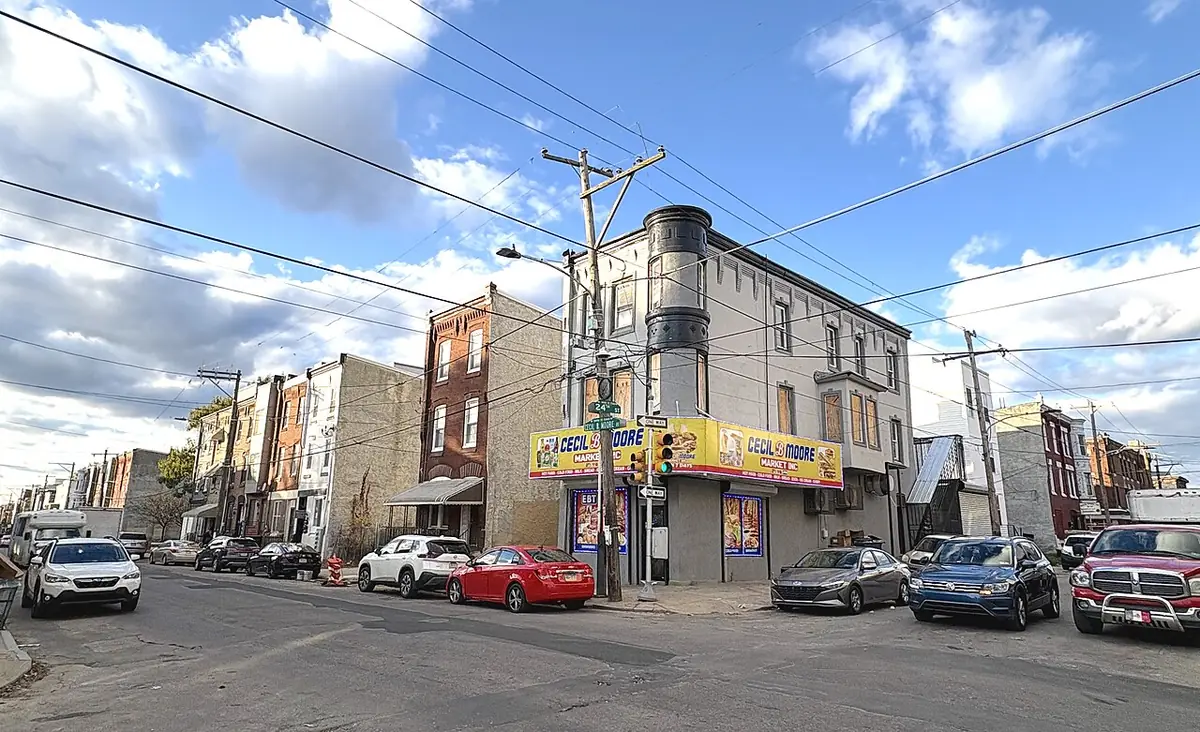
A lively commercial street lined with rowhouses and shopfronts — Photo: Moriah Levin · CC BY-SA 4.0 · Wikimedia Commons
Beyond the raw figures, the legal nature of what you own deserves very close attention.
Working out the cost of buying is not limited to the asking price shown on the property portals. You need to fold in all the associated costs, from the local transfer tax to monthly association dues, by way of the fees of the various professionals involved. The ranges below reflect what is actually seen on the market for properties of ordinary standard and comfort.
philadelphiaFor saleApartmentestimate
Median price / m²US$2,945Half the apartments sell below this
Median priceUS$280kthe average is 14% higher — a few very large properties pull it up
Most common2 bedrooms40 % of listings
Average size90 m²
By number of bedrooms
Bedrooms
Share of market
Avg price
Price / m²
Avg size
1
32 %
US$214k
US$3,565 +15 %
60 m²
2most common
40 %
US$279k
US$3,100
90 m²
3
20 %
US$357k
US$2,852 −8 %
125 m²
4
8 %
US$450k
US$2,728best value / m²
165 m²
Each row is an average, compared against the area average of US$3,100 / m². These are indicative estimates of a typical local market, not a measured sample of live listings. Check current listings before relying on them.
What you can actually own: condominium versus outright ownership
That same legal precision shows up in the chronology of the transaction, from the initial offer through to the handover of the keys.
The American legal system introduces fundamental nuances in how you own the walls and the ground beneath your home. Understanding the distinction between a condominium apartment and other forms of shared housing spares you unpleasant surprises at owners' meetings or when the time comes to resell.
Standard condominium status (condo)
You own the interior of your apartment outright and hold an undivided share of the common elements (roof, stairwell, lobby, any green space). Management is entrusted to a professional managing agent or to an elected board of residents that votes the annual budget and any major works.
What it changesYou have to comply with the association's sometimes strict house rules (limits on short term letting, choice of floor coverings, pets) or face financial penalties.
The apparent flexibility of small self-managed associations
In smaller buildings (often former townhouses split into two or three units), the legal structure is sometimes simplified, cutting outside management fees and the formal requirements around owners' meetings.
What it changesThe absence of a solid pooled reserve fund means that when urgent major work is needed on the roof or the facade, each owner has to come up with a large sum of cash straight away.
The fundamental rule to grasp before you hand over a deposit
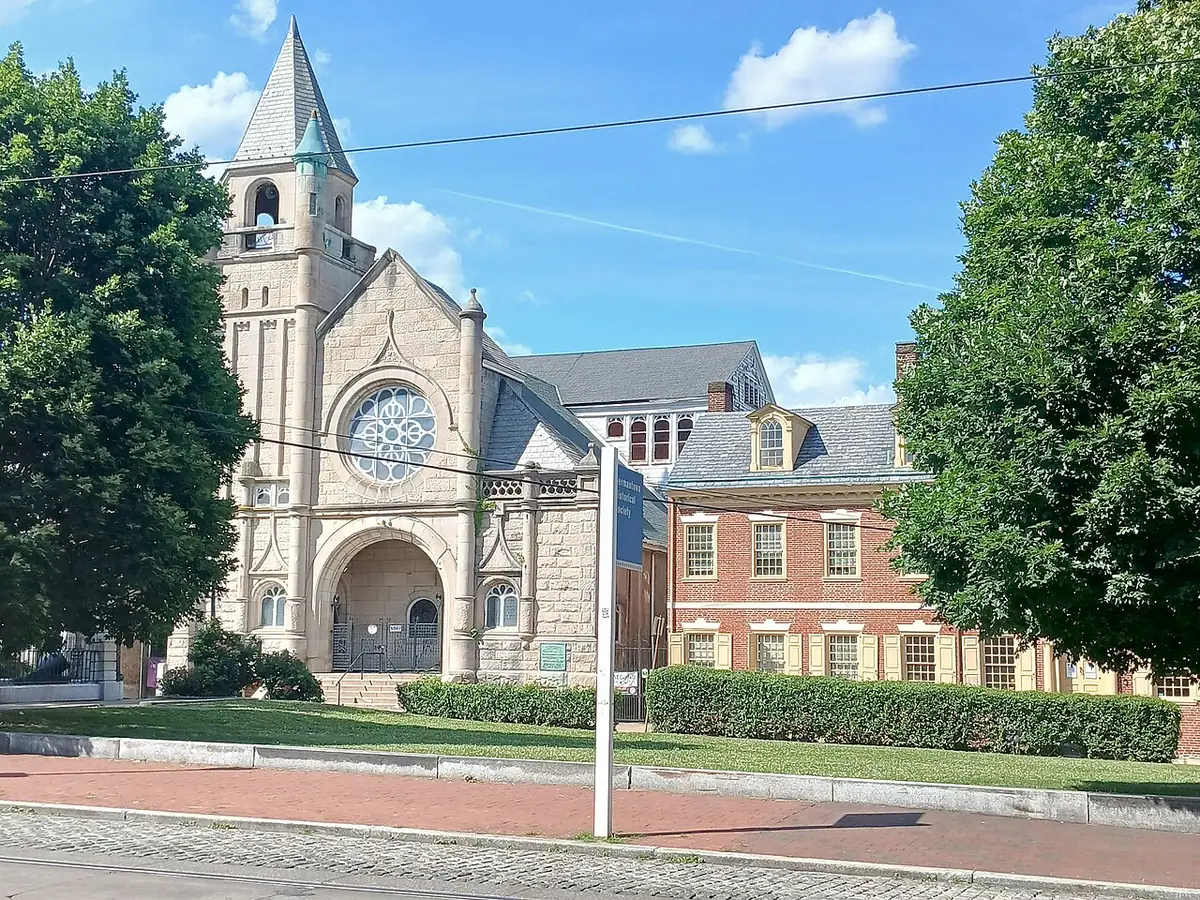
Market Square in Germantown, a historic corner of the city — Photo: Kreuz und quer · CC0 · Wikimedia Commons
Once that inspection stage is cleared, the practical side of the transaction follows a precise calendar that has to be steered step by step.
Unlike some practices elsewhere, the purchase offer (Agreement of Sale) signed in the United States legally binds the parties as soon as the seller accepts it, subject only to specific contingencies. Mastering the sequence of checks and the role of the earnest money deposit protects your capital against whatever the technical inspections turn up.
The buyer drafts and signs the initial purchase offer.
Payment of the earnest money deposit into an escrow account held by a neutral third party, to demonstrate that you are serious.
Opening of an inspection period, generally set at 10 to 14 days, in which to audit the condition of the property.
Completion of specialist inspections (structure, roof, any pests or hazardous materials).
Negotiation of repairs, or lawful withdrawal, if major defects or significant hidden costs come to light.
Removal of the contingencies and definitive securing of the transaction through to the final closing.
How a property transaction actually unfolds, step by step
This overview gives you what you need to approach your Philadelphia purchase with method and clear eyes.
Seeing a purchase through requires close coordination between your agent, the inspector, the mortgage broker and the title company. Each of them plays a precise role at a given point in the calendar to guarantee that the deal is legally and financially sound all the way to the final signature.
The buyer and their brokerMortgage pre-approvalObtaining a pre-approval letter, essential proof of your solvency to sellers from the very first viewing.
The real estate agentShortlisting and targeted viewingsViewing properties that match your criteria and running a comparative market analysis to fine-tune your offer strategy.
The home inspectorFull survey of the propertyMeticulous inspection of the apartment and of the accessible parts of the building to identify work that lies ahead.
The title companyTitle search and checksThorough examination of the property's legal history to guarantee there are no liens, debts or pending disputes.
The lenderAppraisal and final loan approvalFinal validation of the credit file and release of the funds needed for the purchase, after an independent appraisal of the property's value.
All partiesClosing (final signature)Signature of the official deed of sale, transfer of the remaining funds, payment of taxes and handover of the keys to your new apartment.
Apartment or house in Philadelphia: which suits your way of life?
Once that fundamental choice is made, the crucial question of financing and the overall budget comes to the fore.
Choosing between an apartment in a serviced building in Center City and a traditional row house in Fairmount or Graduate Hospital involves far more than a simple question of floor area. On one side, condominiums offer stronger security, direct access to concierge services and no exterior maintenance at all, which appeals to professionals who are often away or to buyers looking for a trouble free base. On the other, Philadelphia's row houses, with their red brick and their old floorboards, give complete architectural independence, with no exorbitant monthly association dues, and sometimes throw in a small patio or a private roof terrace.
The question of charges is worth pausing on precisely, because they weigh heavily on the long term total cost of ownership in the towers downtown. In a condominium, the monthly fee covers elevator maintenance, the doorman, the running of common areas and sometimes even heating or water, but it rises steadily over the years without your having any say over the quotes accepted. Owning a row house, by contrast, means every roof leak or facade repair falls squarely on your own finances and on your ability to find a reliable contractor in Pennsylvania.
Location often dictates this initial decision inescapably, given the shape of the city. If you want to live a few steps from the theaters on Broad Street, the restaurants of Rittenhouse Square or the university campuses, the vertical apartment remains the norm and the most available option in terms of stock. If you prefer neighborhood life with as few immediate neighbors as possible, parking outside your door and the option of fitting out a basement or a city garden, the outer residential neighborhoods make the case for themselves.
You also have to weigh how easily the property will sell later, because the Philadelphia market reacts differently depending on the type you choose. Downtown apartments face competition from new developments that come out of the ground regularly, which can dampen capital growth in the medium term. Well maintained row houses in sought after school catchments retain an inherent scarcity that consistently attracts local families looking for residential stability.
What budget do you really need to buy and maintain a property in Philadelphia?
To understand what these figures mean day to day, let us look concretely at how a typical day in the city is organized.
Buying in Philadelphia does not come down to repaying the principal mortgage to your lender. You have to fold in the local tax structure, the often high property taxes, the specific insurances and the unavoidable costs tied to the condo association or to structural upkeep. A realistic estimate protects your household from financial surprises from the very first year in the city.
Estimated monthly and annual running costs for an average apartment or house in Philadelphia
Cost item
Estimated amount (range)
Frequency
Property tax
$3,000 to $6,500
Annual
Condo fees
$300 to $900
Monthly
Homeowner insurance
$1,200 to $2,500
Annual
Routine maintenance and repairs
1% to 2% of the property's value
Annual
Amounts vary a great deal with the exact neighborhood, the age of the building and the services included in the association dues.
Upfront costs of buying in Philadelphia
Type of cost
Percentage of the purchase price
Comment
Real Estate Transfer Tax
About 4.275%
Generally split between buyer and seller depending on the negotiation.
Closing costs
2% to 4%
Includes the appraisal, the title search and loan origination fees.
Recommended down payment
10% to 20%
Secures better interest rates and avoids private mortgage insurance (PMI).
Always keep an emergency fund separate from these costs to cover the unexpected in the first few months.
Health, schools, transport: what does an ordinary Tuesday look like for a Philadelphia resident?
St. Helena Catholic Church anchoring its Philadelphia block — Photo: Farragutful · CC BY-SA 4.0 · Wikimedia Commons
Beyond this well worn routine, some less visible aspects of the property market deserve your full attention before you sign.
Living in Philadelphia means fitting in with the rhythms of SEPTA public transport, the heavy traffic on major arteries such as I-76 or Broad Street and the closeness of neighborhood amenities. For an owner settled in a well served residential neighborhood, the day is split between commuting, dealing with local services and neighborhood life. Walking through it hour by hour gives you a measure of the practical logistics of your future home.
07:30Neighborhood coffee and departurePicking up a coffee before heading for the local subway station or setting off toward Center City.
08:30Commute (SEPTA or on foot)Using the SEPTA network (Market-Frankford Line or Broad Street Line) or walking briskly, depending on how close your office is.
12:30Lunch nearby or an active breakVisiting local shops, artisan bakeries or historic indoor markets such as Reading Terminal.
17:30Home again and local errandsA stop at a neighborhood grocery for fresh food for the evening, and a quick call at city offices if needed.
19:00Downtime and local lifeA walk in the neighborhood parks or taking part in community life in your part of town.
What the listing will not tell you about your future Philadelphia purchase
These geographical and technical subtleties lead straight to the misjudgments buyers make most often.
Online listings play up the light, the renovated kitchens and the polished floors, but they say nothing about the structural and regulatory constraints particular to Philadelphia. Understanding these blind spots spares you major financial disappointment after the deed is signed at closing. Here are the decisive points that people generally discover too late.
The history of the pipes and the combined sewer system
Many older neighborhoods have aging connections that can back up during heavy storms, calling for costly waterproofing work borne entirely by the owner.
The strict rules of the Historical Commission
If your property sits in a protected historic district, you cannot alter the facade, replace the windows or fit solar panels without a long and complex approval process.
Subtle differences in crime and safety from one street to the next
In Philadelphia, the level of safety and quiet can shift radically within two blocks, which makes micro-neighborhood analysis essential before any offer.
Residential parking and the scarcity of permitted spaces
Getting a residential parking permit does not guarantee finding a free space in the evening after 7pm, which sometimes forces owners to rent an expensive private spot in a garage.
The buying mistakes you only discover six months after moving to Philadelphia
Despite these precautions, there are buyer profiles for whom this particular market is simply not suitable.
Looked likeA charming old house full of character, with period woodwork and decorative fireplaces.
Turned outA poorly insulated energy sieve with exorbitant winter heating bills, given how harsh Pennsylvania winters are.
Would have caught itAsking for the last three years of energy bills and commissioning an independent thermal audit before drafting the offer.
Looked likeAn affordable apartment in a rapidly gentrifying neighborhood.
Turned outAn area still poorly served by everyday shops in the evening, with constant construction noise from neighboring sites.
Would have caught itVisiting the neighborhood at different times, notably on a weekday evening and at the weekend, to gauge the real atmosphere and how many storefronts sit empty.
Looked likeA condominium with very low, attractive initial monthly dues.
Turned outA reserve fund too thin to cope, leading to massive special assessments to pay for urgent roof replacement.
Would have caught itGoing carefully through the minutes of the last three years of owners' meetings to spot work that was voted through or deferred.
Looked likeA quick purchase with no thorough inspection, to get ahead of rival buyers in a tight market.
Turned outThe discovery of major hidden defects in the roof framing and wiring that was not up to code, amounting to tens of thousands of dollars of repairs.
Would have caught itNever waiving the home inspection contingency, however fierce the competition for the property.
Who should definitely not buy property in Philadelphia right now?
If you do not recognize yourself in these at-risk categories, it is time to take a final view of your plans.
Buying is often presented as an unarguable financial given, but the economics of Philadelphia show the opposite for certain profiles. Taking on a long term loan without stable professional and personal visibility can turn your investment into a major source of stress. Here are the situations in which holding off is the wiser decision.
The young professional whose job may move at short notice
→To postpone buying and stick with flexible renting downtown.
High transfer taxes and closing costs (more than 4% on purchase and as much again on resale) mean you need to stay in the property for five to seven years to recoup the initial outlay.
The investor with no appetite for the demands of local rental management
→To turn to pooled financial investments that need less hands-on management.
Philadelphia's municipal law protects tenants strongly, and handling arrears or eviction proceedings calls for rigorous local legal expertise.
The household whose emergency savings are too thin
→To build a solid financial cushion first, before entering the ownership market.
The smallest plumbing or roof failure in an older house can swallow several thousand dollars without warning in the first months of occupancy.
So, are you ready to go ahead with your Philadelphia property plans?
The Betsy Ross Bridge crossing the Delaware River — Photo: SnowFire · CC BY 4.0 · Wikimedia Commons
Below you will find answers to the questions people ask most often about buying property in the city.
Deciding to buy an apartment or a house in Philadelphia means setting your own financial strength against a clear eyed understanding of local specifics. If your horizon in the region runs beyond five years, if your down payment covers the taxes and closing costs without emptying your emergency savings, and if you have accepted the compromises that come with American city life, then you have every green light you need to go ahead.
The Philadelphia market rewards patience and methodical rigor rather than haste. By taking the time to visit several neighborhoods at different hours, to pick apart the condo association's minutes and to appoint an independent inspector, you turn a risky operation into a lasting asset. How well you settle into this historic city depends on that demanding analysis carried out before any signature.
Never forget that the best property is not the one that ticks every aesthetic box in a design magazine, but the one whose charges, taxes and location fit comfortably into your monthly budget. Take the time to have your financing plan confirmed by a local broker before you make an offer on anything in the city's sought after neighborhoods.
Related questions
What closing costs and taxes should I budget for when buying property in Philadelphia?
The Real Estate Transfer Tax comes to roughly 4.275% of the sale price, an amount traditionally split between buyer and seller depending on the negotiation. On top of that come lender origination fees, title insurance and the appraisal, adding a further 2% to 4% of the total acquisition price.
Is a home inspection compulsory?
Although technically optional if you waive the contingency, a full inspection by a certified professional is strongly recommended in Philadelphia. It uncovers hidden defects in the structure, the roof, the wiring and the foundations of older buildings before you commit for good.
How do property taxes work in this city?
Property taxes are assessed annually by the City of Philadelphia on the basis of the estimated market value of your property. The prevailing rate applies uniformly to the assessed value, but the amounts vary considerably with floor area, declared renovations and the neighborhood the property sits in.
What are the main differences between buying a condo and buying a townhouse?
A condominium apartment involves monthly fees covering shared services and exterior upkeep, whereas a townhouse gives you outright ownership of the land and the building with no association dues, but leaves you entirely responsible for the cost of repairs.
Is it easy to resell a Philadelphia property quickly?
How liquid a property is depends directly on its location, the quality of its catchment schools and its initial price relative to the local market. Homes in lively, well connected neighborhoods generally resell faster than isolated ones.
Should I budget for energy related repairs in older properties?
Yes. Many of Philadelphia's historic houses have period insulation or old windows that need investment to bring them up to modern energy standards. Setting aside a post purchase works budget is essential if you want to keep winter heating bills under control.
How do I pick the best neighborhood for my family situation?
The choice depends on how you weigh the busy cultural life of the center against the quiet of leafy residential streets and the reputation of nearby public or private schools. There is no substitute for a thorough visit on the ground at different times of day to form an objective view.
What is the minimum down payment local lenders require for a mortgage?
Most lenders require a down payment of between 10% and 20% of the purchase price to offer the most competitive interest rates. Anything under 20% generally means taking out private mortgage insurance (PMI).
Can condo association dues rise sharply from one year to the next?
Yes, if the condo association underestimates maintenance spending or if the reserve fund is too thin to cover major structural work. That is why a careful review of the association's accounts before you buy is an absolutely unavoidable step.
What help is available for first time buyers in Philadelphia?
The City of Philadelphia sometimes runs financial assistance programs or grants designed to encourage homeownership among income eligible households. It is worth checking with the Philadelphia Housing Development Corporation to find out which schemes are currently active.
Property review of ting
No ting properties in Philadelphia yet
Be the first — share it on ting and it shows up right here.