Finding and renting a house in Philadelphia means understanding how the local market, residential leases and the individual neighbourhoods actually work. This guide sets out the practical, budgetary and legal side of the decision so you can move forward with confidence.
Get the app
What nobody tells you.
Real prices, hidden costs and the traps to check before you commit.
Renting a house in Philadelphia: the space you want against the upkeep you take on
Scroll
Renting a house in Philadelphia: the space you want against the upkeep you take on
Finding and renting a house in Philadelphia means understanding how the local market, residential leases and the individual neighbourhoods actually work. This guide sets out the practical, budgetary and legal side of the decision so you can move forward with confidence.
Written by the ting.ad editorial team ·
John F. Kennedy Boulevard, Philadelphia in Street View: drag to look around.
Your day-to-day routine will largely dictate the area and the type of property you should target.
Renting a whole house in this large American city changes the urban experience completely compared with an apartment in a managed building. You gain living space and often outdoor space, but you take on maintenance duties you may never have had before. The historic neighbourhoods offer character that is hard to match, at the price of insulation that can be decades old. Each structural advantage is worth weighing against the daily demands of the local building stock.
More space and real independencevsA heavier share of the upkeep
American leases often put the care of outdoor space and small fittings on the tenant. You enjoy a generous floor area, but the mowing and the yard around the house are yours to handle.
The character of the brick row housesvsInsulation that is sometimes far from ideal
These traditional houses win people over with their character and their old wooden floors. In return, the energy bill can climb through hard winters and very humid summers.
A strong footing in the residential neighbourhoodsvsTransport that can be further away
Moving out from the busiest core to find a house with a garden or a back yard often means walking further to reach a subway station or a main bus route.
The freedom to park or to tinkervsStreet parking governed by local rules
Some houses come with a garage or a private pad, but many depend on residential street parking. Plan ahead for the permit from the city authority.
Which kind of tenant thrives in a house in Philadelphia?
Moving from a rental history built elsewhere to a North American system means resetting your administrative expectations.
The Philadelphia rental market does not speak the same way to young professionals, to families looking for space, or to people working from home. Each situation involves precise trade-offs between being close to the employment hubs and enjoying residential quiet.
Choosing floor area
Having an extra room you can turn into a closed office changes daily comfort completely when you work from home. Row houses often make it easy to keep the working space separate from the living rooms. Do check the quality of the available internet connection, though, because some older streets depend on patchy cabling that varies from one provider to the next.
Putting down neighbourhood roots
Renting a house lets you settle for the long run in residential areas known for their quiet and their nearby parks. Look closely at how the public school catchments are drawn, and at access to private schools, before you sign. A small secured back yard is also a real everyday relief.
The central compromise
If cultural life and getting around on foot or by bike matter most, aim for mixed neighbourhoods where houses sit alongside small local shops. You may give up a large garden in favour of an urban patio, but you will win back valuable time on your daily commute.
What changes most when you arrive from abroad to rent in Philadelphia
A careful reading of the different districts will point your search towards the right neighbourhood.
Renting in the United States follows customary and legal rules that sit a long way from what most newcomers are used to. From assembling an application to handling the running costs, tenants meet a contractual framework in which the screening of your financial history counts for far more than a family guarantor.
From abroad
A paper file with family guarantors and payslips
Philadelphia
Automated credit and income screening
Landlords ask for a local credit score or formal proof of equivalent financial standing. Arriving without an American banking history often means negotiating rent paid in advance or a larger security deposit.
From abroad
Rent increases tightly capped by law
Philadelphia
Rent and the terms of the annual lease freely negotiated
Residential leases usually run for a fixed term of twelve months. At the end of it, the landlord can propose a new rent in line with local market conditions.
From abroad
A regulated move-in and move-out condition report
Philadelphia
A joint inspection and painstaking photographic evidence
It is the tenant's job to document the exact condition of the house from the moment the keys change hands, so that nothing can be disputed when the security deposit is returned at the end of the lease.
From abroad
An occupancy tax paid by whoever lives there
Philadelphia
Property tax carried by the owner
As a tenant you do not pay the local property tax directly, but its overall weight indirectly shapes the rents asked in the most sought-after neighbourhoods.
How to choose your area according to what matters day to day
Once you have an area in mind, your budget has to meet the rents actually being asked.
Philadelphia is a mosaic of neighbourhoods with strongly drawn identities. Between cultural energy, residential quiet and university life, each area offers a distinct setting that changes what renting there feels like.
The historic core and the streets around it
Constant activity, pedestrian streets and museums and restaurants on the doorstep.
Suits
Working tenants who want to do everything on foot or by bike without depending on a car.
Trade-off
Often less floor area for the same monthly rent, and difficult parking.
The residential west and northwest
Wide tree-lined streets, huge parks and the atmosphere of a quiet village.
Suits
Families and anyone after a large house with a garden and some peace.
Trade-off
Longer journeys to reach the business core of Center City.
Changing districts and the university campuses
Young energy, independent cafes and streets in the middle of visible renewal.
Suits
Academics, creatives and tenants after the best ratio of space to rent.
Trade-off
Marked differences from one street to the next, which really need checking in person.
What does the budget reality of renting a house here look like?
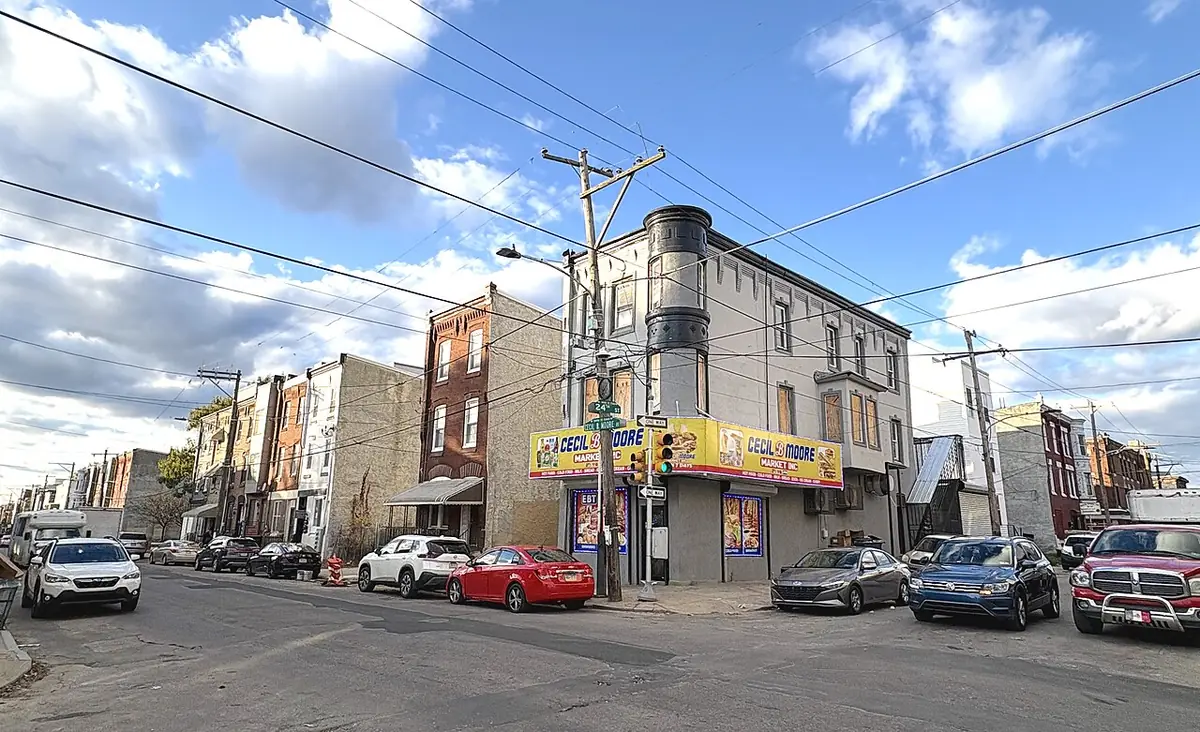
A lively commercial street lined with rowhouses and shopfronts — Photo: Moriah Levin · CC BY-SA 4.0 · Wikimedia Commons
Beyond the money, the legal shape of the lease is what defines your rights as a tenant.
The American rental market reacts quickly to local economic conditions and to how attractive each district is at the time. Rents vary considerably with floor area, with whether there is private outdoor space, and with how recently the interior was renovated.
philadelphiaTo rentHouseestimate
Median price / m²US$16Half the apartments sell below this
Median priceUS$2.58kthe average is 14% higher — a few very large properties pull it up
Most common2 bedrooms59 % of listings
Average size158 m²
By number of bedrooms
Bedrooms
Share of market
Avg price
Price / m²
Avg size
2most common
59 %
US$2.58k
US$16
158 m²
3
29 %
US$3.3k
US$15 −6 %
219 m²
4
12 %
US$4.17k
US$14best value / m²
289 m²
Each row is an average, compared against the area average of US$16 / m². These are indicative estimates of a typical local market, not a measured sample of live listings. Check current listings before relying on them.
Landlord and tenant: what a local residential lease actually says
Choosing well takes a methodical approach if you want to avoid the classic traps.
Signing a lease binds both parties within a strict contractual framework in which the early termination clauses and the maintenance rules are set out clearly. It is essential to separate what the landlord owes you from what falls to you as the tenant.
The landlord's maintenance duties
The landlord has a legal duty to keep the property habitable (the warranty of habitability), which covers working heating, plumbing, a sound roof and the main electrical installations.
What it changesIf something major fails, the landlord has to act within a reasonable time, or the tenant can turn to the rent escrow procedures set out under local law.
The tenant's everyday responsibilities
The tenant handles routine care of the interior, replacing air conditioning filters and, often, light upkeep of any private outdoor space attached to the house.
What it changesLetting these slide can lead to deductions from the security deposit at the move-out inspection, which is why it pays to keep a written record of everything you have done.
The one rule to master before you hand over any money
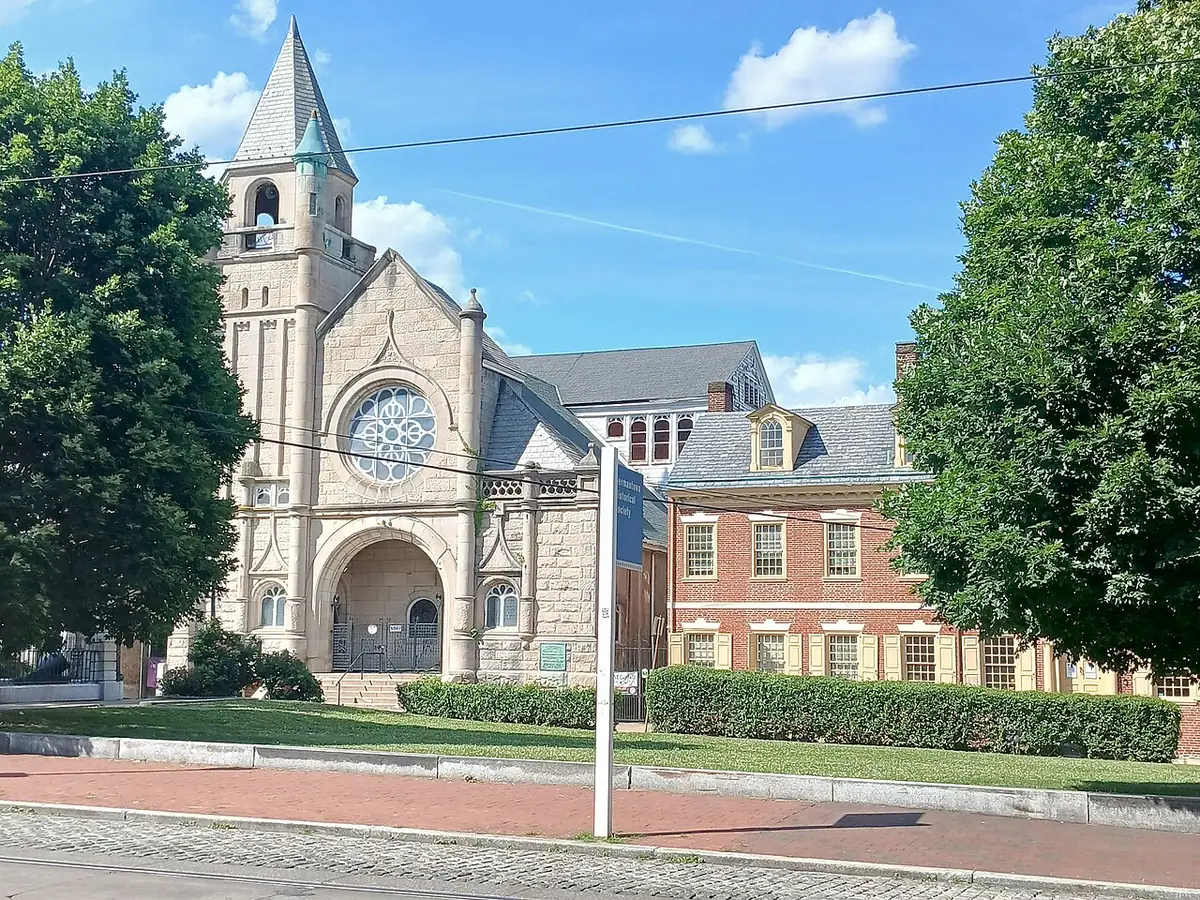
Market Square in Germantown, a historic corner of the city — Photo: Kreuz und quer · CC0 · Wikimedia Commons
Once those precautions are taken, the process runs to a fairly precise timetable.
The rental market has its share of misleading listings and unscrupulous middlemen. A methodical checking routine protects your money and confirms that your future landlord is who they claim to be.
Spotting a property online
Confirm that the address really exists, using mapping tools and the street view imagery available.
Insist on seeing the house in person, or through a trusted third party acting for you on the ground.
Ask for verified contact details for the owner or for the letting agency officially managing the property.
Refuse to hand over any cash or instant transfer before the lease itself is signed.
Signing the lease safely
How renting actually unfolds, step by step
Knowing each phase of the rental process in advance smooths your move and gets you ready for what American landlords will ask of you.
The tenantPutting the financial file togetherGather your proof of income, your recent bank statements and the details of your employer or of how your income is structured.
The landlordScreening and affordability checkThe manager runs the usual credit and background checks, reviews your financial profile and approves your application against the criteria set for the property.
The tenantA detailed viewing, and questionsWalk the house and inspect the appliances, the state of the floors, the windows and the air conditioning or heating systems.
Both partiesSigning the residential leaseRead every clause carefully, along with any building or neighbourhood rules, then sign electronically or on paper.
The tenantPaying the initial fundsPayment of the first month's rent and the security deposit, by secure and traceable means.
The managing agentMove-in inspection and handover of keysA joint walk-through of the property, signature of the move-in condition report and the formal handover of the keys.
Detached house or row house in Philadelphia: the real trade-offs for a tenant
Choosing between a detached house and a terraced house, usually called a row house, in Philadelphia is not simply a question of architectural taste or of what fits your monthly rent. It is a deep trade-off between two radically different ways of living in a historic and densely built city. Detached houses, found more often in outlying residential neighbourhoods such as Roxborough, Chestnut Hill or in pockets of the northeast, offer a completely different relationship with outdoor space. You get a private garden wrapped around the house, no shared walls at all and the acoustic calm that comes with that, and usually a private parking space or a closed garage. In return, these houses command noticeably higher rents and commit you to a longer daily journey into Center City, the business core of the city.
The row house, by contrast, is the urban and cultural DNA of Philadelphia, embodied by thousands of red brick facades lined up in lively neighbourhoods such as Graduate Hospital, Northern Liberties, Fishtown and South Philadelphia. Renting a row house means being connected straight away to neighbourhood life, to local shops, to the tram lines and to parks less than ten minutes' walk away. These historic buildings, on three or four floors, often deliver a surprising amount of living space for their small footprint, along with a roof terrace or a small paved back yard that comes into its own in fine weather. Sharing walls does bring real noise constraints with your immediate neighbours, though, and street parking can quickly become a daily challenge if the house has no dedicated space.
The other crucial dimension of this choice is upkeep: not who pays for the roof, which remains the landlord's responsibility, but how much of the day-to-day care lands on you. A detached house leaves you with a garden to mow, leaves to clear, paths and a sidewalk to keep clear of snow through the winter, and a yard the lease will expect you to maintain, with no shared arrangement to fall back on. In an older row house, very typical of Philadelphia stock dating from the nineteenth or early twentieth century, the challenges are of another kind: draughty period windows, ageing electrics, plumbing that struggles in a cold snap and thin insulation that shows up on the heating bill. Ask what has been upgraded, and get any promised work written into the lease before you sign rather than after you move in.
Finally, how easily you can leave, and what the market will ask of you next time, depends closely on this first choice. Well-placed detached houses in respected school catchments see steady, sustained demand from families looking to settle outside the very centre while staying within the city limits, which keeps their rents firm and their availability thin. Row houses appeal first to young professionals, to couples without children and to anyone wanting a highly rentable urban base, and they turn over faster, so more of them come up through the year. Your decision should therefore rest on a realistic view of how long you intend to stay and of how your household is likely to change over the next few years in this large American city.
What does renting a house in Philadelphia cost in total?
The rent on the listing is only part of what leaves your bank account each month. The full cost of renting a house here takes in what you pay up front to move in, the utilities billed to you separately, and the running expenses of a house in a continental climate marked by hard winters and very humid summers. The tables below are built from the rental figures set out elsewhere on this page, because the numbers usually quoted for Philadelphia houses are purchase-side and say nothing useful to a tenant. A clear reading of both the initial and the recurring lines is the best way to avoid an unpleasant surprise after the lease is signed.
Monthly rent by size of house
Size of house
Typical monthly rent
What that buys
Two-bedroom house
$2,580 a month
The median across 588 listings, for around 157.5 m2 of living space, or about $16 per m2.
Three-bedroom house
$3,300 a month
294 listings, for around 218.8 m2, or about $15 per m2: the space per dollar improves as houses get bigger.
Four-bedroom house
$4,170 a month
118 listings, for around 288.8 m2, or about $14 per m2, with far less choice at this size.
The citywide average rent for a house sits at $2,940 a month, above the $2,580 median, because a small number of large or recently renovated houses pull the average up.
Moving in and running the house
Budget line
Amount or range
What moves the number
First month's rent, paid at signing
$2,580 at the median
Paid by secure, traceable means at the same time as the lease is signed, and higher on a three- or four-bedroom house.
Security deposit
Handed over with the first month's rent
Held against damage, not treated as rent paid ahead. Landlords may ask for more from a tenant with no American credit history.
Energy bills (electricity, gas, water)
$2,400 to $4,000 a year
Billed to you separately from the rent, and strongly affected by the insulation of an older house and by heavy air conditioning use in summer.
Energy bills can double in a poorly insulated historic house where the original single-glazed windows have never been replaced with modern double glazing, so ask to see recent bills before you sign.
Health, schools and transport: what does an ordinary Tuesday look like in Philadelphia?
St. Helena Catholic Church anchoring its Philadelphia block — Photo: Farragutful · CC BY-SA 4.0 · Wikimedia Commons
To grasp what daily life as a tenant in Philadelphia is really like, it helps to take an ordinary day apart, from the morning trip to work through to the logistics of healthcare, schooling and getting around the city. Between the connections on the SEPTA network, the vitality of the shopping streets and the traffic flows at peak times on the main routes, every detail counts when you are judging your future quality of life in the Pennsylvania metropolis.
07:30Leaving home and the morning commuteUsing the SEPTA network (subway, trolley, Regional Rail) or driving into Center City, with particular attention to the congestion on I-76 and I-95.
08:45The school runArriving at the neighbourhood school, whether that is the local public catchment school, a selective charter school or a private faith school.
12:30Lunchtime and neighbourhood lifeLocal shops, historic covered markets such as the Reading Terminal Market, or a neighbourhood cafe for a quick lunch in the middle of local life.
17:00Shopping and daily logisticsA stop at the supermarket or a specialist grocer for the week's shopping, sorting out parcel deliveries and heading home while avoiding the traffic peak.
19:00Health and emergency servicesWell-known university hospital centres close at hand (Penn Medicine, Jefferson Health), giving you first-rate access to care if you need it.
What the listing will not tell you about the real state of houses in Philadelphia
Rental listings always paint an idyllic picture of Philadelphia houses, showing off restored period floors, modern fitted kitchens and the tree-lined park round the corner. Once you are on site, though, several structural and administrative realities specific to the local market deserve close attention from any tenant who wants to avoid an unpleasant surprise after the lease is signed.
The state of the main sewer connection (lateral sewer lines)
In many of Philadelphia's historic neighbourhoods, the pipes connecting the house to the city main are decades old and can be damaged by tree roots. Replacement often runs past 10,000 dollars, and while that bill belongs to the owner, a failure means disruption, and sometimes weeks of works, in the house you are living in.
Zoning and building projects nearby (zoning permits)
A vacant lot or a low building next to your future house can quickly be granted a permit for a tall apartment block, radically changing the light, the view and the quiet of your home, with very little you can do about it during your lease.
Who actually has the right to let the property
Some older properties carry tax arrears or tangled inheritance titles, and the person showing you round is not always the person entitled to sign a lease. Ask to see the rental licence and the certificate of rental suitability the city requires before money changes hands.
The lack of sound and thermal insulation in the party walls
Row houses built in the nineteenth century often share a thin brick wall between neighbours, which means everyday noise travels easily from one home to the next unless modern soundproofing work has been carried out.
The renting mistakes you only discover six months into the house
Looked likeA charming, picturesque neighbourhood, lively at weekends, with fashionable bars and restaurants a couple of doors away.
Turned outAn extremely noisy area in the evenings, with parking impossible on Thursday, Friday and Saturday nights and recurring noise under the windows.
Would have caught itVisiting the target neighbourhood several times, including on a Friday and a Saturday evening, to judge the night-time atmosphere, the traffic and the number of late venues for yourself.
Looked likeAn old house full of character, with beautiful original woodwork and genuine period charm.
Turned outA permanent drain on the budget, with an obsolete oil heating system and old windows that let the freezing air in during winter and the stifling heat in during summer.
Would have caught itAsking the landlord for the last twelve months of electricity and gas bills before signing, and getting any promised insulation or window work written into the lease.
Looked likeA strategic location that would let you do without a car entirely, thanks to public transport close by.
Turned outBus and subway lines frequently packed at peak times or subject to long delays, making the daily journey to outlying job centres awkward.
Would have caught itMaking the home-to-work journey yourself, at the times you would actually travel, before you commit to a twelve-month lease.
Looked likeAn attractive rent offering plenty of living space for a moderate monthly outlay.
Turned outA location where local services are thin and demand is flat, so the street feels neglected and the house is hard to leave mid-lease if you need to.
Would have caught itLooking at how long comparable houses on the street have been advertised over recent years, and asking agents about how the area and its schools are actually changing.
Unusual profiles: who really should not rent a house in Philadelphia?
Renting a house is often presented as the obvious step up from an apartment once you can afford it. Yet a cool look at your own situation can spare you a commitment that suits neither your way of life nor your timeframe. Some tenants are much better served by an apartment, or by a different neighbourhood entirely, and keep their flexibility and their peace of mind as a result.
Young professionals likely to move between cities or countries within the year
→To keep renting a flexible apartment in the centre rather than take a house on a twelve-month lease.
A house lease runs for a fixed term, and breaking it early means the termination clauses, the loss of part of the deposit and the cost of moving twice, which rarely leaves anyone ahead.
Tenants with no appetite for upkeep or for dealing with tradespeople
→An apartment in a managed building, where the upkeep of the shared parts is handled for them.
Philadelphia's housing stock is mostly old, and a house lease puts the routine interior care, the filters and the outdoor space on the tenant, along with the job of chasing the landlord when something bigger fails.
Households whose absolute priority is an excellent local public school
→To rent in the well-off residential suburbs (the Main Line), or to budget for private school fees.
The Philadelphia public school system (the School District of Philadelphia) varies sharply in quality from one neighbourhood to another, which often pushes families towards expensive private options.
So, are you ready to sign for a house in Philadelphia?
The Betsy Ross Bridge crossing the Delaware River — Photo: SnowFire · CC BY 4.0 · Wikimedia Commons
Deciding to rent a house in Philadelphia is a commitment that shapes your finances and your daily life for at least the length of the lease, and usually longer. The choice should not be driven by haste, by the fear of missing a listing or by the noise of the market, but by a real fit between the way you live, what you can genuinely afford each month and how long you plan to stay. If you have accepted that renting a house in a large, historic American city brings upkeep duties, utility bills of its own and compromises on location, then you have the clear head the project needs.
The Philadelphia rental market offers a remarkable range, from a row house full of character in the middle of the urban buzz to a green detached house in the residential outskirts. Every neighbourhood has its own rhythm, its own advantages and its own daily constraints, and no online listing can convey all of that. Your search should therefore rest on methodical exploration on the ground, repeated visits at different times of day, and a careful check of every practical and contractual aspect of the house before you sign anything.
In the end, renting here comes down to an informed trade-off between the cultural vitality of a great American city and the demands of its older housing stock. Take the time to cost out everything: the first month's rent and the deposit at signing, the winter energy bills, the yard and the sidewalk the lease asks you to keep clear. If that financial and practical balance sits well with how you want to live over the next few years, then you are fully ready to settle in the city where American independence was declared.
Related questions
How much do tenants usually pay up front in Philadelphia?
Expect to pay the first month's rent plus a security deposit at signing, using traceable payment methods. Both are handed over once the lease is signed and the joint move-in inspection has been recorded, and the deposit is held against damage rather than treated as rent already paid.
Is it worth inspecting a rental house closely before signing the lease?
Nothing formally obliges you to, but walking the house carefully with the landlord or letting agent is essential. Check the plumbing, the electrics, the roof line, the windows and any sign of pests, and photograph everything, because what you fail to document at handover can be charged against your deposit at the end.
Do tenants in Philadelphia pay the local property tax?
No. Property tax is assessed annually by the Office of Property Assessment on the value of the building, at a rate of around 1.4% of the assessed value, and it is the owner's bill. It still shapes what you pay indirectly, because landlords in the most sought-after neighbourhoods price it into the rent.
Which neighbourhoods do renters look at first in Philadelphia?
The most sought-after areas include Center City, Rittenhouse Square, Society Hill, Graduate Hospital, Northern Liberties and Fishtown, along with quieter, more family-oriented districts such as Chestnut Hill and Mount Airy in the northwest of the city.
Is parking difficult if you rent a row house in Philadelphia?
Street parking can be very hard in dense neighbourhoods such as South Philadelphia or Fishtown. A residential parking permit from the Philadelphia Parking Authority is needed, and many tenants make a garage or a private pad one of their first search filters.
How does the age of the housing stock affect life as a tenant?
A large share of Philadelphia's housing dates from the nineteenth or early twentieth century. Older wiring, ageing plumbing, thin insulation and tired roofs are common, so ask what has been upgraded and expect heating and cooling bills to run higher in a house that has not been modernised.
How can you judge the catchment schools before choosing a street?
You can consult the official reports published by the School District of Philadelphia or independent school rating platforms. Many parents widen the picture by looking at charter schools or private schools as well, which can change which neighbourhoods are worth renting in.
What are the advantages of renting a row house rather than a detached house?
A row house puts you straight into city life, within walking distance of local shops, public transport and parks. It usually asks less outdoor and garden upkeep of you as a tenant, while offering a surprising amount of living space spread vertically.
What natural risks should a tenant in Pennsylvania keep in mind?
Philadelphia is relatively spared from major disasters, but some areas close to the rivers can be exposed to flooding. If the house sits in a federal flood zone, flood insurance is required, and it is worth asking where the property stands before you commit to a lease there.
How long does it take to go from an accepted application to the keys?
From the moment your application is accepted to the handover of the keys, count on roughly 30 to 45 days in the usual case. That window covers the screening of your file, the lease signature, the initial payments and the joint move-in inspection.
Property review of ting
No ting properties in Philadelphia yet
Be the first — share it on ting and it shows up right here.