Investing in residential property in Perth calls for a close understanding of how the city works, from the layout of its coastal neighbourhoods to the legal requirements of Australian strata ownership. This guide sets out the essential mechanics so you can carry your purchase through with full transparency and make well-informed decisions.
Get the app
What nobody tells you.
Real prices, hidden costs and the traps to check before you commit.
What you really get when you buy an apartment in Perth
Scroll
What you really get when you buy an apartment in Perth
Investing in residential property in Perth calls for a close understanding of how the city works, from the layout of its coastal neighbourhoods to the legal requirements of Australian strata ownership. This guide sets out the essential mechanics so you can carry your purchase through with full transparency and make well-informed decisions.
Written by the ting.ad editorial team ·
Perth in Street View: drag to look around.
Beyond these financial considerations, what will decide whether your move succeeds is how well the city's daily life fits what you want from your own.
Investing in residential property in Perth means weighing some very particular urban dynamics, shaped by the city's geographic isolation and the strength of its mining economy. On one side, the market offers gross rental yields that are often higher than those in Europe's crowded capitals, which draws investors looking for cash flow. On the other, the cyclical local economy exposes values to rapid swings that depend directly on the health of the big resource companies and on migration between states. Working through this basic trade-off shows whether the promise of an exceptional lifestyle makes up for the volatility built into this Western Australian market.
An attractive gross rental yield backed by structural demandvsA marked dependence on commodity cycles in the wider economy
Western Australia's strong population growth pushes rents up and delivers a steady income. A slowdown in the mining sector, however, can hold back how quickly resale prices rise.
More generous living space for the same budgetvsStrata and maintenance costs that are often underestimated in the initial sums
Newer buildings come with amenities such as a pool, a gym and shared spaces, and maintaining them weighs heavily on the annual levies over time.
Reasonable liquidity for properties in coastal or central neighbourhoodsvsA pronounced risk of struggling to sell in outlying or poorly connected developments
Because the city spreads out in a star shape, buyers focus first on the inner core and the transport corridors and pass over the fringes.
Long-term capital growth prospects driven by infrastructure developmentvsSelling times that can stretch out depending on the time of year
Investors need to accept that Perth's property market moves in waves, which calls for a medium to long-term view of building wealth rather than a short-term speculative bet.
Does this place really suit the way you live?
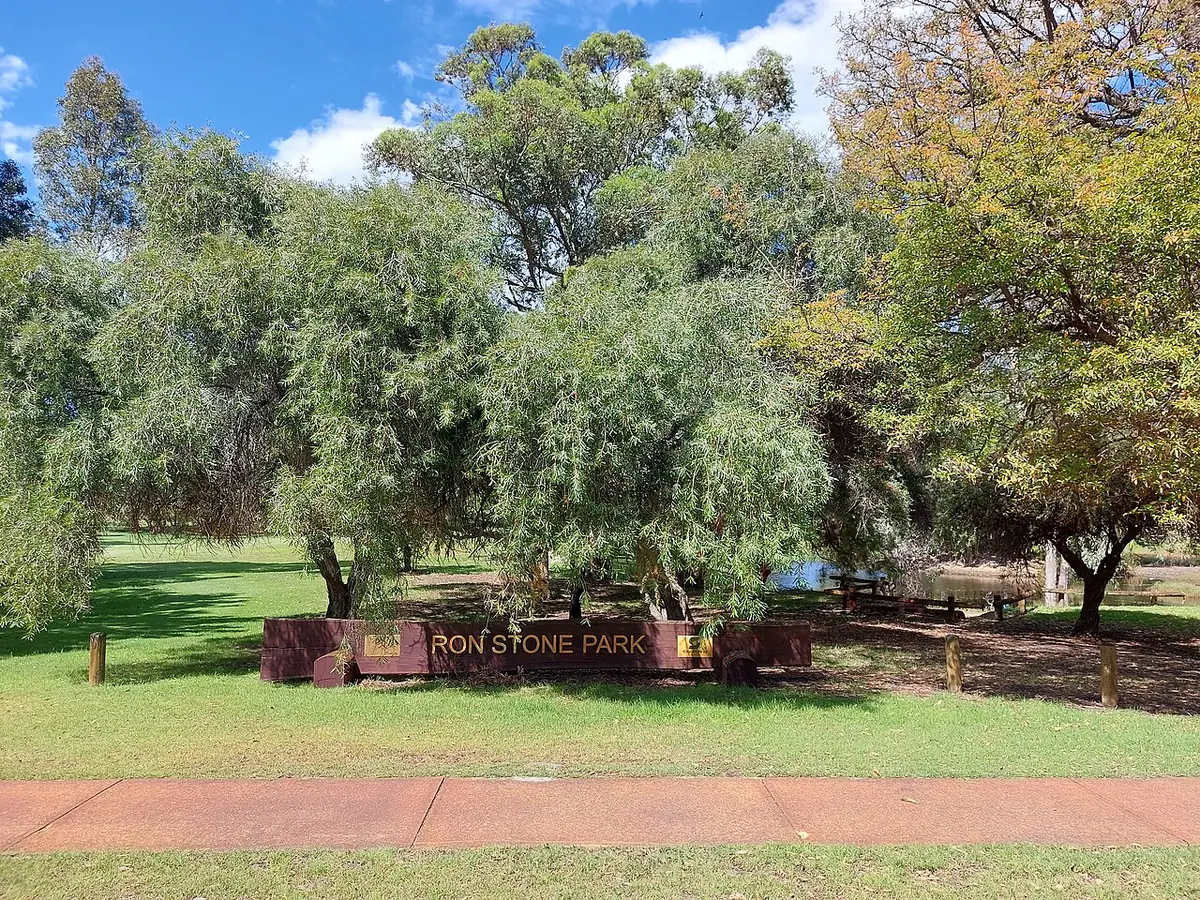
Ron Stone Park, a green space in Mount Lawley — Photo: Orderinchaos · CC BY-SA 4.0 · Wikimedia Commons
This lifestyle choice comes with a cultural and practical change of scene that is worth preparing for when you leave familiar reference points behind.
Every kind of buyer comes to the Perth property market with their own expectations about getting around, commuting times and access to services. Whether you are a professional wanting to live as close as possible to the business districts or an investor after stable long-term value, the reality of the city makes you check how well your habits fit the way its neighbourhoods are laid out. Transport infrastructure, the spread of shops and the shape of residential developments vary considerably from one area to the next. Here is how your personal situation plays out against the choices on offer in Western Australia's capital.
City-centre professional
Buyers who prefer walking and public transport will look at apartments in the Central Business District or Northbridge. That choice puts you right next to the main employment hubs, restaurants and cultural venues. In return you have to accept smaller floor areas, a higher cost per square metre and some lively nights at the weekend. Strata management is also more formal in these areas.
Coastal lifestyle lover
Heading for areas such as Cottesloe or Scarborough transforms everyday life, putting the beaches of the Indian Ocean at the centre of your routine. This way of living particularly appeals to people looking for a relaxed setting that suits early morning exercise. However, the scarcity of properties facing the sea means high values, and direct exposure to salt spray calls for closer attention to the upkeep of facades, windows and doors.
Savvy investor
To target stable tenants looking for plenty of space and good schools, the middle-ring residential neighbourhoods are a sensible option. These areas strike a good balance between the calm of leafy suburbs and good connections to the centre. Tenant turnover is usually lower, which secures rental income over the long term, even if capital growth there is a little less speculative.
Living here when you come from abroad: what changes day to day
This transition shows itself first in the choice of exact location, since each neighbourhood has its own personality and its own constraints.
Settling into an apartment in Perth after living elsewhere is a profound change that goes well beyond language. The way urban space is organised, the relationship people have with their homes and local building standards all differ noticeably from what you may be used to back home. Understanding these structural differences avoids disappointment when you move in and helps you adjust your expectations about thermal comfort, insulation and relations with neighbours. Here are the main points of friction and adjustment between the two worlds.
From abroad
Dense city centres with older buildings full of character and traditional wooden floors
Perth
A housing stock that is mostly contemporary, dominated by glass towers and recent developments
You gain modern comfort, smart home features and natural light, but you lose the historic charm of the old stone found in many European cities.
From abroad
Strict building rules run by professional managing agents with formal general meetings
Perth
A highly structured strata management system in which the strata by-laws closely govern how the property is used
It is essential to review the projected strata budget and any restrictions on the use of common property, such as pets or short-term letting, before you commit.
From abroad
Efficient central or individual heating designed for harsh winters
Perth
Architecture designed around summer air conditioning, sometimes less well insulated against cool winter nights
Make sure to check for good-quality double glazing and supplementary reverse-cycle heating, because indoor temperatures can come as a surprise during the cooler months.
From abroad
Walkable ways of life rooted in compact, historic urban fabric
Perth
Pronounced urban sprawl that favours a private car or combined transport networks
Even in an apartment, the question of an allocated parking space (car bay) is central both to the property's value and to your freedom to get around.
Which neighbourhood should you choose to settle in or invest?
Once you have picked an area, a careful look at current price ranges will confirm whether your budget holds together.
Metropolitan Perth breaks down into micro-markets with very different dynamics, from the bustle of the business district to the laid-back beach atmosphere of the coast. Choosing a neighbourhood is not just a question of prestige; it depends closely on how much urban noise you can tolerate, how much you need transport connections and the kind of tenants you want to attract. A close look at the character of each area helps steer your investment towards the parts of the city most resilient to economic swings.
Central Business District (CBD) and Northbridge
A busy atmosphere driven by office workers during the day and lively nightlife in the evening.
Suits
Urban professionals and investors looking for strong short and medium-term rental demand.
Trade-off
A higher cost per square metre and direct exposure to city noise at the weekend.
Subiaco and Leederville
A trendy village feel, with tree-lined streets, independent cafés and designer boutiques.
Suits
Buyers looking for the ideal balance between a lively local scene and residential calm.
Trade-off
Stiff competition between buyers for quality properties, which keeps asking prices high.
South Perth and Victoria Park
Open views of the skyline, riverside parks made for relaxing and a family atmosphere.
Suits
People who value green space, outstanding views and quick access to the centre across the bridges.
Trade-off
Reliance on the main roads to cross the river at peak times.
Cottesloe and Scarborough
An island-like beach rhythm, focused on the ocean, water sports and walks along the seafront.
Suits
Buyers who put the natural setting first and want a property with strong long-term value.
Trade-off
Marked exposure to coastal weather and purchase prices among the highest in the region.
How much does an apartment in Perth really cost?
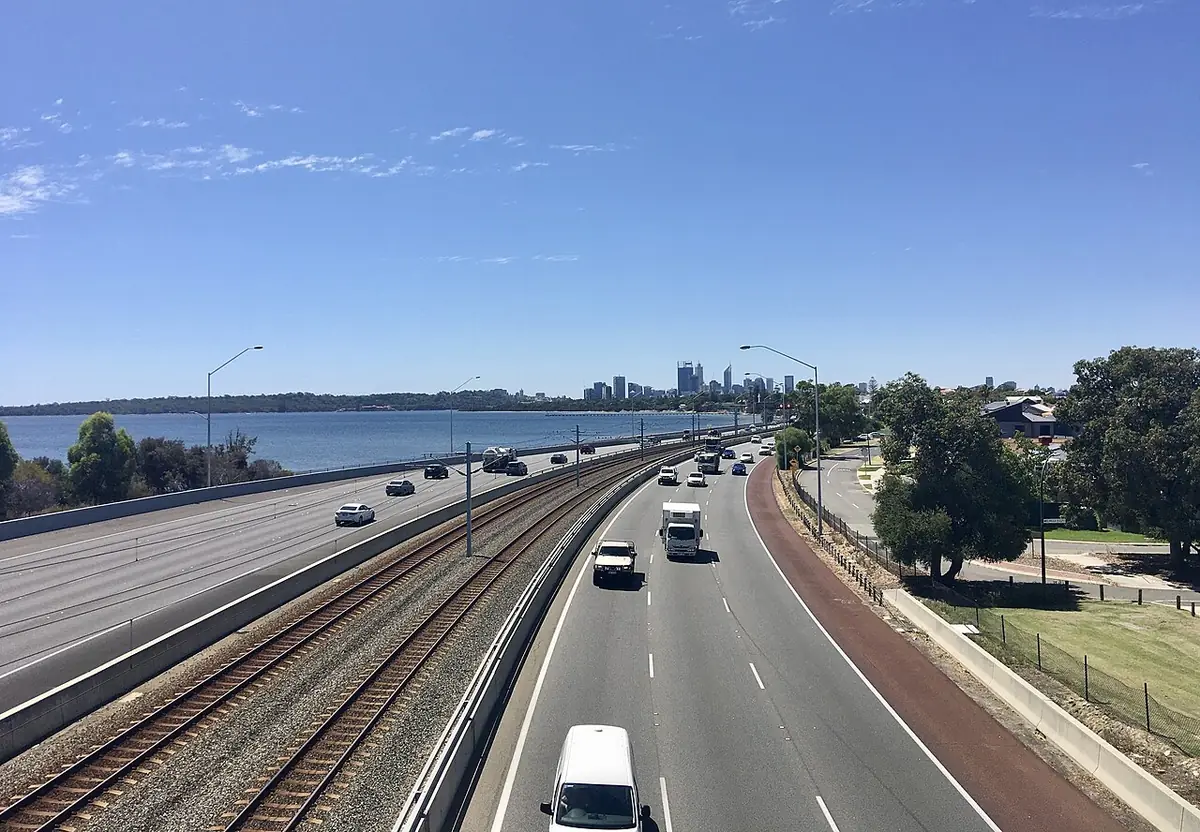
The freeway and rail line run along the river towards Perth city — Photo: Steelkamp · CC BY-SA 4.0 · Wikimedia Commons
Beyond the headline figures, the legal structure of your purchase determines exactly what kind of ownership rights you hold.
Prices in the Perth property market vary significantly with distance from the coast, the quality of construction and the shared amenities in the building. To avoid underestimating your overall budget, you need to add to the purchase price the extra costs that come with the Australian legal system, such as stamp duty and strata levies. The ranges below reflect trends observed for standard properties, excluding exceptional luxury developments.
PerthTo rentApartmentestimate
Median price / m²A$27Half the apartments sell below this
Median priceA$2.7kthe average is 14% higher — a few very large properties pull it up
Most common3 bedrooms36 % of listings
Average size110 m²
By number of bedrooms
Bedrooms
Share of market
Avg price
Price / m²
Avg size
1
14 %
A$1.66k
A$30 +7 %
55 m²
2
32 %
A$2.38k
A$28
85 m²
3most common
36 %
A$3.32k
A$27
125 m²
4
18 %
A$4.51k
A$26best value / m²
175 m²
Each row is an average, compared against the area average of A$28 / m². These are indicative estimates of a typical local market, not a measured sample of live listings. Check current listings before relying on them.
What you can actually own: understanding strata ownership
Once you have the legal framework in hand, the purchase follows a strict procedural timetable that needs to be respected to the letter.
Buying an apartment in Australia rests on strict legal frameworks that govern how space is shared and how the building is run. Unlike some practices you may know from elsewhere, the distinction between outright ownership of your private lot and the collective management of the common property is set out in precise rules. Mastering these basic legal concepts protects you from unpleasant financial surprises and ensures you can enjoy your property with peace of mind over the long term. The two main forms of ownership set out your rights and your obligations as an owner.
Strata title (standard strata ownership)
This is the most common legal form for apartments in Perth. You own your private space (the lot) outright, together with an undivided share of the common property (roof, stairwell, lifts, grounds). Management is handled by the owners' body (the strata company), which elects a council and sets the quarterly levies used for routine maintenance and for the reserve fund that pays for major works.
What it changesYou must follow the strata by-laws carefully, and they can restrict external alterations, moving hours or keeping pets.
Survey strata or company share
Rarer for vertical apartment buildings, this arrangement allocates company shares or specific portions of land along with an exclusive right to occupy the home. The internal governance rules are often more flexible but require owners or shareholders to get on well, since the number of lots in this kind of structure is usually small.
What it changesGetting a bank loan can prove harder with some lenders, who scrutinise the financial and legal soundness of the underlying structure very closely.
The rule to understand before paying a deposit
To handle all of these steps safely, bringing in qualified professionals is essential.
The property buying process in Australia includes legal protections that are nonetheless demanding about how quickly you respond. Signing an offer (Offer and Acceptance) binds the parties contractually as soon as the seller accepts it, subject to the conditions negotiated beforehand. Understanding the sequence of essential checks keeps you from losing your deposit if a hidden defect or a structural problem in the strata scheme comes to light late. Here is the logical chain of precautions to take before any final commitment.
You have finished searching and have chosen the right property.
Drafting and negotiating the offer through your agent or your legal representative (settlement agent), with clear conditions included.
Obtaining formal finance approval from your bank or an accredited mortgage broker.
Carrying out a thorough building and pest inspection to detect any structural or pest problems.
Examining the strata records in detail (strata search) to review the history of general meetings, any current disputes and the state of the reserve fund.
Once the conditions are satisfied, the contract proceeds to formal signing and a secure transfer of ownership.
How a transaction unfolds, step by step
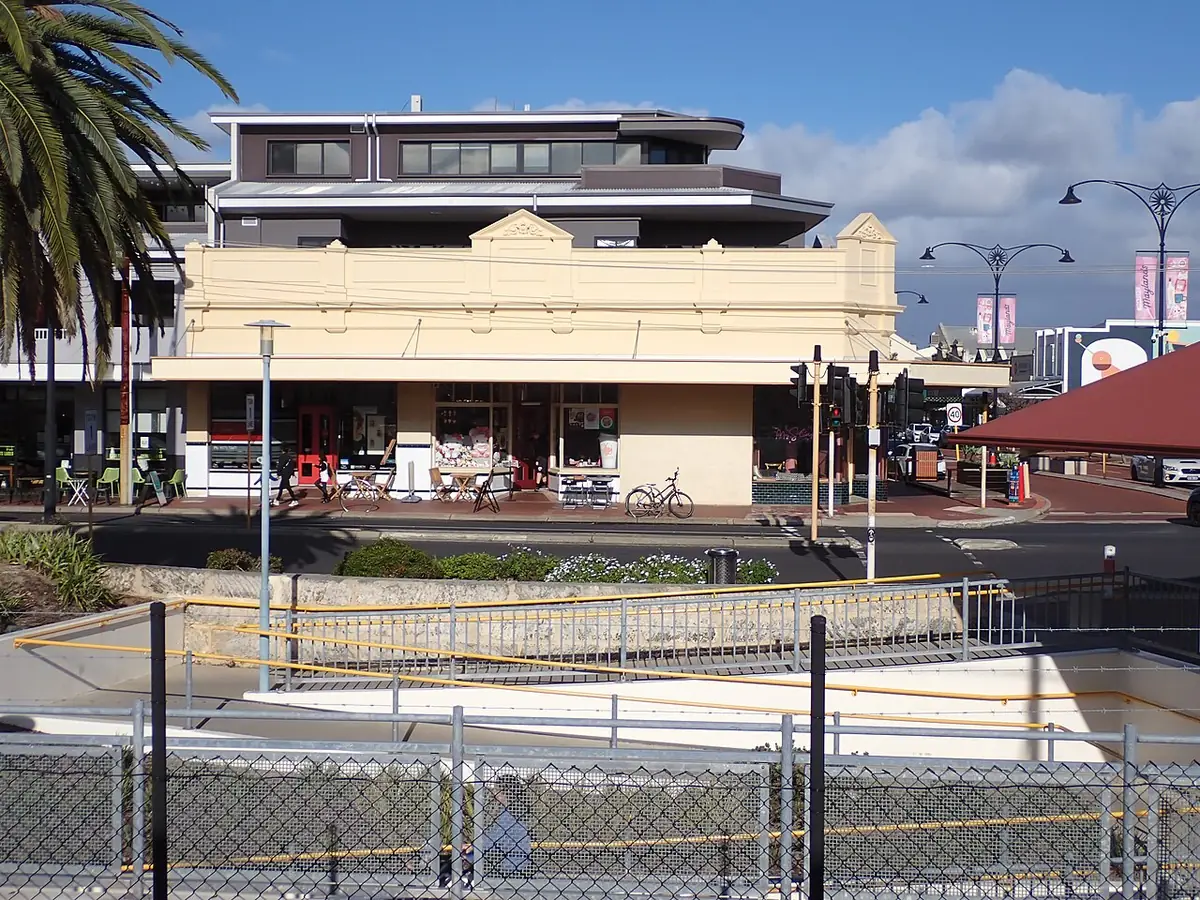
A heritage shopfront on Whatley Crescent in Maylands — Photo: Calistemon · CC BY-SA 4.0 · Wikimedia Commons
A property transaction in Australia does not involve a traditional notary as it would in many countries, but brings in specialists whose roles are strictly divided. From the mortgage broker to the settlement agent or conveyancer, each professional ensures the legal and financial security of the transfer of ownership. The timetable generally runs over 30 to 60 days between the offer being accepted and the keys being handed over. Here is the chronological sequence of actions carried out by each party along the chain.
The buyerMaking the offerYou put your price in writing on the standard 'Offer and Acceptance' form, setting out your finance conditions and timeframe.
The sellerAcceptance or counter-offerThe seller has a set period to accept your offer, reject it or make a counter-offer on the price or the conditions.
The building inspectorChecking the condition of the propertyAppointed by you, the inspector prepares a full report on the structural soundness of the building and the absence of pests, such as the termites common in the region.
The settlement agentOpening the transfer fileThe agent coordinates the legal and administrative side of the transaction, carries out searches with the land registry and prepares the official transfer documents.
The bankReleasing the fundsThe bank releases the necessary funds in line with the approved finance plan, in coordination with your settlement agent.
The partiesSettlement dayThis is the official completion of the sale. The funds are paid to the seller, the registration duties are settled and you become the full owner.
Apartment or house in Perth: how to choose for the way you live
Now that you have a clear idea of the right type of property for your daily life, let us look at the financial realities of settling in.
In Perth, choosing between an apartment and a detached house is not simply a question of floor area or purchase budget. The urban structure of Western Australia's capital, with its vast geographic spread and a public transport network built along the Fremantle and Joondalup train lines, forces some very precise trade-offs in daily life. On one hand, the detached house with a garden, deeply rooted in the Australian imagination, offers complete privacy and welcome architectural freedom, but it often means living a long way from the jobs in the Central Business District (CBD) and demanding upkeep in a Mediterranean climate with particularly dry, hot summers.
On the other hand, an urban apartment, whether in the lively neighbourhoods of Northbridge and Highgate or along the Swan River in South Perth, completely redefines your relationship with time and with the city. By choosing an apartment, you swap the chore of looking after outdoor space for immediate access to cultural amenities, the cafés of Mount Lawley and a walkable lifestyle that the suburbs of detached houses simply cannot offer. You do, however, have to accept the constraints that come with strata living, particularly the management charges known here as strata levies, which can be substantial in newer buildings with pools and gyms.
To decide between the two in Perth, look at how you spend your weekdays rather than your weekends. If your job keeps you in the heart of the CBD or in the big technology and mining hubs, buying an apartment with good sound and thermal insulation will save you hours of commuting on the Mitchell Freeway. If, on the other hand, your household includes young children or pets that need large, secure spaces, moving a little further out to leafy residential neighbourhoods such as Subiaco or Victoria Park becomes a worthwhile investment in your long-term quality of life.
Finally, think about liquidity and resale prospects for your future property in the Western Australian market. Apartments in areas with strong rental demand often offer a higher gross yield, but houses on their own land have historically delivered stronger capital growth because land in inner-city areas is steadily becoming scarcer. Your final decision should therefore weigh the immediate convenience of your daily life against the long-term financial path of your property wealth in Perth.
What budget do you need to live comfortably in Perth as an owner?
Now that your projected budget is in place, see what the weekly rhythm of life actually looks like for someone living in Perth.
Drawing up a projected budget for buying and maintaining a property in Perth takes a rigorous look at your real outgoings beyond the mortgage repayments. Between local rates charged by councils, insurance required against climate risks and the relatively high cost of maintenance services, hidden costs can quickly upset poorly prepared finances. The tables below summarise the unavoidable costs of owning an apartment versus a house, along with the cost of everyday spending in the Perth metropolitan area.
Annual costs compared: apartment versus house in Perth
Expense
Apartment (strata)
Detached house
Impact on the budget
Council rates
$1,200 to $1,800 a year
$1,800 to $3,000 a year
Varies with the size and the land value assessed by the council.
Strata levies
$3,500 to $7,000 a year
None
Cover upkeep of the common property, building insurance and the reserve fund.
Home insurance (building and contents)
$800 to $1,400 a year
$1,500 to $2,500 a year
Higher for houses because of the roof area and bushfire risk.
Maintenance and preventive repairs
$1,000 to $2,000 a year
$3,000 to $6,000 a year
Gardening, termite treatment and air conditioning servicing are essential.
Amounts are in Australian dollars (AUD) and are averages observed across the Perth metropolitan market for standard properties.
Indicative monthly budget for a home-owning household in Perth
Cost category
Estimated monthly amount
What is included
Food and essentials
$800 to $1,200
Shopping at the major chains (Coles, Woolworths) and local fresh food markets.
Energy (electricity, gas, water)
$250 to $450
Noticeably higher use in summer because of heavy reliance on reverse-cycle air conditioning.
Transport (fuel or Transperth)
$200 to $400
A public transport pass or fuel for daily commuting.
Broadband internet and telecoms
$90 to $150
Unlimited NBN fibre connection and national mobile plans.
These estimates reflect a standard lifestyle for a couple without children living in the Perth metropolitan area.
Health, schools and transport: what does an ordinary Tuesday look like in Perth?
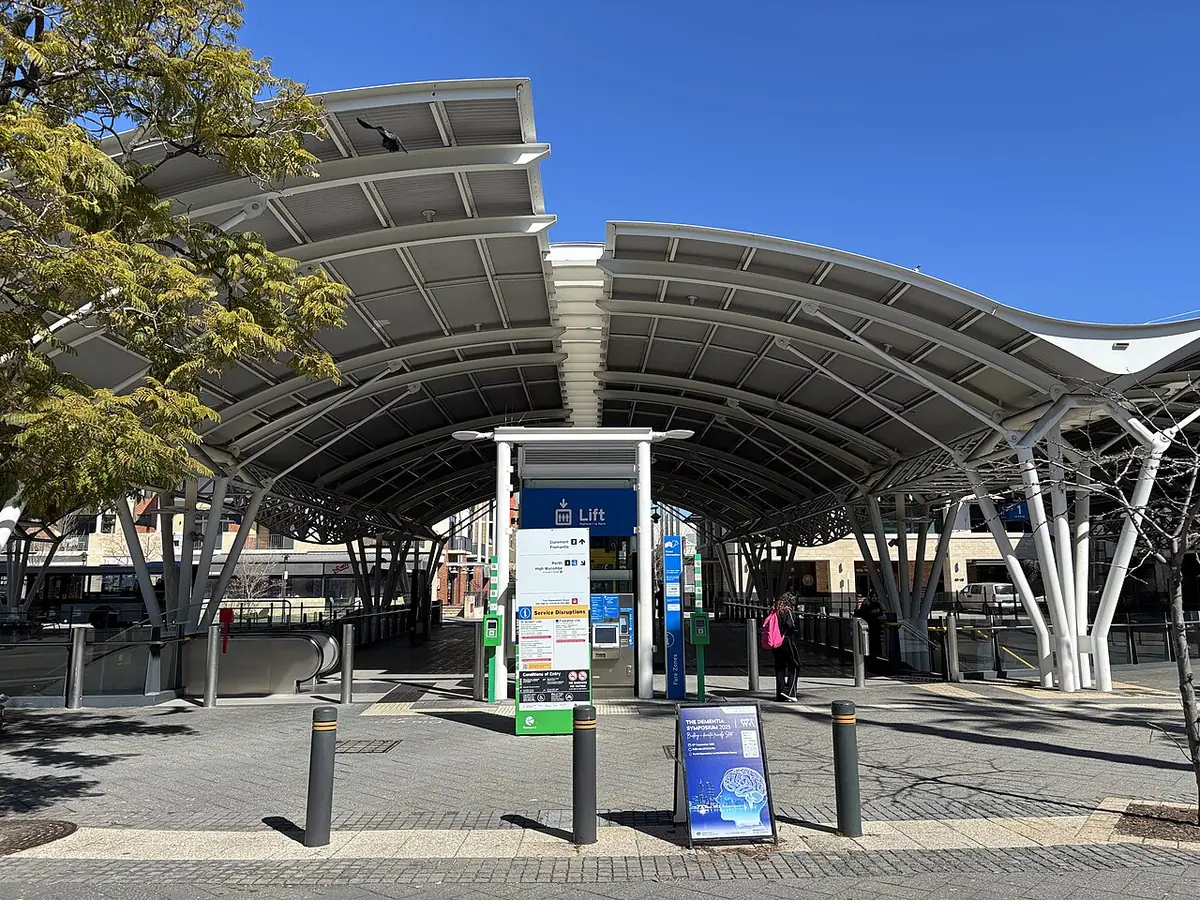
The curved canopy at the entrance to Subiaco station — Photo: Nick-D · CC BY-SA 4.0 · Wikimedia Commons
This apparently smooth daily routine does, however, hide realities on the ground that the marketing brochures carefully leave out.
To get a real feel for how smoothly you might settle in Perth, it helps to break down a typical weekday hour by hour. Far from the suffocating stress of the European or Asian megacities, Western Australia's capital offers a remarkable work-life balance, set by the morning light over the Indian Ocean and a city organised to cut down on wasted time. From the school run in the morning to a workout at the end of the day, here is exactly how an ordinary Tuesday in Perth unfolds.
07:00Cottesloe Beach or Kings ParkThe day starts with a brisk walk along the ocean or a run among the century-old eucalyptus trees of Kings Park, making the most of the cool morning before the summer heat builds.
08:30Local school or childcare centreDropping the children at the local public primary school or a nearby private school, typically with green campuses and manageable class sizes.
09:15Office in the Perth CBD or a co-working spaceArriving at work after an easy trip on a Transperth train or along the main freeways, in a business district that is busy but still on a human scale.
12:30Hay Street or Brookfield PlaceA lunch break in one of the city centre's many specialty cafés, known for their serious coffee culture and healthy, quick food.
17:30Local medical centre (GP clinic)A routine appointment or check-up with the local general practitioner, made easy by a first-class health system with modern facilities.
19:00Fremantle Boat Harbour or ScarboroughDinner on a terrace as the sun sets over the Indian Ocean, enjoying local cooking centred on seafood and wines from Margaret River.
What Perth's glossy property brochures will never tell you
Knowing about these invisible traps will keep you from making irreversible mistakes in your first months here.
The enthusiasm generated by Perth's exceptional quality of life too often hides local technical and regulatory quirks that can turn a property purchase into an obstacle course. Between strict legislation on older building materials, a chronic shortage of qualified tradespeople for renovations and tough planning rules shaped by the climate, here are four unavoidable realities that estate agents are careful not to mention during your viewings.
The widespread and destructive presence of termites in timber structures
Because of the hot, humid climate in parts of Western Australia, termite attacks are a major risk for property. A full pest inspection report is absolutely essential before signing anything, or you may find roof timbers completely eaten away from the inside.
Soaring costs and delays for even the smallest renovation
The construction sector in Western Australia faces sustained demand combined with a structural shortage of skilled labour. Redoing a kitchen or updating a bathroom often takes twice as long as planned and runs well over the original quotes.
Severe restrictions on water use and garden watering
Managing water in a dry region means strict watering rules based on the day of the week and your street number. Keeping a lush green lawn all year round requires installing an expensive private bore or accepting hefty water bills.
The complexity of heritage rules in historic neighbourhoods
Buying a charming period home in Subiaco or Fremantle brings unmatched character, but it exposes you to uncompromising planning committees that forbid any significant external change, blocking any extension of your living space.
Classic traps and buyers' regrets six months after moving in to Perth
Faced with these risks, it is just as important to know whether this market is really right for you.
Looked likeA lovely single-storey house surrounded by greenery in a peaceful, wooded suburb on the far outskirts.
Turned outA real logistical trap during summer bushfire peaks and a nightmare two-hour daily commute to reach the CBD.
Would have caught itAlways check the bushfire prone area classification of the block and test real travel times at peak hour before making an offer.
Looked likeAn ultra-modern top-floor apartment with large west-facing windows to take in the ocean.
Turned outAn unmanageable heat trap in summer despite the air conditioning, leading to sky-high electricity bills and living areas that are constantly overheated.
Would have caught itChoose a north-facing aspect (in the southern hemisphere) with suitable external sun protection or certified solar control glazing.
Looked likeA great strata purchase with unusually low strata fees for the area.
Turned outAn ageing building with no reserve fund, whose owners refuse to vote for urgent facade and waterproofing repairs.
Would have caught itGo carefully through the minutes of the last three strata general meetings to identify current disputes and any works already approved.
Looked likeA large, gently sloping block with extraordinary landscaping potential at low cost.
Turned outMajor stormwater drainage problems during heavy winter storms, causing repeated water seepage into the foundations of the house.
Would have caught itInsist on a thorough geotechnical survey and check the natural drainage of the block before you commit for good.
Who should definitely sit this one out and not buy property in Perth?
Now is the time to take stock and decide whether you are ready to take the plunge.
The economic pull and enviable lifestyle of Western Australia's capital sometimes lead investors or would-be expats to take the plunge without having the right profile. The Perth property market has pronounced cycles, an immense distance from the major global markets and demands on your adaptability that do not suit everyone. Here are the profiles for whom buying property in Perth would be a major strategic mistake.
The investor looking for instant liquidity and short-term speculative returns
→Holding off from buying residential property in Perth
The Western Australian market follows long economic cycles closely tied to the mining industry. Having to sell in a hurry during a downturn can force you to let your property go for less than you originally paid.
The city dweller hooked on constant cultural buzz and very dense public transport
→Renting in the city centre instead, or giving up on moving to Perth
Despite its growing energy, Perth remains a city on a human scale where activity slows markedly in the evenings and on Sundays. Life here is fundamentally built around nature, the outdoors and residential calm.
The buyer on an extremely tight budget with no safety savings for maintenance
→Waiting to build up a deposit and cash reserves before going ahead
Labour and materials for fixing a roof, treating pests or maintaining a pool in Perth are extremely expensive. Buying without a financial cushion puts you at risk of rapid personal financial ruin if something big goes wrong.
So, are you ready to take on the Perth property adventure?
Buying property in Perth is not a matter of simple arithmetic or a passing crush on a sunny climate. It is an all-round life choice that means accepting the relaxed pace, the characteristic distances and the regulatory demands of Western Australia. If you have taken the measure of strata costs, factored in the summer climate and confirmed that your plans fit your working life, you have everything you need to settle successfully in this exceptional region.
Take the time to visit several neighbourhoods at different times of day, talk to local residents to understand what community life is like, and surround yourself with independent professionals to inspect the structure of your future home. The Perth property market rewards patient, methodical and well-informed buyers who can look past the beautiful promotional photos to judge the real everyday value of a property.
Your move to Perth should be seen as a lasting investment in your quality of life and that of the people close to you. By following the decision steps we have set out, from the first choice of property type to the careful analysis of budgets and hidden traps, you turn geographic uncertainty into a solid and secure foothold for the years ahead.
Related questions
Can you buy property in Perth as a foreign non-resident?
Yes, but purchases by non-residents are tightly regulated by the Foreign Investment Review Board (FIRB). You must obtain approval before buying residential property, and that approval is generally limited to new homes or off-the-plan purchases, as a way of encouraging construction.
What legal fees and taxes apply when buying in Perth?
In Western Australia there is no notary in the sense many buyers from abroad are used to; the transaction is handled by a settlement agent or a lawyer. You have to pay transfer duty, which rises on a sliding scale with the value of the property, as well as land registration fees.
How does the strata title system work in Perth?
Strata ownership governs the vast majority of apartments and townhouses. Each owner holds their own lot outright plus a share of the common property. Annual strata levies pay for routine maintenance and the insurance covering the whole building.
Is a termite inspection compulsory before buying?
The law does not require an inspection in every case, but adding a pest and building inspection clause to your purchase contract is an essential precaution in Western Australia. Termite damage is generally not covered by standard home insurance policies.
Which neighbourhoods are most sought after for buying an apartment in Perth?
The most popular areas for apartments include the CBD for working life, Northbridge and Highgate for their cultural buzz, and South Perth and Crawley for being right beside the Swan River and its tree-lined parks.
How long does it usually take to complete a property transaction in Perth?
Once the offer is accepted and the contract signed, usually subject to finance and inspections, the standard settlement period in Western Australia runs for 30 to 60 days before ownership actually changes hands.
Should you budget heavily for air conditioning in Perth?
Definitely. Summers are very hot, with temperatures often above 35°C, so reverse-cycle air conditioning runs flat out for several months of the year. That adds up to a significant line on your quarterly electricity bills.
How can you find out about natural hazards such as bushfires and flooding?
The Western Australian government and local councils publish detailed interactive maps showing bushfire prone areas and zones subject to particular planning restrictions.
Is it easy to rent out your apartment if you leave Perth for a while?
Perth's rental market has traditionally seen strong demand and historically low vacancy rates. Handing your property to a local property management agency lets you find tenants quickly, for management fees of roughly 7 to 9% of the rent collected.
What financial help is available for first-time buyers?
The federal government and the State of Western Australia offer various schemes for first home buyers, including the First Home Owner Grant and partial or full transfer duty exemptions within the price caps currently in force.
Property review of ting
No ting properties in Perth yet
Be the first — share it on ting and it shows up right here.