

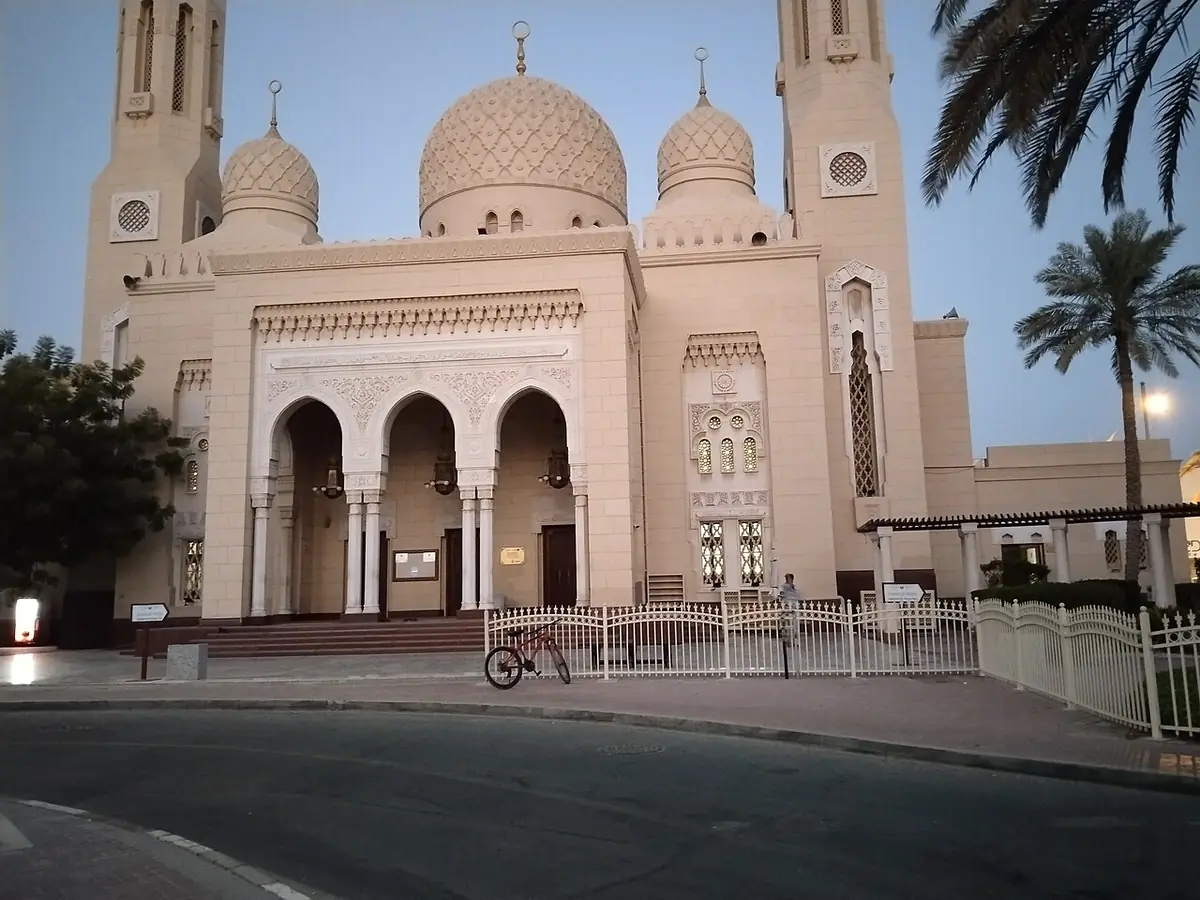
What Al Hamreiya Souq Offers
Al Hamreiya is a traditional marketplace in the heart of Dubai, filled with small vendors selling textiles, spices, jewelry, handicrafts, and henna products. Specifically for henna: you'll find henna powder, natural dyes, and shops that apply henna for weddings, celebrations, and special occasions. Many vendors have been in the business for decades and understand the craft deeply.
Henna in Dubai Culture
Henna—or mehendi—is central to Muslim, South Asian, and Middle Eastern celebrations. Wedding henna applications are elaborate and beautiful. For celebrations, parties, and everyday adornment, women apply henna in increasingly creative patterns. Al Hamreiya's henna vendors range from traditionalists to contemporary artists. The craft is taken seriously here; it's not a tourist service but a real cultural practice.
The Souq Experience
Walking Al Hamreiya is stepping into old Dubai: narrow lanes, shops stacked tight, the smell of spices and leather, people shopping seriously (not casually browsing). It's crowded, can be confusing if you don't know it, and wonderfully authentic. Most shopkeepers are from South Asian or Middle Eastern backgrounds and speak their home languages as readily as Arabic or English. It's not a polished tourist destination; it's a working marketplace.
How to Use a Henna Shop
For henna application: walk the souq or ask locals to recommend a specific vendor they trust. Discuss the design you want—traditional, contemporary, which hand and how much coverage. Pricing is usually per hand or full application. The artist will apply using a cone or applicator, and you'll sit while it dries and sets. Full bridal henna can take 1-3 hours. For smaller designs, 20-40 minutes. Ask about natural vs. chemical dyes if you have a preference.
Why Al Hamreiya Matters
Al Hamreiya is a cultural anchor—the place where traditions are practiced daily, not archived. Shopping here supports vendors who've built their livelihoods on craft and community. For anyone interested in authentic Middle Eastern, Indian, or Arab culture, the souq is a genuine touchstone.
FAQ
How long does henna last?
Natural henna typically darkens over 24-48 hours and lasts 1-3 weeks, depending on how often you wash your hands and use it. The stain gradually fades. Chemical-based henna may fade faster or last longer depending on the formula.
Is henna safe?
Natural henna (plant-based) is safe for skin. Chemical additives (certain dyes) can cause allergies in sensitive individuals. Ask vendors about ingredients if you have sensitive skin. Do a patch test if you're trying a new vendor or formula.
How much does henna cost in the souq?
Pricing varies by design complexity and coverage. A small single-hand design might be AED 20-50. Full bridal henna on both hands and arms can be AED 150-500 depending on detail and the artist. Negotiate if applying to multiple family members.
What's the best time to visit Al Hamreiya?
Morning (8am-noon) is less crowded. Evenings fill with shoppers after work. Avoid peak mall-shopping hours (weekends afternoons). Mid-week mornings offer the easiest shopping and better attention from vendors.
Can I find henna products to apply at home?
Yes, vendors sell henna powder, cones, and dyes. Quality varies widely—ask vendors for recommendations and consider buying from long-established shops. Natural henna powder is better than pre-mixed pastes for quality control.
Is Al Hamreiya safe for visitors?
Absolutely. It's a working marketplace with constant foot traffic, vendors, and families shopping. Standard souq etiquette applies: respect personal space, don't photograph without asking, and be aware of your belongings in crowds. It's safe and welcoming to visitors interested in the culture.
Post review of ting
 change background colour (opens in a new tab)


change background colour
 change background colour (opens in a new tab)
 change background colour
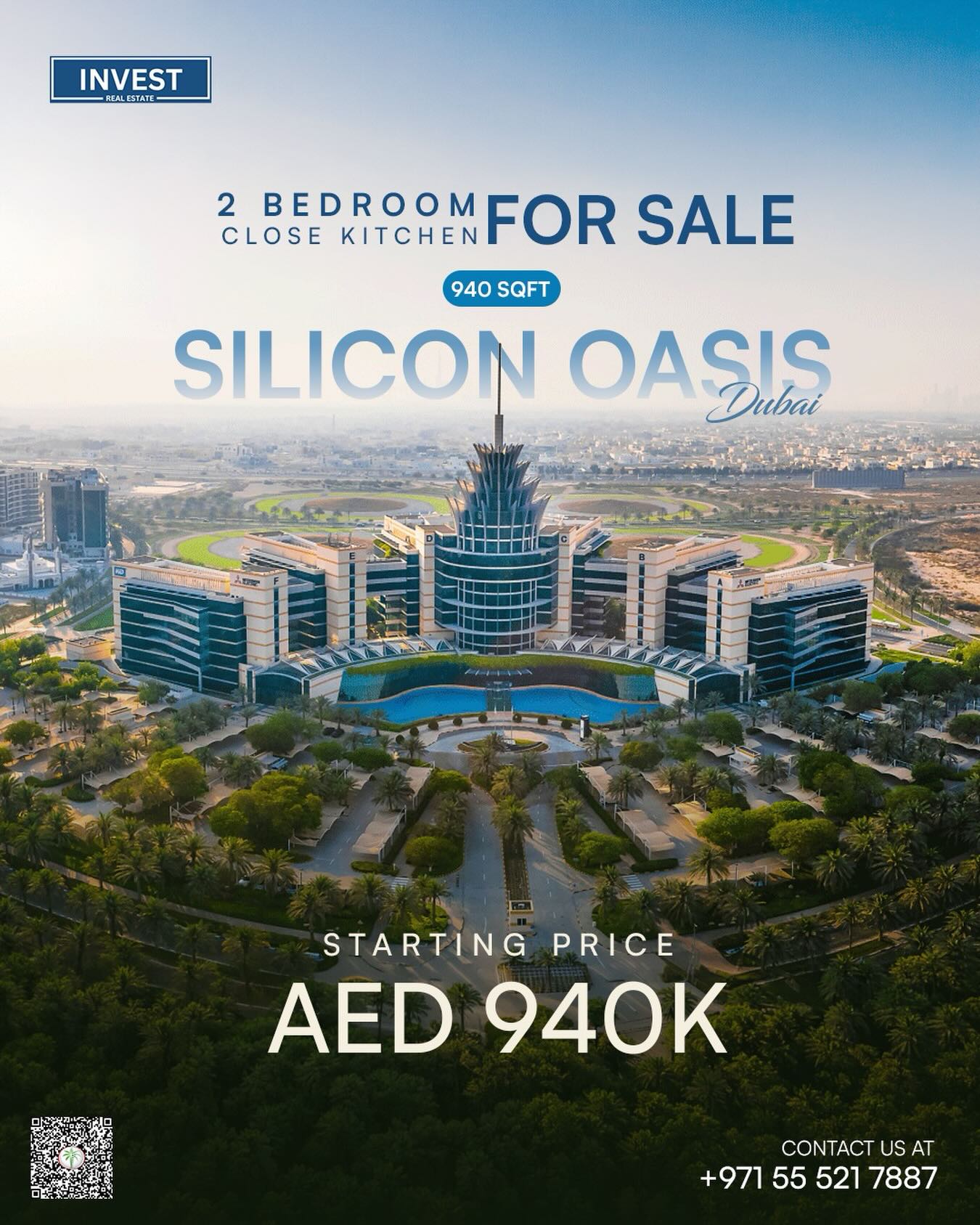 Own a Premium Address in Silicon Oasis, Dubai! 🏙️✨ Discover this… (opens in a new tab)
  Ting - Dubai
 Own a Premium Address in Silicon Oasis, Dubai! 🏙️✨ Discover this…
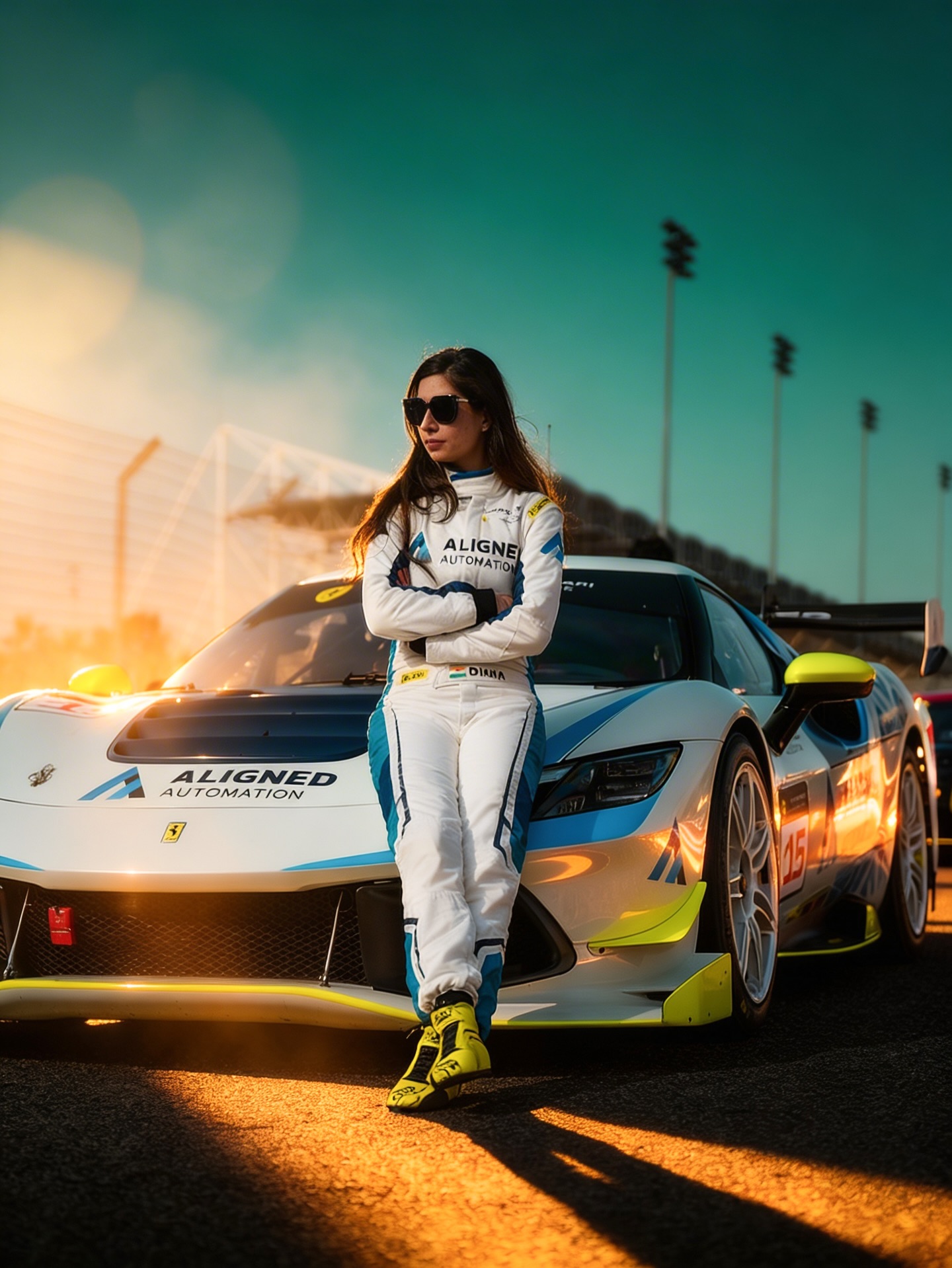 They say racing is 90% preparation, but sometimes the remaining 10%… (opens in a new tab) Ting - Dubai
 They say racing is 90% preparation, but sometimes the remaining 10%…
 hello (opens in a new tab)
  yaam
yaam hello
 On teste l’un des meilleurs burger du champions burger à Paris : le… (opens in a new tab) yaam
 On teste l’un des meilleurs burger du champions burger à Paris : le…
 Dear Grandma — (opens in a new tab) yaam
 Dear Grandma —
 SDASCF (opens in a new tab)