

What is LUA?
LUA Restaurant & Lounge has been serving authentic Lebanese cuisine with a modern twist since 2015. The concept spans five spaces: a fine dining room, the lounge, bar, VIP room, and a generous terrace overlooking the water. Whether you're looking for a casual cocktail or an evening out, the vibe is upscale but approachable—less stuffy, more social.
The restaurant is open from noon until 2 am, with service that locals consistently praise. It's the kind of place that becomes a regular spot for Palm residents, whether for a business lunch, sunset drinks, or a full evening out. Reviewers often mention the beach lounge area and cocktails as standouts.
The Area: Living on Palm Jumeirah
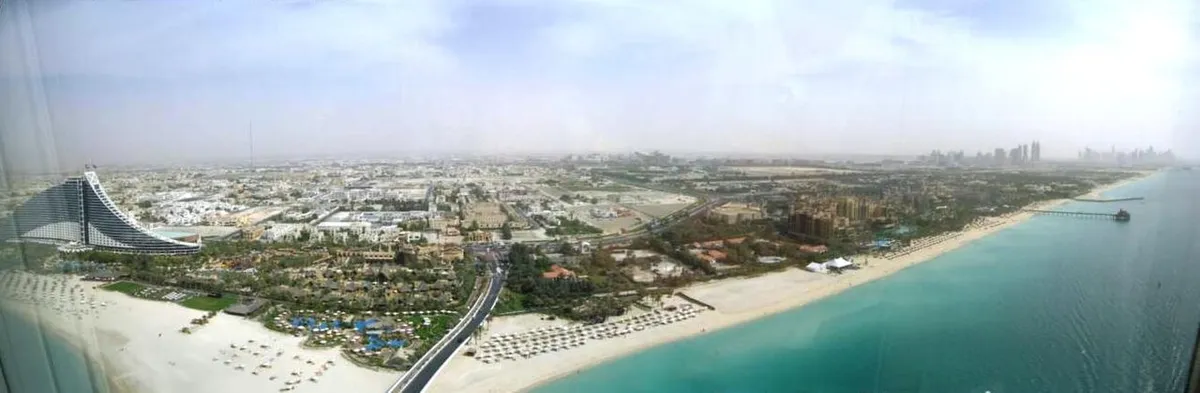
LUA sits at the Sofitel on Palm Jumeirah, an island shaped like an enormous palm tree and one of Dubai's most iconic developments. If you're considering living here, understand that Palm Jumeirah attracts a specific kind of resident: families seeking privacy and waterfront living, professionals valuing exclusivity, and investors drawn to trophy real estate.
Apartments cluster on the trunk of the palm with good views and shared amenities. Villas and townhouses occupy the fronds, often with private pools, gardens, and direct beach access. The entire island has a different pace than central Dubai—more relaxed, more private, with neighbours who tend to stay a while. The 11 km Boardwalk runs across the crescent, dotted with cafes, water sports, and parks. Amenity-wise, residents get private beach access, pools, gyms, and manicured landscaping.
Who Lives Here and Who It Suits
Palm Jumeirah suits families with school-age children (there are good international schools nearby), couples who value peace over nightlife proximity, and remote workers who can afford island living. It's family-friendly—there are parks, playgrounds, and various nurseries—but it's also genuinely quiet. If you need constant buzz and walk-to-everything convenience, this isn't it.
LUA itself tells you about your neighbours: people who dine out regularly, appreciate good cocktails, and don't mind spending on a night out. The island also has several other restaurants and bars in hotels and around the community, so you're not entirely dependent on one venue. But the dining scene here is more curated and quieter than you'd find in Dubai Marina or Downtown.
Getting There and Getting Around
Palm Jumeirah is connected to the rest of Dubai by a dedicated tram line and monorail system. The nearest metro stations—Dubai Internet City and Al Khail—are about 8 km away on the Red Line. From there, you catch a tram to Palm Gateway, then the monorail to your destination. The full public transit journey from central Dubai takes roughly 45–60 minutes, making it an option for commuters but not a quick hop.
Most Palm residents rely on cars, taxis, or ride-share apps for daily movement. Driving to Downtown Dubai takes around 20 minutes. The island itself is compact and walkable if you're staying put, but getting off the island for work or entertainment requires planning. This isolation is partly the appeal—fewer through-traffic, fewer tourists—but it's worth knowing if you work in central Dubai.
The Dining and Entertainment Scene
Palm Jumeirah has matured into a genuine dining destination. Beyond LUA, there are water parks (Aquaventure), beachside venues with multiple restaurants, upscale shopping at Golden Mile Galleria with around 70 retail outlets, and scattered cafes and bars throughout the resort hotels. The Boardwalk provides casual dining kiosks and leisure space, making it a popular weekend spot for residents and visitors alike.
For many, LUA exemplifies what living on the Palm means: you have access to well-executed, sophisticated dining without needing to leave the island. That said, the scene here is more muted than Marina or JBR. You're trading volume and variety for quality and exclusivity. If you thrive in areas with endless choice and late-night bustle, you may find the Palm quieter than you'd prefer.
Local Area Note: Why This Matters for Residents
LUA and the dining venues around it are useful indicators of what living on Palm Jumeirah actually feels like. This is a place designed for people who want to opt out of the main city hustle—quieter streets, private access, high service standards. The fact that a restaurant like LUA thrives here (4.5 stars on TripAdvisor, ranked in the top restaurants across Dubai) shows there's wealth, stability, and demand for quality. It also means you're living alongside people who value good food, hospitality, and spending on experiences.
The Sofitel and its restaurants are part of the social fabric of the island. Many Palm residents use these venues regularly, turning them into community gathering points. If you choose to live here, understanding what LUA represents—curated dining, island lifestyle, accessibility without leaving your neighbourhood—is key to whether this is actually the neighbourhood for you.
Editorial overview compiled by the ting.ad team from public listing data and web research. Not a verified customer review.
FAQ
Is LUA good for families with children?
Yes. LUA opens at noon and has a relaxed lounge and terrace area, making it family-friendly during day and early evening. The Sofitel has multiple dining options, so if LUA doesn't suit, there are alternatives nearby. However, the late-night bar scene (open until 2 am) is more geared toward adults.
Do I need a car to live on Palm Jumeirah?
Practically speaking, yes. The island is connected by tram and monorail, but getting anywhere off the Palm via public transit takes 45–60 minutes. Most residents drive or use taxis. Within the Palm, you can walk if you're staying in the trunk apartments, but the fronds are more spread out. A car gives you flexibility.
How expensive is dining at LUA?
LUA is upscale. Fine dining runs higher, but the lounge and bar offer casual options. Expect mid-to-high pricing typical of Sofitel-level restaurants in Dubai. It's not a cheap eat, but not exorbitant for the location and quality. Prices align with what you'd find in Marina or Downtown for similar venues.
What are the schools and healthcare like on the Palm?
Palm Jumeirah is well-served with top international schools nearby and clinics, hospitals, and pharmacies throughout the island and surrounding areas. Healthcare access is excellent. If education is a priority, most families research specific school options before choosing a villa or apartment.
Is the island crowded with tourists?
The Palm attracts tourists, particularly around Aquaventure and the Boardwalk. However, the residential areas are quieter. LUA, being hotel-based, does see tourist traffic, but the neighbourhood itself feels like a settled community. It's not tourist-swamped like JBR or Marina.
What's the vibe of living on Palm Jumeirah compared to other Dubai neighbourhoods?
The Palm is quieter, more private, and more expensive than Dubai Marina, JBR, or Downtown. You're trading walkability and variety for exclusivity and peace. It appeals to families, couples seeking privacy, and professionals working remotely. It's not ideal if you want constant nightlife or walk-to-everything convenience.
Post review of ting
 change background colour (opens in a new tab)


change background colour
 change background colour (opens in a new tab)
 change background colour
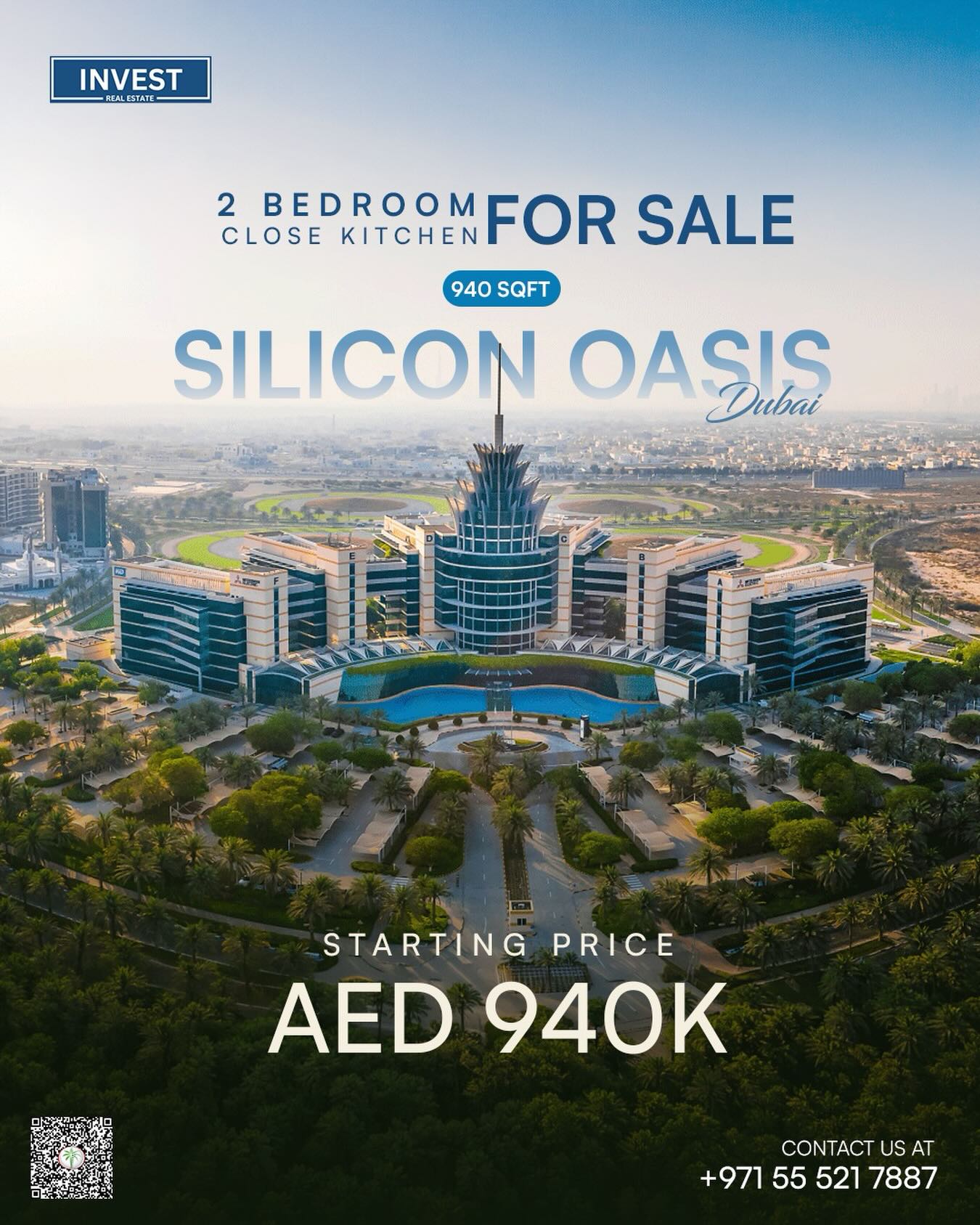 Own a Premium Address in Silicon Oasis, Dubai! 🏙️✨ Discover this… (opens in a new tab)
  Ting - Dubai
 Own a Premium Address in Silicon Oasis, Dubai! 🏙️✨ Discover this…
 They say racing is 90% preparation, but sometimes the remaining 10%… (opens in a new tab) Ting - Dubai
 They say racing is 90% preparation, but sometimes the remaining 10%…
 hello (opens in a new tab)
  yaam
yaam hello
 On teste l’un des meilleurs burger du champions burger à Paris : le… (opens in a new tab) yaam
 On teste l’un des meilleurs burger du champions burger à Paris : le…
 Dear Grandma — (opens in a new tab) yaam
 Dear Grandma —
 SDASCF (opens in a new tab)