

Zayed City is Abu Dhabi's long-horizon bet — a carefully planned district between Mohammed Bin Zayed City and the international airport, built to eventually house 370,000 residents and to serve as the capital's institutional and governmental core. It is not finished yet, and that is precisely the point: buyers here are purchasing into Abu Dhabi's future, not its present. Average prices of around AED 2.54 million, with entry from AED 665,000, put it in the medium price bracket — accessible now, with the infrastructure argument behind it.
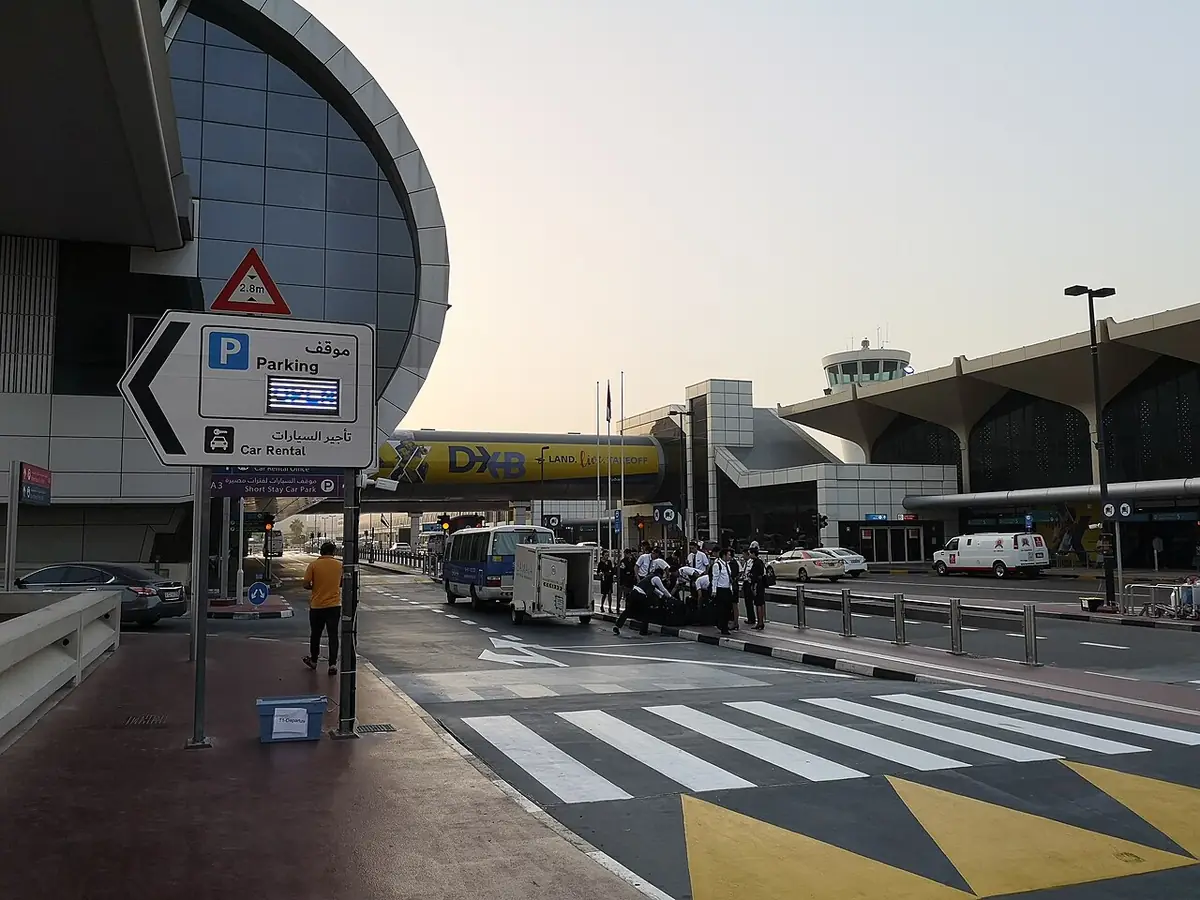
The vibe
Zayed City has the feel of a city under careful construction. The roads are well laid out, the community plans are visible, and the residential developments — including Bloom Living, one of the most prominent launched projects in the area — are progressing at pace. But it is honest to say that this is not a mature community yet: the density of amenities, the street-level activity, and the neighbourhood identity are all still forming.
Residents who moved in early describe the experience as quiet, spacious, and affordable by Abu Dhabi standards — with the expectation that what surrounds them will grow in quality and volume. The government quarter ambition, with federal ministries and embassy clusters planned, gives the district an institutional seriousness that other emerging communities lack.
Property and rents
Zayed City sits in the medium price category for Abu Dhabi, which is a reasonable reflection of where infrastructure delivery currently stands. Prices range from AED 665,000 for smaller apartments up to AED 9.5 million for larger villas and premium units, with an average around AED 2.54 million. No rental data is available for this area in the current dataset, which itself reflects the relatively early stage of the community — tenant demand is building rather than established.
The investment case rests on Abu Dhabi's Plan 2030 commitments: metro connectivity extensions, government relocation to the area, and continued infrastructure build-out are all expected to drive price appreciation over the medium to long term. Bloom Living and similar master-planned developments have generated strong off-plan interest from both end-users and investors seeking early-entry pricing.
Getting around
Zayed City's location near Abu Dhabi International Airport is a tangible advantage for frequent flyers — the airport is effectively a neighbour. The area connects to the broader Abu Dhabi road network via well-designed arterials, with central Abu Dhabi roughly 25–30 minutes away and Dubai around 60–75 minutes depending on traffic. Mohammed Bin Zayed City (MBZ) is immediately adjacent, broadening the pool of services and amenities accessible by car.
A fully integrated transport system including metro and regional rail is part of the master plan, but it remains prospective rather than operational. For now, a car is essential. The airport proximity does create some noise corridors in parts of the district — worth checking the specific plot before committing.
Amenities and daily life
Within Zayed City's planned communities like Bloom Living, developers have included schools, retail strips, parks, and community facilities as part of the master plan — residents in completed phases have access to pools, gyms, and landscaped green space within their gated communities. Beyond those walls, however, the broader neighbourhood is still catching up: freestanding retail, dining, and entertainment options are limited compared to established Abu Dhabi districts.
Residents currently depend on Mohammed Bin Zayed City's more developed commercial strip for everyday retail, dining, and services. The IKEA Abu Dhabi is nearby, as is the Dalma Mall in MBZ — practical rather than glamorous, but functional. The area will strengthen significantly as the government quarter materialises and supporting retail follows.
Who it suits
Zayed City makes the most sense for medium-to-long-term investors who believe in Abu Dhabi's urban expansion trajectory and want to buy early in a government-backed district. It also suits families who prioritise space, safety, and newer construction over proximity to established city amenities — and who are prepared to wait for the neighbourhood to mature around them. The price point is accessible enough to make the risk manageable.
It is not well suited to buyers or renters who need established amenities now, daily commuters to Dubai (the drive is real), or those seeking a lively urban community feel in the near term. The honest assessment: Zayed City has a strong future written on paper, but the gap between that plan and present-day liveability is still meaningful. Patience is part of the proposition.
I find emerging districts more interesting to write about than finished ones — the gap between what a place is and what it will be is where the real investment story lives.
FAQ
Where is Zayed City located in Abu Dhabi?
Zayed City sits between Mohammed Bin Zayed City (MBZ) and Abu Dhabi International Airport, approximately 25–30 minutes by car from central Abu Dhabi.
What are property prices in Zayed City?
Prices range from AED 665,000 for entry-level apartments to AED 9.5 million for larger villas and premium units, with an average around AED 2.54 million — a medium price category for Abu Dhabi.
Is Zayed City a good investment?
The long-term investment case is solid — government relocation, Abu Dhabi Plan 2030 infrastructure, and airport proximity. It requires patience: the community is still developing, and buyers should plan for a five-year-plus horizon.
What is Bloom Living Zayed City?
Bloom Living is a large master-planned residential development by Bloom Holding within Zayed City, offering villas and apartments in a gated community setting with its own schools, parks, and retail.
Are there schools in Zayed City?
Planned and under-construction school provision exists within developments like Bloom Living. More established international schools are accessible in the broader MBZ City area within a short drive.
How far is Zayed City from Dubai?
Approximately 60–75 minutes by car from central Dubai, making it feasible but demanding as a daily commute option for Dubai-based workers.
Post review of ting
 change background colour (opens in a new tab)


change background colour
 change background colour (opens in a new tab)
 change background colour
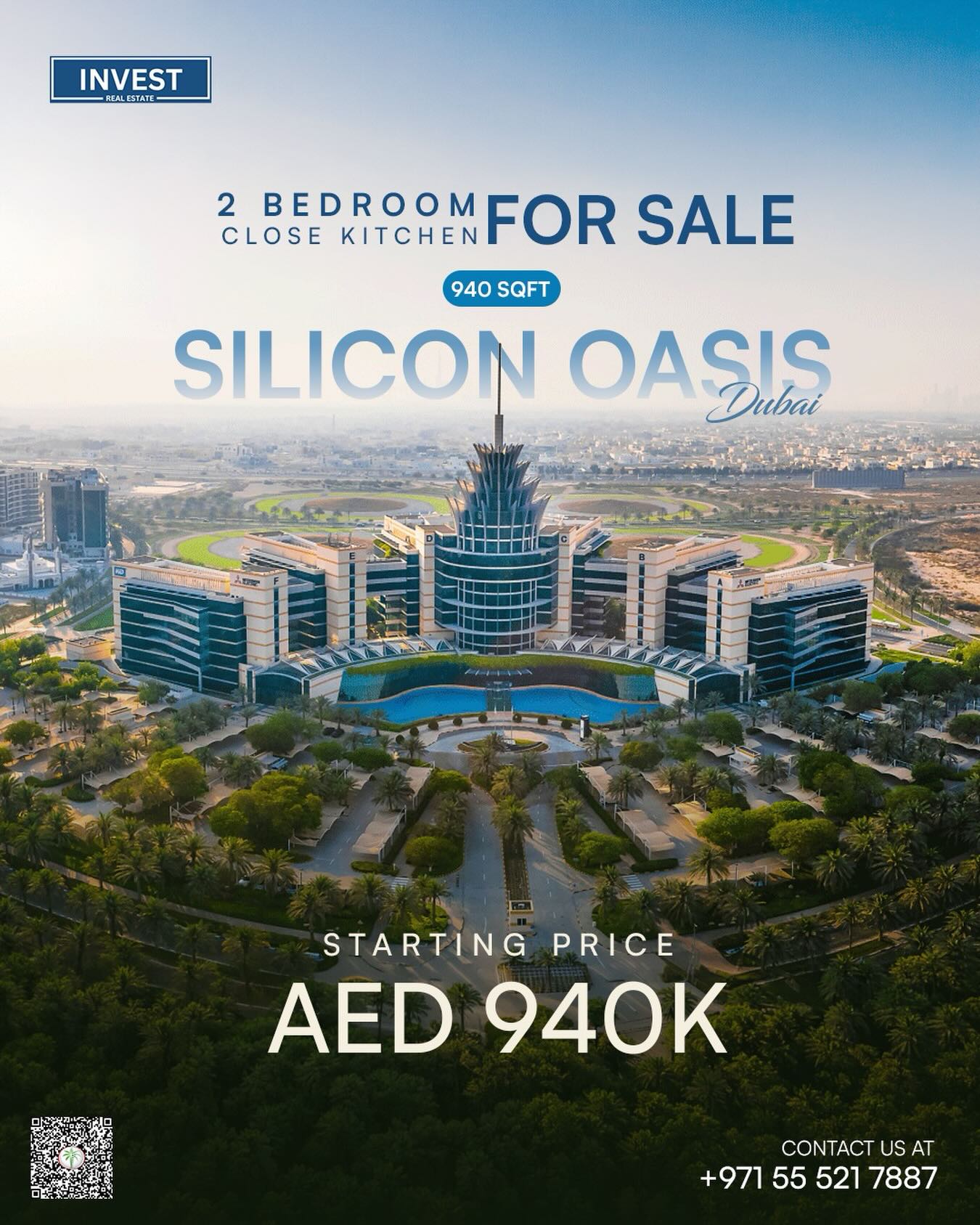 Own a Premium Address in Silicon Oasis, Dubai! 🏙️✨ Discover this… (opens in a new tab)
  Ting - Dubai
 Own a Premium Address in Silicon Oasis, Dubai! 🏙️✨ Discover this…
 They say racing is 90% preparation, but sometimes the remaining 10%… (opens in a new tab) Ting - Dubai
 They say racing is 90% preparation, but sometimes the remaining 10%…
 hello (opens in a new tab)
  yaam
yaam hello
 On teste l’un des meilleurs burger du champions burger à Paris : le… (opens in a new tab) yaam
 On teste l’un des meilleurs burger du champions burger à Paris : le…
 Dear Grandma — (opens in a new tab) yaam
 Dear Grandma —
 SDASCF (opens in a new tab)