

I do not usually lead with a stat, but this one matters: The Sustainable City is Dubai's first and only net-zero energy residential community, and its residents pay zero service charges. Built by Diamond Developers across 113 acres on Al Qudra Road, it is a genuine experiment in how a Dubai community can function differently — car-free internal streets, rooftop solar powering communal facilities, working urban farms, and a school built around sustainability as a curriculum. Properties range from AED 4.4 million to AED 10.8 million with an average around AED 5.76 million.
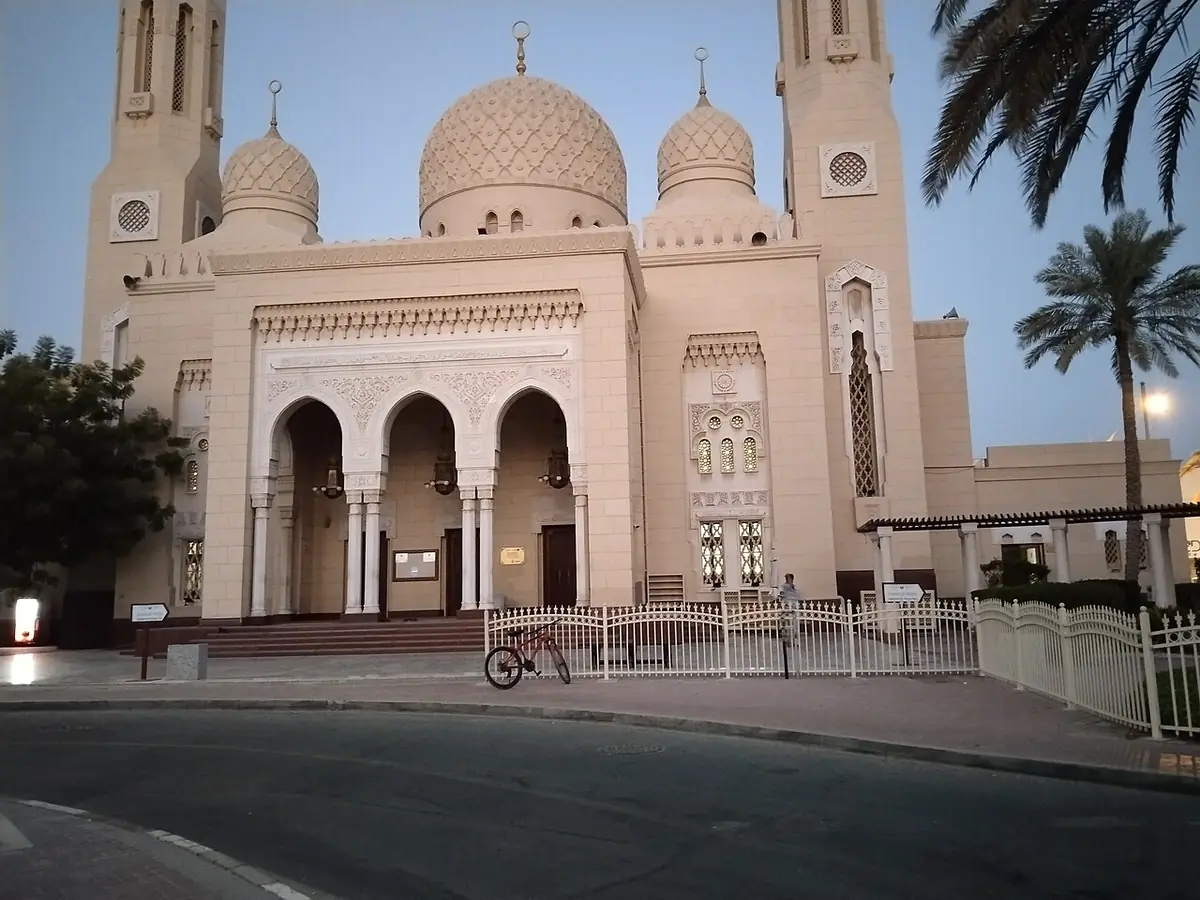
The vibe
Step inside the gates and The Sustainable City operates on a different frequency to the rest of Dubai. Electric buggies and shuttle buses replace cars on internal roads. Residents walk or cycle between the five residential clusters and the central Sustainable Plaza. The 10,000-plus trees and a kilometre of shaded green spines give it an almost tropical density of vegetation that most Dubai communities never achieve. There are community farms, composting facilities, and 250-plus EV charging stations — but what is perhaps more striking is that it feels lived-in and authentic, not like a showroom for green ideas. The community has been named the GCC's happiest by one resident survey, and the social fabric does bear that out.
The trade-off for all of this is a certain remove from urban Dubai. Al Qudra Road is not Sheikh Zayed Road. There is no metro within walking distance. Residents here are making a conscious choice to live slightly outside the main current of the city, and most do so with full awareness of that.
Property and prices
With 7 current listings this is a small, relatively illiquid market — owners tend to hold here. Prices run from AED 4.4 million to AED 10.8 million, averaging AED 5.76 million. All homes are villas across the five residential clusters. The zero-service-charge model is a meaningful financial advantage: the commercial revenues from the Sustainable Plaza and solar energy generation offset maintenance costs, so ongoing occupancy costs are materially lower than a comparable community elsewhere in Dubai. Utility bills are also reduced thanks to solar generation and high-efficiency building design.
Rental data is limited in this batch but the broader market shows villa rentals can range from around AED 200,000 to AED 450,000 per year depending on bedroom count and condition.
Getting around
The honest answer here is: by car, for everything outside the community. There are RTA bus routes (J02 and F32) serving the main entrance, and the community runs internal electric shuttles, but commuting to Downtown Dubai or Dubai Marina involves a 20-to-30-minute drive in typical conditions. Al Maktoum International Airport is about 20 minutes away, which benefits some residents. There is no metro station nearby.
This is probably the most significant practical consideration for prospective residents. If you work in the Technology, Media and Telecom free zones, Business Bay, or Downtown, the daily commute is manageable but not short. Many residents here work from home or have flexible arrangements that make the distance less of an issue.
Schools and amenities
Fairgreen International School — the first sustainability-focused IB school in Dubai — sits within the community, covering Pre-KG through Grade 12. This is a major draw for families who specifically want an education philosophy that aligns with how they are choosing to live. Creakids Nursery and a Norwegian early-learning facility are also in the community. The Sustainable Plaza provides everyday needs: a supermarket, medical clinic, retail outlets, cafés, restaurants, and wellness facilities. It is not the breadth of a Carrefour-anchored souk, but it covers daily life without requiring a car trip.
Who it suits
The Sustainable City self-selects its residents in a way few communities do. It is best suited to families who genuinely value eco-conscious living and want their day-to-day life to reflect that — not as a badge but as a practice. The zero service charge is a real financial benefit, and the IB school with a sustainability curriculum is a genuine differentiator. Remote workers or those with flexible commuting schedules will find the location much less of a burden than office-bound professionals. If your priority is proximity to central Dubai or easy metro access, there are better options. If your priority is community, clean air, and a different pace of Dubai life, The Sustainable City is nearly impossible to match.
I am drawn to communities that try to do something genuinely different, and The Sustainable City is the most convincing attempt I have come across in Dubai.
FAQ
What is the average property price in The Sustainable City?
Current listings average AED 5.76 million, ranging from AED 4.4 million to AED 10.8 million. All homes are standalone villas across five residential clusters.
Is there really no service charge?
Yes — The Sustainable City operates a zero-service-charge model for villa owners. Commercial revenues from the Sustainable Plaza and solar energy generation offset community maintenance costs. It is a genuine advantage over comparable Dubai villa communities.
How far is it from Downtown Dubai?
Approximately 20–30 minutes by car via Al Qudra Road. There is no metro access, so a car is required for commuting. RTA buses serve the main entrance but are not a practical daily commute option for most residents.
What school is inside The Sustainable City?
Fairgreen International School, the first IB sustainability-focused school in Dubai, covers Pre-KG through Grade 12. Creakids Nursery and a Norwegian early-childhood institute are also located within the community.
What does it cost to rent in The Sustainable City?
Villa rentals typically range from around AED 200,000 to AED 450,000 per year depending on size and configuration, though the rental market is limited given how infrequently owners choose to rent rather than occupy.
Who should consider living here?
Eco-conscious families — especially those with school-age children who would benefit from Fairgreen — and remote workers or those with flexible commuting needs. It is not ideal for people who need to be in central Dubai daily without a car.
Post review of ting
 change background colour (opens in a new tab)


change background colour
 change background colour (opens in a new tab)
 change background colour
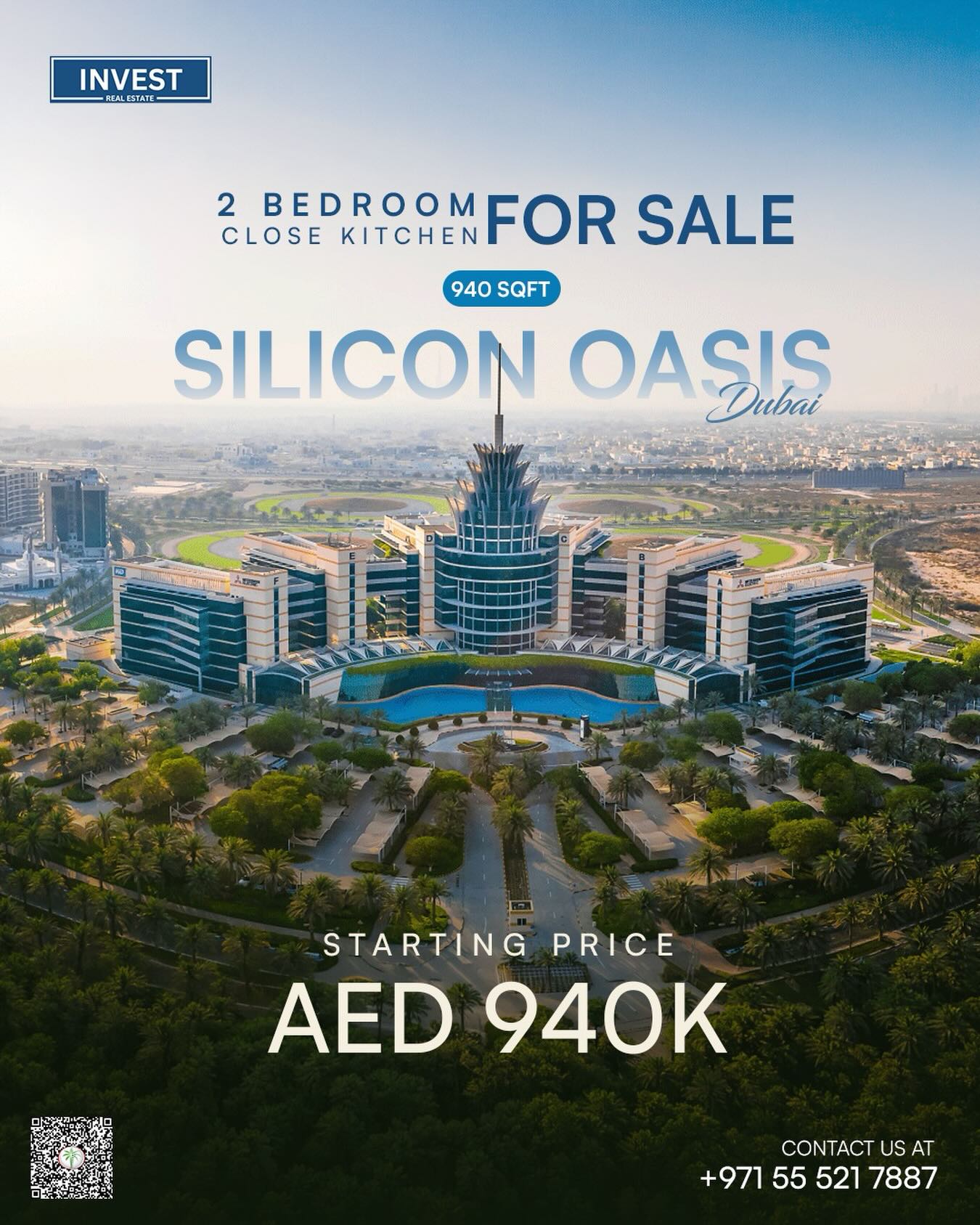 Own a Premium Address in Silicon Oasis, Dubai! 🏙️✨ Discover this… (opens in a new tab)
  Ting - Dubai
 Own a Premium Address in Silicon Oasis, Dubai! 🏙️✨ Discover this…
 They say racing is 90% preparation, but sometimes the remaining 10%… (opens in a new tab) Ting - Dubai
 They say racing is 90% preparation, but sometimes the remaining 10%…
 hello (opens in a new tab)
  yaam
yaam hello
 On teste l’un des meilleurs burger du champions burger à Paris : le… (opens in a new tab) yaam
 On teste l’un des meilleurs burger du champions burger à Paris : le…
 Dear Grandma — (opens in a new tab) yaam
 Dear Grandma —
 SDASCF (opens in a new tab)