

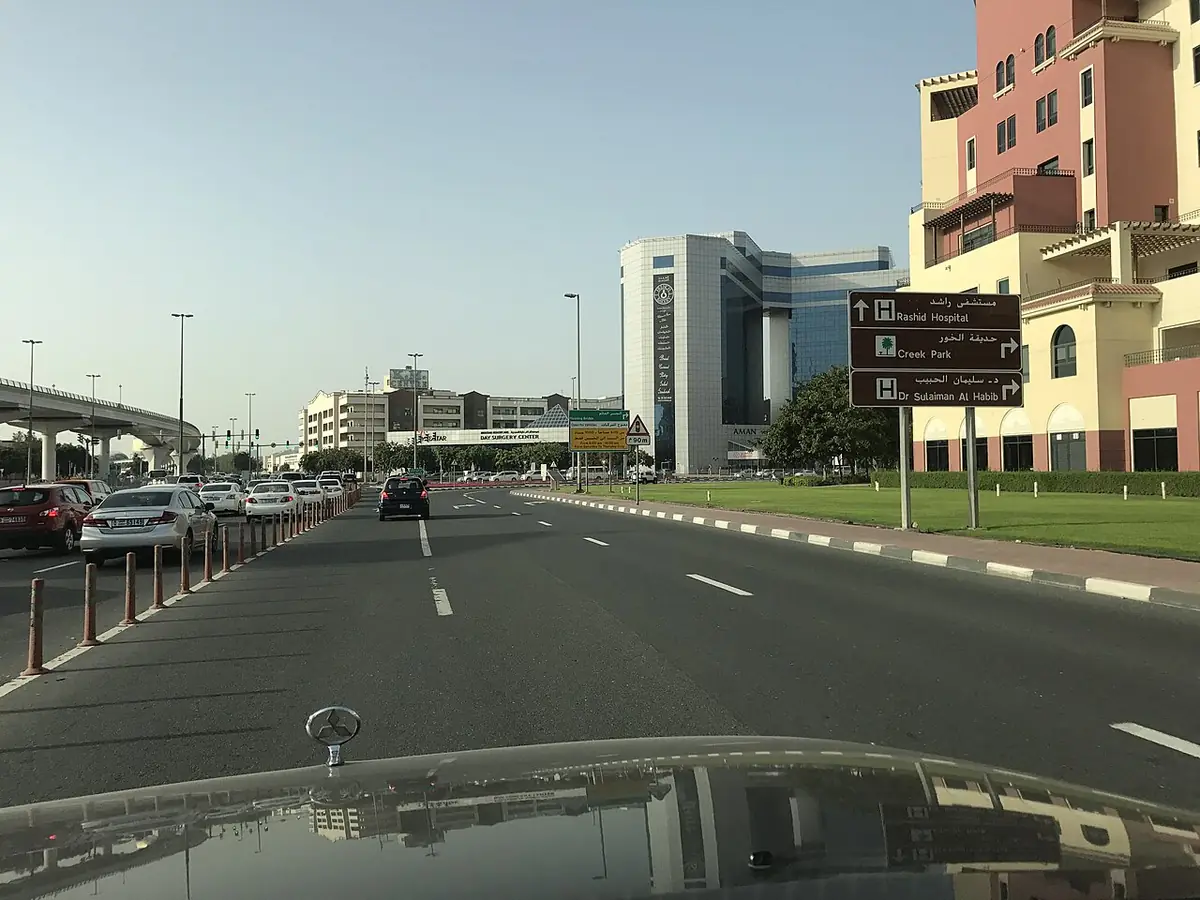
The vibe
Palm Jumeirah has two distinct personalities. The Trunk — the long strip connecting the island to the mainland — is dense, apartment-heavy, and buzzing with restaurants, beach clubs, and the constant hum of tourism. The Fronds, by contrast, are quiet, villa-lined, and almost suburban in pace. Most families I know who moved out here did so for the Fronds; most young professionals opt for the Trunk. Neither is wrong, but they are genuinely different communities within the same postcode.
The overall atmosphere is upscale but not stuffy. You'll find a mix of Emirati families, European expats, and an increasingly visible cohort of high-net-worth residents who've relocated from London, Moscow, or Mumbai. Atlantis, the Waldorf Astoria, and a string of world-class beach clubs give the island a resort-within-a-city feel that never quite disappears, even on a Tuesday morning.
Property and rents
With an average property price of around AED 13.5 million and prices reaching as high as AED 482 million at the top end, Palm Jumeirah sits firmly in the high-price bracket — and has earned it. The price-per-sqft averages AED 1,865, which is among the highest in Dubai, and values rose roughly 13.8% year-on-year in Q1 2025, so this is not a market that is softening. Entry-level is technically possible if you hunt carefully, but the floor price on anything habitable is well above what most mid-market buyers can reach.
On the rental side, average annual rents sit around AED 480,000. Studio and one-bedroom apartments on the Trunk tend to start significantly lower than that, but three- and four-bedroom villas on the Fronds can push well above the average. Rental yields for apartments run between 5.5% and 6.8%, making the island credible as an investment as well as a home — a rare combination at this price point.
Getting around
The Palm Monorail connects the Gateway Towers at the base of the Trunk to Atlantis at the tip — useful, but with limited stops. For most daily movement, residents rely on the Dubai Tram (which connects the island to the broader Dubai Tram network and the Metro at DAMAC Properties station) or a car. The nearest Metro station is Palm Jumeirah station, and from there you can reach Downtown Dubai in around 25 minutes during off-peak hours. Marina Mall is the nearest major retail hub.
Honestly, a car makes life considerably easier here. Parking is plentiful within the residential fronds, but the monorail gap means anything beyond a beach walk requires wheels or a taxi. For those commuting to DIFC or Downtown, the commute is manageable; for those heading to Deira or academic city, it is a proper journey.
Amenities and schools
The island's retail and F&B scene is genuinely impressive — Nakheel Mall on the Trunk has 300-plus stores and a cinema, and the Golden Mile Galleria handles everyday errands. Spinneys, Carrefour, and a clutch of pharmacies cover groceries. Healthcare is anchored by Mediclinic and Emirates Hospital Clinic. Burj Al Arab is a ten-minute drive along Jumeirah Beach Road.
Schools are a common conversation point for families considering the move. There are no schools directly on the island, though Regent International School in The Greens and Jumeirah English Speaking School (JESS) Arabian Ranches are among the popular choices within a 15- to 20-minute drive. Most families manage fine, but it is a logistical consideration worth planning around.
Who it suits
Palm Jumeirah suits buyers and renters who genuinely value beachfront access, status, and a self-contained luxury community — and have the budget to match. It is an excellent choice for families who want villa living with sea views, high-net-worth professionals who want Dubai's best address, and investors targeting premium short-term rental yields. It is not the right fit for someone hunting value, a quick commute to Deira, or a low-key neighbourhood feel.
I've covered Dubai's property market for over a decade; Palm Jumeirah remains the address that surprises people most with how liveable it actually is.
FAQ
What is the average property price on Palm Jumeirah?
The average sits at around AED 13.5 million, with a price-per-sqft of approximately AED 1,865. Prices range from entry-level apartments to ultra-luxury signature villas exceeding AED 480 million.
What are typical annual rents on Palm Jumeirah?
Average annual rent is approximately AED 480,000. Smaller apartments on the Trunk can be found below this; large Frond villas regularly exceed it. Short-term rental demand is also strong.
Is Palm Jumeirah a good investment?
It has delivered consistent capital appreciation — around 13.8% year-on-year in Q1 2025 — and apartment rental yields of 5.5–6.8%. It is a credible investment, though the high entry price means fewer buyers at resale.
How do you get around without a car?
The Palm Monorail connects the Trunk to Atlantis, and the Dubai Tram links the base of the island to the wider metro network. That said, a car genuinely makes daily life easier, especially for families.
Are there schools on Palm Jumeirah?
There are no schools on the island itself. Popular options nearby include Regent International in The Greens and JESS in Arabian Ranches, typically 15–20 minutes by car.
Is Palm Jumeirah freehold for expats?
Yes — Palm Jumeirah is a fully freehold development, open for purchase by all nationalities.
Post review of ting
 change background colour (opens in a new tab)


change background colour
 change background colour (opens in a new tab)
 change background colour
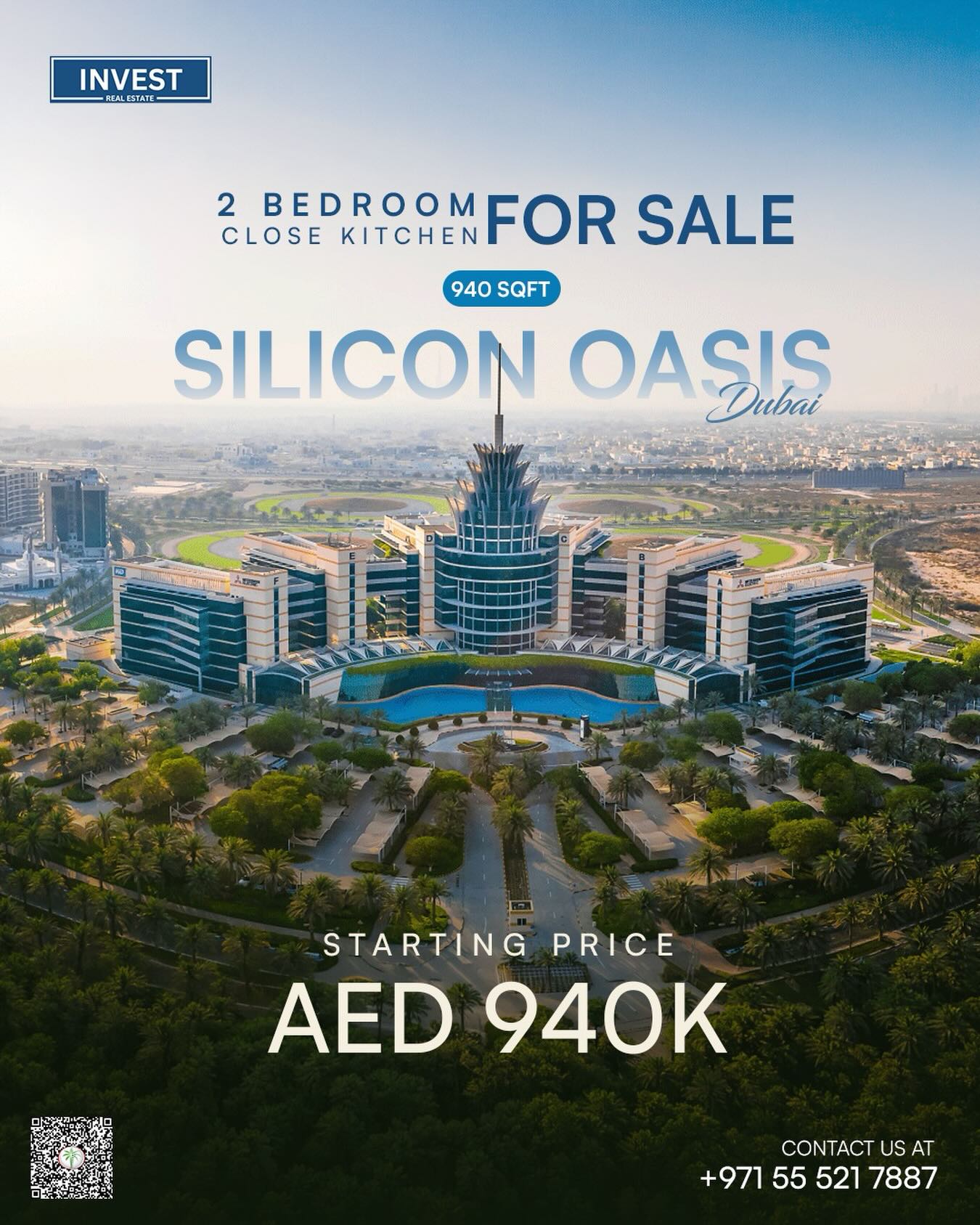 Own a Premium Address in Silicon Oasis, Dubai! 🏙️✨ Discover this… (opens in a new tab)
  Ting - Dubai
 Own a Premium Address in Silicon Oasis, Dubai! 🏙️✨ Discover this…
 They say racing is 90% preparation, but sometimes the remaining 10%… (opens in a new tab) Ting - Dubai
 They say racing is 90% preparation, but sometimes the remaining 10%…
 hello (opens in a new tab)
  yaam
yaam hello
 On teste l’un des meilleurs burger du champions burger à Paris : le… (opens in a new tab) yaam
 On teste l’un des meilleurs burger du champions burger à Paris : le…
 Dear Grandma — (opens in a new tab) yaam
 Dear Grandma —
 SDASCF (opens in a new tab)