

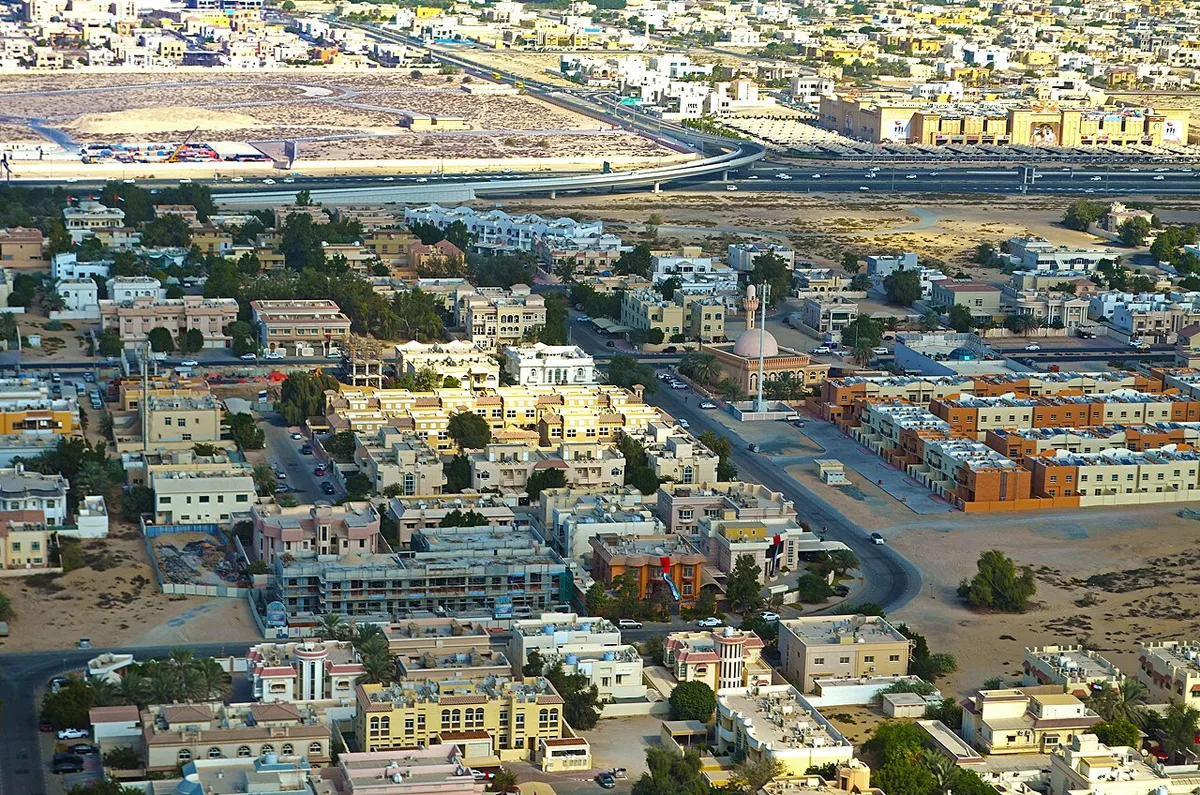
The vibe
Mirdif has the feel of a Dubai that settled in comfortably rather than kept building upward. The residential sub-communities — Uptown Mirdif, Shorooq, Ghoroob, and the newer Mirdif Hills — each have their own character, but all share that unhurried, neighbourhood quality. Families dominate: kids cycling, parents walking dogs, the smell of a Friday barbeque drifting over garden walls. It's cosmopolitan in the way Dubai always has been, with a wide mix of Arab, South Asian, and Western expat households who've often been here for years and have no plans to leave.
The trade-off for that calm is that Mirdif won't excite anyone looking for rooftop bars or beach-club energy. It's genuinely suburban, and unapologetic about it. For the right person, that's precisely the point.
Property and rents
With an average price of around AED 2.59 million and a price-per-sqft of approximately AED 451, Mirdif sits firmly in the medium-value bracket — competitive for the space and quality you get. Entry-level options start below AED 500,000 (apartments in Mirdif Hills and Ghoroob), and the top end reaches AED 22.5 million for large standalone villas with private pools. That breadth means first-timers and upsizers can both find a home here without getting priced out.
Rental yields have been steady, and a strong owner-occupier base keeps the community stable rather than purely transactional. Annual rents average AED 113,588 — reasonable for three-to-four bedroom villas that would cost double in Jumeirah or Arabian Ranches. The 48 active listings on our platform represent a tighter-than-usual supply, which reflects how rarely people leave once they're settled.
Getting around
Rashidiya Metro Station is the closest station, roughly a 10-minute drive from most parts of Mirdif. The metro puts you on the Red Line, connecting directly to DIFC, Downtown, and Dubai Marina, but the last-mile gap means most residents drive. Roads are genuinely good here — the Airport Road and Al Khail Road connections make commutes to Business Bay or the Free Zones manageable, typically 25–35 minutes in off-peak traffic.
The elephant in the room is Dubai International Airport, just minutes away. Flight paths do cross the area, and noise is real — a low-level hum rather than a constant roar, but worth noting if you're a light sleeper or work from home with calls all day. Property prices reflect this; you get more space for your money partly because of the airport proximity.
Schools and daily life
Education is a genuine strong point. Mirdif has schools offering British, American, and IB curricula within or near the community — Uptown School and GEMS Royal Dubai School are popular choices — reducing the school-run stress that plagues families in outer Dubai. Nurseries are plentiful, and the community layout makes walking to the nearby park a morning routine rather than a special occasion.
For daily shopping, City Centre Mirdif is a full-service mall with a Carrefour hypermarket, VOX Cinemas, and over 430 retail outlets. Uptown Mirdif adds more casual dining and outdoor seating. Healthcare is covered by clinics and pharmacies within the community, with Rashid Hospital and the major hospital belt reachable in 15 minutes.
Who Mirdif suits
Families — particularly those with school-age children — are the natural fit. You get space, good schools, green parks, and a calm setting without the premium of Emirates Hills or Jumeirah. Long-term expats who've graduated from apartment living in New Dubai often end up here and rarely regret it.
Investors should note that rental demand from families is consistent and tenancy lengths are longer than average, keeping void periods low. It's not a flipping market, but as a hold-and-yield play in the medium-price category, Mirdif is quietly dependable. First-time buyers priced out of Arabian Ranches or Damac Hills will find the value proposition here compelling.
I've spent years writing about where people actually live in Dubai — Mirdif keeps coming up for good reason.
FAQ
Is Mirdif a good area to buy property in Dubai?
Yes, particularly for families and long-term investors. At an average of AED 2.59M with a price-per-sqft around AED 451, it offers solid value in a stable, owner-occupier-led community with good schools and consistent rental demand.
How does the airport noise affect living in Mirdif?
Dubai International Airport is close and flight paths do cross some parts of Mirdif. The noise is real — more of a background hum than constant roar — and most residents adjust within weeks. It's one reason prices are keener than comparable communities.
What is the average rent in Mirdif?
Annual rents average around AED 113,588, though this varies considerably by property type — apartments run lower and large villas higher. It represents good value for the space and community quality on offer.
Is Mirdif family-friendly?
Very much so. Multiple schools covering British, American, and IB curricula, community parks, low-traffic streets, and a calm suburban atmosphere make it one of Dubai's most consistently recommended family areas.
How far is Mirdif from Downtown Dubai?
Roughly 20–30 minutes by car depending on traffic, or accessible via the Red Line metro from Rashidiya Station (about a 10-minute drive from most of Mirdif). A car is effectively essential for daily life here.
What property types are available in Mirdif?
Mostly villas and townhouses across Shorooq, Uptown Mirdif, and Ghoroob, plus apartments in the newer Mirdif Hills development. Entry prices start below AED 500K for apartments up to AED 22.5M for large villas.
Post review of ting
 change background colour (opens in a new tab)


change background colour
 change background colour (opens in a new tab)
 change background colour
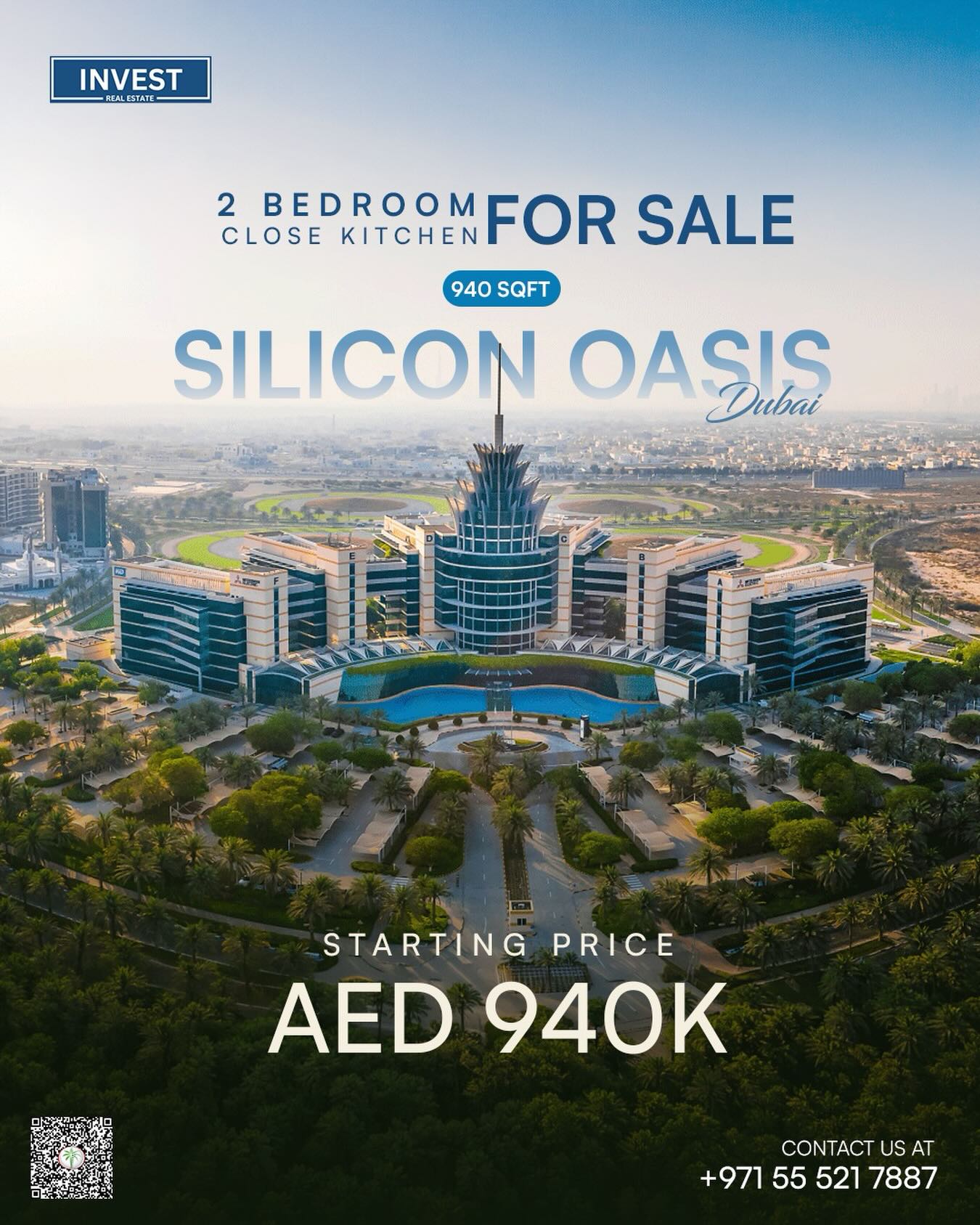 Own a Premium Address in Silicon Oasis, Dubai! 🏙️✨ Discover this… (opens in a new tab)
  Ting - Dubai
 Own a Premium Address in Silicon Oasis, Dubai! 🏙️✨ Discover this…
 They say racing is 90% preparation, but sometimes the remaining 10%… (opens in a new tab) Ting - Dubai
 They say racing is 90% preparation, but sometimes the remaining 10%…
 hello (opens in a new tab)
  yaam
yaam hello
 On teste l’un des meilleurs burger du champions burger à Paris : le… (opens in a new tab) yaam
 On teste l’un des meilleurs burger du champions burger à Paris : le…
 Dear Grandma — (opens in a new tab) yaam
 Dear Grandma —
 SDASCF (opens in a new tab)