

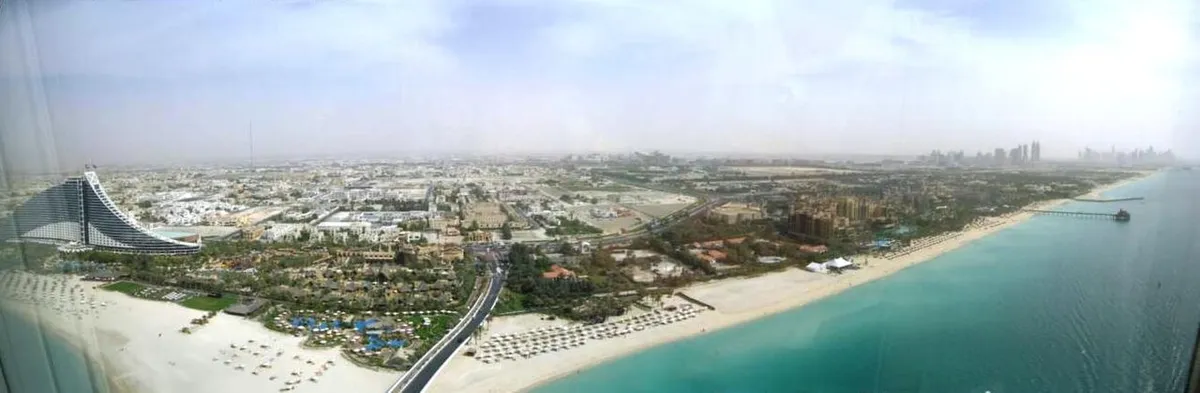
The vibe
Jumeirah has a grounded elegance that Dubai's newer master-planned communities often lack. This is not a vertical, tower-dominated district — it is predominantly horizontal: villas set behind mature gardens, tree-canopied streets, private beach clubs, and a human-scale streetscape that feels genuinely neighbourly. The area is divided into five distinct sub-communities: Jumeirah 1, Jumeirah 2, Jumeirah 3, City Walk, and the exclusive Jumeirah Bay Islands.
Jumeirah 1 is the most central and connected, with the boutique La Mer beach destination and City Walk's open-air dining and retail strip providing a social core. Jumeirah 2 and 3 are quieter and more residential, popular with established families who want beach access without the bustle. Jumeirah Bay Islands — sometimes called Billionaire's Island — is the ultra-luxury outlier, home to waterfront mansions and the Bulgari Resort Dubai.
Property and rents
Jumeirah sits firmly in the high price category. At an average of roughly AED 16.5 million and AED 182 per square foot, you are paying for location, prestige, and the scarcity of beachside villa plots in an established part of Dubai. The range is extraordinarily wide: AED 1.925 million buys a modest apartment in one of the newer mid-rise pockets; AED 250 million represents the upper boundary of what Dubai's prime residential market can produce.
Annual rents averaging around AED 510,000 reflect primarily the villa market. Smaller apartments and lower-end units within the district rent for considerably less, but Jumeirah's reputation is fundamentally built on its villa stock. Rental yields here are typically in the 3–4% range — compressed relative to emerging areas, but considered acceptable given the capital preservation and lifestyle premium the address commands. From early 2025, rental rates have been climbing steadily, crossing AED 100 per square foot by mid-year, signalling sustained demand and tightening supply.
Getting around
Jumeirah does not have a direct metro line running through its residential core, which is worth noting for anyone reliant on public transport. The nearest Red Line stations are at Business Bay and Al Jafiliya, each around a 10–15-minute drive depending on which part of Jumeirah you are in. The flip side is that the road network is good: Sheikh Zayed Road is accessible via Al Wasl Road, and Downtown Dubai, Business Bay, and DIFC are all within a 15–20-minute drive. Dubai International Airport is around 20–25 minutes away. Most Jumeirah residents drive, and the low-rise nature of the community means parking is generally not the urban headache it can be elsewhere.
Lifestyle and amenities
The lifestyle infrastructure in Jumeirah is outstanding and genuinely walkable in the villa sub-communities. La Mer is a coastal mixed-use destination offering beach clubs, water parks, restaurants, and a boutique hotel strip; it has transformed the Jumeirah 1 seafront into one of Dubai's best daytime destinations. City Walk brings designer retail, international restaurant chains, and a cinema to the edge of the district. Kite Beach in Jumeirah 3 is beloved by watersports enthusiasts and families. The strip of independent cafes and boutiques along Jumeirah Beach Road provides a more local, neighbourhood-scale option that is rare in Dubai.
Schools are well served: Jumeirah College, the Jumeirah English Speaking School, and several other internationally accredited schools are within the area or a short drive away, making this one of Dubai's top family destinations. Healthcare access is similarly strong, with several private hospitals and specialist clinics in easy reach.
Who it suits
Jumeirah is the natural choice for established families who want direct or near-direct beach access, a garden, a top-tier school catchment, and a prestigious Dubai address. It attracts senior executives, business owners, diplomats, and long-term Dubai residents who have moved up from other communities. The Jumeirah Bay Islands end of the market caters to ultra-HNWI buyers for whom only the very finest waterfront product will do.
It is less suited to first-time Dubai buyers on a modest budget, young singles without a car, or investors optimising purely for yield — the entry price is high and yields are compressed. But for capital preservation and lifestyle quality in a genuinely established neighbourhood, Jumeirah has few rivals in Dubai.
Honest pros and cons
Pros: Beachfront access and beach clubs; established, leafy streetscape; outstanding school options; La Mer, City Walk, and Kite Beach within the district; 15–20 minutes to central business districts; capital preservation track record; tightening rental market from 2025 supporting yields.
Cons: No metro through the residential core; very high entry prices; yield compression at the top end; traffic on Jumeirah Beach Road can be heavy at peak hours; some older villa stock requires significant renovation budgets.
I have written about Dubai's residential market for nearly a decade — Jumeirah is the area I keep coming back to, because the story here is always more nuanced than the postcard.
FAQ
What is the average property price in Jumeirah, Dubai?
Average property prices in Jumeirah sit at approximately AED 16.5 million, at around AED 182 per square foot. The market ranges from AED 1.925 million for smaller apartments to AED 250 million for ultra-prime waterfront estates.
What are average rents in Jumeirah?
Annual rents average around AED 510,000, primarily reflecting the villa market. Apartments and smaller units rent for less. Rental rates have been climbing from early 2025, with strong demand across the district.
Is Jumeirah a good investment in Dubai?
For capital preservation and long-term appreciation, yes. Rental yields are typically 3–4% — modest compared to emerging areas — but scarcity of beachside villa plots, a tightening rental market, and consistent demand from high-net-worth residents support valuations over time.
Does Jumeirah have a metro station?
Not directly through the residential core. The nearest Red Line stations are at Business Bay and Al Jafiliya, around 10–15 minutes by car. Most Jumeirah residents rely on private vehicles.
What are the best parts of Jumeirah to live in?
Jumeirah 1 offers the most connectivity and the La Mer and City Walk destinations. Jumeirah 2 and 3 are more residential and quieter, preferred by families. Jumeirah Bay Islands is ultra-premium waterfront living.
What schools are in Jumeirah?
The area is among Dubai's best for schooling — Jumeirah English Speaking School (JESS) and Jumeirah College are both highly regarded. Several other international curriculum schools are within easy driving distance.
Is Jumeirah suitable for families?
Yes, it is one of Dubai's top family neighbourhoods. Beach access, strong schools, low-rise villa communities, and good healthcare provision make it especially popular with families who have been in Dubai for several years and are ready to commit to a premium address.
Post review of ting
 change background colour (opens in a new tab)


change background colour
 change background colour (opens in a new tab)
 change background colour
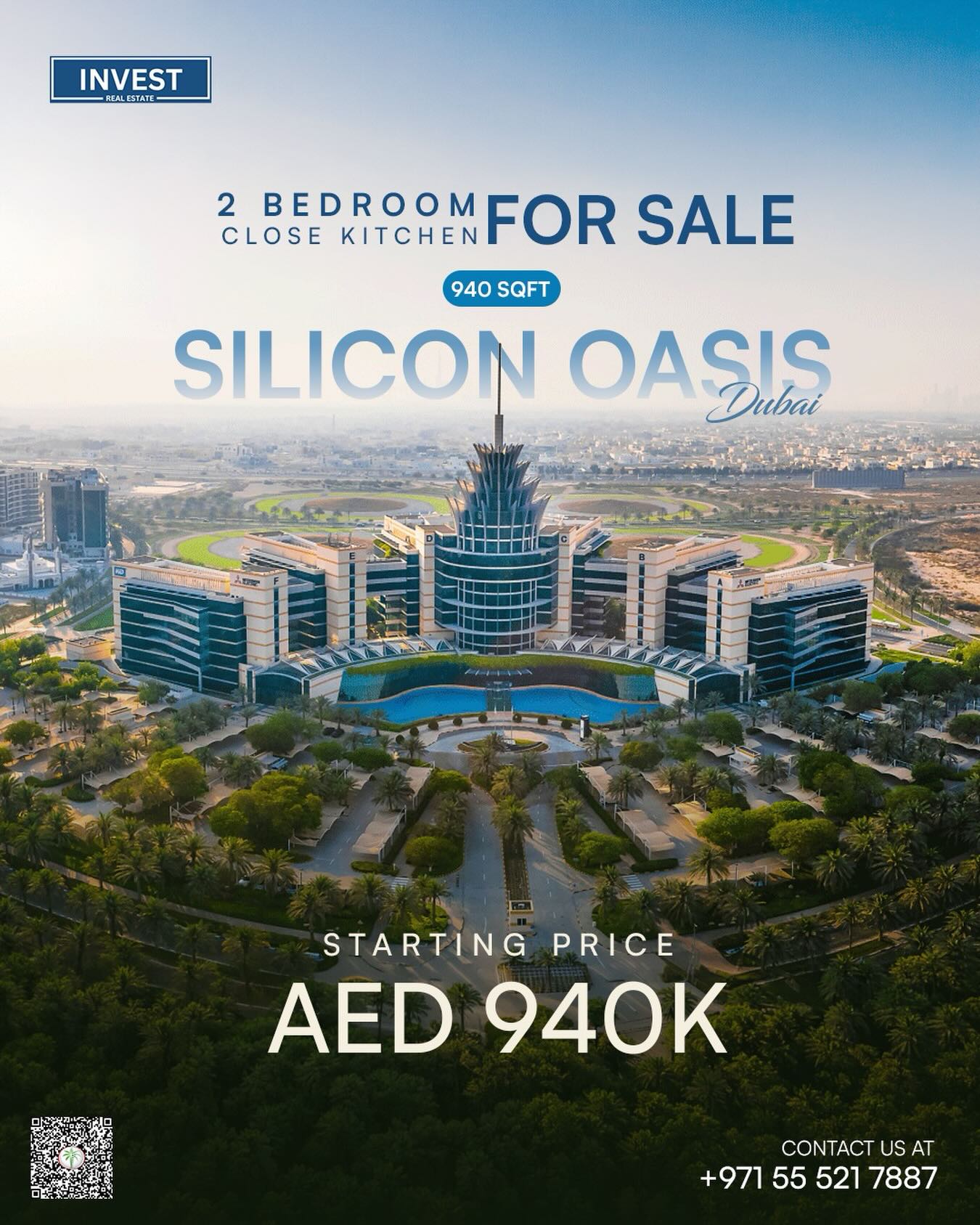 Own a Premium Address in Silicon Oasis, Dubai! 🏙️✨ Discover this… (opens in a new tab)
  Ting - Dubai
 Own a Premium Address in Silicon Oasis, Dubai! 🏙️✨ Discover this…
 They say racing is 90% preparation, but sometimes the remaining 10%… (opens in a new tab) Ting - Dubai
 They say racing is 90% preparation, but sometimes the remaining 10%…
 hello (opens in a new tab)
  yaam
yaam hello
 On teste l’un des meilleurs burger du champions burger à Paris : le… (opens in a new tab) yaam
 On teste l’un des meilleurs burger du champions burger à Paris : le…
 Dear Grandma — (opens in a new tab) yaam
 Dear Grandma —
 SDASCF (opens in a new tab)