

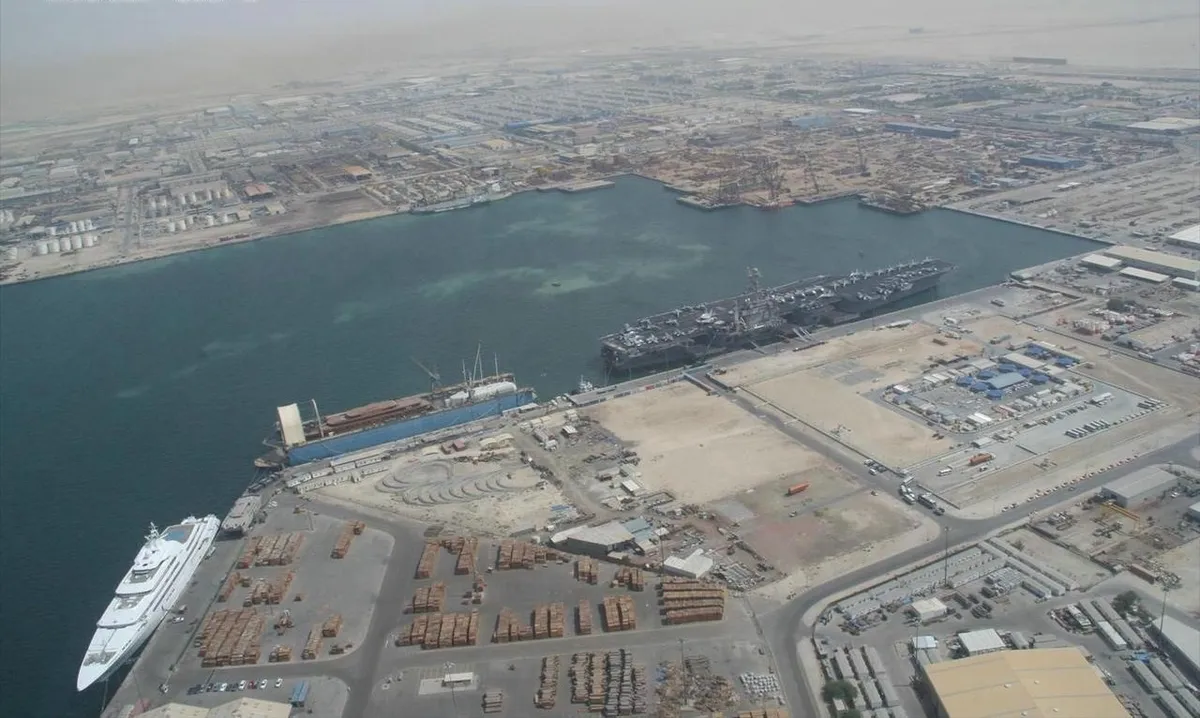
The vibe
Jebel Ali has a distinct split personality. On one side is the JAFZA Free Zone and the port — one of the world's busiest container hubs, a hive of industrial and logistics activity. On the other is the residential side: low-density villa communities, wide tree-lined streets, and the JA Recreational Club, which gives the area a genuine community anchor with pools, sports facilities, and regular social events.
The atmosphere is relaxed in a way that newer, denser communities are not. Population density is low, which means less traffic, more parking, and a slower pace of daily life. Families with children and professionals working in the free zone or nearby Expo City form the core of the residential population.
Property and rents
Jebel Ali sits in the medium price category with an average property price of approximately AED 3.1 million. The range is genuinely wide — from AED 440,000 for a compact apartment up to AED 54 million for premium villas — so there is something for almost every budget within this single district. Annual rents average around AED 56,000, which is competitive for the space and quality on offer compared to more central Dubai communities.
The flagship new development, Jebel Ali Village by Nakheel, is a gated off-plan community offering three and four-bedroom townhouses alongside four and five-bedroom villas, positioned firmly at the upper end of the local market. It targets end-users and long-term investors seeking quality suburban living in the south of the city, and demand has been strong heading into 2025.
Getting around
Connectivity is one of Jebel Ali's genuine strengths. The area benefits from two Dubai Metro Red Line stations — Ibn Battuta and Energy, with Jebel Ali Station also nearby — plus direct access to Sheikh Zayed Road. Several RTA bus routes serve the residential communities, including connections to Dubai Marina and Bur Dubai. Reaching the Marina takes around 20 minutes by car or metro; Downtown Dubai is 30–35 minutes. For residents working in JAFZA or Expo City, the commute is almost non-existent.
Amenities and daily life
Day-to-day essentials are well covered. Ibn Battuta Mall — one of Dubai's most distinctive shopping centres, themed around the travels of the explorer — is the area's primary retail anchor and houses a cinema, restaurants, and a large Carrefour. Jebel Ali itself has supermarkets, clinics, and smaller retail strips within the community. The JA Recreational Club runs weekly events, family days, and seasonal activities that give the area a community feel unusual for a district of this size.
School provision is improving but still thinner than in central Dubai communities. Several international schools are within driving distance, and the ongoing development of the area is likely to attract more educational facilities as the residential population grows.
Who it suits
Jebel Ali is best suited to families who want space, greenery, and a proper suburban feel without the premium price tag of Emirates Hills or Arabian Ranches. It also makes obvious sense for professionals working in JAFZA, Expo City, or Al Maktoum Airport — Dubai's growing aviation hub — who want to minimise commute time. Investors looking at the new Jebel Ali Village development are betting on long-term southward expansion of Dubai's residential footprint, which has strong structural support from infrastructure investment in the corridor.
It is less suited to young singles who want to walk to brunch or a gym, or professionals who need quick metro access to Business Bay or DIFC.
Honest pros and cons
Pros: Low population density and quiet neighbourhoods; genuine metro connectivity; proximity to JAFZA, Expo City, and Al Maktoum Airport; competitive pricing relative to space; JA Recreational Club as a strong community anchor; Jebel Ali Village adding quality new inventory.
Cons: Distance from central Dubai dining and entertainment; school options require a drive; some parts of the district feel industrial rather than residential; the new developments are off-plan, meaning buyers take on completion risk.
I focus on the parts of Dubai where people actually build their lives — and where the value tends to be hiding.
FAQ
Is Jebel Ali a good area to buy property in Dubai?
Yes, particularly for families and investors targeting the southern Dubai corridor. Average prices of around AED 3.1 million offer good value relative to space and quality, and proximity to JAFZA, Expo City, and Al Maktoum Airport underpins long-term demand.
What is the average rent in Jebel Ali?
Annual rents average approximately AED 56,000, making it competitive for the Dubai market. You get more space for your money here than in comparable communities closer to the city centre.
Does Jebel Ali have a metro station?
Yes. The area is served by Red Line metro stations at Ibn Battuta, Energy, and Jebel Ali, giving residents genuine public transport access to the rest of Dubai.
What is the nearest mall to Jebel Ali?
Ibn Battuta Mall is the primary retail hub — a large, well-equipped centre themed after the travels of the 14th-century explorer, with a cinema, restaurants, and supermarket.
Is Jebel Ali family-friendly?
Very much so. Low traffic, spacious homes, parks, and the JA Recreational Club make it one of the more genuinely family-oriented districts in Dubai. School options require a short drive but are available in nearby communities.
What is Jebel Ali Village?
A new gated off-plan community by Nakheel, offering three to five-bedroom townhouses and villas. It is positioned as an upscale suburban community and has attracted strong buyer interest from families and long-term investors.
Post review of ting
 change background colour (opens in a new tab)


change background colour
 change background colour (opens in a new tab)
 change background colour
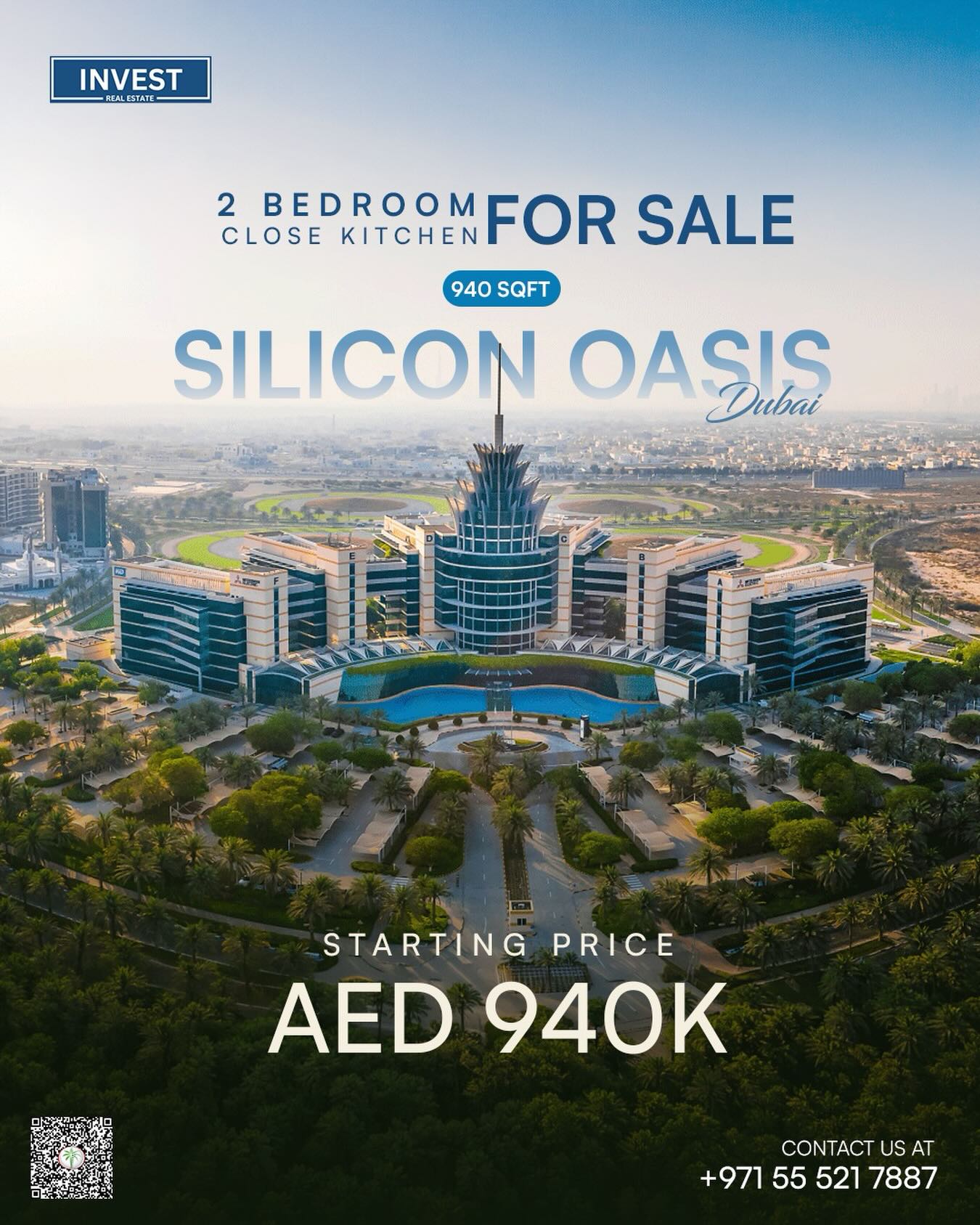 Own a Premium Address in Silicon Oasis, Dubai! 🏙️✨ Discover this… (opens in a new tab)
  Ting - Dubai
 Own a Premium Address in Silicon Oasis, Dubai! 🏙️✨ Discover this…
 They say racing is 90% preparation, but sometimes the remaining 10%… (opens in a new tab) Ting - Dubai
 They say racing is 90% preparation, but sometimes the remaining 10%…
 hello (opens in a new tab)
  yaam
yaam hello
 On teste l’un des meilleurs burger du champions burger à Paris : le… (opens in a new tab) yaam
 On teste l’un des meilleurs burger du champions burger à Paris : le…
 Dear Grandma — (opens in a new tab) yaam
 Dear Grandma —
 SDASCF (opens in a new tab)