

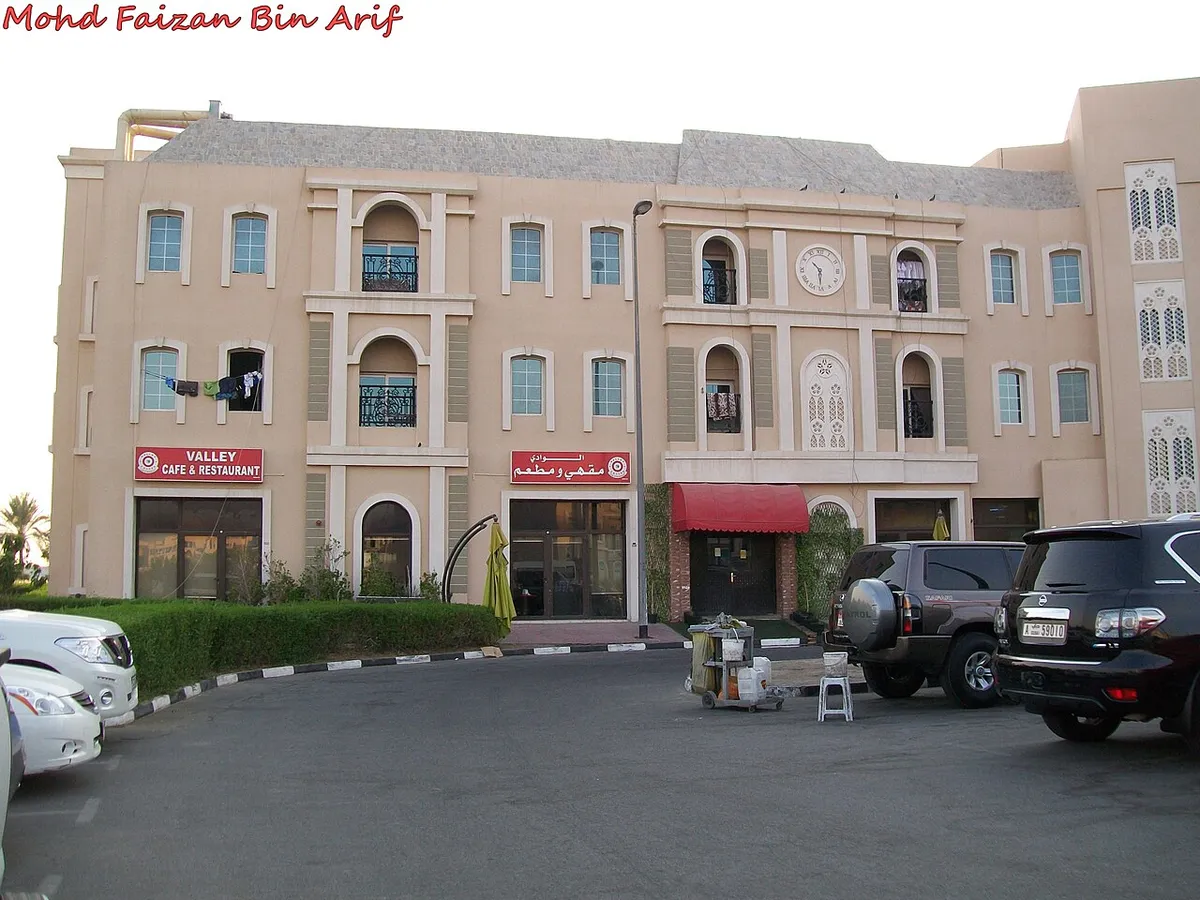
The vibe
International City is loud, busy, and authentically multicultural in a way that few Dubai communities manage. Walk through the China Cluster and you will find Mandarin-language signs, Chinese supermarkets, and the sprawling Dragon Mart complex — the world's largest Chinese retail and trading hub — on your doorstep. The Persian and other clusters have their own distinct character. It feels less like a planned suburb and more like a genuinely mixed urban neighbourhood, with a density and street life that is unusual for Dubai.
Al Warsan Lake sits within reach, offering a green escape for evening walks. The area is especially popular with young professionals, entry-level expats, small families on tighter budgets, and residents of South Asian and East Asian backgrounds who form the majority of the population.
Property and rents
This is one of Dubai's most affordable property markets. Average prices sit at approximately AED 1.36 million, with the range spanning from AED 265,000 (studios and small one-beds) all the way up to AED 55 million for outlier commercial assets. That wide spread means you can enter the market here at a genuinely low price point relative to the rest of the city.
Average annual rents of around AED 47,000 are among the lowest for any Dubai residential community, making this an obvious choice for budget-conscious renters. Studios typically rent in the AED 25,000–35,000 range; one-bedroom apartments from around AED 40,000–55,000 annually. For investors, the low buy-in price and consistent rental demand from the area's large tenant population translate into rental yields that frequently outperform pricier Dubai districts.
Getting around
International City lacks a direct metro connection, which is its single biggest practical drawback. Residents rely on taxis, ride-hailing apps, or buses to reach the metro network. The nearest major road links take you towards Sheikh Mohammed Bin Zayed Road and the Al Khail Road corridor. Dragon Mart and the Global Village are close, and reaching Downtown Dubai by car takes around 20–25 minutes depending on traffic. Deira and the airport are also reasonably accessible, making this a workable location for people commuting to the older parts of the city.
Amenities and daily life
Dragon Mart is the anchor retail destination — if you need furniture, electronics, housewares, or clothing at budget prices, you will not need to go anywhere else. Beyond Dragon Mart, the clusters have their own supermarkets, small cafes, pharmacies, and convenience shops. The food scene is genuinely diverse: Chinese, South Asian, Middle Eastern, and Filipino restaurants are all within walking distance in different clusters.
Families with school-age children should be aware that schools within International City itself are limited; the better-regarded options require a short drive to neighbouring areas like Al Warsan or Mirdif. Healthcare is similarly served by a mix of clinics within the community, with larger hospitals accessible by car.
Who it suits
International City is the right choice for budget-conscious buyers and renters who want genuine value, a multicultural environment, and reasonable Dubai connectivity without the price tag of JVC, Sports City, or Silicon Oasis. It is particularly well suited to first-time Dubai buyers looking for an investment property with strong rental demand, young professionals happy to commute by car or taxi, and residents from South and East Asian backgrounds who will feel immediately at home in the cultural mix.
It is less suited to families who prioritise premium schools, professionals who need fast metro access, or anyone expecting manicured landscaping and resort-style facilities.
Honest pros and cons
Pros: Among Dubai's lowest property entry points; strong rental yields; genuinely diverse community with good budget dining; Dragon Mart on the doorstep; consistent rental demand supports investor returns.
Cons: No metro station; ageing infrastructure in some clusters; the aesthetic can feel dated; traffic congestion on internal roads; limited premium amenities and schools within the community itself.
I write about the Dubai neighbourhoods that actual people live in — not just the ones developers use for hero shots.
FAQ
Is International City a good place to buy property in Dubai?
For budget investors focused on rental yield, yes. Low entry prices from AED 265,000 and consistent demand from renters produce returns that often outperform pricier districts. Capital appreciation is slower than premium areas.
What is the average rent in International City?
Average annual rent sits at approximately AED 47,000. Studios can be found from around AED 25,000–35,000 per year; one-bedroom apartments typically range from AED 40,000–55,000 annually.
Is there a metro station in International City?
No. International City does not have a direct metro connection. Residents use buses, taxis, or ride-hailing services to reach the metro network. This is the area's main connectivity drawback.
Is it safe to live in International City?
Yes, the area is generally safe — Dubai's overall crime rate is very low. Like any dense, busy community, standard urban awareness applies, but safety is not a concern that should deter buyers or renters.
What is Dragon Mart and why does it matter?
Dragon Mart is a vast Chinese trading and retail hub adjacent to International City — one of the largest of its kind in the world. For residents, it means outstanding access to affordable furniture, electronics, homewares, and more without leaving the neighbourhood.
What types of properties are available?
Predominantly studios, one-bedroom, and two-bedroom apartments in mid-rise buildings across the country-themed clusters. The residential stock is primarily apartment-based; villas are not part of the offering here.
Post review of ting
 change background colour (opens in a new tab)


.jpg)
change background colour
 change background colour (opens in a new tab)
 change background colour
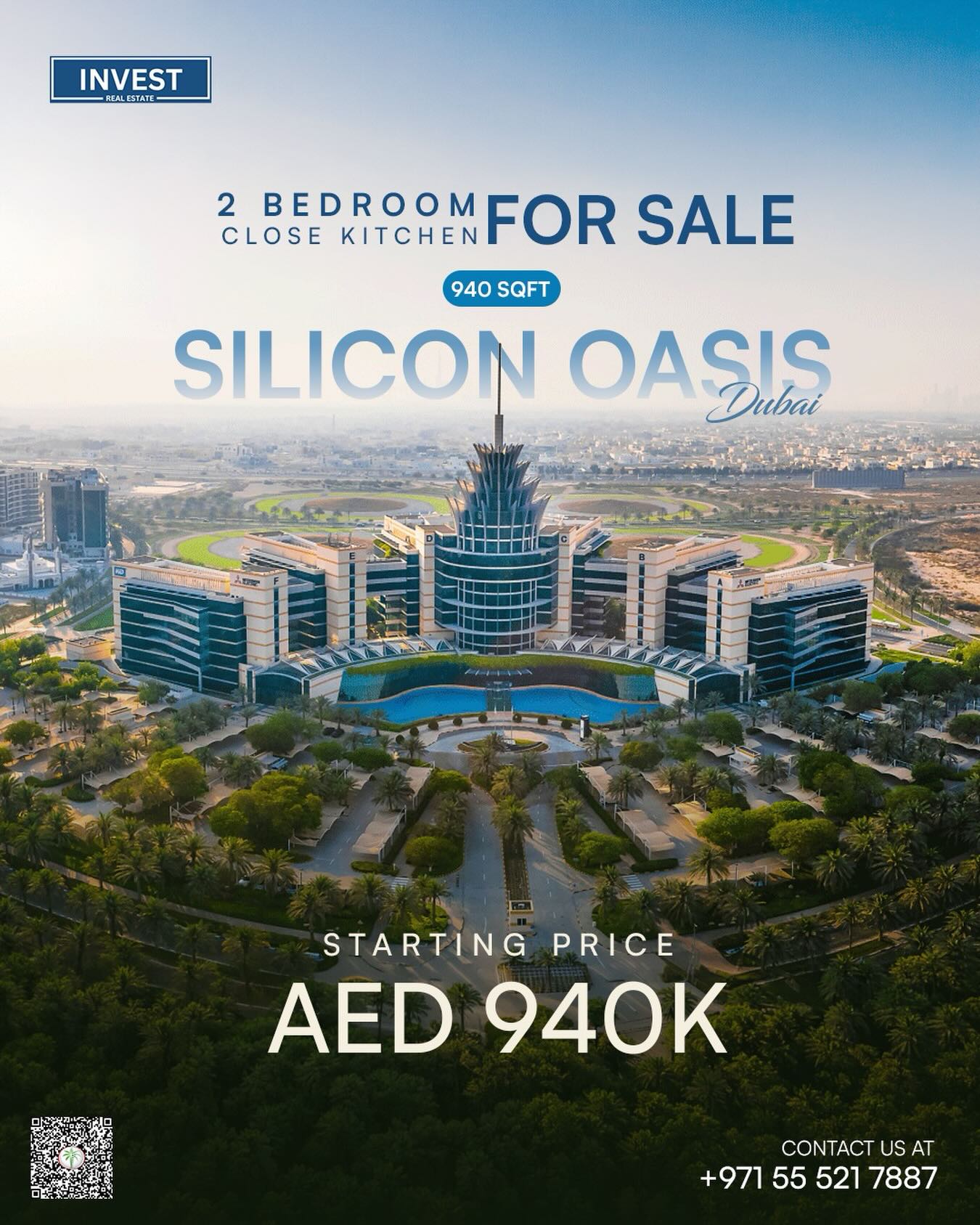 Own a Premium Address in Silicon Oasis, Dubai! 🏙️✨ Discover this… (opens in a new tab)
  Ting - Dubai
 Own a Premium Address in Silicon Oasis, Dubai! 🏙️✨ Discover this…
 They say racing is 90% preparation, but sometimes the remaining 10%… (opens in a new tab) Ting - Dubai
 They say racing is 90% preparation, but sometimes the remaining 10%…
 hello (opens in a new tab)
  yaam
yaam hello
 On teste l’un des meilleurs burger du champions burger à Paris : le… (opens in a new tab) yaam
 On teste l’un des meilleurs burger du champions burger à Paris : le…
 Dear Grandma — (opens in a new tab) yaam
 Dear Grandma —
 SDASCF (opens in a new tab)