

The vibe
Falaj Al Mualla is genuinely rural by UAE standards. The area is famous for its wadi oasis — roughly 5,000 date palms growing on fertile land, guarded by a historic fort and three watchtowers. It's the kind of place where residents greet each other, farming heritage is still alive, and the pace of life is slow by design, not by accident. The community is mixed — Emirati locals alongside long-settled expat families — with both Arabic and English in everyday use.
Don't come expecting restaurants, malls, or a social scene. The honest reality is that amenities are basic: a handful of local supermarkets, a few schools, and that's largely it. Anyone craving city life will feel the absence keenly. But for those seeking genuine quiet, space, and a non-transactional neighbourhood feel, Falaj Al Mualla is unusually authentic.
Property and rents
With an average price of around AED 252,500 and a range of AED 155,000 to AED 350,000, Falaj Al Mualla is among the most affordable residential property markets in the UAE. The housing stock is predominantly villas and residential plots — some quite spacious — rather than apartment towers. Listing numbers are low (just four active at time of writing), which reflects both genuine scarcity and the fact that properties here rarely change hands frequently. Rent data is not currently tracked in the verified figures, which itself tells you something about how thinly this market trades.
This is not an investment market in the conventional sense — don't expect capital appreciation to drive returns. The draw is affordability and space for owner-occupiers, particularly Emirati families and long-term residents who value land and a quiet setting.
Getting around
There is no public transport in Falaj Al Mualla — residents rely entirely on private cars or taxis. Umm Al Quwain city centre is the nearest urban hub, and routes to Sharjah and Dubai require getting onto Sheikh Khalifa bin Zayed Street and then the E611. Dubai is roughly 60–70 km away, making a daily commute to the city demanding. This is a place you come to if you want to be away from the city, not a suburb of it.
Schools and amenities
Local schools include Alebda High School, Al Shaimaa Primary School, and Al Sabah Indian Private School — options that cover Arabic-curriculum and Indian-curriculum learners. Supermarkets such as Farhan Food Stuff and Al Saleemath Supermarket handle day-to-day grocery needs. For healthcare, banking, or any serious retail, residents drive to Umm Al Quwain city or beyond. There are no malls, gyms, or major leisure facilities within the immediate area.
Who it suits
Falaj Al Mualla suits a narrow but clear profile: Emirati families seeking affordable land with roots in Umm Al Quwain, long-term UAE residents who genuinely want rural quiet and space over urban convenience, and budget-conscious buyers who prioritise value per square foot over location. It is not suited to professionals commuting to Dubai or Abu Dhabi daily, families requiring premium school options, or anyone expecting city-standard infrastructure.
Falaj Al Mualla is the UAE without the gloss — and for the right person, that's exactly the point.
FAQ
Where exactly is Falaj Al Mualla located?
It's a small oasis town in the emirate of Umm Al Quwain, off Sheikh Khalifa bin Zayed Street — roughly 60–70 km from central Dubai.
What kind of properties are available in Falaj Al Mualla?
Predominantly villas and residential land plots. Apartment towers are essentially absent. Listings are scarce — typically only a handful on the market at any given time.
Is there public transport in Falaj Al Mualla?
No. The area has no public bus or metro service. Residents rely on private cars or taxis for all travel.
What schools are available near Falaj Al Mualla?
Local options include Alebda High School, Al Shaimaa Primary School, and Al Sabah Indian Private School. More curriculum variety is available in Umm Al Quwain city or further afield.
Is Falaj Al Mualla a good investment?
It's primarily an owner-occupier market for those seeking affordable villas. Capital appreciation and rental yield data are limited, and it doesn't share the growth drivers of Dubai or Abu Dhabi. Best approached as a long-term residential purchase rather than an investment vehicle.
Post review of ting
 change background colour (opens in a new tab)


change background colour
 change background colour (opens in a new tab)
 change background colour
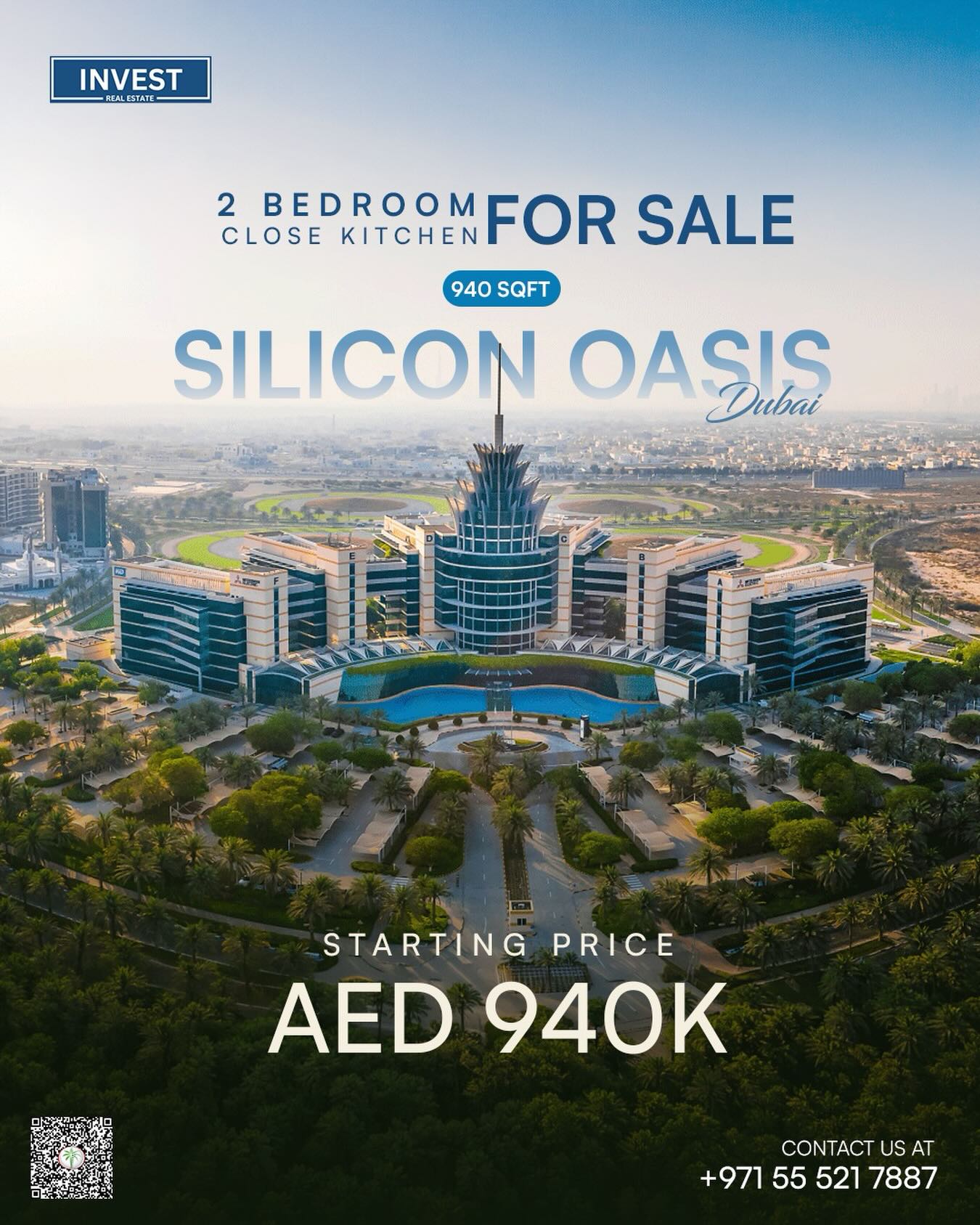 Own a Premium Address in Silicon Oasis, Dubai! 🏙️✨ Discover this… (opens in a new tab)
  Ting - Dubai
 Own a Premium Address in Silicon Oasis, Dubai! 🏙️✨ Discover this…
 They say racing is 90% preparation, but sometimes the remaining 10%… (opens in a new tab) Ting - Dubai
 They say racing is 90% preparation, but sometimes the remaining 10%…
 hello (opens in a new tab)
  yaam
yaam hello
 On teste l’un des meilleurs burger du champions burger à Paris : le… (opens in a new tab) yaam
 On teste l’un des meilleurs burger du champions burger à Paris : le…
 Dear Grandma — (opens in a new tab) yaam
 Dear Grandma —
 SDASCF (opens in a new tab)