

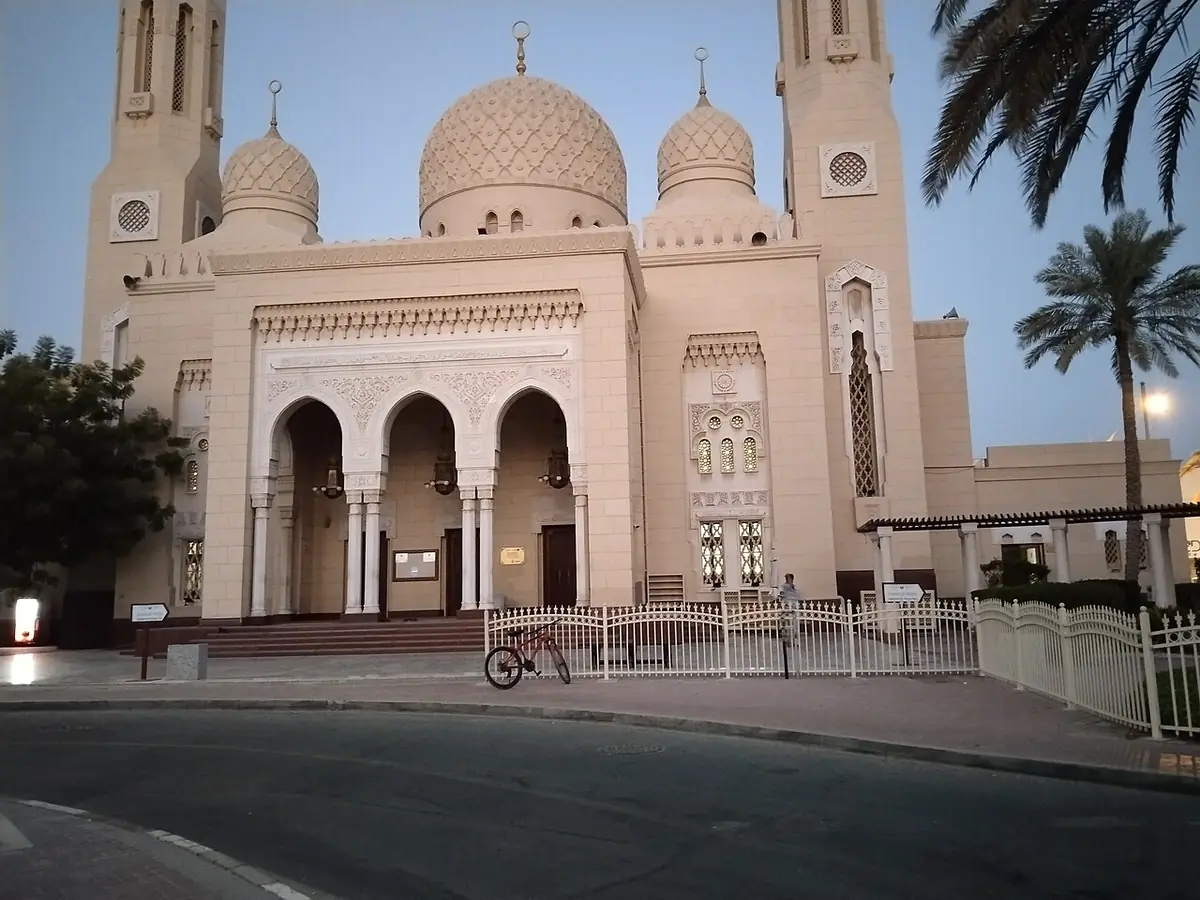
The vibe
Dubailand has a distinctly suburban, community-oriented feel. Think parks, cycle paths, sports courts, and kids playing in the street — the kind of neighbourhood where you actually know your neighbours. The lifestyle here is low-key by Dubai standards: the energy comes from community events, school runs, and weekend barbecues rather than restaurant strips and rooftop bars. If you're moving from a city where suburban comfort is the norm, Dubailand will feel immediately legible. If you're used to the pace of Downtown or the Marina, it may take some adjustment.
Sub-communities like Villanova, Mudon, Arabian Ranches 3, and Damac Hills each have their own flavour — Villanova leans Mediterranean, Mudon is greener and more mature, Damac Hills has the golf course draw. The common thread is space: bigger plots, more greenery, and quieter streets than almost anywhere in central Dubai.
Property and rents
The average price of AED 2.8 million reflects a market dominated by townhouses and mid-sized villas. Three-bedroom townhouses in communities like Villanova or Mudon generally run AED 1.8–2.8 million; four-bedroom options stretch to AED 3.8 million; standalone villas in premium sub-communities like Damac Hills can reach AED 7 million or more. The AED 425,000 floor in the data likely reflects smaller apartments or off-plan phase pricing.
Annual rents averaging AED 175,000 are competitive for the unit sizes on offer. Rental yields typically range from 6–9% across the zone, with townhouses and family apartments in Villanova and Remraam among the stronger performers. One honest caveat: Dubailand's sheer scale means supply is continuously replenished as new phases complete, which keeps a ceiling on price growth in most segments and means rental competition is real. It's an income-generating market more than a rapid-appreciation play.
Getting around
A car is non-negotiable in Dubailand. The area is accessed primarily via Sheikh Mohammed Bin Zayed Road (E311) and Emirates Road (E611), which connect well to the rest of Dubai, but internal distances are large and there is no metro service. Commutes to Downtown, DIFC, or the Marina typically run 30–50 minutes in normal traffic, and can stretch considerably during peak hours. The good news is that internal road quality is generally good and parking is rarely an issue. Some residents use the community as a base and work remotely or in nearby business parks like Dubai Silicon Oasis.
Amenities and schools
The more mature Dubailand sub-communities — Mudon, Arabian Ranches 3, Damac Hills — have solid amenities: community pools, fitness centres, parks, retail clusters, and mosques. Schools are a genuine strength of the area, with several well-regarded GEMS and international curriculum schools within or adjacent to the zone. Healthcare options are improving but still lag behind central Dubai; most residents use clinics within the community and travel to larger hospitals for specialist needs.
Retail is community-focused rather than destination-driven — think supermarkets, pharmacies, and casual dining. For a full mall experience, Mall of Arabia and Dubai Hills Mall are the nearest major options.
Who it suits
Dubailand is tailor-made for families who want space, greenery, and good schools without paying Dubai Hills or Jumeirah prices. It's also a credible entry point for investors seeking rental yields over capital appreciation, particularly in the 6–8% range. Young professionals who work remotely or in nearby tech and logistics hubs find the value-per-square-metre compelling. It is less suited to people who prioritise walkability, nightlife, or beach access — and commuters whose offices sit in the old city centre should stress-test that drive honestly before committing.
I've tracked Dubai's suburban belt for over a decade — my goal is to give buyers and renters the unvarnished picture so they can make decisions they're still happy with years later.
FAQ
What is the average property price in Dubailand?
The average price is approximately AED 2.8 million, ranging from AED 425,000 (likely off-plan studios or apartments) up to AED 15.8 million for the most premium villa configurations.
What are rental yields like in Dubailand?
Rental yields typically range from 6% to 9% annually, among the stronger in Dubai. Townhouses and family apartments in communities like Villanova and Remraam tend to perform best.
Is Dubailand good for families?
Yes — it's arguably Dubai's strongest family proposition outside of the premium-tier communities. Good international schools, large parks, safe streets, and significantly more indoor and outdoor space per dirham than central Dubai.
Which are the best sub-communities in Dubailand?
Villanova and Mudon are popular for mid-market families; Damac Hills suits golf-oriented buyers; Arabian Ranches 3 offers newer builds with strong community feel; Remraam is one of the better value apartment options.
How is the commute from Dubailand to central Dubai?
Typically 30–50 minutes to Downtown, DIFC, or Business Bay in normal traffic via E311 or E611. Peak-hour commutes can be significantly longer. A car is essential; there is no metro access.
Is Dubailand freehold?
Most sub-communities within Dubailand are freehold, meaning foreign nationals can purchase and own property outright. Check the specific sub-community title when buying.
Post review of ting
 change background colour (opens in a new tab)


change background colour
 change background colour (opens in a new tab)
 change background colour
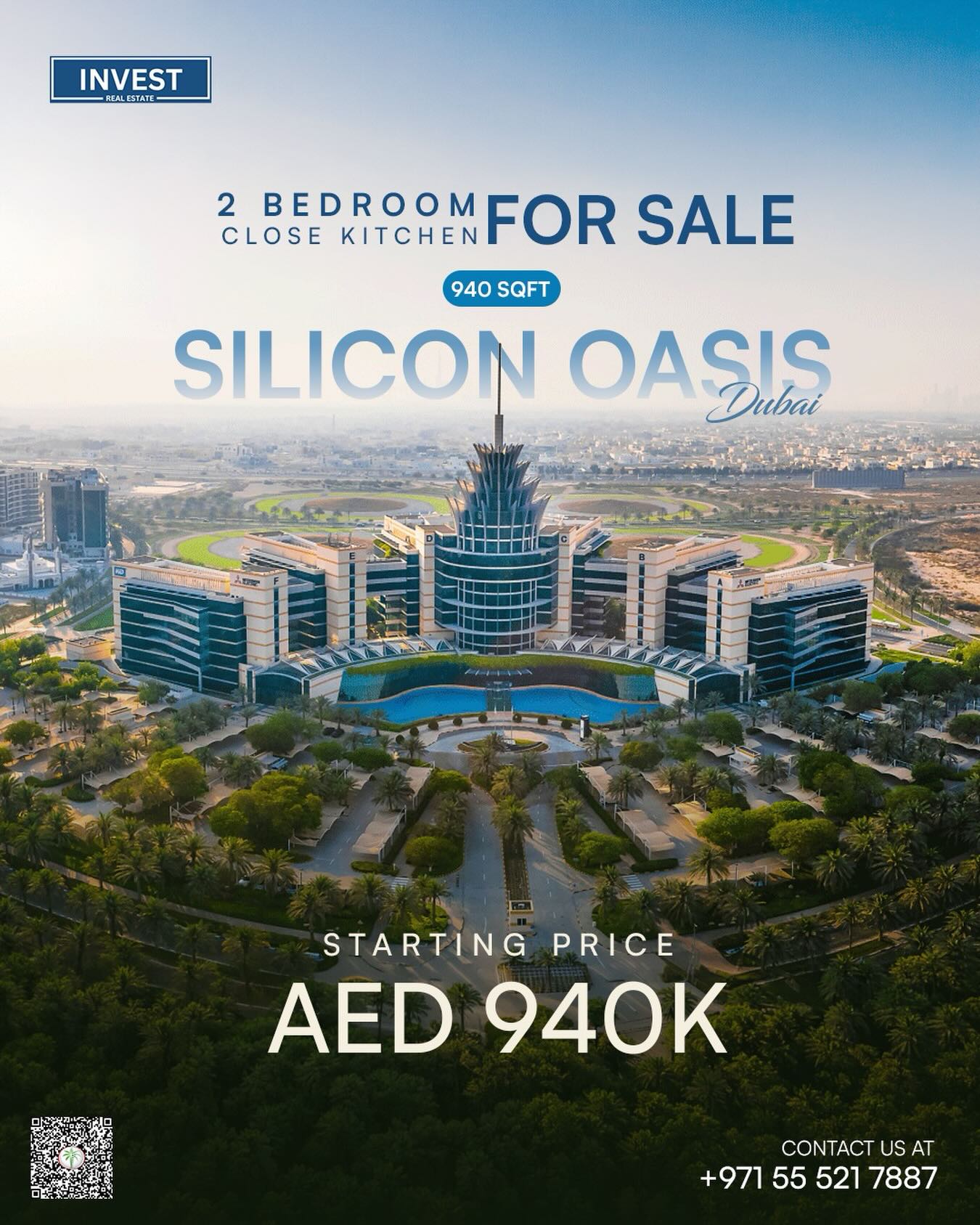 Own a Premium Address in Silicon Oasis, Dubai! 🏙️✨ Discover this… (opens in a new tab)
  Ting - Dubai
 Own a Premium Address in Silicon Oasis, Dubai! 🏙️✨ Discover this…
 They say racing is 90% preparation, but sometimes the remaining 10%… (opens in a new tab) Ting - Dubai
 They say racing is 90% preparation, but sometimes the remaining 10%…
 hello (opens in a new tab)
  yaam
yaam hello
 On teste l’un des meilleurs burger du champions burger à Paris : le… (opens in a new tab) yaam
 On teste l’un des meilleurs burger du champions burger à Paris : le…
 Dear Grandma — (opens in a new tab) yaam
 Dear Grandma —
 SDASCF (opens in a new tab)