

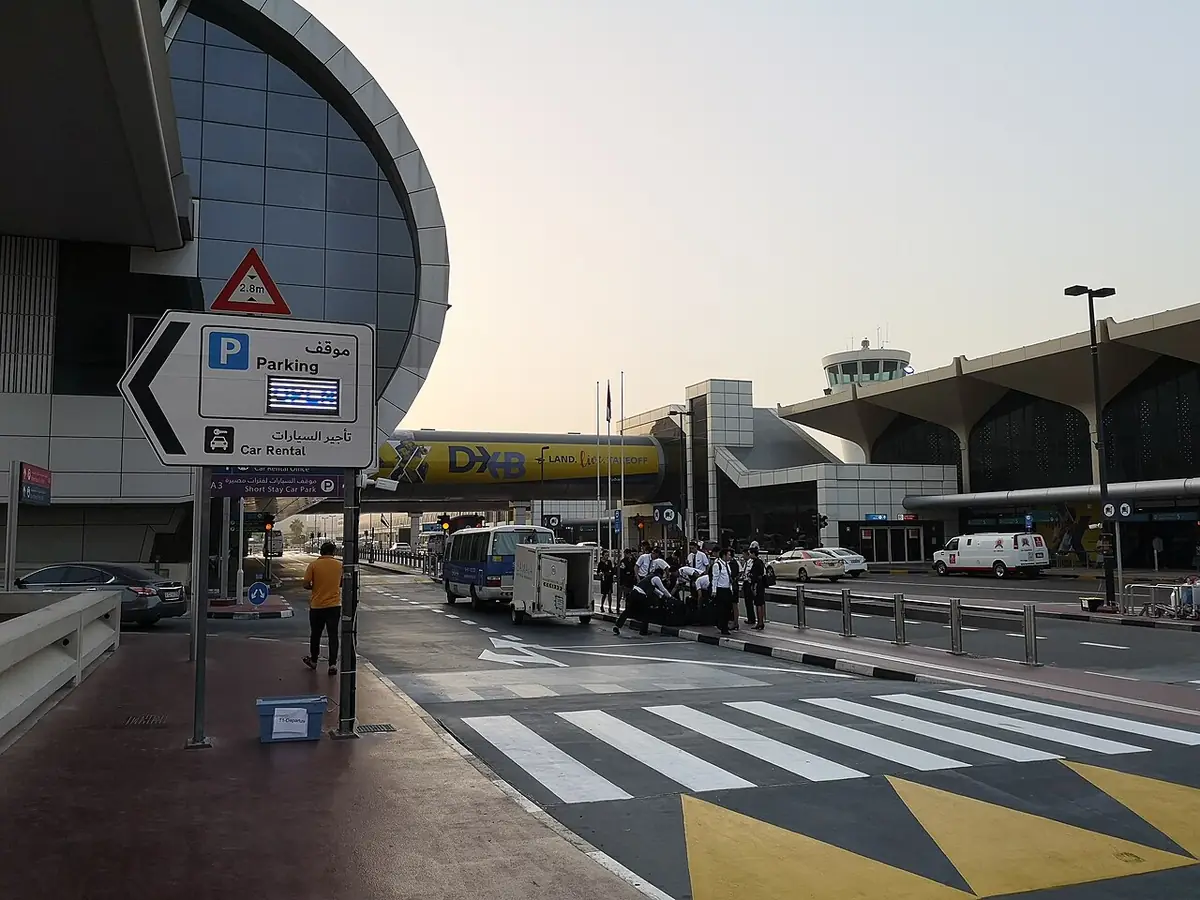
The vibe
Production City is a hybrid: a free zone for media, printing, and packaging businesses combined with a residential community built around low- and mid-rise apartment blocks. The result is a neighbourhood that functions quietly and efficiently without much of the flash of Dubai's more famous addresses. Green walkways, jogging tracks, and community parks give it a calmer feel than the denser communities nearby.
The resident profile skews towards young professionals, couples, and small families who want affordability without being in the outer suburbs. Media and creative professionals make up a notable chunk of the community, drawn by the free zone's business-friendly setup. The atmosphere is relaxed — cafes, bakeries, and community pools rather than nightlife and promenades.
Property and rents
With 267 active listings and an average price of around AED 799,000, Dubai Production City offers genuine value in Dubai's current market. The range runs from AED 315,000 for smaller studio units to AED 2.3 million at the top end. This is classified as an average price category — not rock-bottom, but meaningfully more accessible than Marina, Media City, or even most of JVC.
Annual rents average around AED 63,600, with studios available from as low as AED 26,000–40,000 per year — one of the few areas in Dubai where budget-conscious renters still have real options. One and two-bedroom units run AED 45,000–95,000 annually. A word of caution: service charges in newer towers can run AED 12–20 per sq ft, so factor that into total cost of ownership calculations when buying.
Getting around
Transport is the clearest limitation here, and it's worth being honest about it. There is no metro station in Dubai Production City — the area is served by the E311 (Emirates Road), which provides good road connectivity, but reliance on a car is essentially unavoidable. Bus services exist but are limited in frequency and route coverage.
The commute to Downtown Dubai or DIFC takes roughly 25–35 minutes by car in normal traffic. Dubai Media City and the knowledge cluster are closer — around 15–20 minutes. For anyone working in Al Quoz, Barsha, or Motor City, it's a reasonable base. For those commuting to Deira or the airport regularly, it will feel remote.
Amenities
City Centre Me'aisem is directly adjacent to Production City and is the anchor for day-to-day life: a Carrefour, international food chains, a fitness club, a cinema, pharmacies, and retail. It's not a large mall, but it covers everyday needs well. Within the community itself, pools, gyms, and landscaped parks are standard in most residential clusters.
Healthcare is the notable gap — there are no major hospitals within the community, and residents typically drive to Al Barsha or nearby Dubai Hills for anything beyond a clinic visit. Schools within the community are limited to nurseries — Kids Kingdom, Gummy Bear, Chubby Cheeks — which suits young families with pre-school children, but older children will require school transport or a drive to nearby school clusters in Barsha or Al Quoz.
Who it suits
Dubai Production City is the right choice for budget-conscious professionals who want to be in Dubai proper without paying the premium of the Marina corridor or Business Bay. It suits people who drive to work and don't rely on the metro, media and creative professionals who benefit from the free zone's business setup, and young families with nursery-age children who want space and greenery at a price that doesn't stretch. It's not the right choice for public-transport commuters, people who want an active social scene on their doorstep, or anyone who will be frustrated by limited healthcare and secondary schooling options locally.
Production City doesn't try to be glamorous — it tries to be liveable at a price that makes sense, and mostly succeeds. I respect that it's honest about what it is.
FAQ
What is the average property price in Dubai Production City?
Around AED 799,000 on average, with the range from AED 315,000 for smaller studios to AED 2.3 million for larger units. It's one of Dubai's more affordable freehold communities.
Is Dubai Production City good for commuting?
It depends entirely on where you work. Road access via E311 is good, so if you drive to Al Barsha, Media City, or Motor City it's fine. There's no metro station, so public-transport commuters will find it challenging. Commutes to Deira or the airport can be lengthy.
What are the schools like in Dubai Production City?
Nurseries are available locally. For primary and secondary schooling, families use schools in Barsha, Al Quoz, or Knowledge Park — all reachable by car or school bus, but not within the community itself.
What shopping is available in Dubai Production City?
City Centre Me'aisem is directly adjacent and covers everyday needs — Carrefour, restaurants, pharmacy, cinema, fitness. For bigger shopping trips, Mall of the Emirates is about 15 minutes by car.
What are the main pros and cons of living in Dubai Production City?
Pros: affordable rents and sale prices, green community spaces, adjacent City Centre Me'aisem, good for families with young children, free zone business benefits. Cons: no metro station, car dependency, limited secondary schools locally, limited healthcare within the community, high service charges in newer buildings.
Post review of ting
 change background colour (opens in a new tab)


change background colour
 change background colour (opens in a new tab)
 change background colour
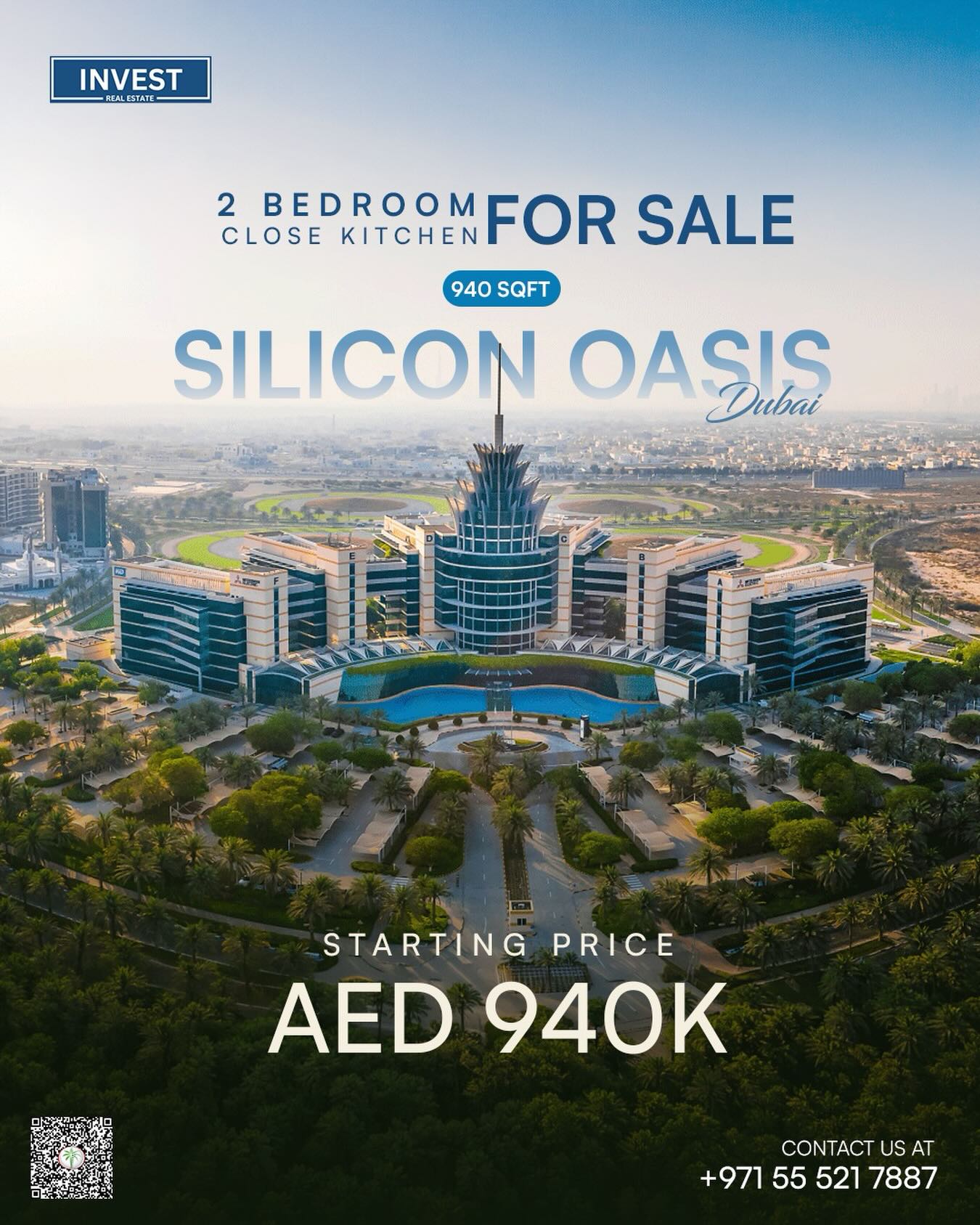 Own a Premium Address in Silicon Oasis, Dubai! 🏙️✨ Discover this… (opens in a new tab)
  Ting - Dubai
 Own a Premium Address in Silicon Oasis, Dubai! 🏙️✨ Discover this…
 They say racing is 90% preparation, but sometimes the remaining 10%… (opens in a new tab) Ting - Dubai
 They say racing is 90% preparation, but sometimes the remaining 10%…
 hello (opens in a new tab)
  yaam
yaam hello
 On teste l’un des meilleurs burger du champions burger à Paris : le… (opens in a new tab) yaam
 On teste l’un des meilleurs burger du champions burger à Paris : le…
 Dear Grandma — (opens in a new tab) yaam
 Dear Grandma —
 SDASCF (opens in a new tab)