

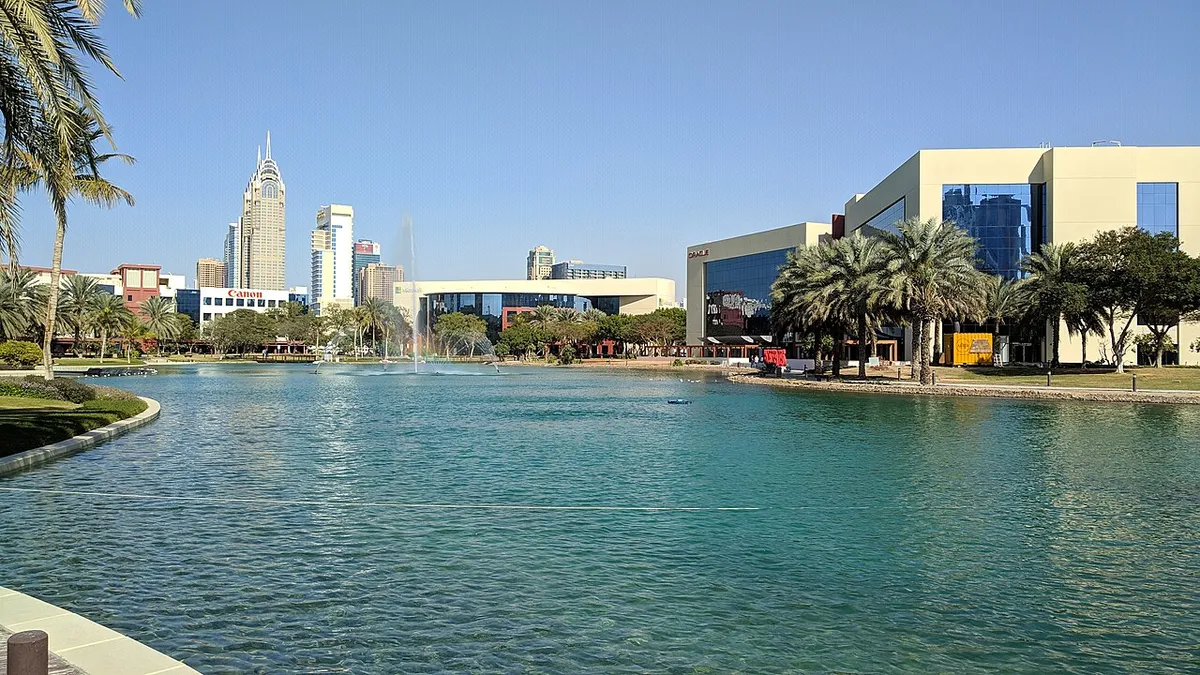
The vibe
Dubai Internet City (DIC) occupies a stretch of Sheikh Zayed Road between Dubai Marina and Media City, and the energy is distinctly professional. During the working week the streets are busy with tech-sector commuters, the cafés fill with laptop workers, and the hotels nearby are perpetually occupied. In the evenings and on weekends it quietens down considerably — this is not a neighbourhood with a vibrant after-hours social scene of its own, though the proximity to Dubai Marina and JBR means that's easily remedied with a short drive.
The residential towers that exist within or immediately adjacent to DIC tend toward the upper end of the market — large units, high-spec finishes, views across the coastline or toward the Marina skyline. Iconic Residences, one of the notable upcoming projects, is a Pininfarina-designed ultra-luxury tower targeting handover in 2027 with 310 apartments. The neighbourhood suits professionals who want a short commute and a premium address more than it suits families looking for a community feel.
Property and rents
The buying market here is thin and high-end. With only 10 listings available and an average price of approximately AED 18.9 million (range: AED 16–22 million), Dubai Internet City is priced in the same tier as Palm Jumeirah and Dubai Marina's top-end stock. No average rental figure is available in the current data, but rental comparisons from nearby Al Sufouh and Barsha Heights — which are effectively the residential overflow areas for DIC workers — indicate two-bedroom apartments typically renting for AED 90,000–130,000 annually.
The thin inventory and premium price points mean this isn't a deep or liquid market. Most residents who work in DIC actually live in neighbouring areas and commute on foot, by metro, or by tram rather than paying the premium for an address within the tech zone itself.
Getting around
This is one of DIC's strongest cards. The Dubai Internet City metro station sits on the Red Line, giving direct access to Dubai Mall, Downtown, and Deira without a car. The Dubai Tram connects to Dubai Marina and runs regularly. Sheikh Zayed Road is immediately accessible for anyone driving north toward Downtown or south toward Abu Dhabi. For a district with a commercial focus, the public transport coverage is notably good — it's one of the more transit-friendly locations in Dubai outside the Downtown corridor.
Nearby areas and alternatives
Al Sufouh, The Greens, Barsha Heights (TECOM), and JLT all sit within a 5–15 minute drive and offer far larger residential inventories at lower price points. Most people who work in DIC live in one of these surrounding areas rather than within the tech park itself. If the goal is minimising commute while keeping cost manageable, Barsha Heights or Al Sufouh are the practical choices; if proximity to the tech campus and a luxury residential product is the brief, the small DIC inventory makes more sense.
Who it suits
Dubai Internet City as a residential address suits a specific buyer: a senior executive or business owner in the tech sector who wants to walk or metro to work and doesn't want to compromise on apartment quality. It also appeals to investors targeting high-net-worth tenants in the tech and consulting sectors. It's less suited to families with children (limited schools within walking distance, no community parks of note), budget-conscious renters, or anyone who values a strong neighbourhood social scene over a prime business address.
I write about Dubai's commercial districts from the angle of someone trying to figure out where to actually live — which is a different question from where to register your company.
FAQ
Can you actually live in Dubai Internet City?
Yes, there are residential towers within and immediately adjacent to the zone, though inventory is very limited — currently around 10 listings. Most people who work in DIC live in nearby areas like Al Sufouh, Barsha Heights, or JLT.
What is the average property price in Dubai Internet City?
Based on current listings, the average price is approximately AED 18.9 million, with the range running from AED 16 million to AED 22 million. This reflects a premium, thin market.
Is there metro access from Dubai Internet City?
Yes — Dubai Internet City has its own Red Line metro station, making it one of the better-connected districts in Dubai for public transport commuters.
What companies are based in Dubai Internet City?
Google, Microsoft, LinkedIn, HP, IBM, and hundreds of other technology and digital companies have regional offices in DIC, making it the city's primary tech cluster.
What are the best areas to live near Dubai Internet City?
Al Sufouh, Barsha Heights (TECOM), The Greens, and JLT all offer more residential inventory at lower price points and are a short commute from DIC by metro, tram, or car.
Post review of ting
 change background colour (opens in a new tab)


change background colour
 change background colour (opens in a new tab)
 change background colour
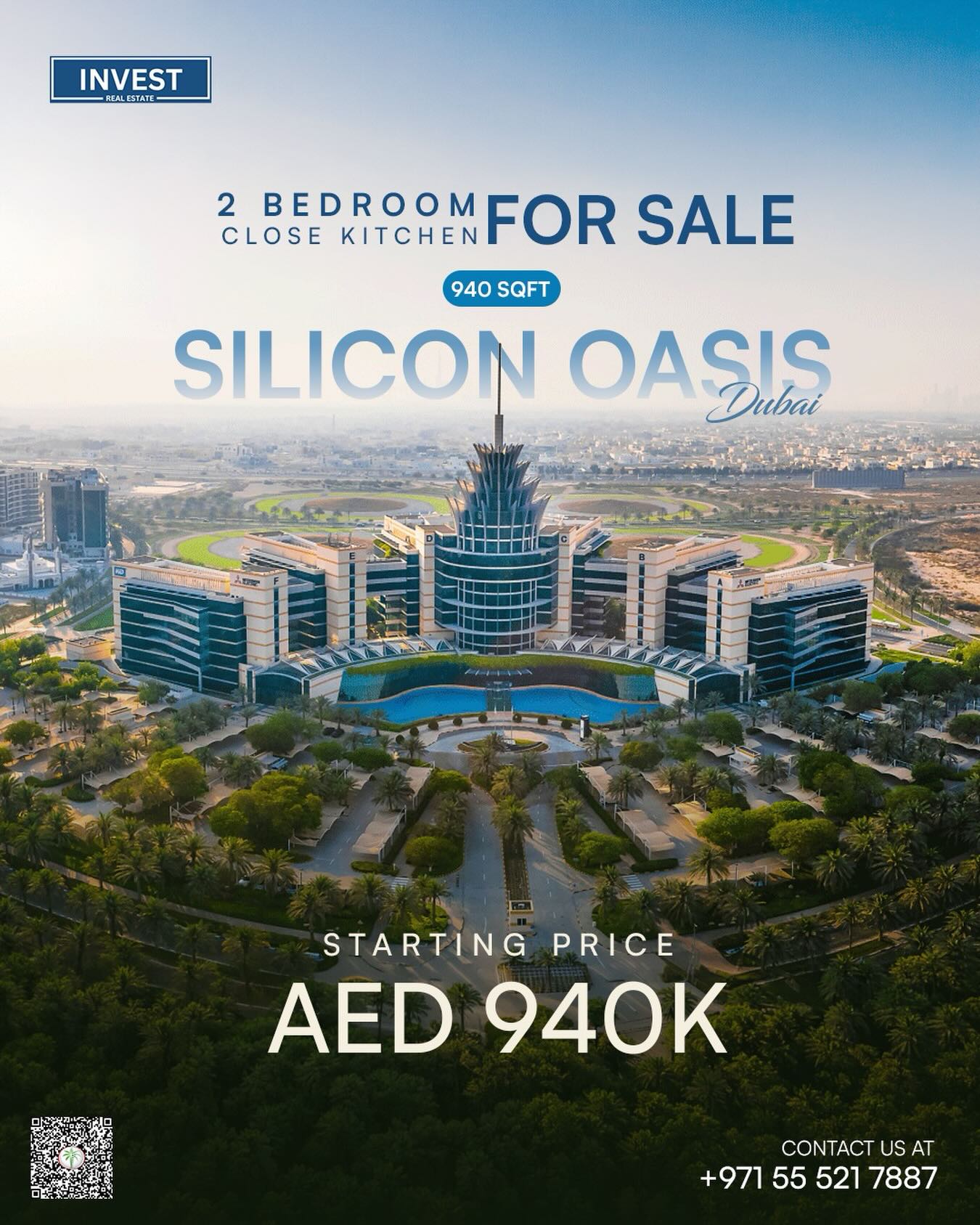 Own a Premium Address in Silicon Oasis, Dubai! 🏙️✨ Discover this… (opens in a new tab)
  Ting - Dubai
 Own a Premium Address in Silicon Oasis, Dubai! 🏙️✨ Discover this…
 They say racing is 90% preparation, but sometimes the remaining 10%… (opens in a new tab) Ting - Dubai
 They say racing is 90% preparation, but sometimes the remaining 10%…
 hello (opens in a new tab)
  yaam
yaam hello
 On teste l’un des meilleurs burger du champions burger à Paris : le… (opens in a new tab) yaam
 On teste l’un des meilleurs burger du champions burger à Paris : le…
 Dear Grandma — (opens in a new tab) yaam
 Dear Grandma —
 SDASCF (opens in a new tab)