

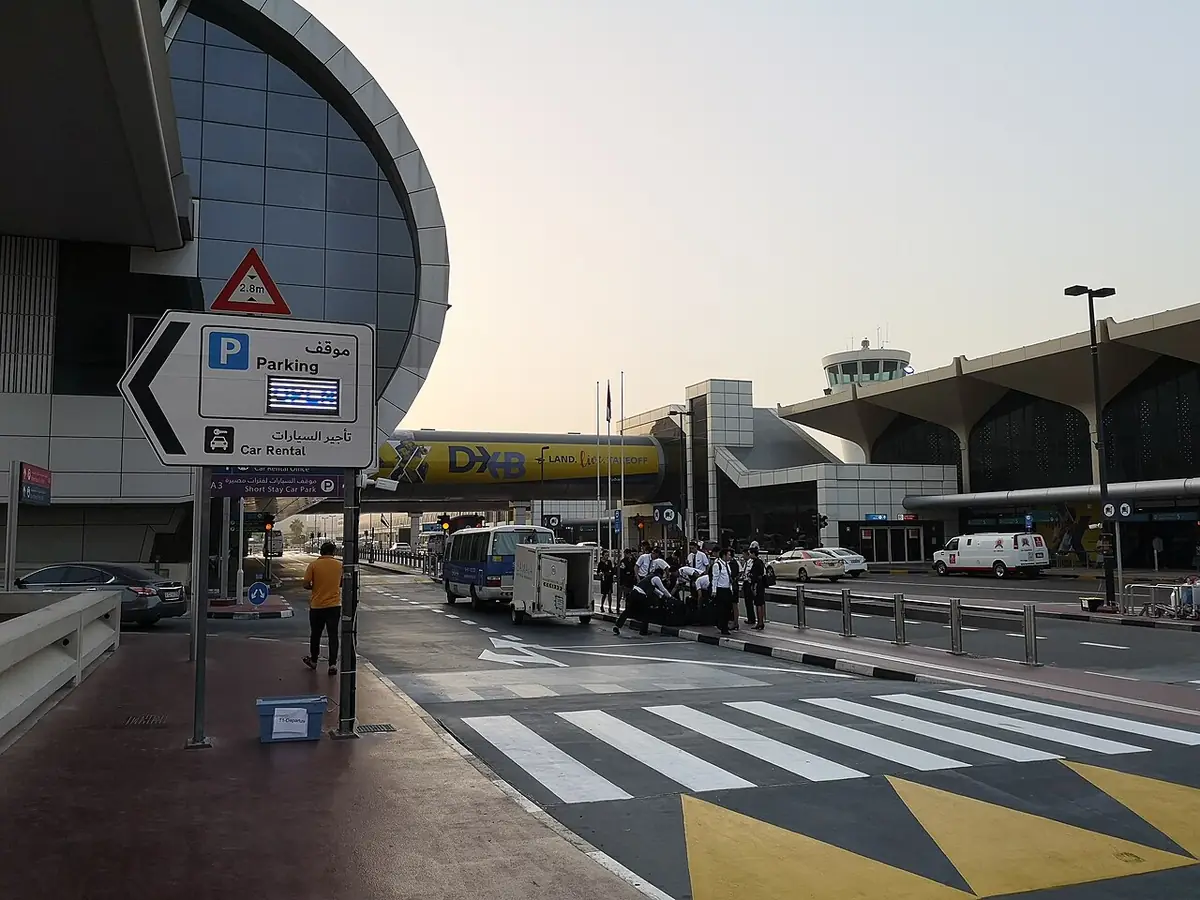
What Dubai Industrial City actually is
Developed under Dubai's broader industrial strategy, Dubai Industrial City spans millions of square metres of zoned land for manufacturing, logistics, and associated commercial activity. The zone houses businesses across sectors including food and beverage, chemicals, minerals, metals, and transport. Workers' accommodation facilities are a formal part of the offering — Dubai Industrial City's own platform advertises purpose-built residential blocks with health centres and leisure facilities for the workforce housed within the zone.
What's listed for sale on the open market tends to be a mix of industrial plots, commercial properties, and occasionally purpose-built residential blocks targeting businesses that need on-site accommodation. The price spread — AED 412,000 at the low end to AED 45 million at the top — reflects that breadth of asset types rather than a conventional apartment-to-villa residential hierarchy.
Property market at a glance
With only 13 listings, Dubai Industrial City is an illiquid, specialist market. The average asking price of approximately AED 9.2 million is skewed by larger commercial and industrial assets. Buyers here are typically businesses acquiring operational premises, logistics companies securing warehouse and yard space, or investors targeting industrial yield plays rather than owner-occupiers looking for a home. No average rent figure is currently available from this data set, which further signals the commercial rather than residential character of the market.
Getting around
Dubai Industrial City sits in the far south of Dubai, positioned off Emirates Road (E611) and close to the Abu Dhabi border. Road access is functional for freight and logistics — that's by design. For anyone working here, a private vehicle is essential; there is no metro coverage this far south, and public transport options are minimal. The drive to central Dubai locations like Downtown or Dubai Marina typically takes 40–50 minutes depending on traffic and time of day.
Who buys or invests here
The honest answer is that Dubai Industrial City appeals to a narrow, specific investor profile: logistics and manufacturing businesses seeking operational space, corporate accommodation providers, and occasionally yield-focused commercial property investors comfortable with industrial assets. It is not positioned for residential lifestyle buyers, families, or professionals looking for an urban neighbourhood. If your interest is commercial property, industrial land, or worker accommodation at scale, it has merit — the zone is well-managed, the infrastructure is built for purpose, and Dubai's logistics sector continues to grow. For anyone else, the surrounding areas of Jebel Ali and Dubai Investment Park offer more conventional options.
I cover Dubai's commercial and industrial property market — the unglamorous end of the city that keeps everything else running.
FAQ
Can I live in Dubai Industrial City?
There are worker accommodation facilities within the zone, but Dubai Industrial City is primarily an industrial and commercial hub, not a residential neighbourhood. Conventional apartment or villa living is not what this area offers.
What types of property are available in Dubai Industrial City?
The market consists mainly of industrial plots, warehouse units, commercial properties, and purpose-built worker accommodation blocks. Prices range from AED 412,000 to AED 45 million.
Is Dubai Industrial City a good investment?
For commercial and logistics investors, potentially yes — the zone is well-managed and Dubai's industrial sector is active. It is not suitable for residential lifestyle investment.
How far is Dubai Industrial City from central Dubai?
It sits on the city's far southern edge, approximately 40–50 minutes by car from central areas like Downtown Dubai or Dubai Marina. There is no metro access.
Post review of ting
 change background colour (opens in a new tab)


change background colour
 change background colour (opens in a new tab)
 change background colour
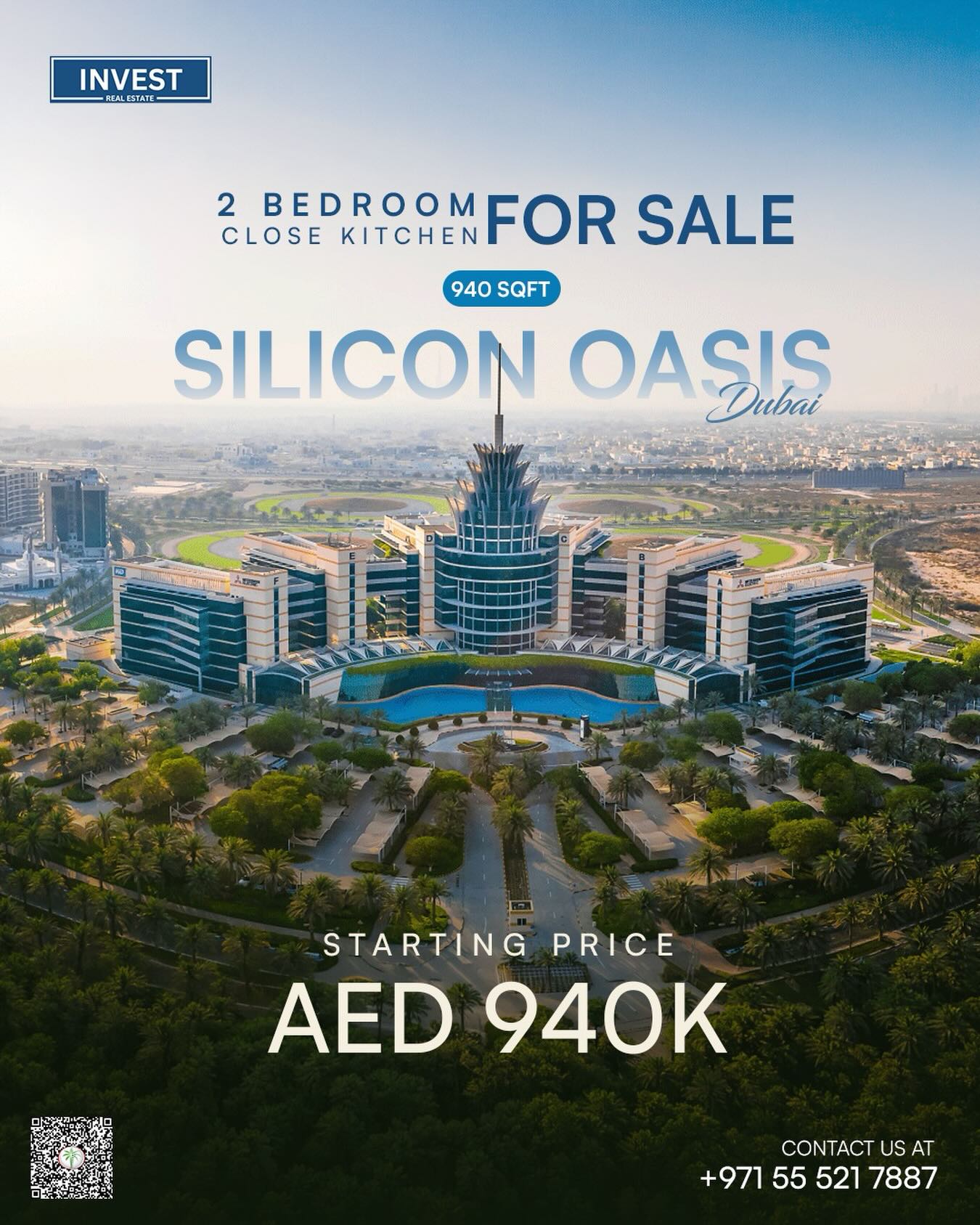 Own a Premium Address in Silicon Oasis, Dubai! 🏙️✨ Discover this… (opens in a new tab)
  Ting - Dubai
 Own a Premium Address in Silicon Oasis, Dubai! 🏙️✨ Discover this…
 They say racing is 90% preparation, but sometimes the remaining 10%… (opens in a new tab) Ting - Dubai
 They say racing is 90% preparation, but sometimes the remaining 10%…
 hello (opens in a new tab)
  yaam
yaam hello
 On teste l’un des meilleurs burger du champions burger à Paris : le… (opens in a new tab) yaam
 On teste l’un des meilleurs burger du champions burger à Paris : le…
 Dear Grandma — (opens in a new tab) yaam
 Dear Grandma —
 SDASCF (opens in a new tab)