

The vibe
Bur Dubai is one of the most culturally layered neighbourhoods in the UAE. Al Fahidi Historical Neighbourhood, the Dubai Museum, and the textile and spice souks attract visitors daily, but for residents this richness is just the backdrop of ordinary life — a Friday morning walk past the abra crossings, lunch at a South Indian restaurant on Al Mankhool Road, the easy rhythm of a genuinely diverse community. The area draws long-term expat families, South Asian communities who have been here for generations, and younger professionals who want a central address without Downtown prices. Expect noise, colour, and constant energy rather than resort-style quiet.
Sub-communities like Al Karama, Al Mankhool, Oud Metha, and Al Jaddaf each have their own character — Karama is famously affordable and social, Oud Metha quieter and more family-oriented, Al Jaddaf the area's emerging edge with new hospitality and design projects along the Creek.
Property and rents
Bur Dubai sits in the medium price category. Average sale prices run around AED 2.4 million, with a ceiling near AED 4.3 million for larger or better-positioned units. Average annual rent is approximately AED 157,000 — above many suburban communities but reflective of the central location and large stock of well-maintained mid-rise apartments. The price-per-sqft average of roughly AED 5,673 is notably higher than many outer Dubai areas, which tells you something about demand: people who want to be here are willing to pay for it.
Most of the residential stock is apartments — studios up to three-bedroom units spread across mid and high-rise buildings. There are very few villas. If you are buying for yield, the central location and strong rental demand from professionals and families make a compelling case, though the highest per-sqft figures mean you need to select buildings carefully for competitive returns.
Getting around
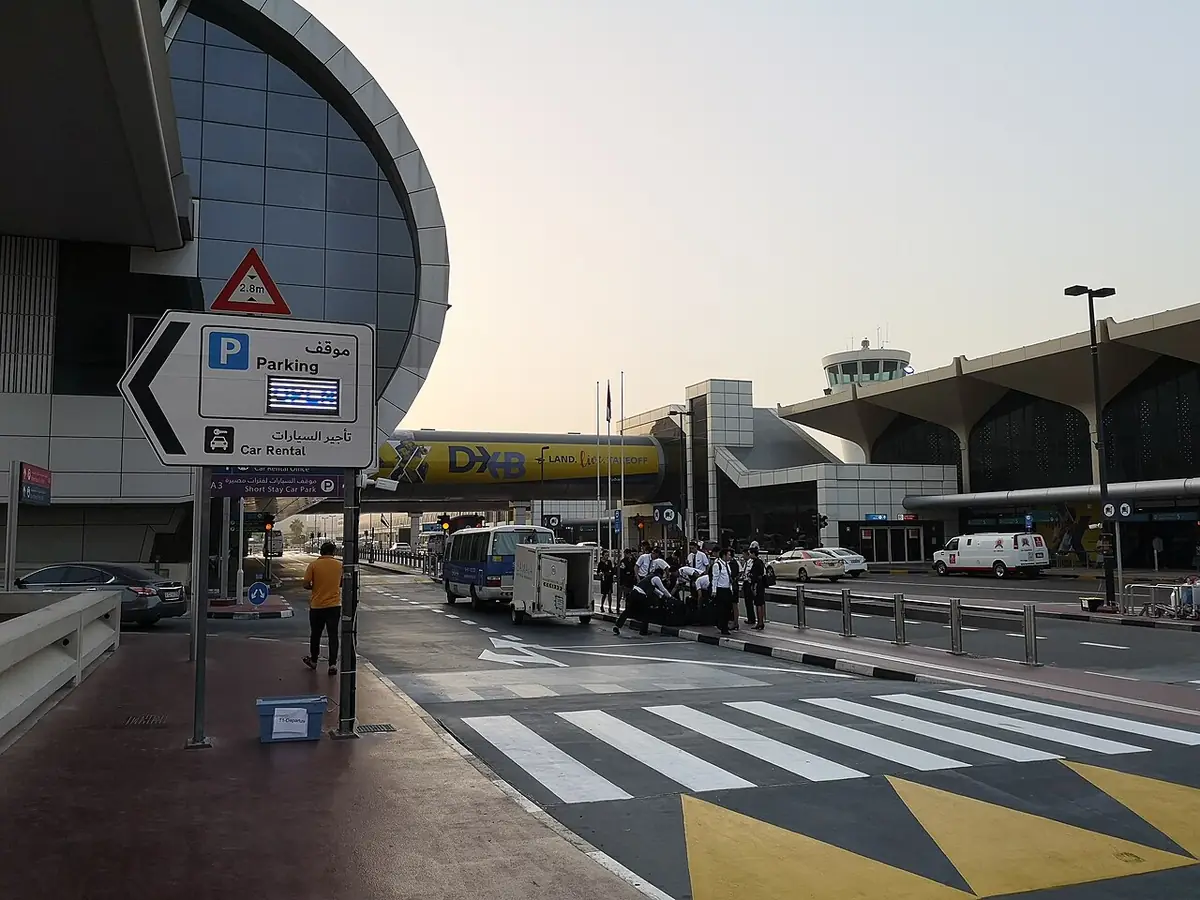
Connectivity is one of Bur Dubai's strongest cards. BurJuman Metro Station and Al Fahidi Metro Station (both on the Red Line) give direct access to Sheikh Zayed Road corridor, Union Square interchange, and onward to the airport. Bus routes are dense, and the traditional abra water taxis crossing the Creek to Deira are genuinely useful rather than merely scenic. Sheikh Zayed Road and Al Khail Road are both quickly reachable by car, making cross-city drives manageable. Dubai International Airport sits roughly 20–25 minutes away by car or metro.
Schools, amenities, and everyday life
The area supports day-to-day life well: over 20 schools, more than 25 clinics, and 8 public parks are within the district. BurJuman Mall anchors retail needs with international brands alongside a solid food court; Karama Centre is the go-to for affordable household shopping. Grocery chains, pharmacies, and a huge variety of independent restaurants (particularly South Asian, Filipino, and Arab cuisine) mean you rarely need to travel far for daily essentials.
Honest trade-offs
Bur Dubai is not for everyone. Traffic on key roads — particularly Al Mankhool Road and around BurJuman — can be heavy during peak hours, and parking in older sections is a daily negotiation. Building quality varies considerably; some older stock is showing its age in terms of maintenance, lifts, and common areas, so inspecting before committing is essential. The area is also busy and densely populated — if you need peace and quiet or gated community privacy, you won't find it here. But if you want authentic urban Dubai with real soul and genuine convenience, it is hard to beat.
Who it suits
Bur Dubai works best for professionals and couples who want central access to both old and new Dubai without paying Downtown premiums. It's a natural fit for families who value cultural richness, easy public transport, and a variety of affordable dining. Investors targeting long-term rental demand from mid-income expats will find steady appetite here. It is less suited to those seeking a quiet suburban lifestyle, a villa or garden, or the kind of branded community amenities found in newer master-planned districts.
I've spent years watching Bur Dubai hold its own against shinier new districts — and it keeps winning on character and convenience.
FAQ
Is Bur Dubai good for families?
Yes — there are over 20 schools, numerous clinics, parks, and a safe, walkable environment in most pockets. Al Mankhool and Oud Metha are particularly popular with families for their quieter streets and proximity to good schools.
What is the average property price in Bur Dubai?
Average sale prices are around AED 2.4 million, with a price-per-sqft average of approximately AED 5,673. The upper end of the market reaches AED 4.3 million for larger apartments.
What does rent cost in Bur Dubai?
Average annual rent across the district is approximately AED 157,000. Actual rents vary significantly by sub-community — Karama tends to be on the lower end, while newer buildings in Oud Metha or Al Jaddaf command premiums.
How well-connected is Bur Dubai by public transport?
Very well connected. BurJuman and Al Fahidi are both Red Line metro stations, buses are frequent, and the abra water taxi to Deira is a quick and cheap option. Airport runs take around 20–25 minutes.
Is Bur Dubai a good investment area?
It offers steady rental demand from a large, diverse tenant base of professionals and families. The central location supports occupancy, though buyers should compare buildings carefully given the variance in condition and per-sqft pricing.
What are the main drawbacks of living in Bur Dubai?
Traffic congestion and limited parking in older parts of the district, variable building quality in the older stock, and a busy, dense urban environment that won't suit those wanting quiet suburban living.
Post review of ting
 यह हरमिना रेजिडेंस दुबई आइलैंड्स वाटरफ्रंट प्रॉपर्टी है। (opens in a new tab)


 Ting - Dubai