

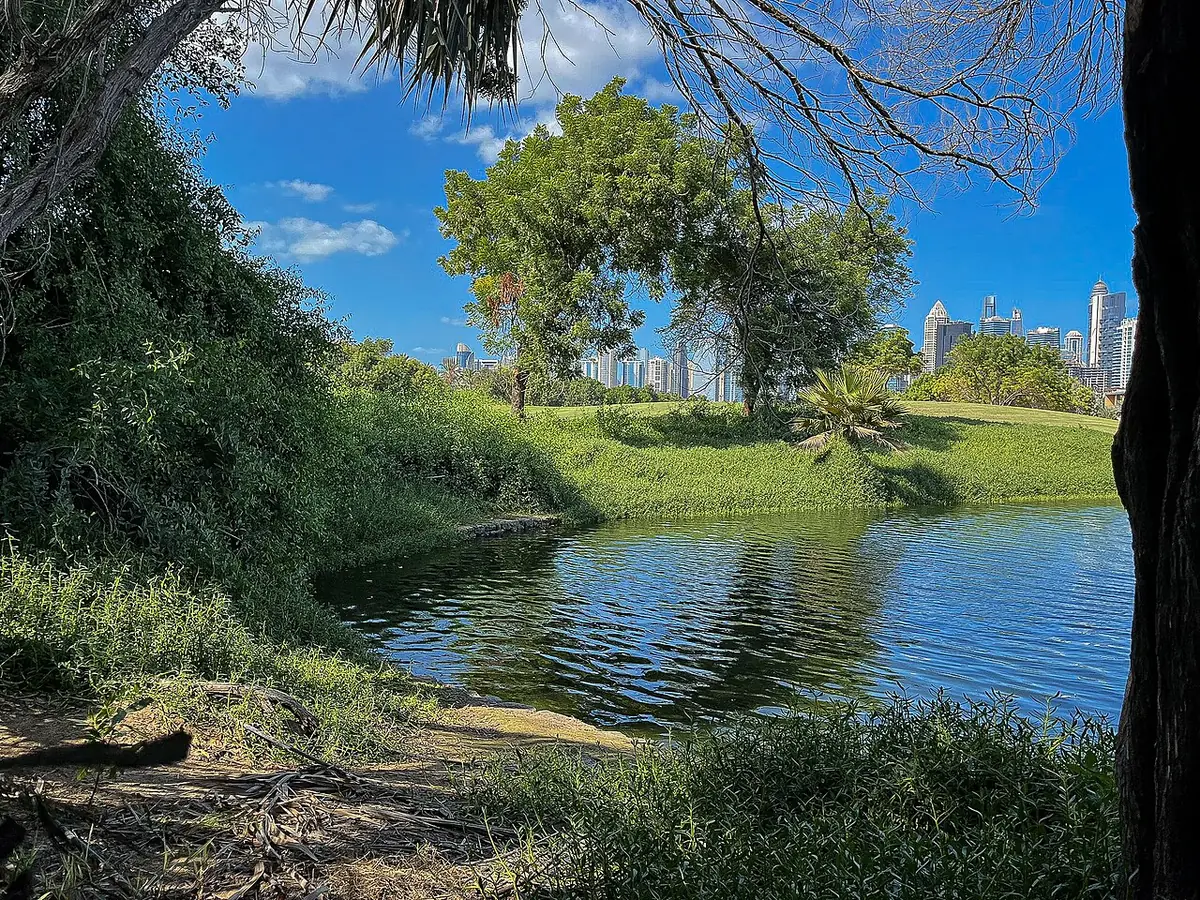
The vibe
Barsha Heights has the energy of a city that never quite switches off. The streets are busy on weekdays with media and tech workers spilling out of the office towers, and on weekends the restaurants and shisha spots fill up fast. There's a cosmopolitan mix here — South Asian professionals, Arab families, Western expats — which gives the area a genuinely unpretentious, neighbourhood feel you don't always find in Dubai's more manicured communities.
The flip side is density. Buildings are close together, traffic on Hessa Street backs up badly during rush hour, and parking — particularly in the older residential blocks — is a daily frustration. If you need quiet and open space, you'll need to drive to Al Barsha Park or head to the Greens for a run.
Property and rents
Barsha Heights sits firmly in the Average price category, which is actually a selling point when you look at where it is on the map. Average property prices are around AED 1.1 million, with entry points from AED 410,000 for smaller studios and upper-end units reaching close to AED 2.9 million. Annual rents average around AED 119,000 — broadly in line with comparable communities like JLT or Discovery Gardens, though you're getting tighter floor plans for that figure.
Studios and one-beds dominate the supply, which is why the area skews heavily toward singles and young couples. Investors have typically found reasonable yields here given the area's persistent rental demand, though the lack of villa options means it doesn't appeal to the family-villa market at all. With 53 active listings on ting.ad, inventory moves steadily.
Getting around
Transport is one of Barsha Heights' strongest suits. Dubai Internet City Metro Station is walkable for many residents, and feeder buses F31 and F35 connect the community to surrounding areas including The Greens, Al Barsha, and Knowledge Village. Sheikh Zayed Road is a minute away, putting Downtown Dubai around 15–20 minutes by car. The airport is roughly 30 kilometres out — manageable but not a quick hop.
Cycling infrastructure is minimal and walking in the summer heat is uncomfortable, so most residents are car-dependent for anything beyond the immediate strip. Uber and Careem are reliably available and reasonably priced from here.
Everyday life
Day-to-day living is genuinely easy in Barsha Heights. Supermarkets, pharmacies, clinics, and a wide range of cafes and restaurants are all within a 10-minute walk. Mall of the Emirates is a short drive away for serious shopping, and JBR beach is reachable in 15 minutes. The dining scene is strong — a mix of budget-friendly South Asian spots, casual Western cafes, and a growing number of decent brunch options.
Schools are not a strength here: the area is largely commercial and residential-apartment in character, and families with school-age children typically factor in a 10–20 minute drive to nearby options in Al Barsha or Al Quoz.
Who it suits
Barsha Heights works best for single professionals or couples who prioritise location and connectivity over space. The media and tech office clusters in Tecom mean a genuine live-work community for those industries. It also suits investors targeting the mid-range rental market — consistent demand, accessible entry prices, and strong infrastructure make it a low-drama hold. Families with kids or anyone who wants a villa, a garden, or genuine quiet will find better options in Al Barsha South or Arabian Ranches.
I've covered Dubai's residential market for six years and Barsha Heights remains one of the most underrated mid-market options in the city.
FAQ
Is Barsha Heights a good place to live in Dubai?
Yes, particularly for professionals and young couples. The location is excellent — close to Sheikh Zayed Road, metro access, and Mall of the Emirates — and rents are fair relative to the connectivity on offer. It's not a quiet community, but for an urban lifestyle it delivers well.
What is the average rent in Barsha Heights?
Annual rents in Barsha Heights average around AED 119,000. Studios can be found below that figure, while larger one- and two-bed units push above it. The area is predominantly apartments, so options are plentiful.
What is the average property price in Barsha Heights?
Average sale prices sit around AED 1.1 million, with entry-level studios starting from approximately AED 410,000 and larger or more premium units reaching up to around AED 2.9 million.
Is there metro access in Barsha Heights?
Yes. Dubai Internet City Metro Station is within walking distance for many residents. Feeder bus routes F31 and F35 also connect the community to the metro and surrounding neighbourhoods.
Is Barsha Heights family-friendly?
It's manageable for small families but not ideal for those with school-age children. The community is predominantly apartment-based with limited green space, and schools require a short drive. Families with young children often prefer the quieter roads of Al Barsha or Jumeirah Village Circle.
What are the main drawbacks of living in Barsha Heights?
The main pain points are traffic congestion on Hessa Street and Sheikh Zayed Road during peak hours, limited parking in older buildings, high population density, and relatively little greenery or open space compared to villa communities.
Post review of ting
 change background colour (opens in a new tab)


change background colour
 change background colour (opens in a new tab)
 change background colour
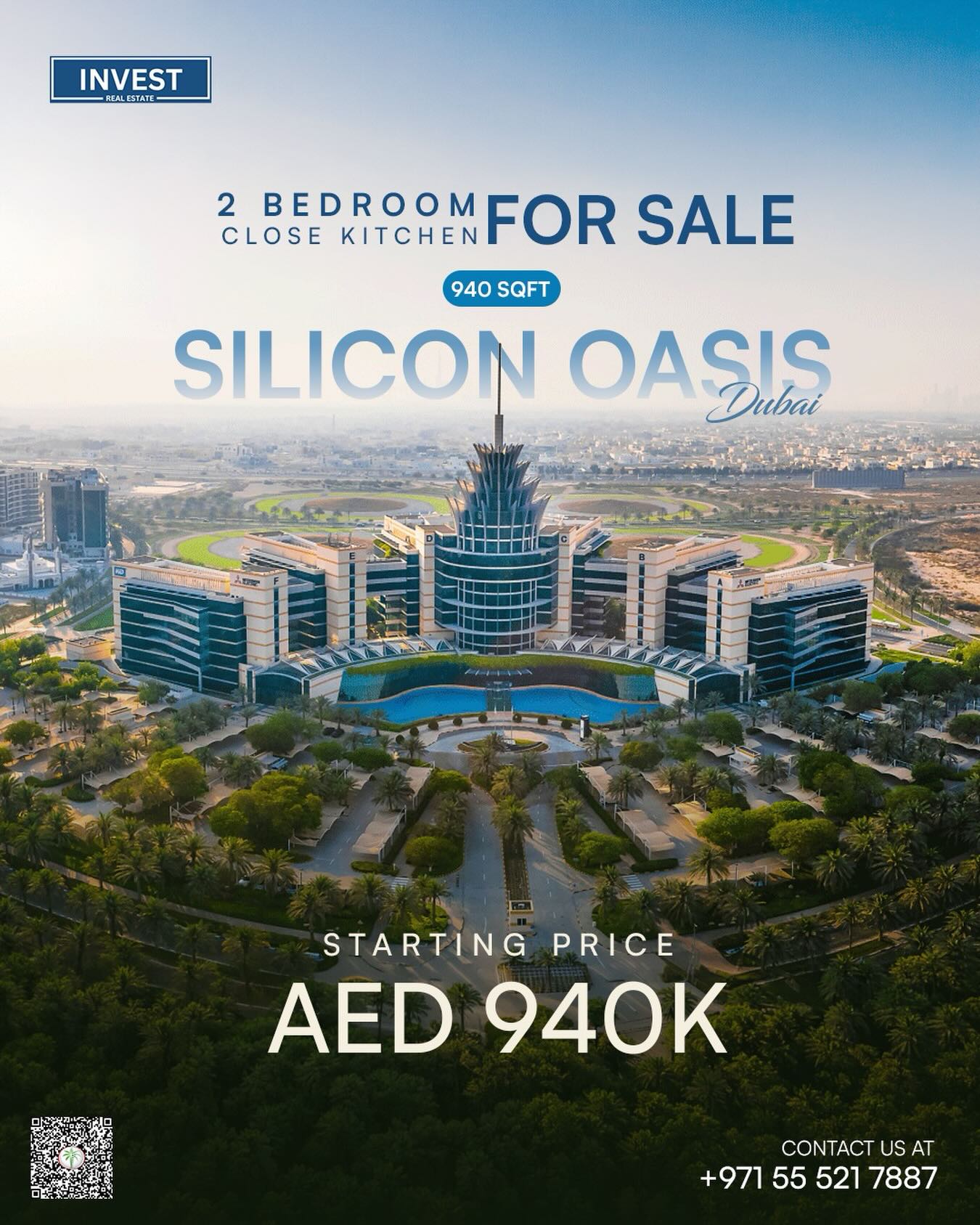 Own a Premium Address in Silicon Oasis, Dubai! 🏙️✨ Discover this… (opens in a new tab)
  Ting - Dubai
 Own a Premium Address in Silicon Oasis, Dubai! 🏙️✨ Discover this…
 They say racing is 90% preparation, but sometimes the remaining 10%… (opens in a new tab) Ting - Dubai
 They say racing is 90% preparation, but sometimes the remaining 10%…
 hello (opens in a new tab)
  yaam
yaam hello
 On teste l’un des meilleurs burger du champions burger à Paris : le… (opens in a new tab) yaam
 On teste l’un des meilleurs burger du champions burger à Paris : le…
 Dear Grandma — (opens in a new tab) yaam
 Dear Grandma —
 SDASCF (opens in a new tab)