

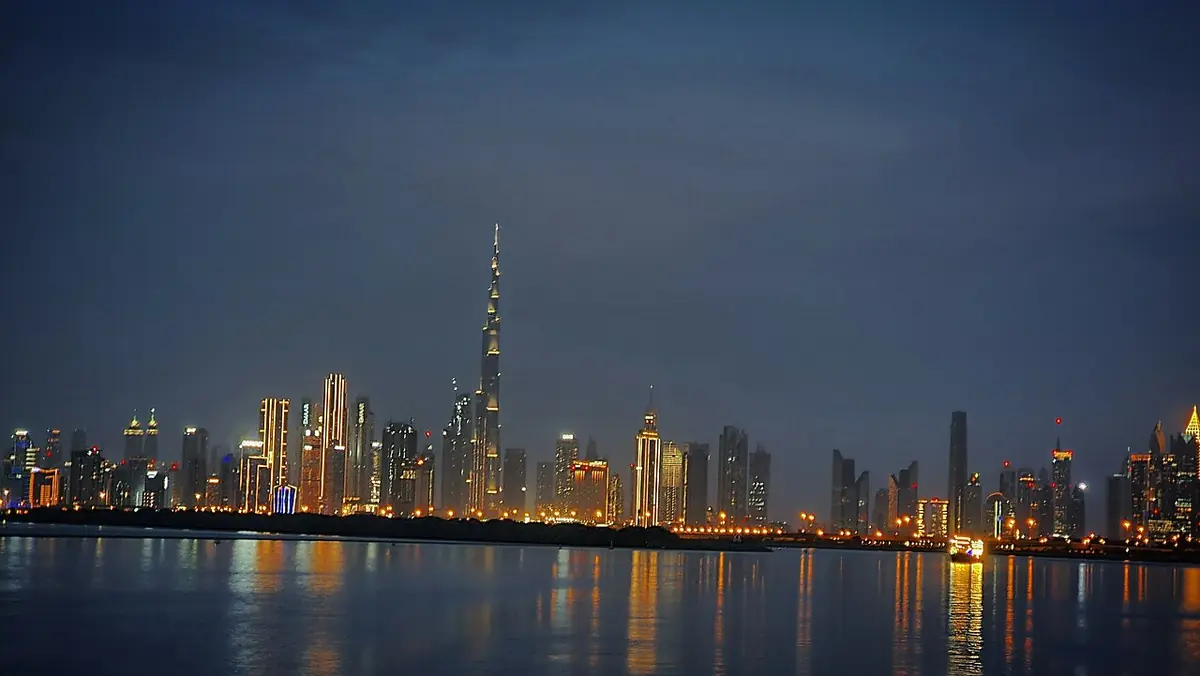
The vibe
Al Samha has a suburban, family-first feel. Think spacious villas and low-rise townhouses rather than high-rises, wide tree-lined streets, and a slower pace of life than you'd find closer to Abu Dhabi's business districts. It attracts families who have made a deliberate choice to step back from dense urban living — many residents work in Abu Dhabi or Dubai and are happy to trade a longer commute for significantly more space and better value per square metre.
The community is a genuine mix of Emirati families, long-term expat residents, and a growing number of younger families making their first UAE property purchase. It doesn't have a buzzing social scene, but the atmosphere is warm and neighbourly, and the mosques, parks, and local retail give daily life a comfortable structure.
Property and rents
Al Samha is a freehold area, which means buyers of any nationality can own property here outright — a meaningful advantage that has driven growing international interest. Properties range from AED 1,400,000 at the entry end to AED 10,500,000 for larger villa compounds, with an average around AED 2,500,000. That average covers a wide spread of product types from apartments to spacious villas.
Annual rents average around AED 97,445 — well below comparable space in Abu Dhabi city or Dubai. Gross rental yields are solid, with three-bedroom units delivering around 5.4% and two-bedrooms around 5.2%. For long-term investors looking at steady income rather than short-term speculation, those are credible numbers. The 26% villa price appreciation recorded in H1 2025 is a notable signal, though buyers should treat any single-period jump with appropriate caution.
Getting around
Al Samha's position on the E11 highway is its strongest logistical asset — it gives residents reasonably direct access to both Abu Dhabi city and Dubai, making it feasible for people who work across the border. That said, this is firmly car-dependent territory; there is no metro service, and public transport options are limited. Budget 35–45 minutes to Abu Dhabi centre in normal traffic, and roughly the same to Dubai's outer districts. Fuel costs and vehicle running expenses should be factored into any cost-of-living calculation.
Schools and daily life
Schools, clinics, supermarkets, and mosques are all now operational within or close to the community, which marks a significant maturation from its earlier, more infrastructure-sparse phase. Families don't need to drive far for everyday needs. Healthcare is covered by local clinics for routine matters, with larger hospitals accessible in Abu Dhabi city for specialist care.
Who it suits
Al Samha is a strong fit for families who want to own rather than rent, value space over proximity to nightlife, and are comfortable with a car-based lifestyle. The freehold status makes it attractive to investors of any nationality, and the combination of affordable entry prices, decent yields, and recent price appreciation makes the investment case credible. Less suitable for singles or young professionals who want to walk to entertainment or need public transport — the commute costs and car dependency are real trade-offs that need to be priced in.
I've spent years tracking the communities on both sides of the Abu Dhabi–Dubai corridor — the ones building real liveability, not just marketing decks.
FAQ
Can expats buy property in Al Samha?
Yes. Al Samha is a freehold area in Abu Dhabi, which means buyers of any nationality can purchase and own property with full ownership rights.
What is the average property price in Al Samha?
The average property price is around AED 2,500,000, with a range from approximately AED 1,400,000 for entry-level units up to AED 10,500,000 for larger villas.
What are average annual rents in Al Samha?
Annual rents average around AED 97,445, which is competitive relative to comparable space in Abu Dhabi city or Dubai suburbs.
Is Al Samha good for families?
Yes. It has schools, clinics, supermarkets, mosques, and parks all accessible locally, and the spacious villa-based housing stock makes it particularly suitable for families with children.
How far is Al Samha from Dubai?
Al Samha sits along the E11 highway close to the Abu Dhabi–Dubai border. Dubai's outer districts are roughly 35–45 minutes by car depending on traffic.
What rental yield can investors expect in Al Samha?
Gross yields run at approximately 5.2–5.4% depending on unit type, with three-bedroom villas at the stronger end. These are solid long-term rental yield figures for the UAE market.
Post review of ting
 change background colour (opens in a new tab)


change background colour
 change background colour (opens in a new tab)
 change background colour
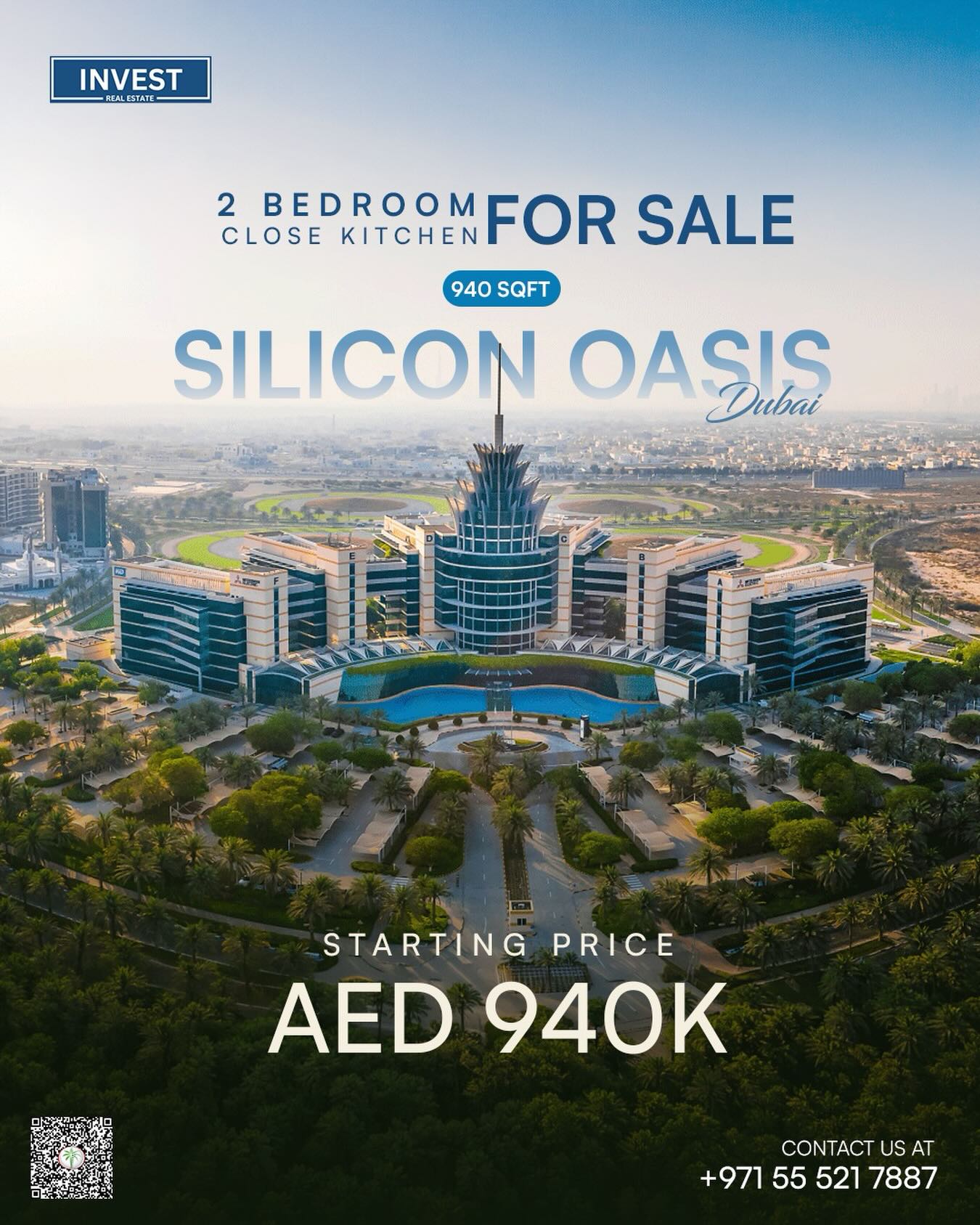 Own a Premium Address in Silicon Oasis, Dubai! 🏙️✨ Discover this… (opens in a new tab)
  Ting - Dubai
 Own a Premium Address in Silicon Oasis, Dubai! 🏙️✨ Discover this…
 They say racing is 90% preparation, but sometimes the remaining 10%… (opens in a new tab) Ting - Dubai
 They say racing is 90% preparation, but sometimes the remaining 10%…
 hello (opens in a new tab)
  yaam
yaam hello
 On teste l’un des meilleurs burger du champions burger à Paris : le… (opens in a new tab) yaam
 On teste l’un des meilleurs burger du champions burger à Paris : le…
 Dear Grandma — (opens in a new tab) yaam
 Dear Grandma —
 SDASCF (opens in a new tab)