

The vibe
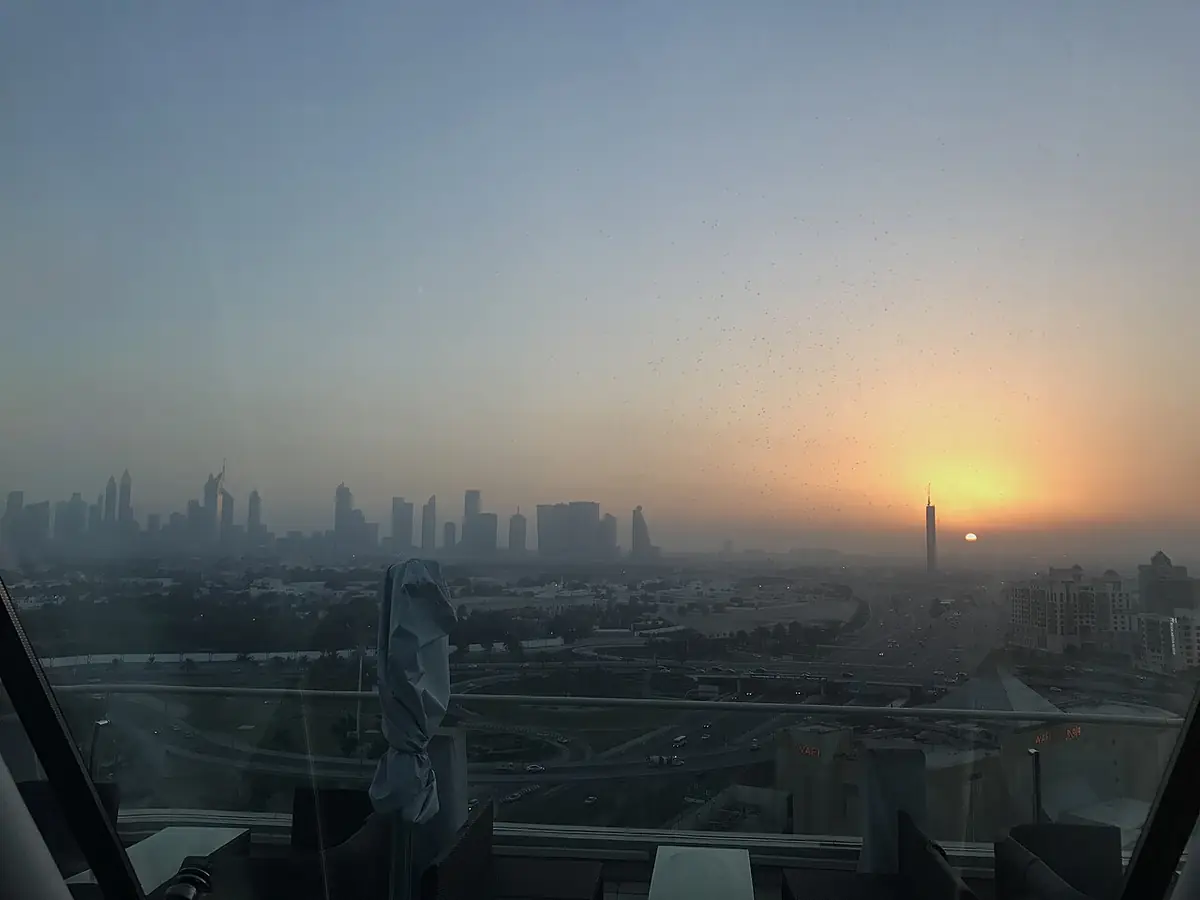
Al Quoz is a study in contrasts. The industrial zones — Al Quoz 1 through 4's warehouses — still define the physical landscape, but tucked between them are art galleries, independent cinemas, experimental restaurants, and fitness studios that have quietly colonised the old storage spaces. Al Serkal Avenue is the cultural heartbeat: Cinema Akil screens films you won't find at any mall multiplex, and on any given Saturday the galleries draw a genuinely mixed crowd of Emiratis, long-term expats, and curious visitors. The residential pockets — Al Quoz 1, 2, and 4 — feel calmer, with low-rise villas and mid-rise apartment blocks occupied largely by Emirati families and middle-income expat communities. It's not polished, but it has character in a way that newer, shinier neighbourhoods often lack.
Property and rents
With an average asking price of around AED 1.2 million and a floor as low as AED 480,000, Al Quoz offers some of the most accessible entry points for Dubai property ownership outside the far suburbs. The upper end reaches AED 3.3 million for larger villas in the quieter residential zones. Annual rents average around AED 70,500, though this varies significantly by unit type — studios in Al Khail Heights rent for roughly AED 48,000, while two-bedroom apartments in Al Khail Gate typically run around AED 60,000 per year. Larger five-bedroom villas in Al Quoz 1 command significantly more, up to AED 375,000 annually. The price category is firmly Average by Dubai standards, which is arguably the point: you get central access without central prices.
The Dubai Al Quoz Creative District initiative, launched to transform the area into a hub for innovation and creative industries, is expected to keep demand healthy. Affordable commercial space, visa incentives, and an influx of studios and co-working operations mean the residential neighbourhood is unlikely to go stagnant.
Getting around
Al Quoz sits between Sheikh Zayed Road (E11) and Al Khail Road (E44), which means Downtown Dubai, Business Bay, and Dubai Marina are all 10–15 minutes by car in reasonable traffic. That's a genuinely strong location by Dubai standards. Public transport is less seamless — there's no metro station directly in Al Quoz, but bus routes connect the neighbourhood to nearby metro stations on the Red Line. Cycling infrastructure has improved with the wider Dubai cycling network, and the flat terrain makes it manageable outside peak summer heat. Car ownership still makes daily life easier here.
Lifestyle and amenities
Day-to-day amenities are solid without being spectacular. Supermarkets, pharmacies, and clinics are dotted throughout the residential zones. Schools are within reasonable reach, though families with school-age children tend to rely on cars for the school run. Where Al Quoz genuinely overdelivers is on leisure and culture: the gym and CrossFit studio scene is well-established in the repurposed warehouses, and food options range from hole-in-the-wall South Asian spots to well-regarded casual dining along the Serkal strip. The upcoming Q-East development promises to add a cinema, sports zones, and outdoor galleries, which will meaningfully upgrade the leisure offering for residents.
Who it suits
Al Quoz works well for creative professionals, entrepreneurs, and young couples who want central access without spending central money. It suits people who appreciate a neighbourhood that's a work in progress — visually rough in places but genuinely alive. Families with school-age children can make it work but need to plan their schooling options carefully. Investors on a budget looking for a central Dubai address with upside from the ongoing transformation will find the entry price point compelling. Those who need walkability, polished streetscapes, or a sense of resort-style living should look elsewhere.
I've spent years writing about Dubai neighbourhoods, and Al Quoz remains one of the few that genuinely surprises people once they give it a chance.
FAQ
Is Al Quoz a good area to live in Dubai?
It depends on your priorities. Al Quoz offers central Dubai access at below-average prices, a thriving arts and creative scene around Al Serkal Avenue, and decent everyday amenities. The industrial zones, limited metro access, and uneven streetscapes are genuine trade-offs. It suits renters and buyers who value location value and character over polish.
What are property prices like in Al Quoz?
Average property prices are around AED 1.2 million, with the range running from AED 480,000 (studios and smaller apartments) up to AED 3.3 million for larger villas. This puts Al Quoz in the Average price category for Dubai — affordable by central standards.
How much does it cost to rent in Al Quoz?
Annual rents average around AED 70,500, though the range is broad. Studios start from around AED 48,000 per year, two-bedroom apartments around AED 60,000, and larger villas significantly more. Compared to nearby Business Bay or Downtown, rents are noticeably lower.
Does Al Quoz have good transport links?
By car, yes — it sits between Sheikh Zayed Road and Al Khail Road, putting most of Dubai within 15 minutes. There is no metro station directly in Al Quoz, so public transport users need to factor in a bus connection to the Red Line. A car makes daily life considerably easier.
What is Al Serkal Avenue?
Al Serkal Avenue is a repurposed warehouse district within Al Quoz that has become Dubai's leading arts and creative hub. It hosts independent galleries, Cinema Akil, design studios, fitness concepts, and food outlets. It's one of the most genuinely interesting leisure destinations in the city and draws visitors from across Dubai.
Is Al Quoz a good investment area in Dubai?
The ongoing Al Quoz Creative District transformation, low entry prices, and central location make a reasonable case for long-term investment. Rental yields are steady, and the commercial upgrading of the area tends to support residential values over time. It's not a high-growth speculative play, but for patient investors the fundamentals hold up.
Post review of ting
 video 3 (opens in a new tab)


 Tokyo555