

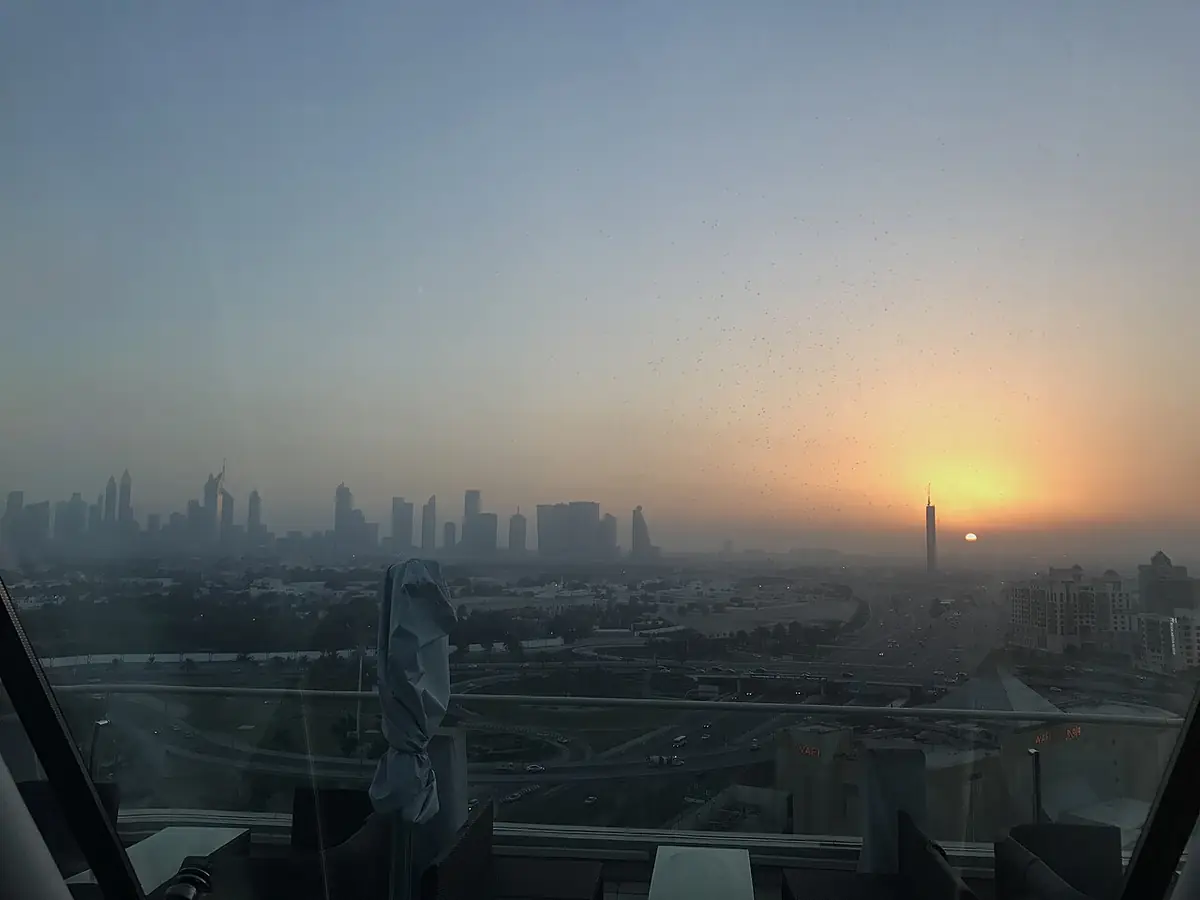
The vibe
Al Noaf is unhurried in a way that most of Dubai simply isn't. The streets are wide, the villas are generous — typically four to six bedrooms with covered parking, a maid's room, and a garden — and the overall atmosphere is suburban and residential rather than commercial. Each of the four sub-districts has its own park, so you see families out in the evenings and kids on bikes at weekends. It attracts a mix of Emirati families and long-term expat residents who have outgrown apartment living and want genuine private space.
The trade-off is that Al Noaf is not a destination in itself — there's no buzzy high street, no brunch strip, no flagship gym. It's a place you come home to, not a place you show off. For the right person, that's the whole appeal.
Property and rents
The verified market data puts average sale prices at around AED 2.58 million, with a range from roughly AED 2.2 million to AED 2.8 million for listed stock. Wider market data from aggregators shows the full spectrum running from around AED 1.4 million for smaller or older villas up to AED 6 million for the larger family homes. That's competitive for a villa community with this much space — compare that to similar-sized villas in Dubai's outer suburbs and you're typically paying a meaningful premium.
On the rental side, annual rents sit in the AED 291,000 range based on current listings, though broader market data suggests AED 110,000–190,000 per year for most family villas. This is a medium price-category market — neither ultra-budget nor prestige. For investors, the demand from families commuting into Dubai keeps occupancy fairly steady.
Getting around
The commute story is one of Al Noaf's genuine strengths. Maliha Street (S116) runs along the community and connects directly to Route E311 — the Emirates Road — which funnels you into Dubai without having to use the notoriously congested Al Ittihad or Al Wahda routes. On a clear morning, Dubai's northern areas are 25–30 minutes away. Sharjah city centre is under 15 minutes.
That said, Al Noaf is firmly a car-dependent community. There are no metro stations serving this part of Sharjah, and while bus routes do pass through the wider area via the E311 corridor, daily errands and school runs all but require a private vehicle. Factor that into your total cost of living.
Schools and amenities
Al Noaf's proximity to University City and Muwaileh — both a short drive east — means the education options are genuinely good. University City hosts several international and private universities, and the surrounding Muwaileh area has a concentration of well-regarded schools covering the major curricula. Healthcare is accessible via Sharjah's network of clinics and hospitals along the main arterial roads.
For daily needs, residents head to the retail strips and supermarkets in Muwaileh or the larger malls in central Sharjah. It's a short enough drive that it becomes routine rather than a hardship — but if walking to a shop or grabbing a coffee downstairs matters to you, Al Noaf won't deliver that.
Who it suits
Al Noaf is tailor-made for families who work in Dubai or northern Sharjah and want a proper home — not an apartment, not a townhouse, but a detached villa with a garden — at a price point well below Dubai equivalents. The four sub-districts give it a quiet, self-contained feel that suits people who genuinely want space and calm over convenience and buzz. It also has real appeal for buyers seeking value: the Sharjah villa market tends to hold steadily, and border-proximity areas like Al Noaf benefit from Dubai demand without Dubai's freehold premiums. Less suited to singles, young couples without children, or anyone without a car.
I cover the UAE's residential market with a focus on what living somewhere actually feels like, not just what the brochure says.
FAQ
Is Al Noaf in Dubai or Sharjah?
Al Noaf is in Sharjah, located close to the Dubai–Sharjah border. It neighbours the Dubai suburb of Al Khawaneej, so commute times into Dubai are shorter than many Sharjah areas.
What is the average property price in Al Noaf?
Average villa prices in Al Noaf are around AED 2.58 million, with listed properties ranging from approximately AED 2.2 million to AED 2.8 million. The broader market extends from AED 1.4 million to over AED 6 million depending on size and sub-district.
What types of properties are available in Al Noaf?
Al Noaf is almost entirely a detached villa community. Properties typically have four to six bedrooms, covered parking, a maid's room, and a private garden. Apartments are not available here.
How is the commute from Al Noaf to Dubai?
Maliha Street connects directly to Emirates Road (E311), making the commute manageable — typically 25–35 minutes to Dubai's northern areas in normal traffic. Peak hours can stretch this, particularly on the E311 heading into Dubai in the morning.
Are there schools near Al Noaf?
Yes. The nearby areas of Muwaileh and University City in Sharjah have a strong concentration of schools and universities covering multiple curricula. Most Al Noaf families are within a 10–15 minute drive of several school options.
Is Al Noaf a good investment?
For buyers seeking Sharjah villa value with Dubai-border proximity, Al Noaf offers a compelling case. Rental demand from Dubai-commuting families is steady, and prices are considerably lower than comparable Dubai villa communities. The area is well-established rather than developing, which limits speculative upside but also reduces risk.
Post review of ting
 change background colour (opens in a new tab)


change background colour
 change background colour (opens in a new tab)
 change background colour
 Own a Premium Address in Silicon Oasis, Dubai! 🏙️✨ Discover this… (opens in a new tab)
  Ting - Dubai
 Own a Premium Address in Silicon Oasis, Dubai! 🏙️✨ Discover this…
 They say racing is 90% preparation, but sometimes the remaining 10%… (opens in a new tab) Ting - Dubai
 They say racing is 90% preparation, but sometimes the remaining 10%…
 hello (opens in a new tab)
  yaam
yaam hello
 On teste l’un des meilleurs burger du champions burger à Paris : le… (opens in a new tab) yaam
 On teste l’un des meilleurs burger du champions burger à Paris : le…
 Dear Grandma — (opens in a new tab) yaam
 Dear Grandma —
 SDASCF (opens in a new tab)