

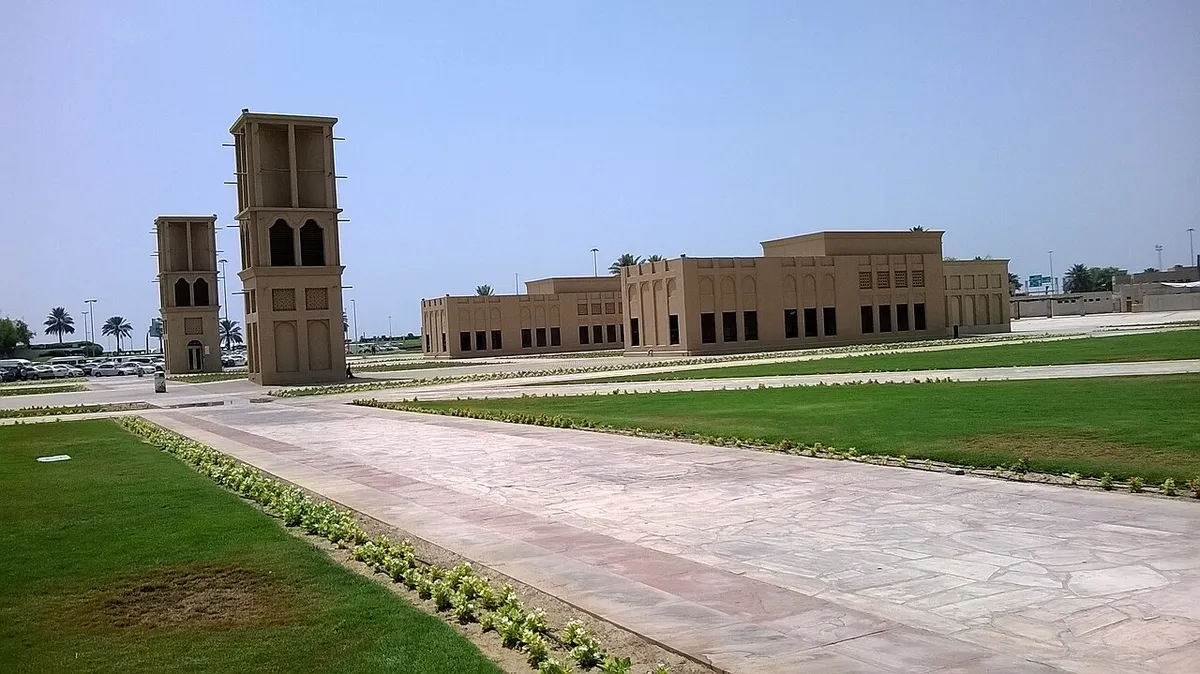
The vibe
Al Ghubaiba hums with the energy of a working city district rather than a planned community. The bus station alone processes around 85,000 commuters a day, and that footfall shapes everything: the street food, the small grocers open until midnight, the mix of long-term residents from South Asia, the Arab Gulf, and East Africa who've called this pocket of Bur Dubai home for decades. It's loud, fragrant, and completely unpretentious.
A five-minute walk takes you into Al Fahidi Historical Neighbourhood — wind towers, courtyard cafes, and the Dubai Museum. The Gold Souk and Spice Souk are walkable. Dubai Creek itself is best in the early morning or just after sunset, when the abras are busy and the light is forgiving. This is the Dubai that the marketing brochures underuse.
Property and rents
With an average property price of around AED 870,000 and only a handful of active listings, Al Ghubaiba is a thin market — most of the stock is older mid-rise residential above commercial ground floors. This is not a place people move to for a premium new-build; it's where buyers look for compact, affordable units with outstanding central connectivity. Price-per-sqft data is limited given the small listing volume, so treat any figure as directional rather than precise.
If you're renting, expect older apartments in the sub-AED 50,000 annual range for a one-bedroom — competitive by any inner-Dubai standard. The trade-off is building age and parking scarcity; always inspect before you commit.
Getting around
Al Ghubaiba is arguably the best-connected neighbourhood in Old Dubai for public transport users. The Al Ghubaiba Metro Station on the Green Line sits right here, and the bus station dispatches routes to Internet City, Al Quoz, Jebel Ali, and intercity services to Sharjah, Abu Dhabi, and Ajman. Marine transport (abras and water taxis) crosses the Creek to Deira in minutes. If you don't own a car, this is one of the few Dubai neighbourhoods where you genuinely don't need one.
Drivers will find the central location cuts commute times to most of Dubai, though parking inside the neighbourhood is tight — a real daily frustration for residents who do own cars.
Lifestyle and amenities
Daily needs are well covered. Supermarkets, pharmacies, and a dense cluster of affordable restaurants (Pakistani, Yemeni, Indian, Filipino) line the main streets. Al Seef waterfront — a curated heritage-meets-dining promenade — is a short walk along the Creek and provides the kind of evening leisure that Al Ghubaiba's immediate streets don't. Larger malls and gyms are a metro ride away in Bur Dubai or Karama.
Green space is the honest gap: small pocket parks exist, but if outdoor recreation is a priority, you'll rely on Creek promenades and occasional drives to bigger parks elsewhere.
Who it suits
Al Ghubaiba works best for budget-conscious residents who commute by public transport, people with strong ties to Old Dubai's communities, and investors looking for entry-level units in a historically central location. It's less suitable for families seeking school catchments, ample green space, or modern building standards. For buyers wanting a foothold in central Dubai at sub-AED 900,000, there are very few alternatives this well-connected.
I've covered Old Dubai for years and Al Ghubaiba remains one of the few places where the city's original soul is still audible through the noise.
FAQ
Is Al Ghubaiba a safe neighbourhood to live in?
Yes, it's a well-established residential and transit area with a consistent community presence. Like any dense urban neighbourhood, stay aware of your surroundings, but crime rates in Dubai generally are low.
What metro line serves Al Ghubaiba?
The Green Line, with Al Ghubaiba Metro Station serving the area directly.
What is the average property price in Al Ghubaiba?
Based on current listings, the average is around AED 870,000, making it one of the more affordable options in central Dubai.
Are there good schools near Al Ghubaiba?
The immediate neighbourhood doesn't have a strong school cluster, but Bur Dubai broadly has several Indian-curriculum and private schools accessible by metro or short drive.
Is Al Ghubaiba good for families?
It suits smaller families or couples comfortable with urban density. Those seeking large apartments, dedicated play areas, or quiet streets typically look in other Bur Dubai sub-districts.
Post review of ting
 change background colour (opens in a new tab)


change background colour
 change background colour (opens in a new tab)
 change background colour
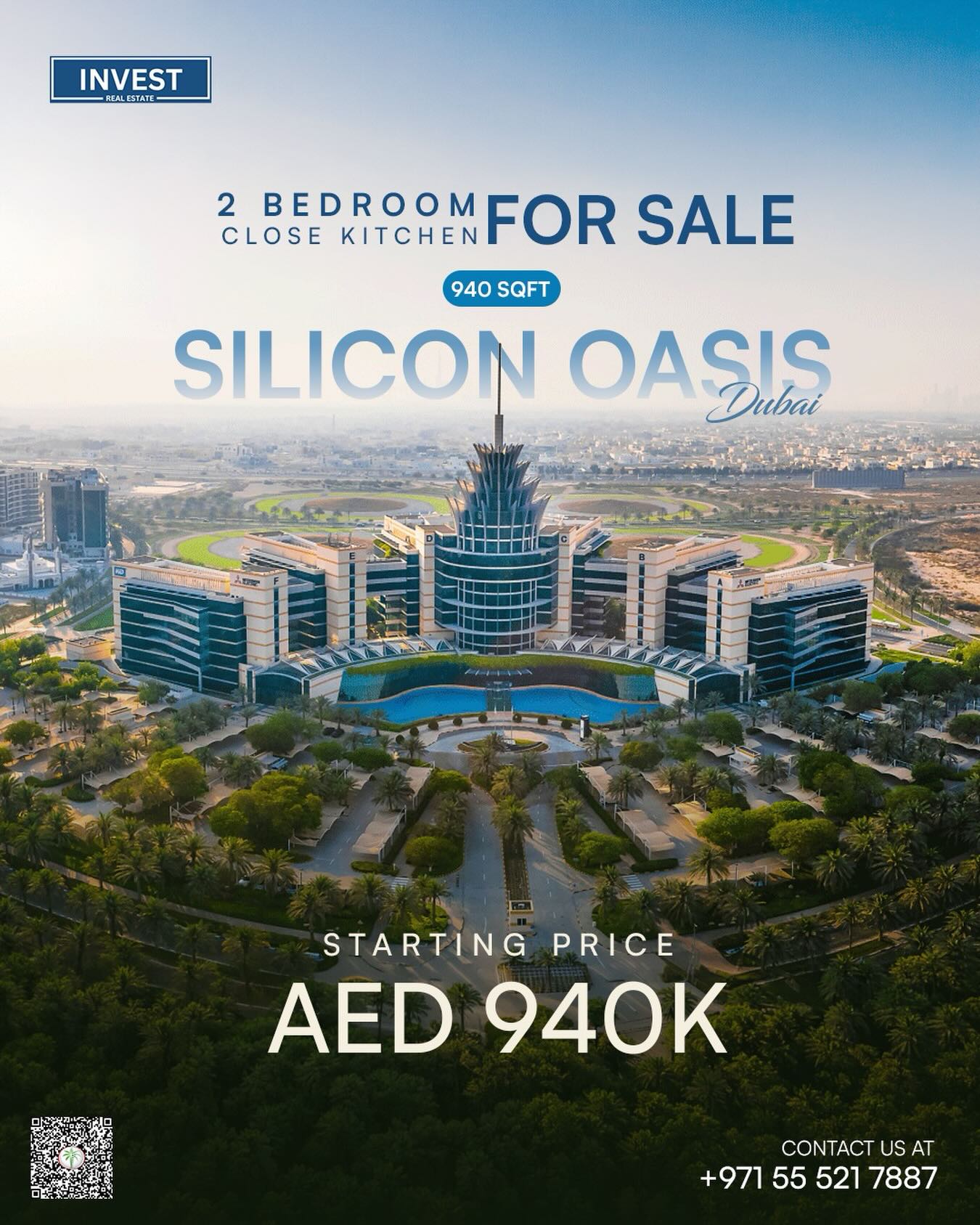 Own a Premium Address in Silicon Oasis, Dubai! 🏙️✨ Discover this… (opens in a new tab)
  Ting - Dubai
 Own a Premium Address in Silicon Oasis, Dubai! 🏙️✨ Discover this…
 They say racing is 90% preparation, but sometimes the remaining 10%… (opens in a new tab) Ting - Dubai
 They say racing is 90% preparation, but sometimes the remaining 10%…
 hello (opens in a new tab)
  yaam
yaam hello
 On teste l’un des meilleurs burger du champions burger à Paris : le… (opens in a new tab) yaam
 On teste l’un des meilleurs burger du champions burger à Paris : le…
 Dear Grandma — (opens in a new tab) yaam
 Dear Grandma —
 SDASCF (opens in a new tab)