

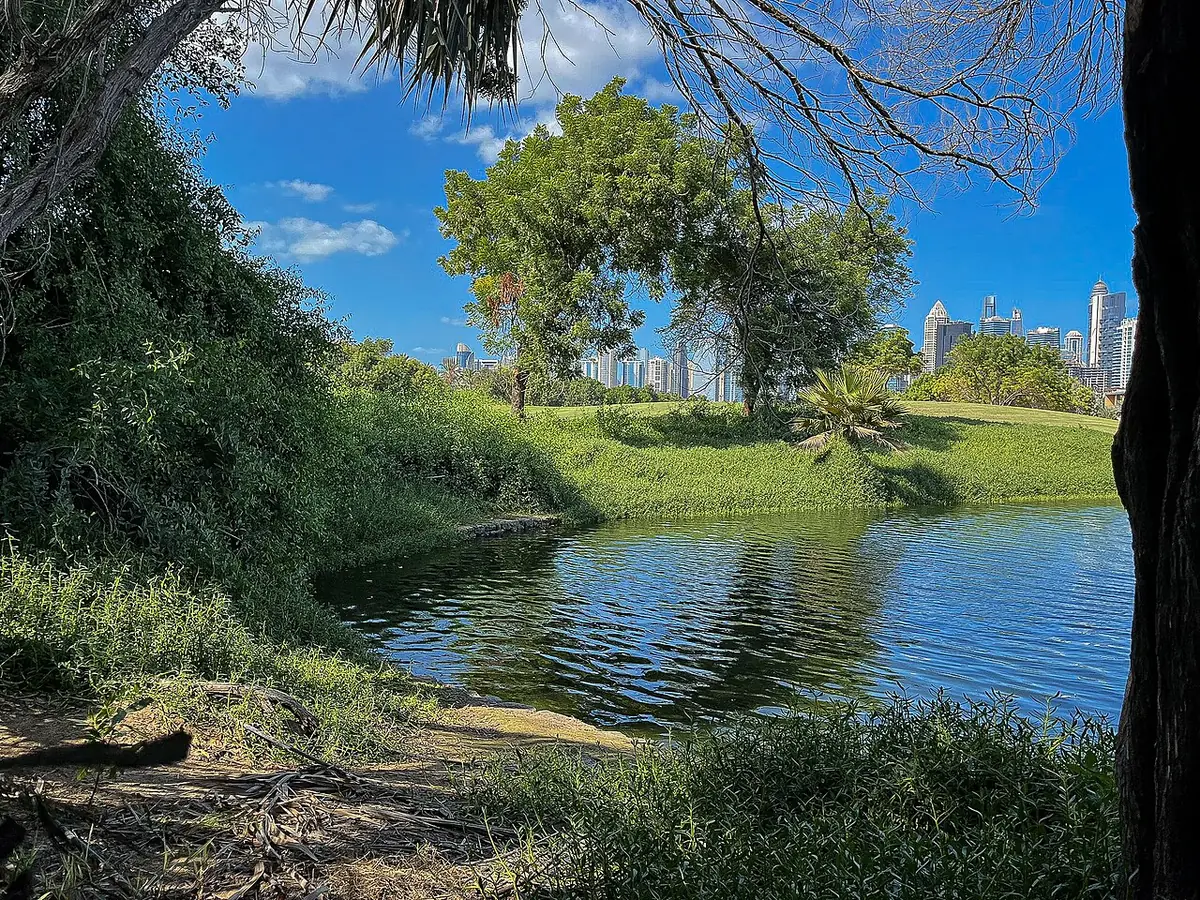
The vibe
Al Furjan sits in what I'd call New Dubai's quieter western flank — close enough to Dubai Marina and JBR to enjoy them on a Friday, far enough that your evenings are actually peaceful. The streets are wide, the landscaping is generous, and the community pavilions (Al Furjan Pavilion and West Pavilion) give residents a genuine local hub with Spinneys, cafes, salons and gyms all walkable from most buildings. Cycling tracks and shaded parks weave through the residential clusters, and you'll see families out using them — always a good sign.
It's a mixed community of UAE nationals, Arab expats, South Asian families and a growing number of European professionals who work near Expo City or Jebel Ali Free Zone. The atmosphere is calm without feeling sleepy.
Property and rents
Al Furjan sits firmly in the average price band for Dubai, with properties averaging around AED 2.8 million across a wide range — from studios at entry level up to larger villas that push well above that. If you're buying, one-bedroom apartments typically land around AED 1.1 million and three-bedrooms around AED 2.3 million, making this one of the more accessible freehold communities near the metro.
On the rental side, average annual rents come in around AED 153,000 — spread across apartment and villa stock with 643 active listings on the market, which means genuine choice. What really draws investors here is the yield story: Al Furjan consistently delivers 7% to 8.5% gross yields on apartments, well above Dubai's 2025 average of around 6.3%. Studio and one-bed units near the metro stations are the workhorses for income-focused buyers.
Property prices have risen over 40% in three years, driven by the Route 2020 metro extension and steady population growth. It's no longer undiscovered, but it's not yet overpriced.
Getting around
Al Furjan has two Route 2020 metro stations — Al Furjan and Discovery Gardens — which connect directly to Expo City and slot onto the Red Line for the rest of the city. This is a genuine differentiator from many comparable communities. Mohammed Bin Zayed Road (E311) runs alongside the development, making driving to Jebel Ali, Dubai Marina or Al Maktoum International Airport straightforward. The airport is roughly 20 minutes on a clear run, which matters if you travel frequently.
Cycling infrastructure is real here — not just decorative paths — and there are bus connections for shorter hops. For a western Dubai address, this is about as well-served by public transport as it gets.
Schools and everyday life
Al Furjan has several schools within or adjacent to the community, including Arbor School (UK curriculum) and Arcadia School — both rated Good by KHDA. The retail at the pavilions handles most daily needs, and you're a short drive from Ibn Battuta Mall for bigger shopping runs. Healthcare options include clinics and pharmacies within the community, with hospitals accessible on E311.
The community is well-designed for families and couples who want a structured, managed residential environment. Single professionals find it liveable but may miss the energy of Downtown or Marina on a Tuesday night.
Who it suits
Al Furjan is a strong match for families who want space, greenery and schools without paying premium-area prices. It works well for investors hunting reliable yield in a metro-connected freehold zone. Professionals working in Jebel Ali Free Zone, Expo City or Dubai South will find the commute genuinely manageable. It's less suited to people who want nightlife on the doorstep or who dislike car-dependent living on days when they skip the metro.
The honest trade-off: you are in western Dubai, which means any commute to DIFC or Downtown adds time. If your office is east of the creek, factor that in seriously before committing.
I write about Dubai neighbourhoods the way I'd describe them to a friend moving here — with the good and the real trade-offs.
FAQ
What is the average property price in Al Furjan?
Properties in Al Furjan average around AED 2.8 million across all types, with one-bedroom apartments typically around AED 1.1 million and entry-level units from approximately AED 430,000.
What is the average rent in Al Furjan?
Annual rents average around AED 153,000, though this spans a wide range from studios to larger villa units. Apartment rents are generally lower; villa rents higher.
Is Al Furjan good for investment?
Yes — Al Furjan consistently delivers rental yields of 7% to 8.5% on apartments, above Dubai's city average, supported by metro connectivity and strong tenant demand from professionals in the Jebel Ali and Expo City corridors.
Does Al Furjan have metro access?
Yes. Al Furjan is served by two Route 2020 metro stations (Al Furjan and Discovery Gardens), connecting to the Red Line and Expo City. This is one of the community's strongest practical advantages.
What schools are in Al Furjan?
Arbor School (UK curriculum) and Arcadia School are both within or adjacent to Al Furjan, rated Good by KHDA. There are also nurseries in the community.
What are the main drawbacks of Al Furjan?
Al Furjan is in western Dubai, so commutes to DIFC, Downtown or Deira can be long. The area is quieter and more suburban than marina-belt communities, which suits families but may feel limiting for singles.
Post review of ting
 change background colour (opens in a new tab)


change background colour
 change background colour (opens in a new tab)
 change background colour
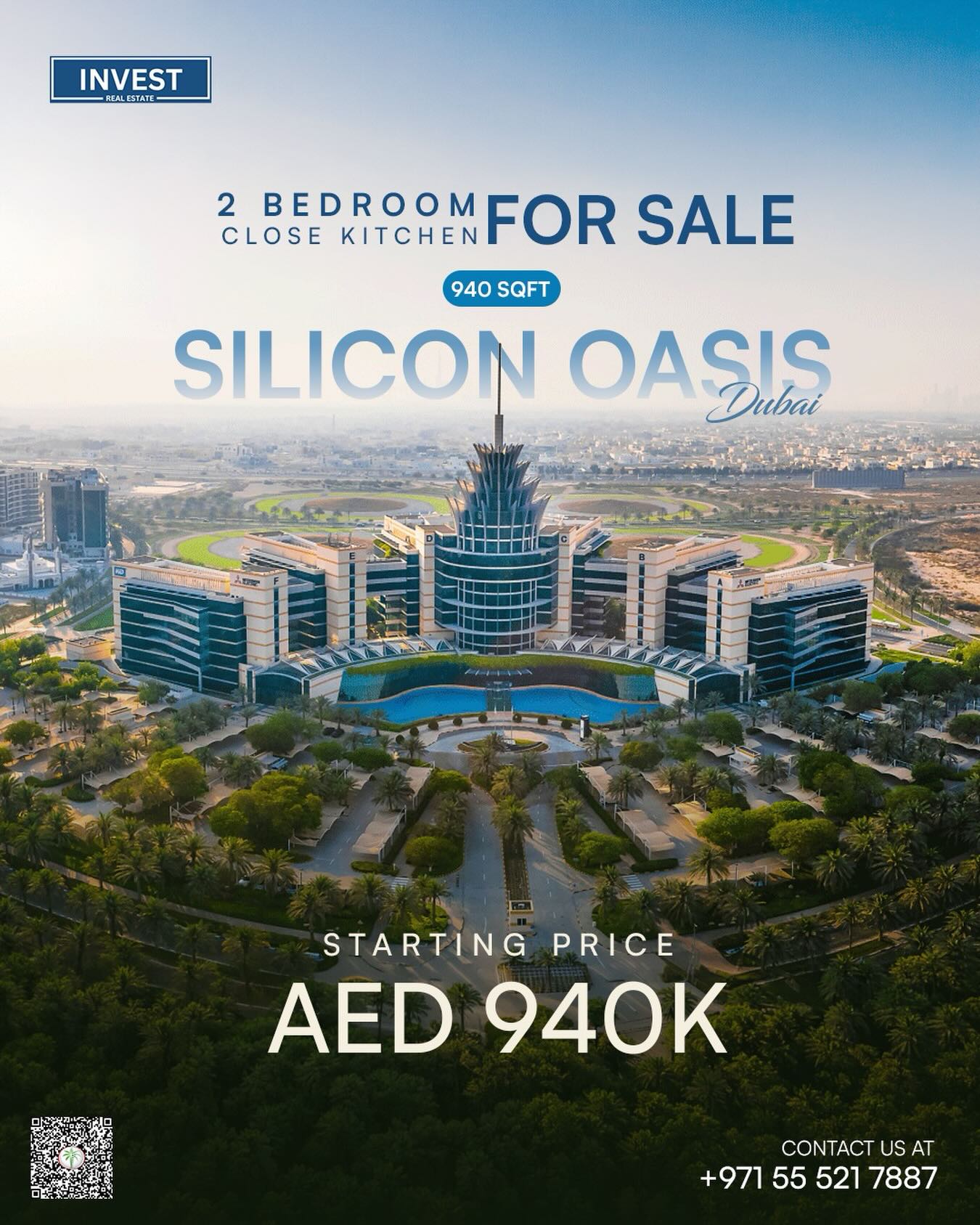 Own a Premium Address in Silicon Oasis, Dubai! 🏙️✨ Discover this… (opens in a new tab)
  Ting - Dubai
 Own a Premium Address in Silicon Oasis, Dubai! 🏙️✨ Discover this…
 They say racing is 90% preparation, but sometimes the remaining 10%… (opens in a new tab) Ting - Dubai
 They say racing is 90% preparation, but sometimes the remaining 10%…
 hello (opens in a new tab)
  yaam
yaam hello
 On teste l’un des meilleurs burger du champions burger à Paris : le… (opens in a new tab) yaam
 On teste l’un des meilleurs burger du champions burger à Paris : le…
 Dear Grandma — (opens in a new tab) yaam
 Dear Grandma —
 SDASCF (opens in a new tab)