Finding an apartment in Montréal means understanding a rental market with its own rhythm, neighbourhoods that differ street by street, and lease customs that surprise newcomers. This guide sets out how to pick your area, work out what you will really pay each month, and secure a home with confidence.
Get the app
What nobody tells you.
Real prices, hidden costs and the traps to check before you commit.
Renting an apartment in Montréal: period charm against staying warm
Scroll
Renting an apartment in Montréal: period charm against staying warm
Finding an apartment in Montréal means understanding a rental market with its own rhythm, neighbourhoods that differ street by street, and lease customs that surprise newcomers. This guide sets out how to pick your area, work out what you will really pay each month, and secure a home with confidence.
Written by the ting.ad editorial team ·
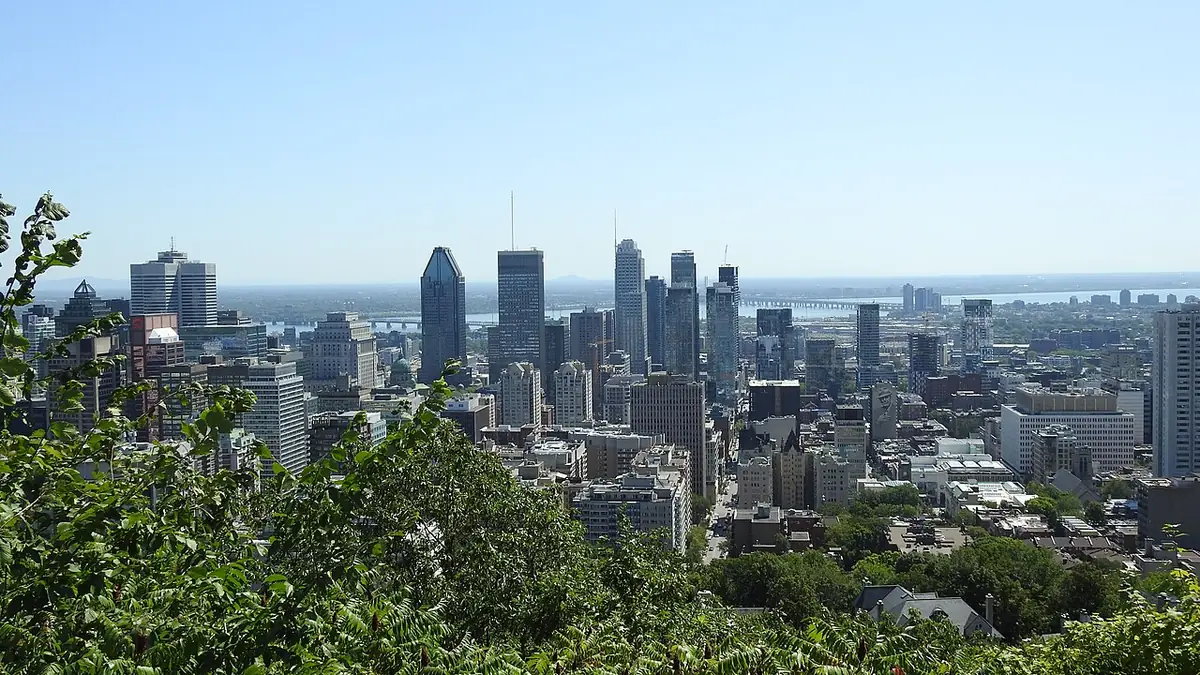
Belvédère Kondiaronk, Montréal in Street View: drag to look around.
Renting an apartment in Montréal means accepting an immediate, physical trade-off between the architectural charm of the city's triplexes and the sheer bite of the winter. Older buildings offer beautiful woodwork and generous ceiling heights, but they usually demand more attention to heating and insulation. Newer construction guarantees steady thermal comfort while changing your relationship to the street and the neighbourhood. Understanding that duality is what keeps the first November frost from turning into a disappointment, and it points you to the right kind of home for your own tolerance of the cold.
The character of an older triplex, with its outdoor spiral staircase and brick wallsvsInsulation that is sometimes poor and heating bills that are hard to predict in January
Homes built before the 1950s have a soul you will not find anywhere else, but they need strong radiators and careful management of draughts. The visual charm is often paid for in higher energy use and floors that creak.
The energy performance and the impeccable soundproofing of a modern towervsArchitectural sameness and a certain distance from traditional neighbourhood life
Choosing a recent building in Griffintown or near downtown gives you comfort without surprises and minimal upkeep. In return you give up the famous private entrance and the immediate closeness to life in the back lanes.
Heating included in the rent, as some leases in traditional buildings still arevsNo direct control over the temperature and full dependence on the central system
Plenty of landlords include heating in the rent, which simplifies the monthly budget. If the building sets the shared thermostat badly, though, you get either an uncontrollable furnace or a persistent chill.
Which part of Montréal actually matches the way you live?
Montréal is not one unified downtown but a mosaic of neighbourhoods with sharply drawn identities and very different amenities. Your choice of area decides not only your rent but also whether you can live without a car when the snow arrives. Between the cultural energy of the Plateau, the institutional density of Côte-des-Neiges and the reconverted industrial mix of Saint-Henri, every profile finds a particular balance. The task is to weigh up the journeys you will actually make, rather than defer to an area's surface reputation.
Plateau-Mont-Royal and Mile End
These areas concentrate dense street life, a great many independent cafes and bike lanes almost everywhere. You will find a high proportion of duplexes and triplexes with outdoor staircases, perfect for soaking up the Montréal atmosphere. In return, rents here are among the highest on the island and street parking in winter is an ordeal.
It is the ideal option if you put walking, public transport and immediate access to parks such as Laurier or Jeanne-Mance first. Be ready, though, for cramped apartments given the price, and for heavy rental demand when leases come up for renewal.
Sud-Ouest and Saint-Henri
Once a working-class district and now one of the most dynamic food and residential hubs in the city, the Sud-Ouest wins people over with its mix. Along the Lachine canal, former industrial buildings converted into lofts sit beside mid-sized new construction. Life here moves fast, oriented towards the waterside in summer and the nearby Marché Atwater.
The area suits young professionals and couples looking for somewhere current without the constant churn of downtown. Prices have risen sharply in recent years, putting this district among the most highly rated for renting a good apartment.
Notre-Dame-de-Grâce or Rosemont
These residential neighbourhoods land halfway between urban energy and the calm of the leafier suburbs. Streets lined with mature trees, well-regarded schools and easy access to the big parks make them highly sought after. Apartments here are often a little more spacious, sometimes including shared access to a back yard.
Daily life runs on local neighbourhood life, shops within walking distance and a well-structured public transport network. It is the usual choice for settling in for the long term without the permanent noise of downtown.
Renting in Montréal when you arrive from abroad: reading the local customs and duties
Moving to Montréal from another country comes with a rental culture shock that is regularly underestimated. Administrative practice, the guarantees landlords ask for and the single moving date upend the assumptions most newcomers bring with them. Understanding those differences before you start looking spares you a run of rejections and some serious financial surprises. The Quebec market follows tenant protection rules of its own, framed by the Tribunal administratif du logement, but it runs day to day on very pragmatic habits.
From abroad
The widespread habit of paying a security deposit worth one or two months' rent to cover damage
Montréal
The legal ban in Quebec on a landlord requiring a security deposit or a parental guarantee
The landlord may ask only for the first month's rent at signing. In exchange, your credit file is checked very rigorously and you may be asked for detailed employment or banking references.
From abroad
A signing and move-in date that can fall anywhere in the year, according to what suits you
Montréal
The massive concentration of leases and removals on the fixed date of 1 July
A large share of residential leases in Quebec end on 30 June. The search has to start in early spring, because competition for the right apartment peaks at that point in the year.
From abroad
A meticulous move-in inventory, drawn up as a detailed multi-page document or by a court officer
Montréal
A frequently informal approach to the inventory, which you complete with your own dated photographs
Because the law imposes no strict formality, you must document the exact condition of the home in writing and in pictures the moment you get the keys, to protect yourself against any later dispute.
From abroad
An occupancy tax paid by the resident and service charges billed separately from the base rent
Montréal
The municipal tax usually sitting inside the owner's property taxes, with electricity billed to you
You have to budget separately for your Hydro-Québec account, whose cost varies considerably with how thermally efficient your home is and how hard the Montréal winter turns out to be.
Which kind of Montréal neighbourhood fits your budget and your commute?
Choosing where to live in Montréal means working with the climate, the metro network and the island geography of the city. Central districts put you straight onto the orange and green lines, while outlying neighbourhoods give you more space for the same rent. To structure your search, it helps to compare area profiles by their real effect on your daily life, whether that means your commute or your weekends.
Downtown and the Quartier des Spectacles
Constant activity, glass towers, maximum access to the underground network (RESO) and a ceaseless flow of pedestrians.
Suits
Professionals working in the financial towers, university students and anyone who wants intense cultural nightlife.
Trade-off
Very high rent per square metre, sometimes cramped apartments and relatively little of the intimate residential neighbourhood feel.
The Plateau and Mile End
A pedestrian rhythm, lively green back lanes, cafe terraces packed at the first hint of sun and family parks.
Suits
Creative workers, year-round cyclists, and anyone after the traditional, warm Montréal way of life.
Trade-off
An ageing housing stock, high rents for modest floor areas and chronic parking difficulties.
Verdun and the riverside
The feel of an urban village in the middle of change, an exceptional riverside promenade and busy shopping streets such as rue Wellington.
Suits
Young families and anyone who wants quick access to the Saint-Laurent river while staying on the metro.
Trade-off
An older housing stock that needs checking carefully, and a transition that is still uneven from one micro-neighbourhood to the next.
What does renting an apartment in Montréal really cost?
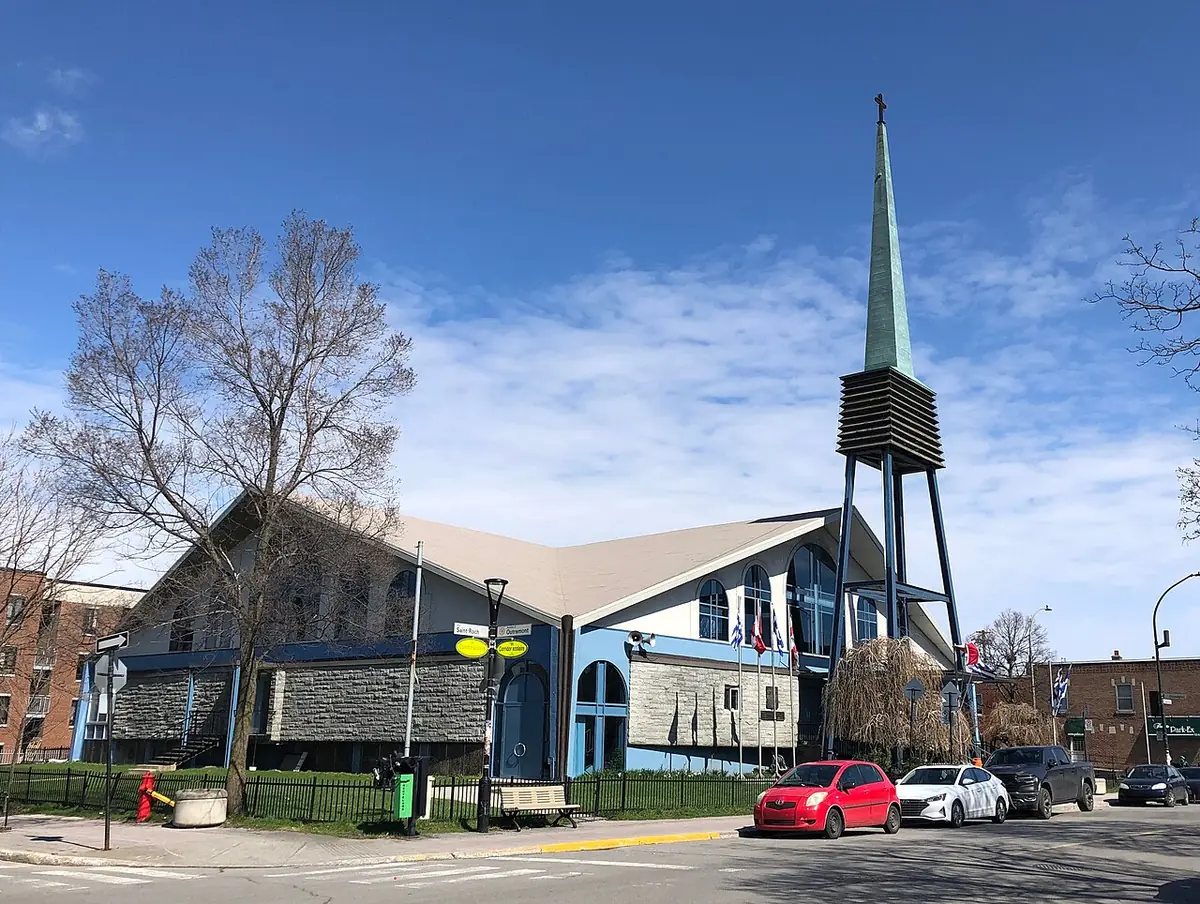
A striking church marks this Montreal street corner — Photo: LenMontreal · CC BY-SA 4.0 · Wikimedia Commons
The Montréal rental market has changed deeply, marked by a historically low vacancy rate and rising rents across every borough. Setting a realistic budget goes well beyond the headline rent posted on the listing sites. You have to fold in the unavoidable related costs, electricity and communications above all, which weigh heavily on a household's monthly budget. The ranges below reflect what the market shows for unfurnished, well-maintained homes.
montrealTo rentApartmentestimate
Median price / m²CA$23Half the apartments sell below this
Median priceCA$2kthe average is 14% higher — a few very large properties pull it up
Most common2 bedrooms42 % of listings
Average size82 m²
By number of bedrooms
Bedrooms
Share of market
Avg price
Price / m²
Avg size
1
35 %
CA$1.52k
CA$28 +17 %
55 m²
2most common
42 %
CA$1.97k
CA$24
82 m²
3
20 %
CA$2.51k
CA$23best value / m²
110 m²
4
3 %
CA$3.31k
CA$23best value / m²
145 m²
Each row is an average, compared against the area average of CA$24 / m². These are indicative estimates of a typical local market, not a measured sample of live listings. Check current listings before relying on them.
Rent a renovated older apartment, or go for recent construction?
The Montréal rental market sets two visions of city living against each other: modernised older stock and new residential towers. Each option has direct consequences for your comfort in winter, your energy budget and how far into neighbourhood life you get. Weighing up what each one structurally offers lets you decide according to your own priorities, personal and professional.
The renovated older triplex
These homes keep the architectural character people look for, with period hardwood floors, mouldings and often a through layout bathed in natural light. Recent renovations usually add a modern kitchen and an updated bathroom while preserving the historic shell of the building. You get life in the back lanes and an organic place in the social fabric of the neighbourhood.
What it changesYou have to accept sharper swings in temperature through the seasons, sound insulation between floors that is sometimes imperfect, and potentially higher electricity bills in a deep cold snap.
The recent residential tower
These buildings offer strong energy performance, rigorous soundproofing, lifts, a concierge service and often shared spaces such as a roof terrace or a gym. Predictable charges and the absence of technical nasty surprises in winter make for real comfort, particularly for newcomers meeting the Canadian climate for the first time.
What it changesYou pay a higher rent per square metre for a smaller home, in a standardised setting that can feel more impersonal and further from traditional Montréal neighbourhood life.
Checking the lease and the history: the golden rule before you commit
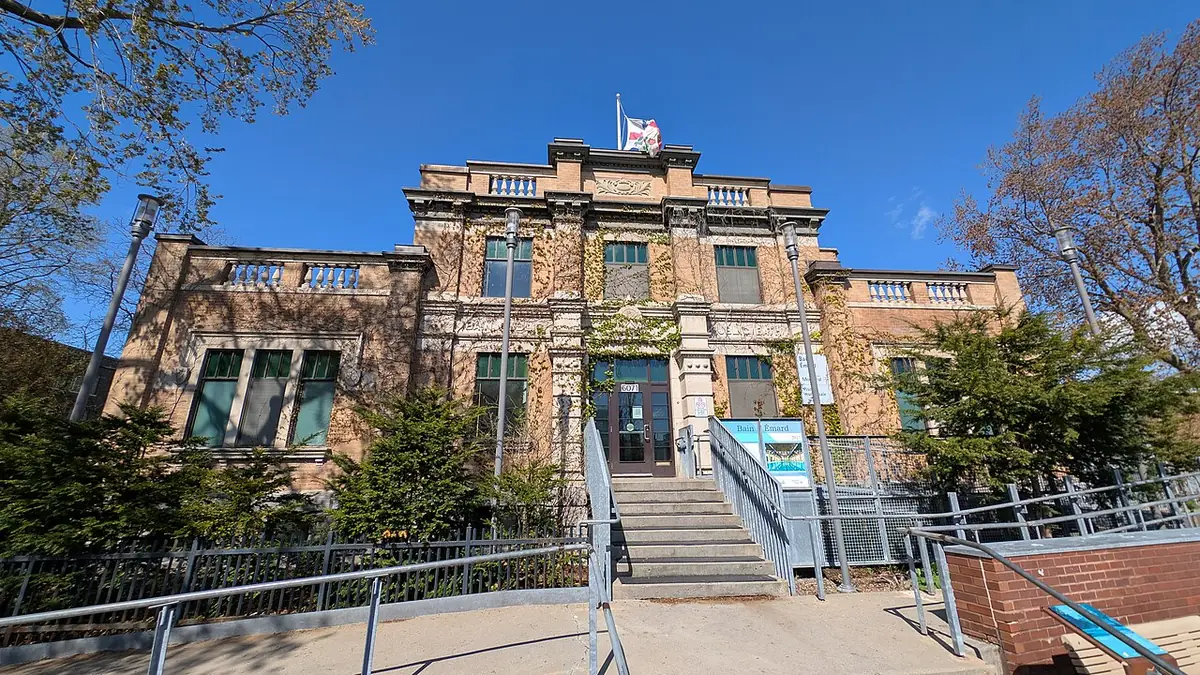
A heritage bathhouse anchoring this Sud-Ouest neighbourhood — Photo: Maxime Laterreur · CC BY 4.0 · Wikimedia Commons
The Quebec rental system gives a sitting tenant substantial protection through the Tribunal administratif du logement, but it makes the stage before signing especially demanding. Signing a bail commits both parties for a fixed term, usually one year and renewable, with no simple way for one side to walk away. So it is essential to run several factual checks on the landlord, on the true condition of the home and on the rent the previous occupant paid, to avoid an abusive increase.
You spot an apartment that matches your criteria and view it carefully.
Check the rent notice, or ask the landlord for the exact rent the previous tenant paid over the last twelve months.
Inspect the windows, look for double glazing and identify the heating system, so you can estimate your likely Hydro-Québec bill.
Read the specific clauses of the lease you are offered, particularly on building rules, pets and parking.
Make sure the landlord is the legal owner of the property or holds a formal management mandate.
You sign a lease that follows the rules of the Tribunal administratif du logement, with your mind at rest.
How renting an apartment in Montréal unfolds, from the search to the keys
Settling into a new apartment in Montréal follows a precise calendar, dictated by how strongly seasonal the local market is. Anticipating each stage lets you stay ahead of the competition and secure a good home without rushing. From browsing the listing platforms to the day you actually move in, here is the sequence to follow.
The prospective tenantSetting the budget and targeting neighbourhoodsWork out what you can afford overall, including the net rent and the electricity charges, then pick two or three boroughs that suit the way you live.
The prospective tenantWorking the listing platforms and viewing homesGo through the specialist sites and schedule viewings in person, or by video call if you are arriving from abroad, staying quick to react in a fast market.
The prospective tenantSubmitting the application and the credit checkSend in your proof of income and your references, and authorise the credit history check the landlord requires.
Both partiesSigning the official residential leaseFill in and sign the standard lease form of the Tribunal administratif du logement, reading the section on the previous rent with particular care.
The prospective tenantOpening the Hydro-Québec account and taking out home insuranceTransfer or open your electricity account and take out the tenant liability insurance required before your move-in date.
Both partiesInventory of condition and the official handover of keysInspect the home thoroughly, take time-stamped photographs of every room and collect your keys to get settled in.
Renting or buying in Montréal: which one actually serves you?
Once that basic choice is settled, it is worth looking closely at the money you need to settle into the city.
Deciding whether to keep renting or to buy an apartment in Montréal is not a simple comparison between a mortgage payment and a monthly rent. In a market where stock is scarce in central neighbourhoods such as Plateau-Mont-Royal, Rosemont or Ville-Marie, buying is a heavy structural commitment: the down payment, the municipal transfer duties often called the welcome tax, and condo fees that keep rising. Renting, by contrast, gives you real geographic and financial flexibility, and lets you keep a large part of your savings in investments that stay liquid rather than locked into Quebec bricks and mortar.
The long view still has to account for how property on the island of Montréal has appreciated, and for the protection ownership gives against rising housing costs. As a tenant you live with the annual increases the Tribunal administratif du logement recommends, and with the possibility that an owner repossesses the unit, whereas an owner has absolute residential stability, which matters for families and for established professionals. Quebec tax rules also exempt a principal residence from capital tax, which turns buying into an effective form of forced saving for people who struggle to put money aside every month.
So the choice comes down above all to your time horizon and your appetite for looking after a building. If you expect to stay less than five years in the same Montréal home, the costs of buying and selling will almost always cancel out any gain in value, and renting is plainly the more rational course. If your roots in the city run beyond a decade, the equity you build up mathematically outweighs the rent you would otherwise pay, and it hands you full control over where and how you live.
What monthly and one-off budget do you need to live comfortably in a Montréal apartment?
Once the budget is under control, it helps to picture an ordinary day, to see what your future life here would really feel like.
Building a realistic budget for living in Montréal means going well beyond the rent posted on a listing. You have to fold in every unavoidable expense that shapes life here, from the Hydro-Québec bill to the condo charges that sit behind your rent and the cost of getting around. The market data shows that fixed costs weigh heavily on disposable income, particularly in the sought-after parts of the island where demand structurally outstrips supply.
Estimated monthly costs for an apartment in Montréal
Cost line
Studio / 3 1/2
Large 4 1/2 or 5 1/2
Budget note
Average rent
$1,300 - $1,600
$1,900 - $2,500
Varies a great deal with insulation and how close you are to a metro station.
Electricity (Hydro-Québec)
$60 - $90
$110 - $180
A sharp peak in January and February because of electric heating.
Condo charges, where the unit sits in a condo building
$200 - $350
$350 - $650
Billed by the syndicat de copropriete to the owner, covering the common areas and the contingency fund, and reflected in the rent you are quoted.
Transport (STM plus extras)
$100 - $150
$100 - $250
A monthly STM pass combined with shared transport options.
The amounts shown reflect the averages observed across the island of Montréal for homes that meet acceptable standards of habitability.
Upfront costs of moving into a Montréal rental
Type of cost
Estimated amount
Effect on your move
First month's rent, due at signing
$1,300 - $2,500
This is the only payment a Quebec landlord may require: no security deposit and no parental guarantee.
Opening your Hydro-Québec account
$60 - $180 per month
Set it up before your move-in date; the upper end reflects January and February heating in a larger home.
Transit pass and moving-day travel
$100 - $250
An STM monthly pass plus shared transport options, from your first month on the island.
Rebuilt from the rent-side figures given elsewhere on this page: the underlying table listed purchase closing costs, which do not apply to a tenant.
What does an ordinary Tuesday look like for someone living in Montréal?
Street art brings colour to this Montreal façade — Photo: Maxime Laterreur · CC BY 4.0 · Wikimedia Commons
Beyond that well-oiled routine, a good deal escapes an ordinary apartment viewing.
The rhythm of a weekday in Montréal is shaped by the climate, the public transport network and the vitality of the central neighbourhoods. Between the morning trip on the Société de transport de Montréal network and a lunch break in the local shops, every part of the day reveals the practical realities of the city. Following that sequence tells you precisely how well your way of life fits the local geography.
07:30The apartment you set out fromWaking up and checking the forecast to work out how many layers to wear, particularly during a deep winter cold snap.
08:15The local metro stationThe commute downtown on the underground network, often very busy at the morning peak.
09:00The office or workspaceArriving at your desk, whether it sits in the business district or in a neighbourhood coworking space.
12:30A cafe or a back lane nearbyA quick lunch break in a bakery or an independent cafe, a good moment to enjoy neighbourhood life.
17:30The main shopping streetA strategic stop at a deli or a local supermarket to finish the shopping for dinner on the way home.
19:00Home in MontréalTime to unwind, deal with the household chores and get tomorrow ready in peace.
What nobody mentions spontaneously when they show you an apartment
Those hidden traps lead straight to the regrets people voice after a few months in the home.
The Montréal housing market has features that appear on no brochure and in no agency listing. From the way condo buildings are run to the sound insulation in the oldest triplexes, several things decide what your home will actually be like to live in over the medium term. Ignoring those invisible factors exposes newcomers to serious financial and personal trouble.
The contingency fund of the condo building
Quebec law now requires rigorous maintenance studies for condo buildings. Where the fund is thin, repairs to the roof or the brickwork arrive late and cost the owner a large special assessment, and that pressure reaches a tenant through deferred work and the rent asked at renewal.
Sound insulation in wooden floors
Typical Montréal construction often has beautiful period wooden floors that are also extremely thin, which makes the footsteps of the neighbours above you very audible day to day.
The municipal snow clearing policy
Street parking in winter is a contact sport governed by strict snow clearing operations. Failing to move your vehicle in time means a hefty fine and an immediate tow.
The age and condition of the plumbing stacks
In buildings put up before the 1980s, sewer backups and worn lead or damaged copper water lines are the worst source of trouble, and the slowest thing to get fixed once you live there.
The lease clauses on pets
Even though clauses banning pets in residential leases are often contested, they create lasting tension with the landlord or the syndicat de copropriete from the day you move in.
The misjudgements people bitterly regret six months after moving in
Given those documented risks, it matters just as much to be clear about who this move does not suit at all.
Looked likeA charming, bright apartment with magnificent old woodwork in the middle of a fashionable neighbourhood.
Turned outAn energy sieve with permanent draughts in winter and eye-watering electricity bills through the coldest weeks.
Would have caught itAsking for the last twelve months of Hydro-Québec bills before you sign, and checking the insulation on the casement windows.
Looked likeAn exceptional location, a couple of steps from lively streets and busy bars.
Turned outNights constantly broken by noise from terraces, early morning delivery trucks and unrelenting activity after dark.
Would have caught itViewing the place on a Thursday or a Saturday evening to judge the real noise level for yourself.
Looked likeA flat in a building run by the residents themselves, with strikingly low monthly charges.
Turned outNo financial reserves at all for emergencies, and deep disagreements between neighbours about maintaining the building.
Would have caught itAsking the landlord how the building is managed and who gets called when the heating or the roof fails, before you sign anything.
Looked likeA green, quiet residential street with direct access to the main roads across the island.
Turned outA formidable trap clogged with through traffic at peak hours, and no chance of ever parking near home.
Would have caught itTesting how long parking takes on a weekday evening and watching how local traffic behaves at the critical hours.
Who should not be renting an apartment in Montréal at all?
Now is the moment to pull all these threads together and make your decision clearly.
Montréal's appeal should not obscure the fact that apartment and condo living does not suit everyone. Some professional, family or personal requirements collide directly with the compromises that dense city living entails. Recognising those incompatibilities early spares you a heavy financial commitment followed by a hasty and expensive exit from the city.
Owners of large dogs and dedicated gardeners
→Rent a single-family house in the suburbs or further out.
The absence of private outdoor space and the building rules on large animals turn daily life into a series of frustrations that are hard to manage.
Self-employed people on unusual hours who need a noisy workshop
→Rent a commercial unit or a detached loft in an industrial zone.
Strict building rules on noise and nuisance make creative or craft work at home almost impossible without conflict.
Committed drivers who depend entirely on a personal vehicle
→Look to the north or south rings of the metropolitan region.
The cost of indoor parking, the scarcity of street spaces and the complexity of Montréal traffic turn daily driving into a financial and mental burden.
So, are you really ready to take the step and settle in Montréal?
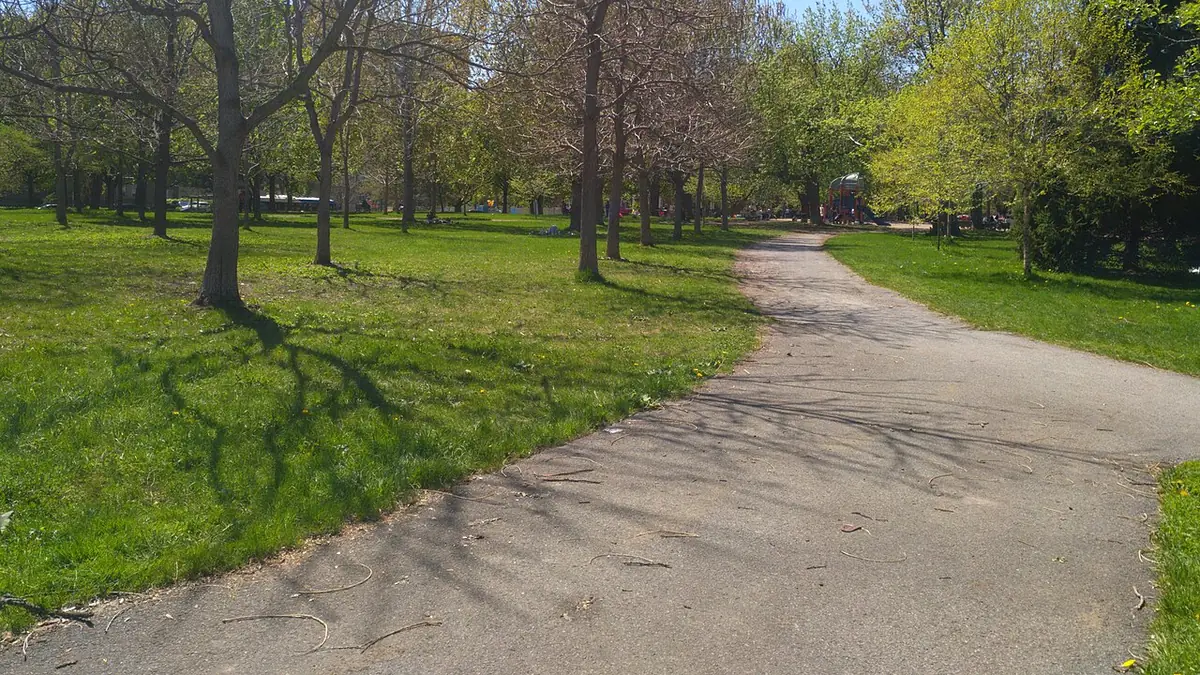
A shaded path for an easy walk in a Montreal park — Photo: Ptaff · CC0 · Wikimedia Commons
Renting an apartment in Montréal asks you to marry a set of deeply personal hopes with cool financial clarity. The city offers an exceptional place to live, culturally rich and carrying an energy unlike anywhere else in North America, but it demands real compromises on space, budget and material comfort. If you have accepted that every neighbourhood has its own balance, and that the perfect home does not exist, you already have what it takes to make the move work.
Take the time to revisit your priorities in the light of what this guide has set out: a rigorous assessment of what you can genuinely afford, the hidden costs of heating and of the building itself, and a fine-grained reading of how the local market behaves. If your plans point towards medium-term stability, and you value immediate access to neighbourhood life over raw floor area, your approach is solid and well considered. All that remains is to define the area you will search in and to start viewing.
Related questions
Is it easy to find an apartment to rent in Montréal outside the 1 July period?
The Montréal rental market has historically been built around 1 July, the date on which most leases end. Finding a home outside that window is entirely possible, but the available inventory is usually thinner, which can narrow your options on neighbourhood or floor area.
What can a Montréal landlord legally ask for when you sign a lease?
A landlord in Quebec may ask for the first month's rent and nothing more: security deposits and parental guarantees are not allowed. In exchange, landlords look very closely at your credit file and sometimes ask for detailed employment or banking references before they hand over the keys.
How do the rent increases framed by the Tribunal administratif du logement work?
The Tribunal administratif du logement publishes calculation guidance each year to help landlords and tenants negotiate rent adjustments. Those indicative percentages take account of changes in municipal taxes, insurance premiums and major maintenance work carried out on the building.
Do you need to inspect an apartment carefully before signing a lease in Montréal?
Nothing in the law obliges you to bring in a professional, but a careful inspection of the unit is an unavoidable step. Look closely at the windows and whether they are double glazed, at the heating system, and at any sign of water damage or ageing plumbing, because those are what decide your comfort and your bills once you have signed.
Which Montréal neighbourhoods are most sought after for a first rented apartment?
Areas such as Plateau-Mont-Royal, Rosemont-La Petite-Patrie, Villeray and Verdun are among the most contested, thanks to their lively street life and their easy access to the public transport network. That same appeal means strong competition when leases come up for renewal, so plan your search early.
What is the real impact of electric heating on a Montréal tenant's budget?
Heating is a very large budget line through the Quebec winter, when temperatures sit below freezing for long stretches. Taking a poorly insulated apartment, or one heated electrically without a smart thermostat, can add considerably to your monthly Hydro-Québec bills.
Can you negotiate the advertised rent on a Montréal apartment?
How much room you have depends directly on market conditions and on the balance between supply and demand. When the market is tight and apartments go within days, the margin is minimal, whereas a slower market leaves a tenant noticeably more latitude.
Does it change anything if the apartment you rent sits inside a condo building?
It does, because the building's own rules reach you through your lease. Decisions taken by the syndicat de copropriete on common areas, pets, parking and major works shape what you may and may not do as a tenant, so read those clauses before you sign rather than after you move in.
How does street parking work in Montréal during the winter season?
The city manages winter parking with dedicated signs and an alert system for snow clearing operations. Residents have to move their vehicle when instructed, or face steep tickets and see the car towed to a municipal pound.
Which documents should you check before signing a lease for an apartment?
Go through the lease itself clause by clause, including the building rules, the sections on pets and parking, and the entry stating the rent the previous tenant paid. Confirm as well that the person signing is the legal owner of the unit or holds a formal management mandate.
Property review of ting
No ting properties in Montreal yet
Be the first — share it on ting and it shows up right here.