Buying an apartment in Montréal calls for a clear grasp of how co-ownership works locally, of what separates one neighbourhood from the next, and of the legal rigour Quebec applies to property transfers. This independent guide unpacks the realities of the Montréal market so you can protect a long-term property investment.
Get the app
What nobody tells you.
Real prices, hidden costs and the traps to check before you commit.
What buying an apartment in Montréal actually means day to day
Scroll
What buying an apartment in Montréal actually means day to day
Buying an apartment in Montréal calls for a clear grasp of how co-ownership works locally, of what separates one neighbourhood from the next, and of the legal rigour Quebec applies to property transfers. This independent guide unpacks the realities of the Montréal market so you can protect a long-term property investment.
Written by the ting.ad editorial team ·
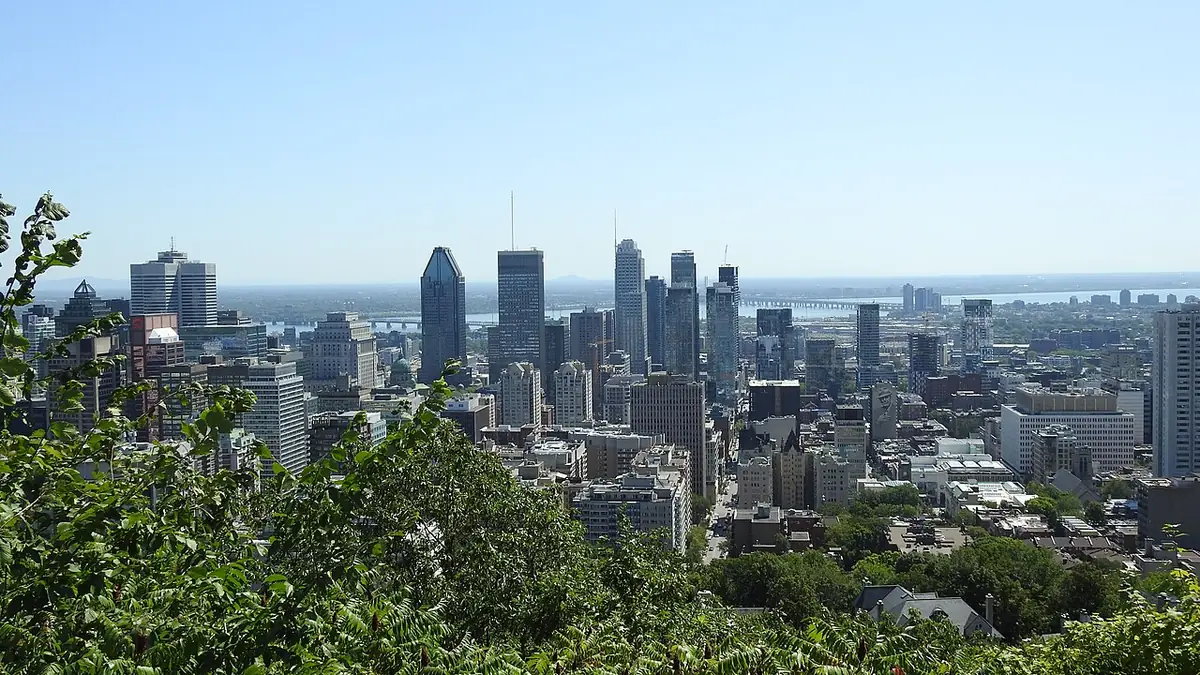
Belvédère Kondiaronk, Montréal in Street View: drag to look around.
Before you start hunting for a property, it is worth measuring your own buyer profile against the realities on the ground in Montréal.
Buying an apartment in Montréal is not simply a matter of signing a notarial deed or working out a down payment. Behind the postcard image of a dynamic, multicultural metropolis sits a demanding property market, governed by specific ownership rules and shaped by a climate that redefines how living space is used. Between divided and undivided co-ownership, the harshness of the winters and the quirks of local planning, a buyer has to weigh promised returns against the reality of maintenance obligations. Understanding that gap between the postcard and the day-to-day management of a property is the first essential step towards protecting your capital and avoiding financial disappointment a few years in.
The myth of a quick, simple purchasevsThe reality of a heavily regulated and competitive market
The apparent fluidity of the listings hides strict requirements on financing, on reviewing the co-ownership minutes and on the pre-purchase inspection, all of which demand considerable analysis time before any firm offer.
The promise of urban life with no outdoor choresvsThe need to budget for energy costs and heavy maintenance
Owning an apartment in Montréal means facing severe winters, where the heating bill and the upkeep of the common areas weigh heavily on a household's annual budget.
The illusion that Montréal bricks and mortar sell instantlyvsInterest rate cycles and the specific character of sought-after neighbourhoods
Not every district reacts the same way to economic shifts. A property that is badly located, or poorly run within its co-ownership, can prove hard to resell quickly without a significant discount.
Which kind of buyer are you, measured against what the Montréal market demands?
To gauge properly what lies ahead, it helps to set the instincts you arrive with against the practices that actually apply on this side of the Atlantic.
Not every buyer starts with the same resources or the same expectations when setting out to buy an apartment in Montréal. Whether you are arriving from abroad with reference points formed elsewhere, looking for an urban base you use part of the year, or trying to put down lasting roots with a family, the selection criteria are unforgiving. Misjudging your own habits will steer you towards an unsuitable property, whether the problem turns out to be sound insulation, access to public transport or the handling of outdoor space. This framework helps you place your real needs against the kinds of property the city actually offers.
The newcomer arriving from overseas
Your first priority is to get to grips with a legal and financial system that is entirely new to you, above all the distinction between divided and undivided co-ownership. Be wary of falling for the looks of a hundred-year-old building whose contingency fund is underfunded. Take the time to have a local professional audit the maintenance logbook and the minutes of the general meetings, so you are not hit with a heavy special assessment in your first year.
The investor or part-time owner
Your attention should go first to how flexible the co-ownership by-laws are about renting, and to how liquid the neighbourhood really is. Many buildings impose strict limits on short-term rentals, or tightly regulate pets and exterior alterations. Aim for districts well served by the metro and close to the universities or the main business hubs, so rental demand stays steady over time.
The long-term family buyer
Forget the small downtown units and favour residential neighbourhoods built to a human scale with genuine local life. The number of bedrooms, a private storage space for sports equipment and strollers, and proximity to schools and green space will all matter more than how modern the interior finishes look today. Check the sound insulation between floors as well, a critical point in Montréal construction.
What changes completely when you buy in Montréal from abroad
Once those reference points are in place, the central question becomes which part of the city you should be looking at.
Settling in and buying an apartment in Montréal while using only your home market as a reference is a reliable way to be caught out. The vocabulary changes, the legal guarantees differ, and the financial structure of a co-ownership rests on its own governance mechanisms. The condominium syndicate, for instance, does not have the administrative flexibility you may expect, and contingency funds are governed by very strict provincial law that any buyer needs to master before signing a promise to purchase. Here is a direct comparison to help you recalibrate and approach the transaction clearly.
From abroad
A tightly regulated, legally certified measurement of habitable floor area
Montréal
A gross or net floor area figure that is often approximate
Depending on when the building went up, the stated measurements sometimes include balconies or shared common space. Always insist on a recent certificate of location drawn up by a land surveyor, so you know the exact area and the legal boundaries.
From abroad
The absolute centrality of the historic core in older world cities
Montréal
The vital importance of being near a metro station and the main transit corridors
In Montréal, the value of an apartment is bound up with how easily you can reach public transport in winter. A poorly served property loses considerable resale value and makes daily journeys harder through the coldest months.
From abroad
Leases and rent increases governed by strict national housing law back home
Montréal
A framework overseen by the Tribunal administratif du logement, with its own dynamics
If you buy a tenanted property, or plan to let it out, you have to absorb the Quebec rules on rent increases and on repossessing a unit, which differ completely from what you are used to and demand real legal care.
From abroad
Condo charges smoothed out and handled by professional managing agents
Montréal
Management often carried out by the co-owners themselves in small buildings
Plenty of triplexes and quadruplexes converted to divided co-ownership run with no professional administrator at all. That means getting personally involved in the upkeep of the roof, the brickwork and the foundations.
Which Montréal neighbourhood suits the purchase you have in mind?
Knowing the neighbourhoods is one thing; putting a precise figure on what ownership in Montréal costs is another.
Montréal is a mosaic of neighbourhoods with strong identities, distinct rhythms of life and very uneven trajectories in property values. Where you buy depends not only on your starting budget but on which compromises you are willing to accept in each district, whether that is the cultural buzz of the Plateau, the residential calm of Notre-Dame-de-Grâce or the fast-changing energy of Griffintown. Every area imposes its own lifestyle, its own parking constraints and its own long-term prospects for capital growth. Weigh these options to line your purchase up with the way you actually live.
Le Plateau-Mont-Royal and Mile End
Constant cultural energy, streets lined with mature trees, walkable local life and a high density of independent shops.
Suits
Buyers after distinctive architectural character, a lively neighbourhood and parks and cafes on the doorstep.
Trade-off
Among the highest prices per square foot in the city, older housing that often needs a renovation budget, and street parking that is very hard to find.
Griffintown and the Sud-Ouest
A contemporary streetscape dominated by modern condominium towers along the Lachine Canal, with a fashionable food scene.
Suits
Young professionals and investors looking for recent buildings with built-in amenities such as roof terraces and gyms.
Trade-off
Condo fees that can run high, dense construction and a lack of mature greenery compared with the older neighbourhoods.
Rosemont-La Petite-Patrie
A careful balance of family neighbourhood life, green alleyways, busy public markets and well-used local parks.
Suits
Families and first-time buyers looking for the sweet spot between affordability, living space and genuine Montréal character.
Trade-off
Fierce competition on every purchase, an older housing stock that demands careful checks, and prices rising quickly.
Notre-Dame-de-Grâce (NDG) and neighbouring Westmount
Quiet residential streets, a strong anglophone presence, large trees and direct access to well-regarded schools.
Suits
Anyone who puts residential calm, safety, green space and quick routes to the west of the island first.
Trade-off
Relatively far from the historic downtown, property taxes that tend to stay high, and a more conservative resale market.
What does buying an apartment in Montréal really cost, district by district?
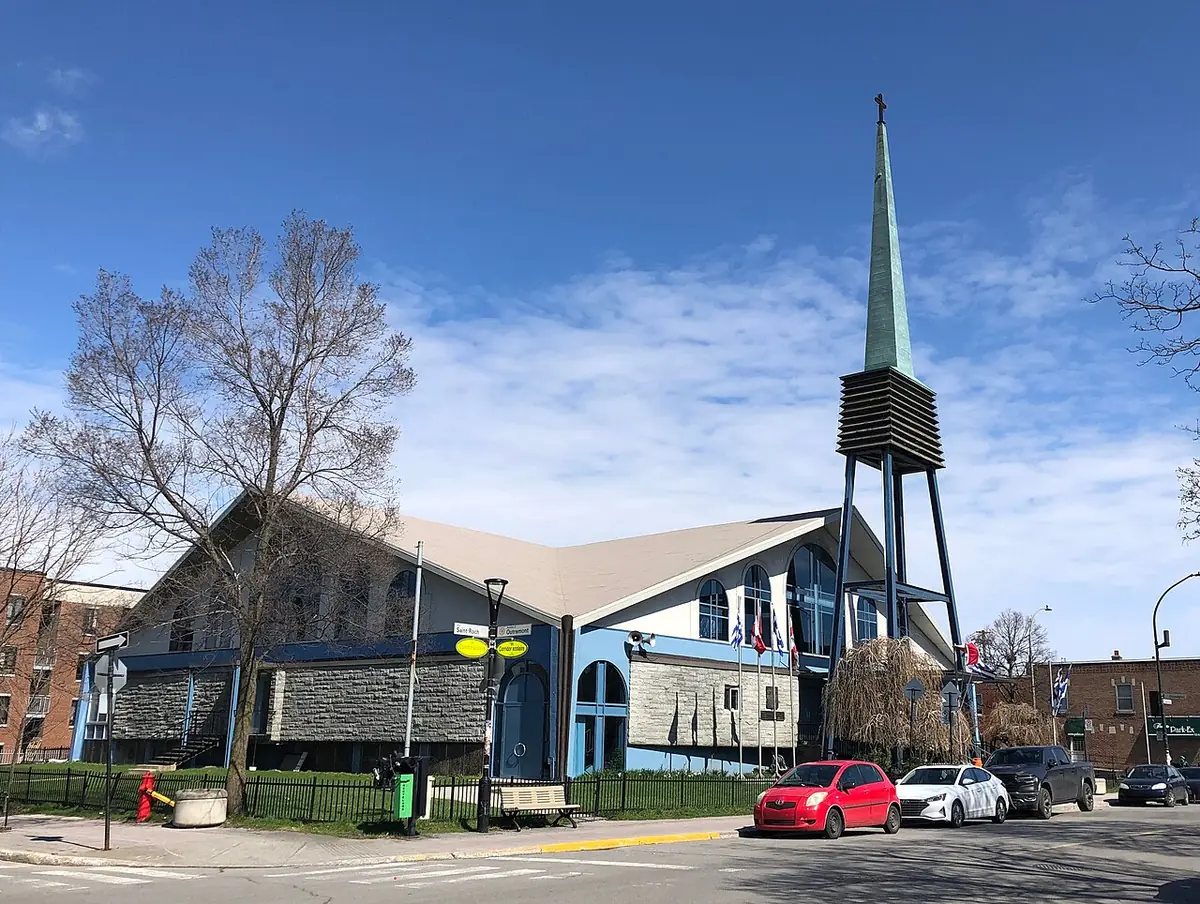
A striking church marks this Montreal street corner — Photo: LenMontreal · CC BY-SA 4.0 · Wikimedia Commons
Beyond the raw figures, the legal nature of the property you are about to buy deserves constant attention.
Budgeting for a property purchase in Montréal does not stop at the asking price. You have to build in the welcome tax (the land transfer duty), the notary's fees, the pre-purchase inspection, and the annual municipal and school taxes, which vary noticeably from one borough to the next. The Montréal market splits clearly between new condominiums from the large developers and the older stock of converted duplexes. The tables below pull together the price ranges observed, so you have a realistic basis for calculation and are not caught out when the time comes to make an offer.
montrealFor saleApartmentestimate
Median price / m²CA$5,035Half the apartments sell below this
Median priceCA$435kthe average is 14% higher — a few very large properties pull it up
Most common2 bedrooms42 % of listings
Average size82 m²
By number of bedrooms
Bedrooms
Share of market
Avg price
Price / m²
Avg size
1
35 %
CA$335k
CA$6,095 +15 %
55 m²
2most common
42 %
CA$435k
CA$5,300
82 m²
3
20 %
CA$554k
CA$5,035best value / m²
110 m²
4
3 %
CA$730k
CA$5,035best value / m²
145 m²
Each row is an average, compared against the area average of CA$5,300 / m². These are indicative estimates of a typical local market, not a measured sample of live listings. Check current listings before relying on them.
Divided or undivided co-ownership: what can you actually own in Montréal?
With the legal framework settled, the transaction itself is what now needs to be steered carefully.
This is one of the most common traps for uninformed buyers in Montréal: confusing divided co-ownership with undivided co-ownership. The first resembles what most people know from elsewhere, with its own cadastral lot and an individual mortgage; the second means holding an undivided share of the whole building under a binding indivision agreement. That technical distinction has direct consequences for how much you can borrow, which lender you can use and how freely you can resell later. Working through both models will spare you administrative dead ends when it comes time to finance the purchase.
Divided co-ownership (the safe standard)
You own your unit outright, with its own cadastral lot number and a share of the common portions. Banks lend readily against it and you control your own financing, subject to a minimum down payment of 5% to 20% depending on the amount. Management runs through a formal condominium syndicate with general meetings and minutes you can consult.
What it changesYou enjoy complete financial independence from your fellow owners when you resell or refinance, which protects your position over the long term.
Undivided co-ownership (the option with strict rules)
You buy a share of an entire building held jointly with other owners, often a traditional duplex or triplex. An indivision agreement sets out each party's rights and duties. Lenders generally require a larger down payment (frequently 20% minimum) and insist that all the co-owners use the same bank for the mortgage.
What it changesYou have to examine the financial strength of the group very carefully: if one co-owner defaults on property taxes or repairs, the standing of the whole building can be compromised.
The golden rule to understand before signing a promise to purchase in Montréal
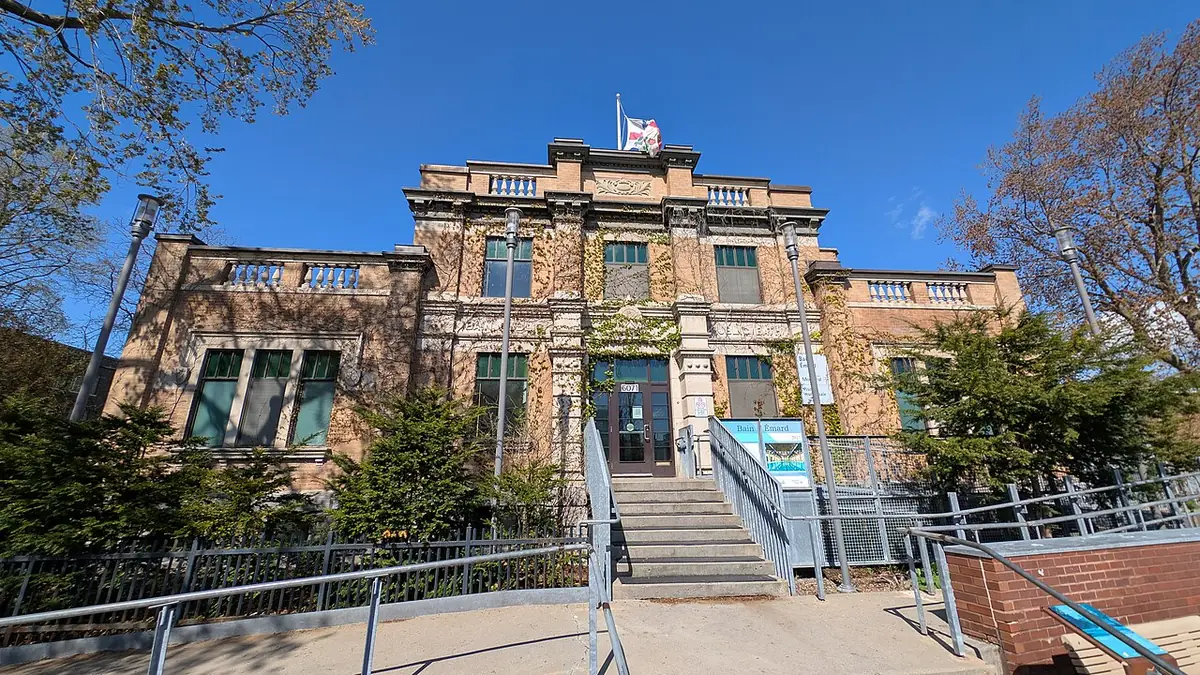
A heritage bathhouse anchoring this Sud-Ouest neighbourhood — Photo: Maxime Laterreur · CC BY 4.0 · Wikimedia Commons
To run all of this smoothly, it is worth looking at the roles and responsibilities of everyone involved.
In the Quebec property system, an accepted promise to purchase binds the parties far more firmly than people often assume. The moment the seller accepts your written offer, the clock starts on strict deadlines for lifting the suspensive conditions, in particular the pre-purchase inspection and the mortgage approval. Skipping one of those steps, or being slow to appoint a qualified inspector who belongs to a professional order, can cost you your deposit or tie you to a property with serious latent defects. This sequence sets out the critical path to follow through to completion.
Drafting the promise to purchase and checking the co-ownership's legal documents.
A thorough review of the maintenance logbook, the minutes of the last three years and the financial statements of the condominium syndicate.
Filing the promise to purchase with clear suspensive conditions covering the professional inspection and the lender's approval.
Appointing a certified building inspector to go over the structure, the roof, the plumbing and the thermal insulation of the unit.
Formally lifting the conditions within the strict deadlines set out in the contract, and transferring the funds to the acting notary.
Signing the final deed of sale at the notary's office and the official handover of the keys to your new home.
How a property transaction in Montréal unfolds, step by step
Follow that method rigorously and you have everything you need to settle in Montréal with confidence.
Getting a Montréal purchase right means coordinating several professionals whose roles are tightly defined by Quebec law. From the licensed real estate broker to the notary, by way of the building inspector and the chartered appraiser, each one protects a different facet of your investment. Unlike markets where those roles blur into one another, the Quebec system draws a clear line between brokerage advice and the drafting of legal deeds, which belongs exclusively to the notary. This chronological overview sets out what each party does, step by step.
The buyer's real estate brokerFinding and shortlisting propertiesThey guide the active search, analyse comparable sales in the neighbourhood and draft the promise to purchase in a way that protects your financial interests.
The building inspectorTechnical audit and expert reportThey examine the physical condition of the unit and the building in detail, flagging urgent repairs to plan for and any signs of potential latent defects.
The lender or the mortgage brokerConfirming you can afford itThey assess your financial file, confirm mortgage approval and make sure the amount borrowed respects the prudential ratios in force.
The condominium syndicate or its administratorHanding over the financial statementsThey supply the management documents, the minutes and the contingency fund certificate that show how financially healthy and well maintained the building is.
The Quebec notaryDrafting the deed and closing the file legallyAn impartial public officer, the notary carries out the title searches, drafts the deed of sale, holds the funds in trust and formalises the transfer of ownership.
House or apartment in Montréal: weighing a roof of your own against co-ownership
Choosing between a condominium apartment and a single-family house in Montréal commits you to far more than a certain amount of floor area. The Montréal market shows a sharp split between central neighbourhoods such as Le Plateau-Mont-Royal or Griffintown, largely dominated by condominiums, and the more residential parts of the island or the inner suburbs, where the detached house remains the norm. A buyer has to weigh the purchase price against the long-term maintenance responsibilities that fall to the owner under each legal structure.
With an apartment, co-ownership spreads the major risks but imposes a strict collective framework. The monthly condo fees are a form of forced saving, and an essential one, because they fund the contingency fund and the self-insurance fund that Quebec law makes compulsory. That administrative structure can also generate friction between owners, particularly when votes come up on major roof or masonry work in heritage buildings that are often a century old. A condo owner buys operational peace of mind at the cost of full decision-making autonomy.
Going the other way and choosing a single-family house in Montréal, whether in Ahuntsic, Mercier or a nearby suburb such as Laval or Longueuil, removes the decision-making intermediaries but shifts the entire maintenance burden onto the occupant. Quebec winters test foundations, roofs and heating systems hard. Clearing snow from the driveway, watching for spring water infiltration and redoing the window caulking are not simple chores but budget and time commitments that have to be built into daily life.
The financial trade-off also depends on your investment horizon and your tolerance for liquidity risk. Apartments generally resell faster in Montréal, thanks to strong demand from young professionals and investors, while single-family houses offer steadier long-term appreciation of the land value. Thinking honestly about how you live now, and how you expect to live later, is what prevents the classic mistake of buying a property that does not suit the climate and the logistics of the city.
What budget do you really need to settle in Montréal for the long term?
Setting a realistic budget for buying an apartment in Montréal means looking well past the price written on the promise to purchase. Between the land transfer duty collected by the municipality, known locally as the welcome tax, the notary's fees and the local property taxes, the opening bill has several unavoidable line items. On top of that, the energy costs that come with hard winters and the condo fees have a lasting effect on how much a household can save each month.
Upfront and acquisition costs for an apartment in Montréal
Cost item
Estimated amount or formula
Effect on the budget
Land transfer duty (welcome tax)
Roughly 1.5% to 2.5% of the property value
Payable in a single instalment in the months after the transaction closes at the notary's office.
Legal and notarial fees
Between $1,500 and $2,500 CAD
Covers the title search, the drafting of the deed of sale and the registration in the land register.
Pre-purchase inspection
Between $600 and $1,000 CAD
Essential for spotting latent defects or imminent co-ownership works.
Chartered appraisal (if the lender requires one)
Between $400 and $700 CAD
Used to confirm the property's real market value before the mortgage is granted.
These amounts come on top of the down payment and have to be settled when the deed of sale is signed.
Recurring monthly costs of ownership
Cost category
Range observed (Montréal)
What is included and what makes it vary
Co-ownership charges (condo fees)
$250 to $600 CAD per month
Varies with floor area, the age of the building and whether there is a lift or a garage.
Municipal and school property taxes
$2,500 to $5,000 CAD per year
Set by the City of Montréal's property assessment and by the borough.
Electricity and heating (Hydro-Québec)
$100 to $250 CAD per month
Higher from December to March, because electric heating is very widespread in Quebec.
Home insurance (co-owner's policy)
$40 to $80 CAD per month
Covers personal belongings and the compulsory civil liability cover for damage to third parties.
Condo fees tend to rise steadily as buildings adjust to the requirements of the compulsory maintenance logbooks.
What daily life actually looks like for an owner living in Montréal
Street art brings colour to this Montreal façade — Photo: Maxime Laterreur · CC BY 4.0 · Wikimedia Commons
Living in a Montréal apartment sets a rhythm dictated by the transit network, by how close local services are and by the swings of the seasons. From dealing with the morning snow clearing to commuting by metro or bike, each part of the day shows the balance between lively city life and the logistical organisation you need to make the most of the city.
07:30Residential neighbourhood (Rosemont, for example)Waking up and checking the street signs for alternate-side parking, a municipal rule that matters enormously when the snow ploughs come through in winter.
08:30Local metro stationThe walk to a green or orange line station, the single factor that does most to sustain the value of the apartment you bought.
09:00Downtown or an employment hubArriving at the office after a journey smoothed by the STM underground network, avoiding the major bottlenecks on the bridges.
12:30Local shopping streetLunch at a neighbourhood business, which shows the advantage of the so-called 15-minute districts where everything is within walking distance.
18:00Grocery shop and local servicesA quick stop at a fruit shop or a local supermarket before heading back up to the condominium building.
20:00Condominium buildingTime to relax at home, with one eye on the notices from the condominium syndicate about the annual general meeting.
The invisible things sales brochures never mention
Behind the polished professional photography and the superlatives in a broker's description sit technical and administrative realities that only careful analysis will bring out. In Montréal, the average age of the housing stock and the complexity of municipal by-laws call for particular vigilance on details that first-time buyers routinely miss.
The real financial health of the condominium syndicate
A co-ownership with unusually low condo fees is often one that has not been contributing enough to the contingency fund. That reliably translates into a hefty special assessment landing on the new owners as soon as the first big repair comes due.
The city's strict street parking rules
Owning an apartment without private parking means dealing with neighbourhood permits and overnight winter parking bans. Ignoring those by-laws brings repeated fines and the hassle of retrieving a towed car.
The quality of sound insulation between floors
Many Montréal buildings that were converted or put up quickly have poor floor-to-floor soundproofing. Living under noisy neighbours can turn a comfortable apartment into a constant source of stress.
The history of municipal zoning changes
The borough can amend the planning rules to allow taller construction nearby, radically changing the view, the daylight and the future value of your investment.
The classic traps people regret six months after moving in
Looked likeA charming, light-filled apartment in a fashionable district full of cultural energy.
Turned outA source of unbearable night-time noise at weekends, thanks to the bars and terraces nearby.
Would have caught itWalking the noisiest streets of the neighbourhood at midnight on a Friday before signing the final promise to purchase.
Looked likeVery economical condo fees that kept the monthly budget comfortably light.
Turned outA complete absence of financial reserves in the building, producing a $12,000 bill to redo the roof six months later.
Would have caught itInsisting that a specialist inspector or an accountant review the last three years of financial statements.
Looked likeAn ideal location a step away from a major artery served by buses and the metro.
Turned outConstant vibration and a rail or road din that went unnoticed during the brief first viewing.
Would have caught itAsking the current occupants or the immediate neighbours for an honest account of noise levels at peak times.
Looked likeEnough indoor storage for all the seasonal ski and cycling gear.
Turned outA damp, unsecured storage locker in the basement, making it impossible to keep anything of value there.
Would have caught itPhysically inspecting the assigned storage unit and checking that it is dry and that its door is solid.
Buyer profiles who should rethink a purchase in Montréal
Owning property in Montréal is neither an end in itself nor a financial obligation. With interest rates moving and prices high, certain buyer profiles expose themselves to disproportionate financial or practical risk by rushing into the market without adequate preparation.
The mobile worker or short-term expatriate
→Postponing the purchase and renting flexibly instead
The upfront transaction costs (notary, land transfer duty, resale commission) need a holding period of at least five years to be absorbed without a net capital loss.
The household with too thin a safety cushion
→Building up cash reserves before entering the market
An unexpected co-ownership event (a special assessment) or an emergency repair can suffocate a budget with no buffer worth several months of running costs.
The buyer still unsure about their future lifestyle
→Renting in different neighbourhoods before committing
Buying an apartment in a district that does not fit your daily life leaves you facing a resale that is heavy and expensive in both time and money.
The decision, in summary: are you really ready to own in Montréal?
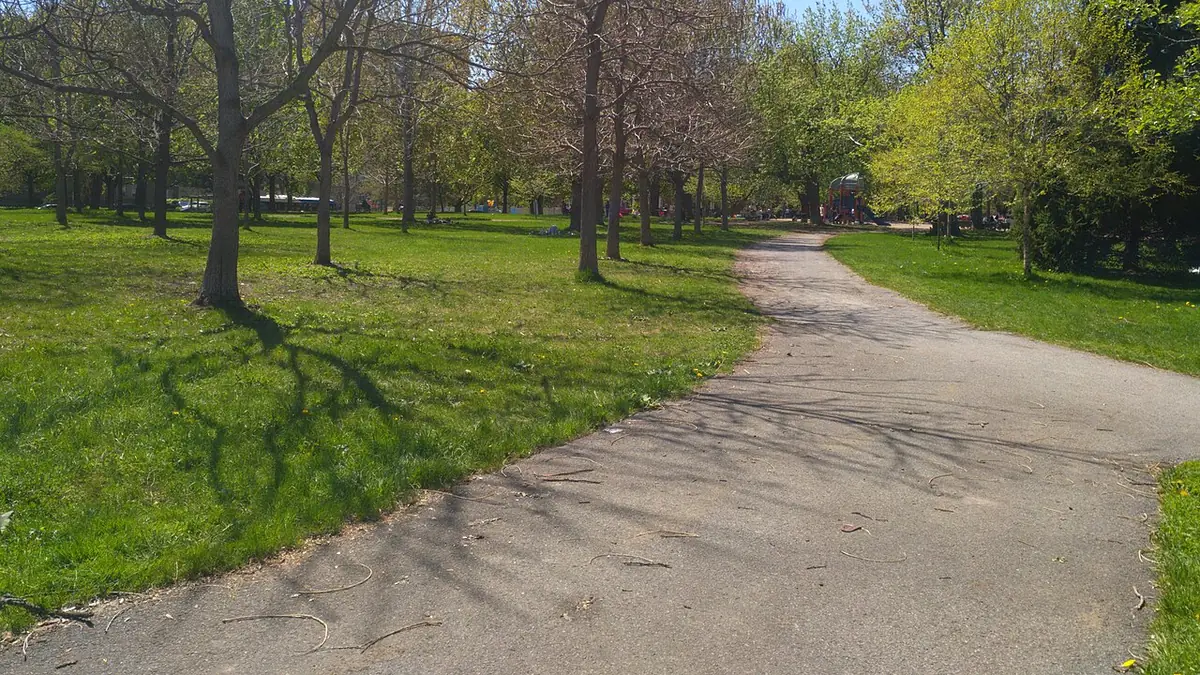
A shaded path for an easy walk in a Montreal park — Photo: Ptaff · CC0 · Wikimedia Commons
Deciding to buy an apartment in Montréal means separating the emotional pull of a place you have fallen for from the cold rigour of the numbers. The Montréal market offers remarkable opportunities to anyone who can read its architectural, regulatory and climatic particularities. If you have verified the financial health of the condominium syndicate, factored in every hidden cost and accepted the logistical constraints of urban life in winter, you have what you need for a purchase that will last.
A successful purchase in this city rests on clear-sightedness. Accepting that no property is perfect lets you negotiate calmly and avoid the traps of latent defects or a budget that was never properly built. Your future home should not be a permanent source of stress but a stable base that supports your plans while protecting your purchasing power against long-term property inflation.
Take the time to read every legal document the seller provides, go through the minutes of past co-owners' meetings and talk to the residents of the building. Those precautions are simple but rigorous, and they turn an uncertain process into a controlled acquisition strategy. When reason and enthusiasm finally line up, you are ready to sign the notarial deed with confidence.
Related questions
What extra costs should I budget for when buying a condo in Montréal?
Budget for the land transfer duty, known locally as the welcome tax, which is calculated on market value; the notary's fees for the deed of sale; a pre-purchase inspection by a certified professional; and the pro-rated adjustments for property taxes and condo fees at the closing date.
Is a building inspection compulsory before buying an apartment?
Technically it is optional, but a pre-purchase inspection is strongly recommended and is a standard suspensive condition in any promise to purchase in Quebec. It reveals the condition of the co-ownership, the roof, the foundations and the electrical systems, so there are no unpleasant surprises.
How do property taxes work for an apartment in Montréal?
Municipal and school taxes are based on the official property assessment set by the City of Montréal. They vary by borough and are payable in several instalments a year by whoever is listed as owner on the assessment roll.
What is a contingency fund in a Quebec co-ownership?
The contingency fund is a compulsory cash reserve built up by the condominium syndicate and used exclusively to pay for major replacement and repair work on the common portions, such as the roof, the central heating system or the exterior cladding.
Why does a building's maintenance logbook matter so much?
The maintenance logbook is a compulsory technical document that records the work already carried out and schedules future interventions on the building. It is the clearest way to judge how rigorously the co-ownership is being administered.
Is street parking easy if you own an apartment in Montréal?
Street parking depends heavily on the borough and on whether a resident permit system is in place. In winter, snow clearing operations impose strict rules about moving vehicles, and cars left in place can be towed.
How long does a property transaction in Montréal usually take?
Between an accepted promise to purchase and the final signing of the deed of sale at the notary's office, expect roughly 60 to 90 days. That window covers the inspections, securing the mortgage financing and the title search.
What is a special assessment in a co-ownership?
A special assessment is an extraordinary amount demanded from every co-owner, on top of the regular monthly fees, when the contingency fund is not large enough to pay for urgent or unforeseen major work on the building.
How does the severity of winter affect the upkeep of a Montréal home?
Montréal winters put a building through repeated freeze and thaw cycles. That calls for closer monitoring of water infiltration through the roof and the balconies, and for a heating system that performs well and is properly sealed.
Is it better to buy near a metro station in Montréal?
Buying close to an STM metro station gives you quick access to downtown without the constraints of road traffic, and it also delivers excellent liquidity and better value retention when you come to resell.
Property review of ting
No ting properties in Montreal yet
Be the first — share it on ting and it shows up right here.