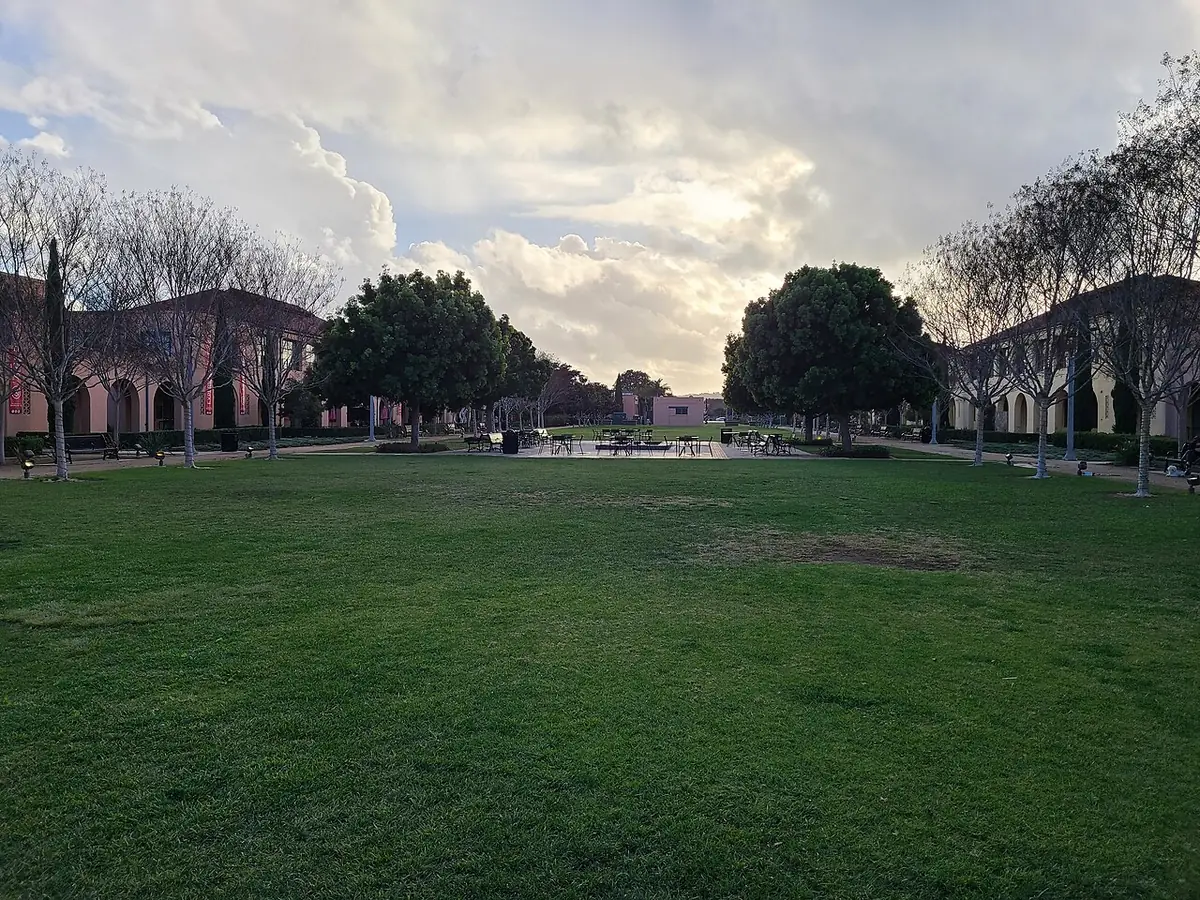
Renting a house in San Diego calls for a clear-eyed reading of the local property market, of California's cultural particularities and of the transport constraints that shape daily life. This guide walks you through structuring the decision step by step, identifying the areas that suit how you live, and settling in with full transparency.
Get the app
What nobody tells you.
Real prices, hidden costs and the traps to check before you commit.
What renting a house in San Diego really changes about daily life
Scroll
What renting a house in San Diego really changes about daily life
Renting a house in San Diego calls for a clear-eyed reading of the local property market, of California's cultural particularities and of the transport constraints that shape daily life. This guide walks you through structuring the decision step by step, identifying the areas that suit how you live, and settling in with full transparency.
Written by the ting.ad editorial team ·
San Diego in Street View: drag to look around.
To settle between these options, you first have to look at how your own profile fits into the fabric of the city.
Renting a house in San Diego is not simply a matter of enjoying sunshine all year. Between the reality of the daily commute on major freeway corridors such as Interstate 5 and the business of running a home in neighborhoods with sharply contrasting rhythms, choosing a way of life here means starting from realistic foundations. You have to weigh the extra living space and the yard against the upkeep they demand and the costs that come with sitting close to the ocean. Tenants discover quickly that floor area is paid for dearly, especially if you want to step back from urban noise while staying connected to the region's employment centers. That tension shapes the whole residential rental market in the county.
The space and independence of a detached housevsThe upkeep obligations and the high running costs of the tenancy
Having outdoor space and no shared walls brings undeniable comfort, but it also means handling irrigation, keeping the grounds in order and carrying an energy bill that is usually heavier month to month.
Being minutes from the beaches and the sought-after coastlinevsTraffic saturation and the scarcity of parking
Settling a few minutes from the ocean exposes you to heavy traffic flows at peak hours and to constant difficulty parking your vehicles, turning the simplest errands into tests of patience.
The residential calm of the eastern hillsvsDistance from the activity centers and from services
Gaining quiet and square meters inevitably translates into longer journeys to reach the business districts, the schools and the cultural infrastructure of the metro area.
Does this place really match the way you live now?
That collision between what you expect and what you find on the ground echoes loudest when you compare this way of life with the one you are leaving behind.
Every kind of tenant approaches the San Diego property market with specific priorities that completely reshape the financial and geographic equation. Whether you arrive as a family with school-age children, as a couple working remotely for international employers, or in the middle of a career transition, the fit between how you live and the neighborhood you choose decides whether the move works. Different groups react differently to local constraints, whether the driver is the search for strong schools or the need for fast access to the main transport corridors. Working through these situations helps you avoid the common disappointments that come from not knowing how things work in California.
Priority on school neighborhoods and safe open space
Families generally favor the residential areas of the northern suburbs or the inland hills, for well-regarded school districts and a quiet setting. Renting a house there guarantees private yards and neighborhood parks, but it means accepting longer journeys into the city center. You have to build those trips into your daily organization, because congestion around the large school campuses at peak hours is a fact of life you have to plan around.
Looking for an inspiring setting and a reliable connection
For professionals splitting their time between the office and home, the quality of the working environment comes first. Renting a house with a dedicated room or a properly set up outdoor space transforms the experience of remote work in California. You do need to check the quality of the digital infrastructure area by area, though, because some older residential neighborhoods have weaker service than new developments or dense urban districts.
Looking for single-story living and nearby healthcare
Tenants who want to enjoy mild weather all year tend toward coastal areas or easy single-story homes. Quick access to first-rate health facilities and the ability to get around on foot are decisive criteria in the choice of property. Even though rents there are particularly high, the gain in quality of life and day-to-day wellbeing justifies the outlay for many households.
Living here when you arrive from abroad: what fundamentally changes
Mission Valley's mid-rise buildings, framed by hills and highway — Photo: Blervis · CC0 · Wikimedia Commons
Once those bearings are in place, the central question becomes which part of the metro area to choose.
Settling in California after living abroad means unlearning certain habits around housing and how a city is organized. The American rental system, the structure of the contracts and the layout of the homes rest on legal and cultural logics that sit a long way from what many newcomers know. From how financial guarantees are handled to the daily use of a car as the only realistic means of transport, every detail of settling in undergoes a radical shift. Understanding these mechanisms in advance saves you from misjudging properties during viewings and from misreading negotiations with landlords or property managers.
From abroad
A rental market tightly framed by protective national law
San Diego
A decentralized contractual framework governed by the law of the State of California
The rules on ending a tenancy, the conditions for adjusting rent and the requirements around financial standing all differ markedly, obliging you to examine every clause of the lease with greater legal care.
From abroad
Dense city centers where everything is done on foot or by public transport
San Diego
A spread-out urban form where a car is indispensable for even the shortest trip
Your choice of house must factor in proximity to freeway access and the presence of a garage or private parking, or daily life becomes a series of major constraints.
From abroad
Kitchens often fitted out and rooms partitioned off from one another
San Diego
Open-plan living areas with appliances systematically included
The interior is organized around sociability and large volumes opening onto the outdoors, which changes how you furnish and how you entertain.
From abroad
Selection criteria based on personal guarantors and permanent employment contracts
San Diego
An application judged on the local credit score and on gross income
Arriving from abroad without a local banking history, you will often have to supply substantial alternative financial guarantees to reassure the landlord.
Which neighborhood should you settle into in the region?
That geographic overview leads straight to the question of the real costs you need to anticipate to make the move happen.
San Diego is a mosaic of neighborhoods with strongly marked identities, running from coastal energy to the green calm of the inland valleys. Each area strikes its own balance between distance to the beaches, access to employment centers and the feel of the neighborhood. To choose well, it is not enough to look at the postcards; you have to examine real journey times, the kinds of homes actually available to rent and the profile of the local communities. Working through this methodically helps you target precisely the areas that match your budget and your ambitions.
La Jolla and the northern coastline
A spectacular natural setting paced by ochre cliffs and the bustle of smart beaches, with an atmosphere that is both relaxed and upmarket.
Suits
Tenants with a comfortable budget who want an exceptional landscape setting and immediate proximity to the Pacific Ocean.
Trade-off
Rents among the highest in the region, and dense tourist traffic on summer weekends that makes getting around harder.
North Park and the central neighborhoods
A creative, fashionable, artistic urban atmosphere, where streets lined with independent cafes and murals encourage neighborhood life.
Suits
Working professionals and couples without children who value cultural activity, nightlife and the ability to go out on foot from their front door.
Trade-off
A smaller share of detached houses relative to apartment buildings, which makes such properties rare and heavily contested when they come to market.
The inland communities to the east (Poway, Rancho Bernardo)
A green, restful residential haven, marked by larger lots, big parks and a strong sense of safety.
Suits
Families looking for generous living space, tree-lined lots and the calm of a suburban setting away from urban bustle.
Trade-off
Longer daily journeys, and more spent on fuel, to reach central San Diego or the coastal areas during working hours.
What does renting a house in this area really cost?
A landmark corner in San Diego's historic Gaslamp Quarter — Photo: Roman Eugeniusz · CC BY-SA 3.0 · Wikimedia Commons
Beyond the purely financial side, the structure of local property ownership deserves close attention if you want to understand your rights.
The San Diego rental market reflects the economic and climatic pull of Southern California, with high price levels that call for rigorous financial planning. Monthly rents vary considerably with proximity to the sea, floor area and the quality of what the property offers. Beyond the headline rent, a tenant has to build into the forecast the additional running costs, the security deposits allowed under California law and the effect of energy use across the year. This table sets out the orders of magnitude observed in the current residential market.
san-diegoTo rentHouseestimate
Median price / m²US$26Half the apartments sell below this
Median priceUS$4.36kthe average is 14% higher — a few very large properties pull it up
Most common2 bedrooms68 % of listings
Average size161 m²
By number of bedrooms
Bedrooms
Share of market
Avg price
Price / m²
Avg size
2most common
68 %
US$4.5k
US$27
166 m²
3
27 %
US$5.56k
US$25 −7 %
219 m²
4
5 %
US$6.82k
US$24best value / m²
280 m²
Each row is an average, compared against the area average of US$27 / m². These are indicative estimates of a typical local market, not a measured sample of live listings. Check current listings before relying on them.
What you can actually hold and sign as a tenant
To keep the process safe all the way to signature, one fundamental rule applies when money changes hands.
The legal system governing residential letting in California grants landlords precise prerogatives while protecting the fundamental rights of occupants. Understanding exactly what you are committing to will spare you the disputes that commonly arise at renewal or when you hand the property back. Between the standardized clauses framing rent increases and the maintenance duties falling on each party, signing a lease is not a simple exchange of signatures. It is a formal agreement whose every line weighs heavily on your peace of mind for as long as you live in the home.
The protective framework around a residential tenant
California law strictly frames the grounds on which a landlord may end a lease, and it caps the annual percentage increase in rent on eligible properties. That gives you medium-term visibility over your housing budget and protects you against arbitrary eviction practices.
What it changesYou benefit from a welcome legal stability, provided you scrupulously meet your own obligations on payment and on routine upkeep of the property.
The strict responsibilities for maintaining the property
A tenant has a legal obligation to keep the property clean and in good order and to report any structural damage immediately to the landlord or the property manager. Minor repairs and the upkeep of outdoor space generally fall to the occupant under the precise terms of the agreement.
What it changesMisreading the maintenance clauses can lead to substantial deductions from your security deposit when you move out.
The rule to understand before you hand over any money
A grand green promenade at Liberty Station — Photo: Alan Islas · CC BY-SA 4.0 · Wikimedia Commons
With those precautions taken, the practical side of the transaction unfolds on a well-established timetable.
Haste is the sworn enemy of a tenant moving into a new region like San Diego, where a tight market sometimes pushes people into rushed decisions. Before transferring funds or signing a firm commitment, a rigorous verification process is essential to confirm that the offer is genuine and that the property is in the state described. Fake listing scams do exist, and hidden defects tied to damp or to aging installations can quickly turn daily life into a financial nightmare. This chain of logical steps marks out your route and protects every dollar you put into the move.
You spot a listing for a house to rent that matches your search criteria on location and budget.
Insist on viewing the property in person, yourself or through a trusted representative on the ground, and refuse to pay anything at all before that viewing.
Verify the identity of the landlord or of the licensed real estate agency by checking the official professional registers for the State of California.
Read the entire lease carefully, paying particular attention to the clauses on utilities and running costs, on pets and on the conditions for moving out.
Carry out a meticulous move-in inspection, photographing every existing defect so nothing can be disputed when you eventually leave.
You make the first rent payment and pay the lawful security deposit securely into the designated escrow account, with complete peace of mind.
How a rental transaction unfolds, step by step
Following this method step by step turns your plan to settle here into a considered and thoroughly protected decision.
Settling successfully into a rental in San Diego means following a precise sequence, from assembling your application through to collecting the keys to your new house. Every party in the chain, from the prospective tenant to the property manager and the landlord, plays a defined role in making the transition go smoothly. Knowing how it unfolds lets you anticipate the administrative delays, in particular the checks on your financial background and the insurance you are required to take out. This operational timetable guides you through the phases of getting settled.
The prospective tenantAssembling and submitting the complete applicationGather your proof of income, your banking references and your translated identity documents to demonstrate your financial standing to the managers.
The agency or the landlordCredit and background screeningThe manager reviews your application, verifies your sources of income and assesses your risk profile against the criteria in use in the state.
The prospective tenantConfirming the lease terms and signing electronicallyYou reread every paragraph of the lease, negotiate any sticking points and confirm the agreement with a secure electronic signature.
The prospective tenantTaking out the required renters insuranceYou put in place a renters insurance policy meeting the landlord's requirements before the official start date of the lease.
The property managerCarrying out the move-in inspection and handing over the keysYou walk the whole house, record every detail on the official form and collect the keys so you can move in.
Renting a house in San Diego: is it really the right choice for your family?
Now that the distinction between a house and an apartment is drawn, let us look at the financial reality of renting here.
Choosing to rent a detached house in San Diego is a substantial financial and logistical commitment, and it deserves to be examined beyond the first rush of enthusiasm over how a place looks. The residential neighborhoods of this California metro area offer a way of life radically different from urban condominium buildings or apartment complexes. Between managing outdoor space, keeping up yards that are often subject to strict watering restrictions and finding a balance between quiet and accessibility, every tenant has to weigh the pros and cons pragmatically. The geography of the city, spread between the ocean and the hills, sharpens the importance of that choice for your daily life.
Living in a detached house in San Diego means, concretely, having private space, often an enclosed garage, and an independence from immediate neighbors that you do not get in an apartment. That is a considerable advantage for families with children or for pet owners, who make the most of the region's sunshine. This independence has a direct cost, however, and it is not limited to the monthly rent advertised on the listing platforms. The cost of cooling larger volumes, the water used to keep green space alive and responsibility for small repairs often fall to the occupants under California leases.
Conversely, choosing an apartment in lively neighborhoods such as Hillcrest or North Park removes the burden of outdoor upkeep while putting residents within walking distance of urban amenities, cafes and transport. Complexes generally have shared pools and gyms whose upkeep is pooled among the owners. The fundamental question therefore comes down to your tolerance for urban noise, your need for raw space and the exact make-up of your household. A couple without children will do well in a well-located apartment, while a family will quickly start looking for the quiet of a residential street of houses.
Reading the local rental market shows that single-family houses are becoming scarce in the sought-after coastal areas such as La Jolla or Pacific Beach, pushing renters toward more inland areas such as Clairemont or Allied Gardens. That geographic shift means longer journeys to reach the employment centers downtown or in Sorrento Valley. You have to accept trading part of your free time for extra livable square meters and a greener setting. The final decision therefore rests entirely on your tolerance for congestion on Interstate 8 and on how deeply you are attached to a classic California way of life.
In the end, renting a house in San Diego should not be seen as a simple staging post before buying, but as a way of life in its own right. The constraints of the California property market demand real financial flexibility and heightened vigilance when the lease is signed. By understanding from the outset what this residential choice actually implies, you will avoid post-move disillusion and get the most quality of life out of this magnificent but demanding region.
What monthly budget do you really need to rent and live in a house in San Diego?
With the budget under control, it is essential to understand how daily life actually works in this metro area.
Building a forecast budget for renting a house in San Diego means going well beyond the headline monthly rent quoted by agencies. Unavoidable spending on energy, on required insurance and on local charges adds significantly to the overall bill. Seasonal swings in electricity use, in particular because of air conditioning through the hottest months, play a decisive part in the household's financial balance. Planning rigorously for these lines of spending makes for a calm move with no unpleasant surprises in the first months.
Fixed and variable monthly spending for a rented house in San Diego
Spending line
Estimated range (USD)
Analytical comment
Monthly rent (3-bedroom house)
$3,200 - $4,800
The figure varies considerably with proximity to the coast and the general condition of the property.
Electricity and gas (SDG&E)
$200 - $450
San Diego Gas & Electric charges some of the highest rates in the country, especially in summer.
Water and sewer
$80 - $150
The bill depends on whether there is a lawn to water and on the municipal restrictions in force.
Renters insurance
$25 - $50
Generally required by California landlords, with a minimum level of liability cover.
Broadband internet and services
$70 - $110
Standard fiber or cable packages from the major providers present in the region.
These figures assume a standard household and can fluctuate with the exact location and the thermal insulation of the rented property.
Additional costs and reserves for the upkeep of a single-family house
Type of cost
Average amount (USD)
Practical implication for the tenant
Regular yard upkeep
$100 - $250
Often the tenant's responsibility unless the lease says otherwise in explicit terms.
Trash collection and recycling
Included, or $40 - $60
Depends on the exact municipality and on the status of the association or the neighborhood.
Reserve fund for small repairs
$150 - $300
Needed to cover the minor fixes that the landlord does not pay for.
Never overlook these indirect costs, which make up a far from negligible share of a household's annual budget.
What does an ordinary Tuesday between work, schools and getting around actually look like in San Diego?
Hillside homes above the bay, a classic San Diego view — Photo: A Guy Named Nyal · CC BY-SA 2.0 · Wikimedia Commons
Behind this idyllic facade and this well-oiled routine lie realities that letting agents often leave unmentioned.
Getting a feel for the rhythm of life in San Diego means watching a typical day unfold, paced by traffic and by school hours. The California way of life, relaxed as its reputation suggests, is strongly structured by car use and by the relative distance between residential areas and places of work. Every stage of the day highlights how much a strategic location matters in cutting the time spent travelling. Here is the chronicle of an ordinary Tuesday for a household settled in a house in the residential suburbs.
07:00Residential neighborhood (for example Clairemont)Waking up in the house, getting ready and watching the light come up slowly, in the way typical of California coastal mornings often veiled in haze.
08:00Public or charter schoolDropping the children off by car outside the neighborhood school, a ritual defined by the crush of parents and the scramble for parking.
08:45On the freeway (Interstate 5 or 805)Threading through dense commuter traffic toward the employment areas of UTC, Downtown or Sorrento Valley.
12:30Lunch break in the business districtA moment to breathe outdoors, making the most of the constant sunshine and the local healthy fast-food options.
17:30Local shopping (Trader Joe's or Sprouts)A strategic stop on the way home for the fresh and organic produce that is central to the local way of life.
19:00Home again and family timeMaking the most of the private outdoor space or the yard to close the day quietly, away from the bustle of the central city.
What hidden details do San Diego rental listings deliberately leave out?
These hidden surprises lead straight to the regrets tenants most often voice six months after moving in.
The San Diego rental market has its own unwritten codes and technical particularities that the polished photographs in listings never reveal. Between summer climate constraints, rigorous association rules and the true state of the infrastructure, transparency is often lacking. Discovering these subtleties after the lease is signed can turn a California dream into a daily source of frustration. It is therefore essential to question landlords on these precise points before committing to anything.
The systematic absence of central air conditioning in older construction
Many houses from the 1960s or 1970s have only ceiling fans or noisy wall units, which makes summer heat waves particularly hard to bear inland.
The severe restrictions on watering lawns
Because of chronic drought in California, municipalities impose strict water quotas, which means keeping a lawn properly green can prove extremely expensive or attract fines.
Unsuspected aircraft noise
Several large residential neighborhoods sit under the approach paths for San Diego International Airport or close to military bases, producing frequent and noisy overflights.
The strict rules of HOAs (Homeowners Associations)
If the rented house is part of an association-managed subdivision, you will have to submit to fussy rules about the color of your curtains, parking on the street and exterior decoration.
Morning damp and the June Gloom phenomenon
Through May and June, coastal mornings are consistently wrapped in a thick, damp greyness that catches out newcomers who expected permanent sunshine.
Which misjudgements do people bitterly regret six months after moving in?
These mistakes lead naturally to the crucial question: is this way of life really for everyone?
Looked likeA charming house set apart in the hills with a commanding panoramic view over the Pacific and the surrounding canyons.
Turned outA logistical trap, with winding roads saturated at peak hours and heightened exposure to brush fire risk during Santa Ana episodes.
Would have caught itAlways check the city's natural hazard planning maps and test the real journey time at critical hours on a weekday.
Looked likeAn attractive rent for generous living space in a green outlying neighborhood on the rise.
Turned outAn exorbitant electricity bill caused by poor thermal insulation and the need to run power-hungry portable air conditioners constantly.
Would have caught itAsk to see the last twelve months of electricity bills from the landlord or the utility before committing to the application.
Looked likeThe promise of a quiet, family neighborhood, ideal for raising children well away from the noise of the city center.
Turned outAn awkward coexistence, because of ultra-restrictive street parking rules and neighbors intolerant of the slightest evening noise.
Would have caught itVisit the neighborhood at different times of day, in particular in the evening and at weekends, to judge the real atmosphere and how tight parking is.
Looked likeA flexible lease with no long-term commitment, leaving room to change area easily if it did not work out.
Turned outRigid exit conditions with significant financial penalties, in a rental market so tight that finding somewhere else quickly is almost impossible.
Would have caught itRead every early-termination clause carefully and negotiate clear conditions from the moment the agency first drafts the lease.
Which tenants exactly should give up on renting a house in San Diego?
It is time now to draw these threads together and work out whether you are genuinely ready to take the step.
Moving into a house in San Diego is not a universal solution, and it can prove entirely unsuited to certain ways of living or working. The financial discipline required, combined with the upkeep obligations and the distances involved, demands a particular profile to thrive. Recognizing a structural mismatch at the outset avoids wasted spending and hurried moves. Here are the profiles for whom this housing option is a plain mistake.
The professional on a fluctuating remote schedule who wants total geographic flexibility
→A long-term lease on an out-of-the-way house with a private yard.
The constraints of a lease with a one-year minimum, combined with the fixed costs of upkeep and the work of running a large property, curb the freedom of movement that digital nomads and mobile consultants are looking for.
The young professional with no car of their own working in the heart of Downtown
→A large single-family house out in the outlying residential suburbs, of the El Cajon or Chula Vista kind.
The lack of fast, well-structured public transport makes the daily journey into the core of the city extremely complicated and time-consuming, and wholly dependent on a car.
The household on a tight budget with no emergency savings at all
→To rent a detached house with high energy costs and significant tenant upkeep responsibilities.
The smallest equipment breakdown, an unforeseen rise in electricity rates or the obligation to maintain outdoor space can throw an already stretched family budget off balance overnight.
So, are you genuinely ready to rent a house in San Diego?
A relaxed shopping street at Liberty Station — Photo: Alan Islas · CC BY-SA 4.0 · Wikimedia Commons
Making the final decision to rent a house in San Diego calls for complete honesty with yourself about your financial, professional and personal priorities. Between the undeniable charm of the California climate and the economic reality of local costs, the balance is delicate but entirely achievable for a household that prepares. If you have accepted that constant sunshine is earned through a disciplined budget and active management of your daily life, then the move makes full sense.
The months spent analyzing the market, comparing the neighborhoods of the metro area and anticipating hidden costs are the best defense against post-move disillusion. A house in San Diego is not simply a roof: it is a setting that amplifies your habits, for better and for worse. If your household is ready to invest in the upkeep of a larger living space and to accept the unwritten rules of the local community, the experience will prove deeply rewarding and memorable.
It is now up to you to review your finances, to confirm your firm criteria on location with everyone in your household, and to contact landlords or well-regarded agencies to begin the search. Never give in to haste in the face of a tight California rental market. Take the time to view, to question and to verify every technical detail raised in this guide, so that you begin your new life in San Diego on sound and lasting foundations.
Related questions
What is the average rent for a house in San Diego?
Monthly rent on a single-family house in San Diego generally runs between $3,200 and $4,800 depending on floor area, the number of bedrooms and, above all, how close the property sits to the ocean or to the busiest employment centers.
Is renters insurance compulsory when you lease in California?
In practice, yes: almost every landlord and property manager requires a renters insurance policy carrying liability cover to be in force before the keys to the home are handed over.
How do electricity bills work with SDG&E in San Diego?
San Diego Gas & Electric applies tiered rates that step up with usage, along with complex peak and off-peak periods. Bills can climb sharply in summer because of heavy air conditioning use in the inland areas.
Which neighborhoods are most sought after for renting a house with children?
Residential areas such as Clairemont, Carmel Valley and Allied Gardens are particularly prized for the quality of their public schools, their neighborhood parks and their reassuring family atmosphere.
Is it easy to find a rental that accepts pets?
Many houses accept dogs and cats, but landlords almost always ask for an additional pet deposit and sometimes for a monthly surcharge on the rent (pet rent).
What is the June Gloom phenomenon in San Diego?
It is a persistent morning cloud layer that sits along the California coast through May and June, holding back full sunshine often until the middle of the afternoon.
Should you expect to pay for yard upkeep as a tenant?
In the large majority of single-family house leases in California, routine yard care (mowing, watering, weeding) falls explicitly to the tenant, both financially and practically.
What is a homeowners association, or HOA?
A Homeowners Association manages the common areas of certain subdivisions or condominium developments. It imposes strict rules on the exterior appearance of houses and on parking, and it collects monthly dues.
What documents should you prepare for a strong rental application?
Agencies generally require recent proof of income covering at least three times the rent, bank statements, references from previous landlords and a credit report showing your credit score.
Can you negotiate the rent advertised in a listing?
In San Diego's very tight market, there is extremely little room to negotiate on quality properties. It remains conceivable if the home has sat vacant for several weeks or if your financial profile is exceptional.