

Tilal Al Ghaf has spent the last few years becoming one of the most referenced communities in Dubai real estate conversations — and for good reason. Majid Al Futtaim has built something genuinely different here: a 70,000 sqm crystal lagoon ringed by white-sand beaches at the centre of a master-planned villa community that doesn't feel like an afterthought. The hype is mostly warranted, though the price tag has moved significantly since launch.
The vibe
The community is anchored by Lagoon Al Ghaf — a crystal-clear recreational lagoon where residents kayak, paddleboard, swim, and wakeboard year-round. Four hundred metres of private beach surrounds it. The 18-kilometre walking and cycling trail that loops through the masterplan has become a genuine social artery where you see residents out at any hour of the day. It's resort living in the truest sense, but with the permanence and community feel of a real neighbourhood rather than a hotel.
The architecture across sub-communities like Harmony, Elan, Plagette, and Serenity is modern and considered — clean lines, warm materials, generous plot sizes. Green space covers a significant portion of the masterplan, and the overall density is low. This is a community built around outdoor life, which works brilliantly for about nine months of the year and requires air-conditioned alternatives in the peak summer months.
Property and rents
Prices have moved sharply since the community launched. The verified data shows an average price of approximately AED 12.98 million, with a range from AED 2.6 million to AED 104.3 million. The lower end captures three-bedroom townhouses; the upper end reflects ultra-premium villa plots with lagoon frontage. Average annual rent runs around AED 281,000.
Market data shows prices increasing around 16% year-on-year through 2025, reaching approximately AED 2,000 per square foot. That's significant appreciation, but it also means entry prices have shifted considerably. Townhouses that launched around AED 1.3–1.8 million now trade closer to AED 2.8–3.2 million. Villas that launched at AED 3.5–4.5 million now sit at AED 5.5–7.5 million depending on position and lagoon proximity. If you're buying now, you're paying for a community that has already proven itself — not betting on one that hasn't.
Gross rental yields typically range between 5.2% and 5.6% — healthy for a villa community, and supported by genuine demand from families who want lagoon access but can't afford to buy.
Getting around
Tilal Al Ghaf sits off Hessa Street in Al Hebiah, which connects to Sheikh Mohammed Bin Zayed Road (E311) and the broader Dubai highway network. There is no metro connection. Residents rely on cars, and commute times to Downtown Dubai or Business Bay run around 25–35 minutes in decent traffic — longer in rush hour. The location is broadly comparable to other established Dubailand communities in terms of commute profile.
Within the community, the scale of the masterplan means getting from one end to the other on foot is a proper walk, but the cycling infrastructure makes internal movement practical. The Distrikt retail and entertainment hub — with a supermarket, shops, and dining — is part of the masterplan and addresses daily convenience within the community.
Schools and education
The Royal Grammar School Guildford Dubai operates within the community, offering a British curriculum from early years through secondary. Having a reputable school embedded in the community is a significant differentiator and a meaningful driver of family demand — parents can walk or cycle their children to school, which is genuinely rare in Dubai's villa communities. Other international schools are accessible within a 10–20 minute drive.
Who it suits
Tilal Al Ghaf is built for family buyers who want outdoor living, lagoon access, and school proximity wrapped in a premium package. The sweet spot buyer is a family of four or more with children who want to grow up cycling to school and swimming in the lagoon. It also attracts fitness-conscious couples and remote workers who value the lifestyle infrastructure.
The honest caveat is cost. With average prices now above AED 12 million and even the entry-level townhouse market starting above AED 2.6 million, this is firmly a premium purchase. The community will also still be maturing for a few more years — some infrastructure and the full Distrikt retail offer are still coming online. You're buying into a premium vision that is mostly delivered but not fully complete.
I've watched Tilal Al Ghaf mature from a masterplan concept into one of Dubai's most compelling family communities — the lagoon is real, and so is the price tag.
FAQ
What types of homes are available in Tilal Al Ghaf?
Tilal Al Ghaf offers three- to six-bedroom townhouses and villas across several sub-communities including Harmony, Elan, Plagette, and Serenity. There are no apartments — it is an exclusively villa and townhouse community.
What is the average property price in Tilal Al Ghaf?
The average price is approximately AED 12.98 million, with entry-level three-bedroom townhouses starting around AED 2.6 million and premium lagoon-front villas reaching over AED 100 million.
What is the average rent in Tilal Al Ghaf?
Annual rents average around AED 281,000. Three-bedroom townhouses typically rent for less; larger villas command more. Gross rental yields run between 5.2% and 5.6%.
Is there a school inside Tilal Al Ghaf?
Yes — Royal Grammar School Guildford Dubai is located within the community and offers the British curriculum from early years through secondary, making it walkable for residents.
How far is Tilal Al Ghaf from Dubai's city centre?
Downtown Dubai is approximately 25–35 minutes by car via Sheikh Mohammed Bin Zayed Road (E311). There is no metro access; residents need a car.
Are property prices in Tilal Al Ghaf still rising?
Yes. Prices rose approximately 16% year-on-year through 2025, reaching around AED 2,000 per square foot. While the peak early-buyer appreciation has passed, the community's fundamentals — scarcity, lagoon access, embedded school — continue to support demand.
Post review of ting
 change background colour (opens in a new tab)


change background colour
 change background colour (opens in a new tab)
 change background colour
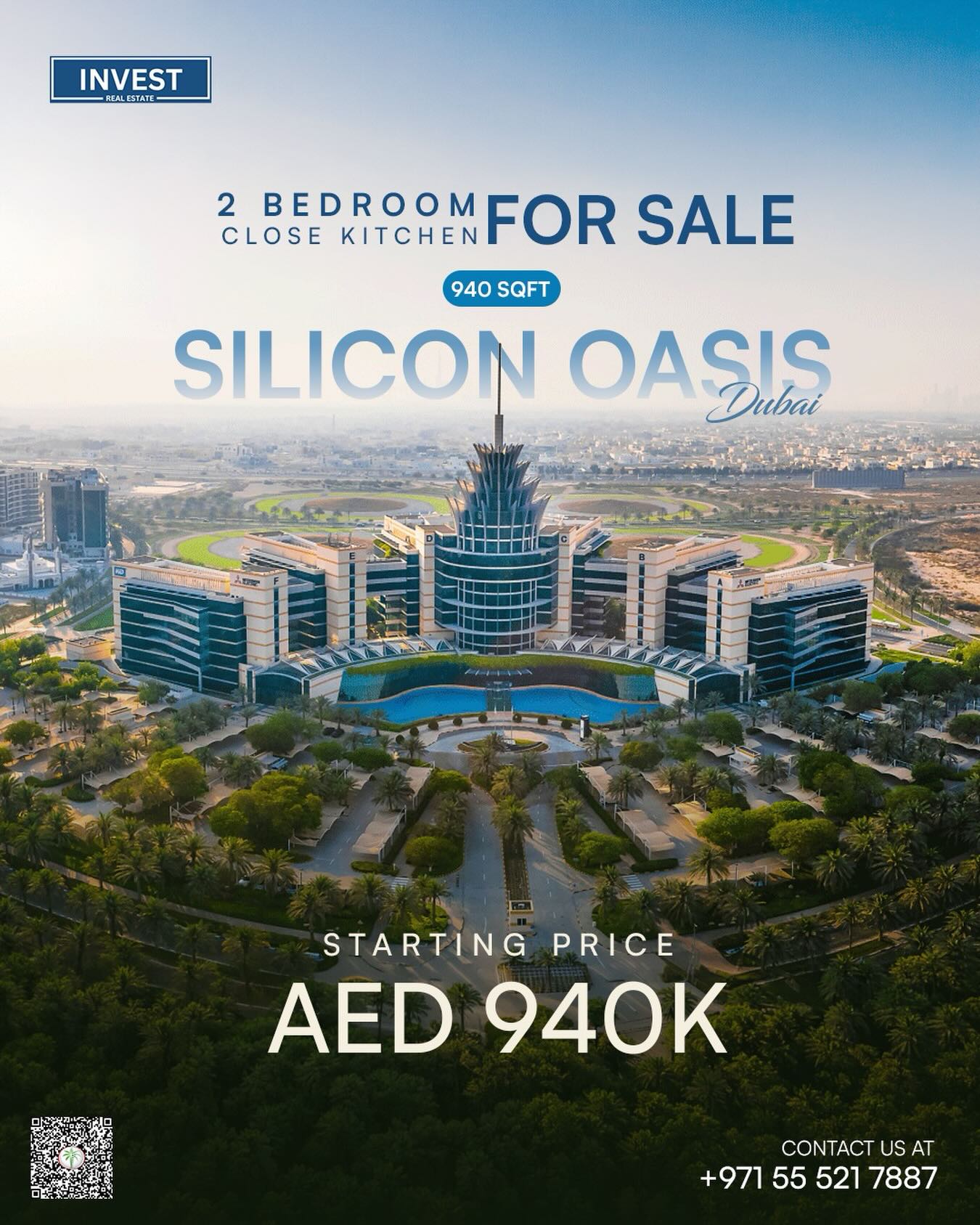 Own a Premium Address in Silicon Oasis, Dubai! 🏙️✨ Discover this… (opens in a new tab)
  Ting - Dubai
 Own a Premium Address in Silicon Oasis, Dubai! 🏙️✨ Discover this…
 They say racing is 90% preparation, but sometimes the remaining 10%… (opens in a new tab) Ting - Dubai
 They say racing is 90% preparation, but sometimes the remaining 10%…
 hello (opens in a new tab)
  yaam
yaam hello
 On teste l’un des meilleurs burger du champions burger à Paris : le… (opens in a new tab) yaam
 On teste l’un des meilleurs burger du champions burger à Paris : le…
 Dear Grandma — (opens in a new tab) yaam
 Dear Grandma —
 SDASCF (opens in a new tab)