

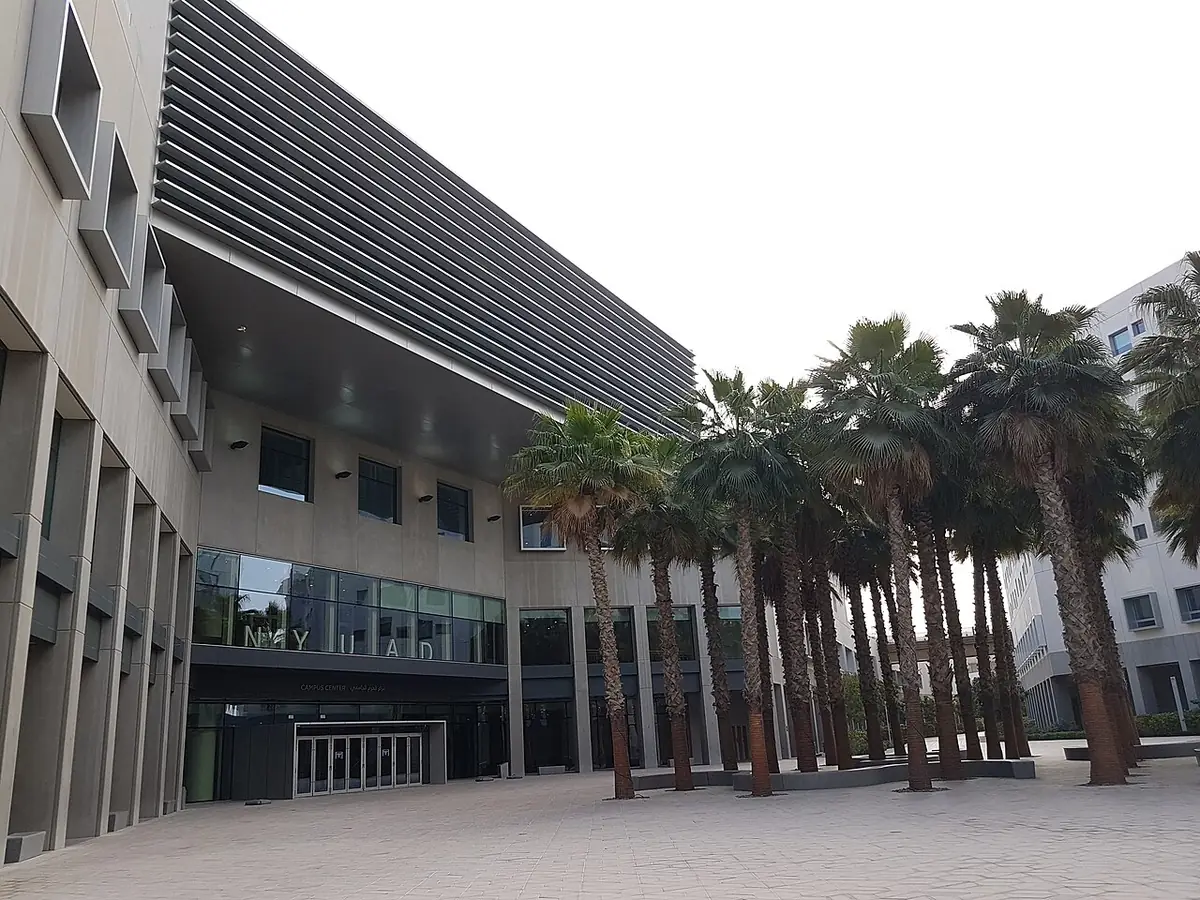
There are very few places in the UAE where you can walk to the Louvre after a morning swim on a natural beach, then spend the afternoon watching a round of golf at a championship course. Saadiyat Island is one of them. Abu Dhabi's flagship cultural and luxury residential destination, Saadiyat sits about 500 metres off the mainland and has been methodically built into a world-class address over the past decade. With average property prices at AED 7.27 million and annual rents averaging AED 304,748, it delivers — and charges accordingly.
The vibe
Saadiyat moves at a slower, more deliberate pace than most of Abu Dhabi, and certainly slower than Dubai. Mornings are for the beach, the Louvre walk, or the golf course. Evenings are for the Saadiyat Marina promenade, quiet dinners, or cultural events at Manarat Al Saadiyat and the Abrahamic Family House. There is a sense that residents here have chosen quality of life over proximity to corporate activity — and the island's planning reflects that choice.
The resident mix is a thoughtful blend: high-net-worth Emirati and Arab families, senior diplomats, international art world figures, and an increasing cohort of Abu Dhabi professionals who can afford to make the commute trade-off. It is cosmopolitan but not loud, refined but not stuffy. Families are well-represented, drawn by the beach lifestyle, excellent schools, and the island's safety and privacy.
Property and rents
The property range on Saadiyat is genuinely wide — from AED 650,000 at the very bottom (smaller apartments in early-phase developments) to AED 120 million for beachfront ultra-luxury villas. The average of AED 7.27 million reflects the dominant market: spacious apartments, townhouses, and mid-sized villas in developments like Saadiyat Beach Residences, The Reserve, and Nudra. Annual rents averaging AED 304,748 are significant but not out of line with comparable Dubai luxury addresses.
The market has been on a strong run. Bayut's 2025 Abu Dhabi market data places Saadiyat Island consistently among the top locations for luxury villa sales — driven by the combination of beachfront living, cultural amenity, and relative scarcity. For investors, capital growth has been the story as much as yield; gross yields sit around 4–5% for luxury stock, but price appreciation has been meaningful for early buyers.
Culture, beaches, and daily amenities
The Louvre Abu Dhabi is the most obvious landmark, but Saadiyat's cultural infrastructure goes deeper: Manarat Al Saadiyat hosts major international exhibitions, and the Abrahamic Family House — one of the most architecturally and symbolically significant buildings in the UAE — opened in 2023. The Guggenheim Abu Dhabi, still under development, will add further weight to the cultural cluster.
Saadiyat Beach is the island's natural centrepiece — soft sand, warm water, and a relatively low-crowded environment compared to Dubai's public beaches. The Saadiyat Beach Golf Club adds a leisure dimension, and water sports including kayaking and paddleboarding are available from the waterfront. For daily needs, Saadiyat's retail provision is growing but not yet comprehensive — residents typically supplement with trips to Yas Mall or the Abu Dhabi Corniche area for major supermarket runs.
Getting around
Saadiyat is connected to the Abu Dhabi mainland via Sheikh Khalifa Bridge and a secondary link road, making the commute into central Abu Dhabi typically 15–25 minutes by car. Abu Dhabi International Airport is 30–40 minutes — further than Rawdhat but still manageable for frequent travellers. There is no public metro or rail connection; Abu Dhabi's transport network is car-centric, and Saadiyat is no exception. Ride-hailing services are well-established on the island given the resident profile.
Honest trade-offs
Saadiyat's main limitations are cost and retail completeness. At an average purchase price of AED 7.27 million, this is a serious capital commitment, and the liquid market is thinner than Dubai's most active districts — selling quickly at full value takes patience. Retail and dining within the island itself is growing but has not yet reached the density that everyday life demands without regular trips off-island.
For buyers willing to make those trade-offs — and most who move here do so knowingly — the combination of beach access, cultural institutions, quality of build, and the understated prestige of the address is difficult to replicate anywhere in Abu Dhabi or the wider UAE.
I write about Abu Dhabi's premium residential market for buyers who want the real picture — what the lifestyle delivers, what it costs, and where the trade-offs sit.
FAQ
What is the average property price on Saadiyat Island?
The average is AED 7.27 million, with a wide range from AED 650,000 for smaller apartments up to AED 120 million for beachfront ultra-luxury villas. The market is deep across 830+ active listings.
What are typical annual rents on Saadiyat Island?
Annual rents average AED 304,748. One-bedroom apartments typically rent for AED 95,000–135,000 per year; two-bedrooms range from AED 135,000–190,000. Larger villas command significantly more.
What cultural attractions are on Saadiyat Island?
The Louvre Abu Dhabi, Manarat Al Saadiyat, the Abrahamic Family House, and the under-construction Guggenheim Abu Dhabi are the headline institutions. The island hosts regular international exhibitions and cultural events throughout the year.
Is Saadiyat Island good for families?
Very much so. The beach, the safety and privacy of the island setting, quality schools nearby, and low-traffic residential environment all make it an excellent family address. The cultural exposure is an added benefit many families specifically seek out.
How far is Saadiyat Island from central Abu Dhabi?
Around 15–25 minutes by car via Sheikh Khalifa Bridge. The island is well-connected to the mainland but remains a drive for daily commuting — there is no public metro link.
Is Saadiyat Island a good investment in 2025–2026?
The track record is strong — consistent price appreciation, low vacancy, and improving cultural infrastructure support long-term value. Gross yields are around 4–5%, so it is more a capital-growth and lifestyle investment than a yield play. Market liquidity is thinner than Dubai's busiest districts.
Post review of ting
 change background colour (opens in a new tab)


change background colour
 change background colour (opens in a new tab)
 change background colour
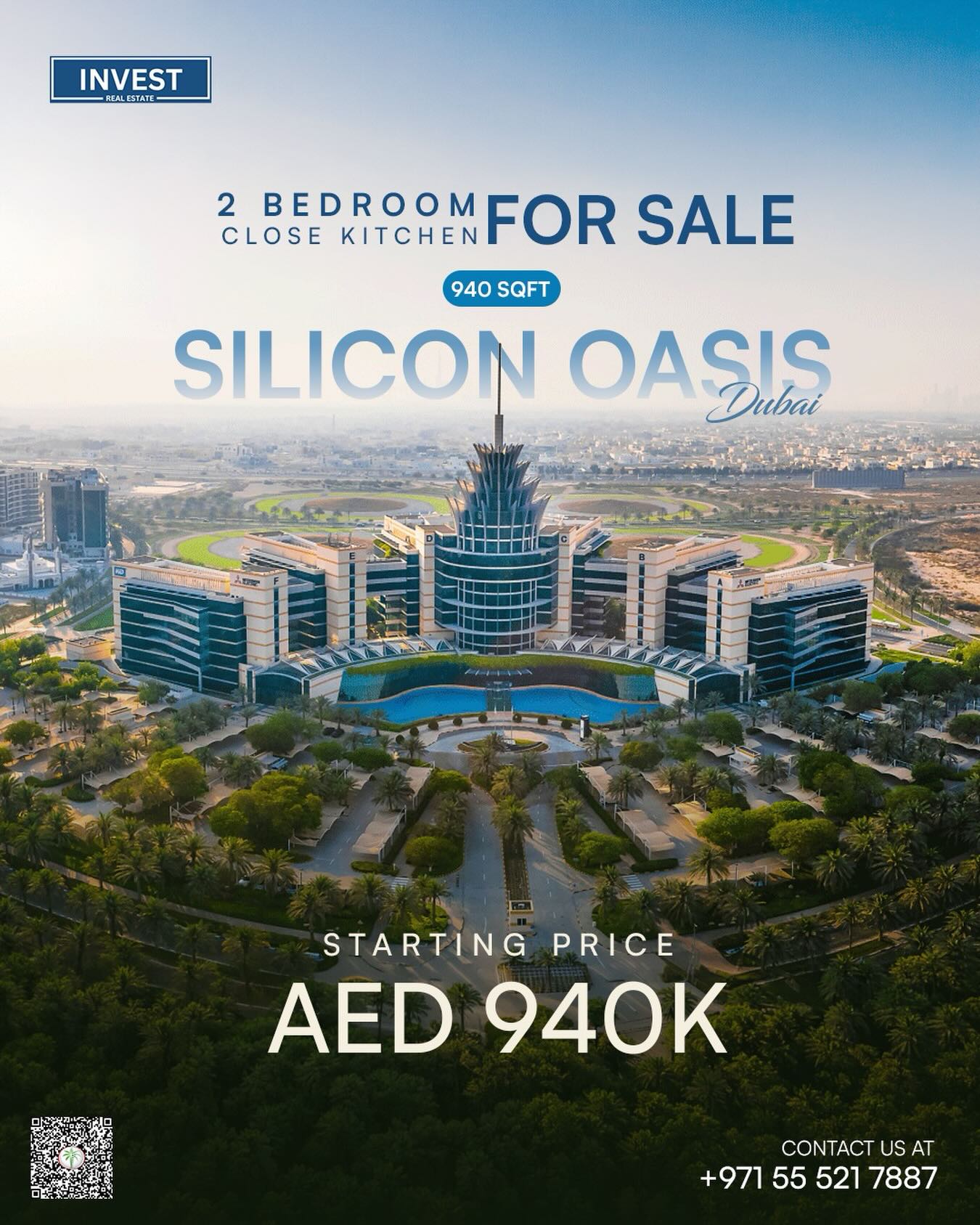 Own a Premium Address in Silicon Oasis, Dubai! 🏙️✨ Discover this… (opens in a new tab)
  Ting - Dubai
 Own a Premium Address in Silicon Oasis, Dubai! 🏙️✨ Discover this…
 They say racing is 90% preparation, but sometimes the remaining 10%… (opens in a new tab) Ting - Dubai
 They say racing is 90% preparation, but sometimes the remaining 10%…
 hello (opens in a new tab)
  yaam
yaam hello
 On teste l’un des meilleurs burger du champions burger à Paris : le… (opens in a new tab) yaam
 On teste l’un des meilleurs burger du champions burger à Paris : le…
 Dear Grandma — (opens in a new tab) yaam
 Dear Grandma —
 SDASCF (opens in a new tab)