

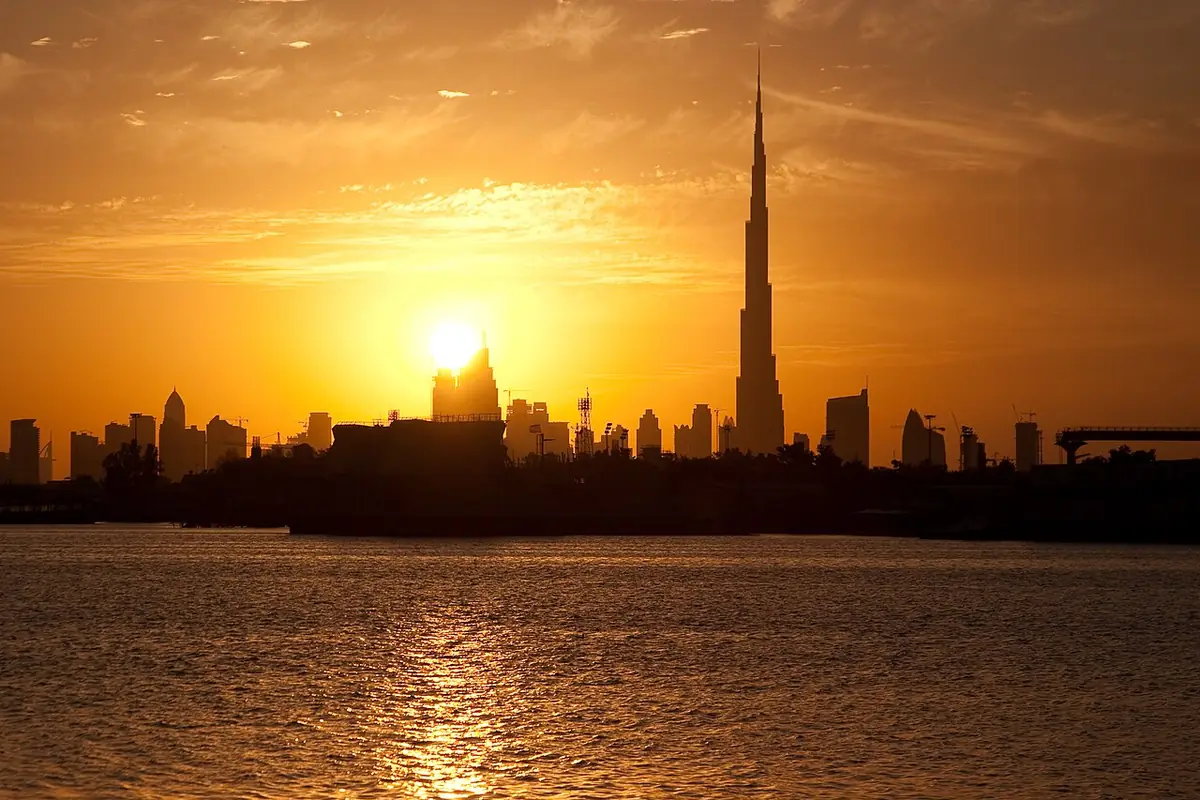
Dubai Creek Harbour is Emaar's most ambitious master plan since Downtown — a 500-hectare waterfront city in the making, sitting where the historic Creek meets the modern skyline. Prices average around AED 3.18 million with the range running from AED 1.3 million to AED 18 million, and average annual rents around AED 184,000. It is genuinely beautiful and genuinely still being built, and understanding both of those things matters before you commit.
The vibe
Creek Harbour has a quieter, more considered energy than Downtown or Marina. The promenade is wide and shaded, cycling lanes connect the sub-districts, and Creek Beach gives residents a beach club feel without leaving the community. The Ras Al Khor Wildlife Sanctuary sits on the doorstep — flamingos visible at dawn from certain apartments is a detail that genuinely surprises first-time visitors. The pace here is slower by design: it was built for residents who want a liveable neighbourhood, not a tourist destination.
The honest caveat is that large sections of the masterplan remain under construction. Construction noise, dust, and temporarily absent retail are realities depending on which phase your building sits in. Certain sub-zones are expected to be fully activated no earlier than late 2026.
Property and rents
At a Medium price category, Dubai Creek Harbour offers meaningful value relative to Downtown with a similar Emaar quality guarantee. Average prices run approximately AED 3,177,922, with entry-level one-bedrooms accessible from around AED 1.3 million and larger waterfront units reaching AED 18 million. Average annual rents sit around AED 184,267 — roughly AED 15,300 per month at the midpoint. Prices have appreciated sharply in recent years, rising approximately 28% between early 2023 and late 2025, making early-mover buyers particularly satisfied.
The rental market is competitive, with demand outpacing available supply in Phase 1 delivered projects like Creek Horizon, Harbour Views, and Creek Beach. Off-plan prices for later phases command a premium given the trajectory.
Getting around
Ras Al Khor Road (E44) and Nad Al Hamar Road (D62) connect residents to Downtown, DIFC, and Dubai Airport — all within 10–15 minutes in normal traffic. There is currently no metro station inside Creek Harbour, though the Green Line's Healthcare City and Creek stations are reachable with a short drive or taxi. A dedicated metro connection is in the masterplan; until it materialises, a car or rideshare remains essential for most daily movement. Airport proximity — around 10 minutes — is a genuine advantage for frequent travellers.
Schools and everyday needs
There are currently no schools operating inside Dubai Creek Harbour. Families commute to Al Jaddaf, Nad Al Sheba, or Mirdif for K-12 education — manageable, but it is a factor worth planning for. Retail and dining options within the community are growing but remain limited compared to established areas; Creek Marina and the promenade offer cafés and casual dining, but a full retail mall is not yet operational. Grocery shopping requires heading to nearby Al Jaddaf or Festival City.
Who it suits
Creek Harbour is well matched to couples and young professionals who want waterfront living without paying Downtown premiums, and to investors who want to ride Emaar's development trajectory. The nature-oriented environment — wildlife sanctuary views, wide open spaces, promenade walks — appeals strongly to residents who feel Downtown is too urban and Marina is too party-forward. Families should note the school gap and the construction activity before committing. Long-term, as the masterplan completes, this is likely to become one of Dubai's most desirable family addresses; right now it is still earning that status.
Investment case
The investment case is strong on fundamentals: Emaar delivery track record, 28% price growth in recent years, 954 active listings showing market depth, and the pending Creek Tower (when built, potentially the world's tallest structure) as a capital value catalyst. Rental yields are respectable in delivered phases. The risk is the extended development timeline and the temporary livability gap — investors who need immediate strong rental income should focus on Phase 1 delivered stock, not off-plan. For patient capital, this is one of Dubai's more compelling medium-term plays.
Creek Harbour is the neighbourhood I watch most closely right now — the bones are exceptional and the early residents are getting great value, but it demands patience while the masterplan catches up.
FAQ
What are property prices in Dubai Creek Harbour?
Average prices sit around AED 3.18 million. Entry-level one-bedroom apartments start from approximately AED 1.3 million, with premium waterfront units reaching AED 18 million.
What is the average rent in Dubai Creek Harbour?
Average annual rents are approximately AED 184,000 — around AED 15,300 per month. One-bedroom apartments in delivered Phase 1 buildings typically rent from AED 110,000–140,000 per year.
Is Dubai Creek Harbour fully built?
No. Phase 1 is substantially delivered, with projects like Creek Horizon, Creek Beach, and Harbour Views occupied and operational. Large sections of the masterplan remain under active construction, with full completion expected to extend through 2026 and beyond.
Are there schools in Dubai Creek Harbour?
There are currently no schools inside the community. The nearest options are in Al Jaddaf, Nad Al Sheba, and Mirdif, all within a 10–20 minute drive.
How close is Dubai Creek Harbour to Downtown?
Approximately 10–15 minutes by car via Ras Al Khor Road. Dubai International Airport is similarly close, making it well-positioned for frequent travellers.
Is Dubai Creek Harbour a good investment in 2025?
The medium-term case is solid: Emaar developer credibility, strong recent price appreciation, and a major landmark project (Creek Tower) as a future catalyst. Rental yields are healthy in Phase 1 stock. The main risk is the extended development timeline and currently limited community amenities compared to established areas.
Post review of ting
 change background colour (opens in a new tab)


.jpg)
change background colour
 change background colour (opens in a new tab)
 change background colour
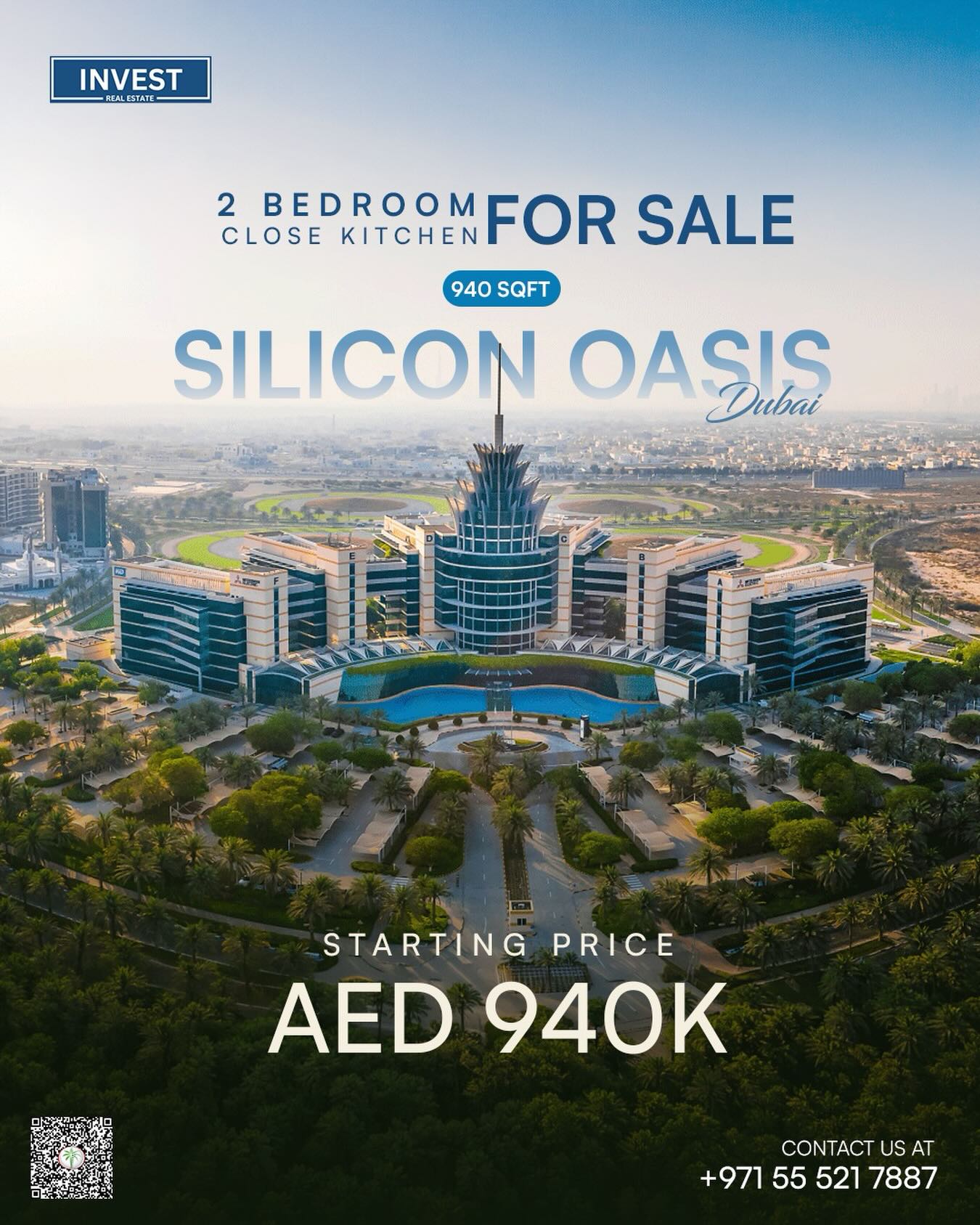 Own a Premium Address in Silicon Oasis, Dubai! 🏙️✨ Discover this… (opens in a new tab)
  Ting - Dubai
 Own a Premium Address in Silicon Oasis, Dubai! 🏙️✨ Discover this…
 They say racing is 90% preparation, but sometimes the remaining 10%… (opens in a new tab) Ting - Dubai
 They say racing is 90% preparation, but sometimes the remaining 10%…
 hello (opens in a new tab)
  yaam
yaam hello
 On teste l’un des meilleurs burger du champions burger à Paris : le… (opens in a new tab) yaam
 On teste l’un des meilleurs burger du champions burger à Paris : le…
 Dear Grandma — (opens in a new tab) yaam
 Dear Grandma —
 SDASCF (opens in a new tab)