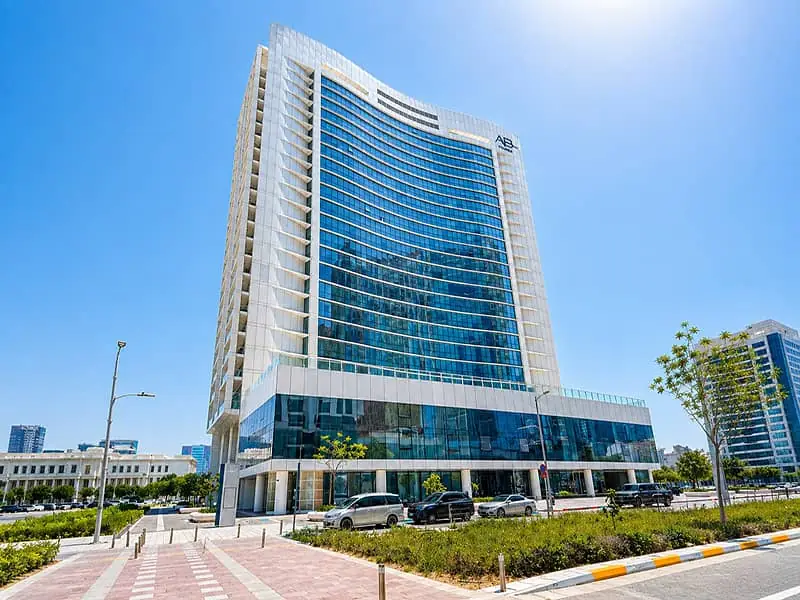
Investing in a villa in Abu Dhabi calls for a methodical look at the realities of the local market, the legal particulars of ownership and the choice of residential neighbourhood. This guide walks through every aspect of your project to help you make a well-informed decision that holds up over time.
Tell us about your life. Ex: I’m relocating to Nice next year
Attach file
Get the app
Buy Villas Abu Dhabi
Investing in a villa in Abu Dhabi calls for a methodical look at the realities of the local market, the legal particulars of ownership and the choice of residential neighbourhood. This guide walks through every aspect of your project to help you make a well-informed decision that holds up over time.
Why buying a villa in Abu Dhabi means thinking long term
Scroll
Why buying a villa in Abu Dhabi means thinking long term
Investing in a villa in Abu Dhabi calls for a methodical look at the realities of the local market, the legal particulars of ownership and the choice of residential neighbourhood. This guide walks through every aspect of your project to help you make a well-informed decision that holds up over time.
Written by the ting.ad editorial team ·
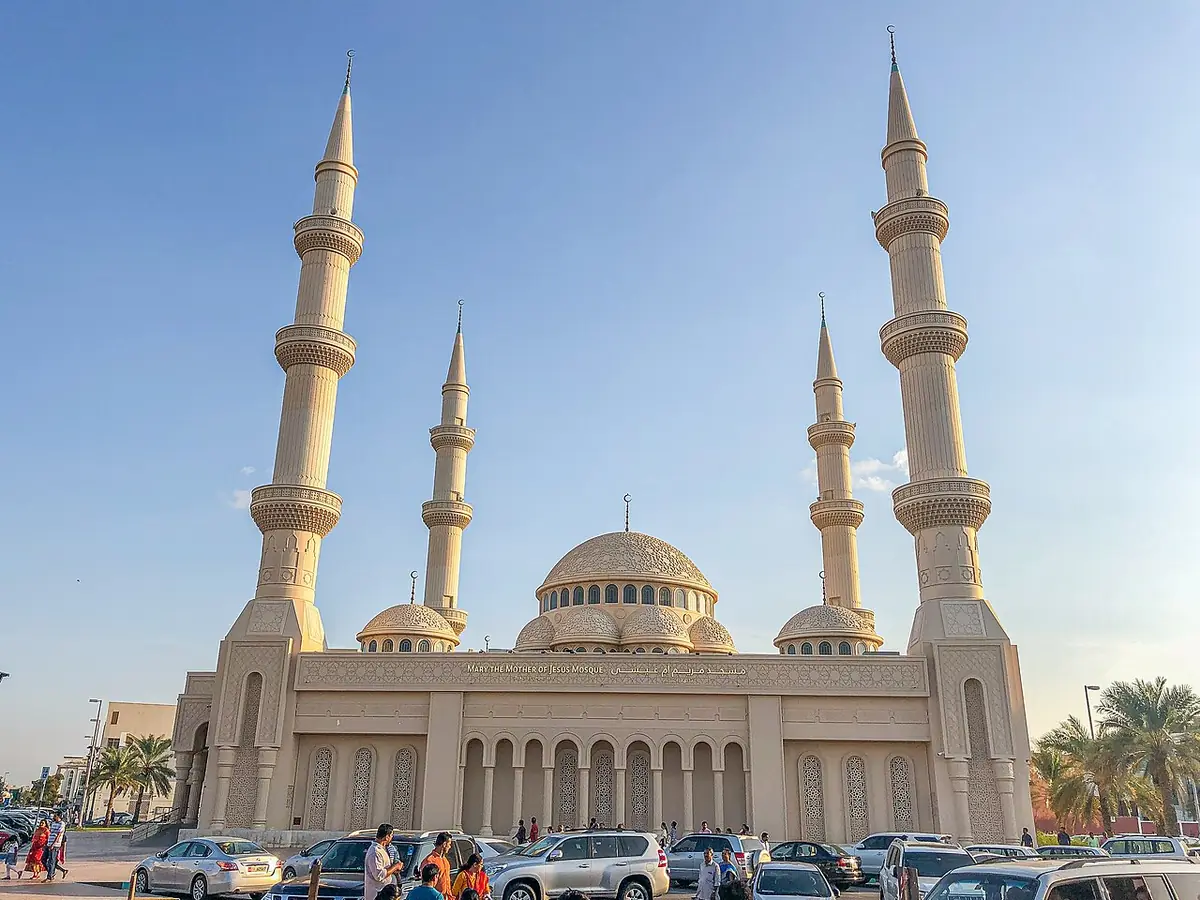
A striking mosque near the city, a familiar sight in Abu Dhabi — Photo: Clintonrebeiro · CC BY-SA 4.0 · Wikimedia Commons
Moving from the general idea of a property investment to your own daily life is how you check whether this choice really fits the way you live.
Investing in a villa in Abu Dhabi means understanding the interplay between the capital you commit and the scarcity of land on the main islands. Unlike the very dense areas where high-rises dominate, a detached house offers the space and privacy families look for, but it also carries heavier structural maintenance costs. You have to weigh the immediate comfort of private space against how easily the property will sell when the time comes. Buyers quickly find that floor area is not everything: access to the main roads and proximity to schools and medical facilities drive the real direction of the market. Looking at construction cycles, it becomes clear that new developments delivered on the outskirts keep reshaping the competition for older properties in the city centre.
Size and spacevsMaintenance costs
Owning a villa in Abu Dhabi gives you generous volumes and a private plot, but the climate demands constant air conditioning and high outdoor maintenance costs that you need to plan for from the first year of living there.
A central locationvsResidential calm
The established districts put you right next to the business centres and the corniches, while the newer island communities bet on complete calm and large green spaces at the cost of a longer commute.
A long-term assetvsEase of resale
Well-located villas hold up well in value over the long term thanks to the scarcity of land, but selling a large property requires a specific kind of buyer, which inevitably makes the sale take longer than for a standard apartment.
Private amenitiesvsManaging the service charges
Buying in a gated community brings high-end shared services, but the associated management fees weigh on the annual budget for years and call for a careful reading of the community rules before you sign anything.
How to tell whether villa life in Abu Dhabi really suits you
Measuring what changes compared with what you are used to helps you avoid disappointment once you have settled in.
Choosing a detached house is not just a question of floor area or purchase budget. It commits you to a particular way of life, shaped by daily car use, looking after outdoor space and belonging to a residential community that is often some way from the centre. Whether you are arriving as a couple with young children or looking for a base for business trips, the demands of upkeep and travel will not weigh the same way in your decision. Permanent residents often stress how important it is to be close to international schools and the main roads to avoid the fatigue of daily journeys. Let us look at the typical situations to find the one closest to your plans for settling in the emirate.
Looking for space and stability
You want a secure setting where your children can grow up with a garden and play areas within walking distance in the neighbourhood. Villas in integrated communities strike that balance, with schools and local shops often built right into the heart of the development. The trade-off is accepting longer journeys to the business district at rush hour, which calls for good day-to-day organisation.
This set-up also means taking part in community life and following the strict rules set by the community management on the upkeep of facades and shared areas.
Weighing prestige against upkeep
Your priority is a spacious home for entertaining, with high-end features such as a private pool and round-the-clock security. Running a large house in full, however, takes time and reliable contractors for the regular maintenance of its technical equipment. If you travel often, that operational load can quickly become an administrative worry best handed to a specialist agency.
Many end up weighing the pros and cons against a luxury apartment in the city centre, which is simpler to lock up and leave when you travel.
Looking for rental yield
You are buying to let to executive or diplomatic tenants who want large volumes and a quiet residential setting. Upmarket villas enjoy steady demand from companies housing their senior staff, but the entry price is high and vacancies, though rare, tie up significant capital. You need a rigorous property manager to maintain the standard of service these demanding tenants expect.
Gross yield therefore has to be read against the cost of the preventive and corrective maintenance that the local climate imposes on outdoor installations.
What reference points to change when you come from abroad to buy in Abu Dhabi
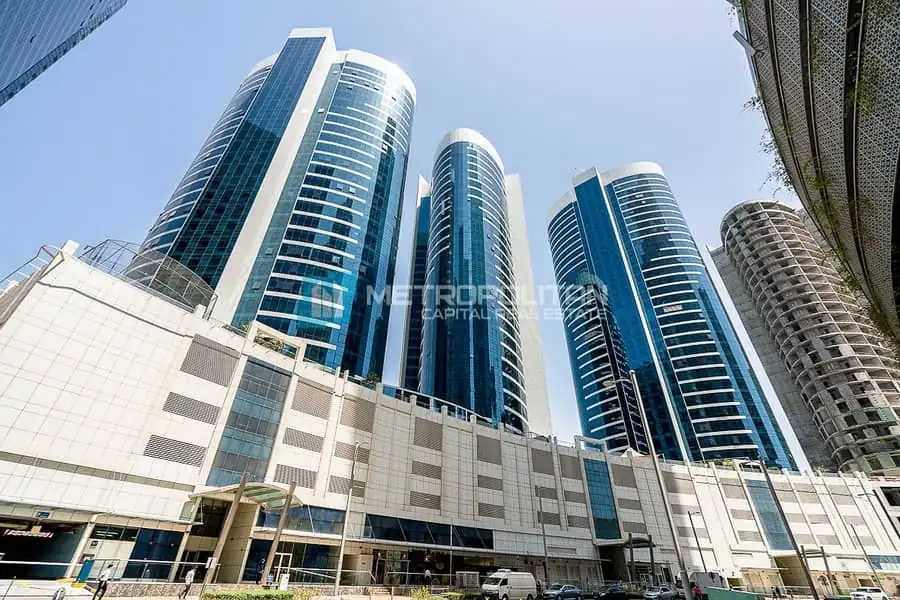
Evening skyline views like this are part of daily life in Abu Dhabi — Photo: Niamat Arbab · CC BY-SA 4.0 · Wikimedia Commons
Once the administrative basics are clear, the next step is targeting the right neighbourhood for the way you live.
Settling and investing in property in Abu Dhabi from abroad means dropping some deep-rooted legal and cultural habits. The local land system relies on specific acquisition rules for non-nationals, often limited to designated areas known as Investment Zones. Transaction timelines, the structure of reservation contracts and the role of the various intermediaries differ markedly from the notary-led conveyancing many buyers are used to. On top of that, the way charges are handled, the absence of local tax on rental income and staged payment plans all call for a careful reading of the legal documents. To move forward with confidence, it helps to map out these fundamental differences before signing any financial commitment.
From abroad
A centralised, protective notary-led conveyancing system
Abu Dhabi
Direct land registration with the Department of Municipalities and Transport
Deeds are recorded through official registers and licensed developers or agencies, so you need to check every contract clause carefully without relying on a notary to watch over the deal.
From abroad
Full ownership of land and building with no geographic restriction
Abu Dhabi
Full ownership in designated zones (Freehold) or a long-term lease (Leasehold)
You must make sure the property you are after sits in a zone open to foreign buyers so that you hold a valid title that can be passed on without future dispute.
From abroad
Paying transfer duties and recurring property taxes
Abu Dhabi
A one-off registration fee paid on transfer and no annual local property tax
The absence of a recurring property tax lightens the long-term cost of ownership, but the initial registration fee is paid in one go at the final signing of the deed.
From abroad
Standard statutory construction warranties (a strict ten-year guarantee)
Abu Dhabi
Developer warranties often limited to one year for finishes and ten years for the structure, under local standards
An independent technical inspection before handover becomes essential to spot defects and have them fixed before you pay the balance.
How to choose the right neighbourhood for your future villa in Abu Dhabi
Once you have picked the ideal area, it is time to look closely at the prices actually being paid on the market.
Abu Dhabi is made up of several islands and mainland areas with radically different atmospheres. Where you put your villa depends as much on how close you need to be to work as on what you want in terms of leisure, calm or social life. Some areas favour the seafront and marinas, while others bet on large green spaces and sports facilities built into gated communities. Each neighbourhood has its own dynamic of value growth and attracts a quite specific kind of buyer. Looking at these options through the lens of your daily life lets you rule out the areas that do not match what you really want.
Yas Island
A lively atmosphere centred on leisure, theme parks and major sporting events.
Suits
Active families and entertainment lovers looking for a busy outdoor life.
Trade-off
More noise during major events and heavier traffic around the attractions.
Saadiyat Island
A prestigious cultural setting, fine sandy beaches and clean contemporary architecture.
Suits
Buyers looking for upmarket calm, proximity to museums and an exclusive environment.
Trade-off
A markedly higher entry price and local services that are still being developed.
Al Reem Island
A dense island urban hub where villas and townhouses sit alongside tall residential towers.
Suits
Those who want to stay close to the downtown business district while having a home with outdoor space.
Trade-off
Traffic that can get congested at rush hour on the bridges linking the island to central Abu Dhabi.
Al Raha Gardens and Khalifa City
Established residential districts popular with families for their large spaces and village feel.
Suits
Residents looking for generous floor areas, more moderate prices per square metre and a settled community.
Trade-off
Housing stock that is sometimes older and needs a renovation budget, plus longer journeys to the centre.
What budget to plan for buying a villa in Abu Dhabi
Beyond the headline purchase price, the legal structure of your ownership deserves particular attention.
Abu Dhabi's property market shows considerable price variation depending on location, plot size and the quality of the developer's finishes. There is no point looking for a single price grid, because each community has its own value benchmarks. Data recorded with the local authorities shows a market that runs from affordable semi-detached villas to ultra-exclusive beachfront properties. To avoid unpleasant surprises, build the mandatory extra costs into your financing plan, such as registration fees and agency commission. Here is a structured overview of the orders of magnitude observed to guide your budget planning.
Abu DhabiFor saleVillaestimate
Median price / m²AED 10,127Half the apartments sell below this
Median priceAED 2.24mthe average is 14% higher — a few very large properties pull it up
Most common2 bedrooms54 % of listings
Average size210 m²
By number of bedrooms
Bedrooms
Share of market
Avg price
Price / m²
Avg size
2most common
54 %
AED 2.05m
AED 10,660
193 m²
3
31 %
AED 2.84m
AED 10,127best value / m²
280 m²
4
14 %
AED 4.1m
AED 10,660
385 m²
Each row is an average, compared against the area average of AED 10,660 / m². These are indicative estimates of a typical local market, not a measured sample of live listings. Check current listings before relying on them.
What is the fundamental difference between full ownership and a right of use in Abu Dhabi
Once the legal framework is confirmed, it is time to understand how a property transaction unfolds step by step.
The legal nature of your property purchase in Abu Dhabi depends entirely on the status of the zone where the property sits. The distinction between full-ownership zones and long-lease zones is a cardinal point that every foreign buyer must master before committing. Failing to check it exposes you to misunderstandings when you sell or pass the property on to your family. Developers and estate agents must clearly provide the corresponding land registration certificate. Let us look at the two options open to you so you understand exactly what you are buying.
Full ownership in a designated zone (Freehold)
This regime allows foreign nationals to acquire full ownership of the property, meaning both the building and the land beneath it, with no time limit. It is the most sought-after arrangement because it offers maximum legal certainty and resembles the ownership standards familiar in Europe. Titles are officially registered with the emirate's land services.
What it changesYou hold an asset you can pass on and sell as you wish, without the complications of a long-term land lease expiring.
A long-term lease (Leasehold)
In this case you buy the building and hold an exclusive right to use the land for a fixed period, generally between 30 and 99 years, renewable. This system is found on certain specific projects or granted plots. Although perfectly legal and regulated, it means paying attention to the remaining term of the lease at the time of purchase to anticipate any loss of value as the end approaches.
What it changesYou need to factor the lease expiry date into your medium- or long-term resale strategy to avoid losing value.
What are the key steps to follow before paying a deposit in Abu Dhabi
To orchestrate all these steps successfully, it helps to know who is involved and at exactly what point.
Securing the purchase of a villa in Abu Dhabi follows a rigorous procedure that should not be rushed. Each step, from signing the initial reservation form to the final transfer of the title deed, involves significant sums and precise legal responsibilities. Knowing the sequence lets you stay in control in the face of sales pressure and insist on the essential checks at each milestone. Reputable professionals encourage this transparency to ensure a smooth, dispute-free transaction. Let us walk through the chain of events that leads to handing over the keys.
Choosing the property and taking a thorough look at the neighbourhood.
Signing the preliminary agreement (MOU - Memorandum of Understanding) between buyer and seller.
Paying a security deposit into escrow, usually around ten per cent, held by a licensed agent.
Carrying out technical and legal checks on the property to make sure there are no charges or unpaid bills against it.
Obtaining the no-objection certificates (NOC) issued by the developer or the community manager.
The official transfer of ownership and final registration with the municipal services.
Who does what when you buy your villa, and in what order
You now have all the factual reference points to approach buying a villa in Abu Dhabi with method and a clear head.
Buying a villa in Abu Dhabi involves several parties whose roles are strictly defined. Between the estate agent who negotiates, the mortgage broker who structures the financing, the inspector who assesses the condition of the building and the land registry that validates the transfer, coordination is the key to success. Leaving out one of these parties or skipping a technical check exposes you to avoidable risks. This summary sets out each party's involvement to help you steer your project with complete clarity.
The licensed estate agentIntroductions and drafting the MOUThey guide you towards properties that match your criteria and draft the initial memorandum of understanding, while making sure professional licences are valid.
The technical inspection specialistAudit of the structure and equipmentThey examine the waterproofing, roof, air conditioning and pool to put a figure on any remedial work before the final signing.
The mortgage broker or bankLoan approval and financing arrangementsIf you are taking out a loan, this party confirms how much you can borrow and arranges the release of funds according to the timetable agreed with the seller.
The community managerIssuing the no-objection certificate (NOC)They check that the current owner is up to date on all service charges and authorise the official transfer of the property to the new owner.
The municipal services (DMT)Final registration and issue of the titleThe administration validates the final transfer of ownership rights and issues the new title deed in your name.
Villa or apartment in Abu Dhabi: which to choose for the way you live?
Once that fundamental choice is made, what remains is to look at the actual figures for the investment required.
Buying property in Abu Dhabi forces a fundamental structural choice between a villa on the outskirts or in a gated community and an apartment in the heart of the major urban districts. Each option affects not only your purchase budget but your whole daily life, from your commute to how you spend leisure time as a family. Villas generally offer generous floor areas, private gardens and an architectural independence much sought after by households with children, although this often means moving away from the key business centres of the main island.
Choosing an apartment instead, whether on Reem Island, on Saadiyat or along the Corniche, favours a central location, direct views over the Persian Gulf and shared maintenance costs through communities run by large institutional developers such as Aldar. Apartment residents are right next to cultural venues, international schools and office hubs, which drastically cuts time spent commuting, in exchange for living with more neighbours close by.
Flexibility and how easily the asset can be sold also come into the buying decision. Apartments traditionally turn over faster on the rental and resale markets, attracting young expatriate professionals and investors looking for a stable, predictable rental yield. Villas, scarcer and in strong demand from Emirati citizens and long-term residents, are more firmly established stores of value but require a much higher entry price and maintenance costs in proportion to their footprint.
You also need to look at the real cost of ownership beyond the headline price shown by the developer or estate agent. Villas mean paying for all outdoor upkeep, central air conditioning and private pools, while apartments fold these costs into service charges that can be substantial but are predictable. Your personal profile, the make-up of your household and how long you plan to stay in Abu Dhabi should guide every financial trade-off before you sign any sale contract.
What realistic budget do you need to buy a villa or an apartment in Abu Dhabi?
Understanding purchase costs lets you plan how a typical week in the emirate actually works.
Working out the budget needed to buy property in Abu Dhabi is not just a matter of the net asking price shown in listings. You must factor in the registration fees payable to the Department of Municipalities and Transport, agency commission and provisions for service charges. Price ranges vary considerably depending on whether you choose an urban apartment or a villa in a freehold zone, which calls for a rigorous analysis of your borrowing capacity and local mortgage conditions.
Indicative price ranges by property type and area in Abu Dhabi
Property type
Typical areas
Price range (AED)
Price range (EUR approx.)
Studio / 1 bedroom
Al Reem Island, Al Maryah Island
AED 700,000 to AED 1,200,000
EUR 175,000 to EUR 300,000
Family apartment (2-3 bedrooms)
Saadiyat Island, Al Raha Beach
AED 1,800,000 to AED 3,500,000
EUR 450,000 to EUR 875,000
Semi-detached villa / Townhouse
Yas Island, Khalifa City
AED 2,500,000 to AED 5,000,000
EUR 625,000 to EUR 1,250,000
Upmarket detached villa
Saadiyat Beach, Yas Acres
AED 6,000,000 to AED 15,000,000+
EUR 1,500,000 to EUR 3,750,000+
Prices observed on the market reflect strong demand for coastal areas and integrated communities with schools and leisure facilities.
Mandatory extra costs when buying property
Cost item
Indicative rate or amount
Who pays
When it is paid
Land registration fee
2% of the purchase price
Usually shared, or 100% buyer
On signing the title deed
Estate agency commission
2% of the purchase price (excluding VAT)
Buyer (unless agreed otherwise)
On signing the preliminary agreement / MOU
Bank arrangement fee (if financed)
0.5% to 1% of the amount borrowed
Buyer
When the loan is released
Property valuation fee
AED 2,500 to AED 4,000
Buyer
Before final loan approval
These extra costs need to be set aside in advance because local banks generally do not finance them as part of a mortgage.
What is daily life like for an owner living in Abu Dhabi, between school, work and leisure?
Beyond this smooth routine, several hidden aspects of the property market deserve your full attention.
How an ordinary day in Abu Dhabi runs depends largely on where your property is in relation to your workplace and your children's schools. The smooth road network and the quality of the urban infrastructure make it possible to optimise every journey, provided you have anticipated the commuter flows between the residential islands and the business districts.
07:00 - 08:00School drop-off and early startResidents of Saadiyat or Reem drop their children at top-tier international schools before reaching the business hubs in under twenty minutes.
08:30 - 13:00Work in the heart of Abu DhabiThe air-conditioned offices of Global Market or downtown welcome professionals in modern towers equipped with every service needed for productivity.
13:00 - 14:00Midday break and business lunchThe business districts offer an extremely varied international dining scene, from seaside cafés to fine dining in luxury hotels.
14:00 - 17:30Back to work and end-of-day meetingsThe working rhythm follows international standards, with high-speed connections everywhere and perfectly optimised workspaces.
18:00 - 19:30Unwinding by the sea or doing sportThe trip home is often an easy transition that takes in the landscaped beaches, urban parks or gyms built into the residential communities.
20:00 - 22:00Family dinner and rest at homeEvenings are spent in the calm of secure residential communities, whether in a private villa garden or on a panoramic apartment balcony.
What Abu Dhabi sales brochures and estate agents often leave out
These grey areas explain why some buyers become disillusioned six months after moving in.
Buying property in Abu Dhabi follows specific legal and administrative rules that leave no room for guesswork. Behind the developers' superb 3D renderings lie operational and regulatory realities that you absolutely must master to avoid financial disappointment after handover.
Service charges that vary with the amenities
Communities with infinity pools, state-of-the-art gyms and 24-hour concierge services can carry very high annual maintenance fees (service charges), which you must build into your long-term running budget.
The strict distinction between freehold and leasehold zones
While freehold zones allow full ownership for foreigners, some areas operate on a leasehold basis with 99-year leases, which changes the legal nature of your investment and how it can be passed on to heirs.
Air conditioning and summer energy bills
During the hottest months of the year, running the air conditioning intensively drives up electricity and water costs (through district cooling systems such as Tabreed), which can weigh heavily on the monthly household budget.
Connection and delivery delays when buying off plan
Buying off plan offers very attractive staged payment plans, but it also exposes the buyer to potential delivery delays from developers, which calls for a rigorous check of the builder's financial strength and the approved escrow accounts.
The most common buying traps and mistakes that people bitterly regret six months later
Given these demands, it is fair to ask whether this market really suits your personal situation.
Looked likeAn investment opportunity showing an exceptional gross rental yield of 9% in an up-and-coming area.
Turned outAn outlying area suffering from an oversupply of similar properties and long vacancies that eat into the real return.
Would have caught itCarefully analysing the neighbourhood's real occupancy rates and favouring genuine demand from permanent residents over marketing promises.
Looked likeA property bought quickly without a thorough technical inspection so as not to miss a below-market deal.
Turned outHidden defects in the air conditioning system and waterproofing problems requiring very expensive remedial work.
Would have caught itAlways having an independent technical audit carried out by a certified inspection firm before signing the final sale deed.
Looked likeA bank loan approved by a whisker at the very limit of your borrowing capacity, with no safety margin.
Turned outRapid financial strain when central bank rates rose and everyday living costs shifted.
Would have caught itKeeping your borrowing to a comfortable monthly repayment that leaves at least 30 per cent of your income free for savings and the unexpected.
Looked likeA reservation contract signed without having the late-delivery penalty clauses reviewed by a lawyer specialising in local law.
Turned outNo way to withdraw in the event of a dispute with the developer, and partial loss of the deposits paid into the escrow account.
Would have caught itHiring an independent legal adviser who knows Abu Dhabi property regulation inside out to check every contract clause.
In which specific cases should you postpone or drop your plan to buy property in Abu Dhabi?
Now it is time to lay the groundwork for your final decision with peace of mind.
Buying property is never a universal obligation and does not suit every path in life. While the Abu Dhabi market has solid fundamentals, some personal, professional or financial situations make buying premature or simply unwise, in which case flexible renting is the better option.
The expatriate on a short assignment (less than three years)
→To rent a furnished, ready-to-live-in apartment rather than buy.
The upfront purchase costs (registration, agency, legal fees) are hard to recoup over less than three or four years, risking a net loss on a quick resale.
The investor looking for a short-term speculative return
→To put their cash into financial instruments that are more liquid than Emirati bricks and mortar.
The Abu Dhabi market rewards long-term ownership and stable letting, while a quick resale suffers high tax and transaction frictions.
The household without enough emergency savings
→To build up a safety cushion first before putting any down payment into property.
Becoming an owner in the emirate means facing unexpected maintenance costs and changing charges, which require a solid financial base that is available immediately.
So, are you ready to take the step of buying property in Abu Dhabi?
Buying property in Abu Dhabi is a defining decision that should come neither from impulse nor from simply reading promotional brochures. Between the careful choice of villa or apartment, a precise map of the budgets involved and a grasp of the finer points of local law, every step demands complete clarity about your financial and personal goals.
If you plan to put down lasting roots in the emirate for the next five to ten years, your professional situation is firmly established and you have set aside all the extra costs without weakening your savings, then the Abu Dhabi property market offers a secure, dynamic and particularly attractive setting for making your purchase happen.
Take the time to visit several neighbourhoods, compare real returns, work with certified professionals and have every contract clause checked by an independent adviser. Your future peace of mind depends directly on the rigour and method with which you carry out this purchase, from the first day to the handover of the keys.
Related questions
What does a foreigner need in order to buy property in Abu Dhabi?
Foreign nationals can buy property on a freehold basis in specific designated zones approved by the Abu Dhabi government. You do not need to be a UAE resident to acquire a property; a valid identity document or passport is enough to complete the transaction with developers and the authorities.
Do foreign buyers get a residence visa when they buy property in Abu Dhabi?
Yes. Buying a property worth at least 2 million dirhams (AED) can, subject to certain eligibility conditions, qualify the owner and their family for a ten-year Golden Visa. For smaller amounts, residence visa options linked to property investment also exist under the current rules set by the federal authorities.
What registration and legal fees apply to a property transaction?
In Abu Dhabi, the fee for registering a property with the Department of Municipalities and Transport is generally 2 per cent of the purchase price. It is most often split equally between buyer and seller, although the terms negotiated in the preliminary contract can sometimes put the whole charge on one party.
Can you get a mortgage as a non-resident of the United Arab Emirates?
Several local and international banks operating in Abu Dhabi offer mortgages to non-residents, though usually with stricter down payment requirements, generally between 25 and 50 per cent of the property's value. The interest rate depends on your financial profile, your income and the currency you are paid in.
What exactly is the difference between 'freehold' and 'leasehold' zones?
Freehold zones allow buyers of any nationality to acquire full ownership of the property and the land it stands on, with no time limit. Leasehold zones, by contrast, grant a long-term right of use over a fixed period, usually 99 years, at the end of which the contract may be renegotiated under the rules then in force.
How does buying off plan work, and what protections does the buyer have?
Buying off plan means acquiring a property before or during construction from a licensed developer. The buyer's payments must go into an escrow account controlled and regulated by the municipal department, which ensures the money is used only for actually building the project in question.
What running costs should you expect after buying an apartment or a villa?
Owners pay annual service charges, calculated per square metre, for the upkeep of shared areas, security and the community's amenities. On top of that come monthly bills for electricity, water and air conditioning, plus comprehensive home insurance, which is optional but recommended.
Do you have to use an estate agent to buy property in Abu Dhabi?
Using an estate agent is not a strict legal requirement, but it is strongly recommended to secure the transaction, negotiate the best terms and make sure all the administrative and legal documents are in order with the developer and the emirate's land services.
Which are the most sought-after neighbourhoods for buying a family villa in Abu Dhabi?
The most popular areas for family villas include Yas Island with its leisure-focused communities, Saadiyat Island for its upmarket cultural and beachfront setting, and established residential districts such as Khalifa City and Al Raha Gardens, which offer excellent living space and direct access to the main roads.
How do you sell a property before the mortgage has been paid off?
Selling a mortgaged property in Abu Dhabi is a common but regulated procedure, requiring the lending bank to settle the outstanding balance when the final sale deed is signed. The buyer or their lender pays the amount needed to release the mortgage directly, and any remaining balance goes to the seller.