Finding an apartment to rent in Leeds means understanding how the city actually works, from the regeneration districts to the rules of the British rental market. This guide walks you through the decision step by step so you can settle in without unpleasant surprises.
Get the app
What nobody tells you.
Real prices, hidden costs and the traps to check before you commit.
Why renting an apartment in Leeds takes more than reading the city at face value
Scroll
Why renting an apartment in Leeds takes more than reading the city at face value
Finding an apartment to rent in Leeds means understanding how the city actually works, from the regeneration districts to the rules of the British rental market. This guide walks you through the decision step by step so you can settle in without unpleasant surprises.
Written by the ting.ad editorial team ·
Scott Hall Road, Leeds in Street View: drag to look around.
Understanding these basic trade-offs tells you whether your profile matches what the local market expects.
Renting an apartment in Leeds is not simply a matter of signing a tenancy agreement in a busy Yorkshire city. Between the energy of the regeneration districts and the reality of rental prices, you have to weigh closeness to the employment centres against residential quiet. That choice shapes your daily life for several years and deserves a close look at the infrastructure around each address.
The promise of a fast-moving city lifevsThe reality of a rental market under pressure
New developments draw younger working tenants, which creates real competition for the better properties. Viewings come and go quickly and you need a faultless application ready from your first contact with the letting agents.
The character of the historic red brickvsThe insulation and heating costs that come with it
Victorian buildings have undeniable charm but often carry high energy bills. Check the EPC rating for the property before you commit to anything.
The appeal of districts on the way upvsThe temporary disruption of building work
South Bank and the waterside areas are changing fast. The long-term gain in quality of life is genuine, but daily life right now comes with constant construction and heavy traffic.
The convenience of the business districtsvsThe distance from large green spaces
Living in the heart of Leeds spares you the commute but takes away immediate access to open countryside. You are choosing between urban convenience and room to breathe.
Does this location actually match the way you live now?
Moving from one way of living to another means measuring what waits for you against the reference points you already have.
Settling in well depends above all on the fit between your daily habits and the geography of Leeds. Every area has its own rhythm, its own infrastructure and its own resident profile, which makes some choices far more sensible than others depending on your situation.
The city centre and the Financial District
You want to cut your commute to nothing by living a few minutes from the main employers. The modern apartments here come with good fittings, secure entry and restaurants on the doorstep. In exchange, the cost per square metre is the highest in the city and parking is scarce.
Chapel Allerton or Roundhay
You prefer an urban village feel, with independent local shops and large green spaces within reach. These districts appeal for their peaceful atmosphere while staying twenty minutes from the centre by public transport. What comes up for rent is often an apartment converted from a large period house.
Headingley or Hyde Park
You want a lively atmosphere, a genuine social mix and rents that work on a first salary. There is plenty of rental stock, but you have to move fast around the start of the university year. Life here is energetic and sociable, sometimes at the expense of quiet nights.
Renting here when you have come from abroad: what genuinely changes
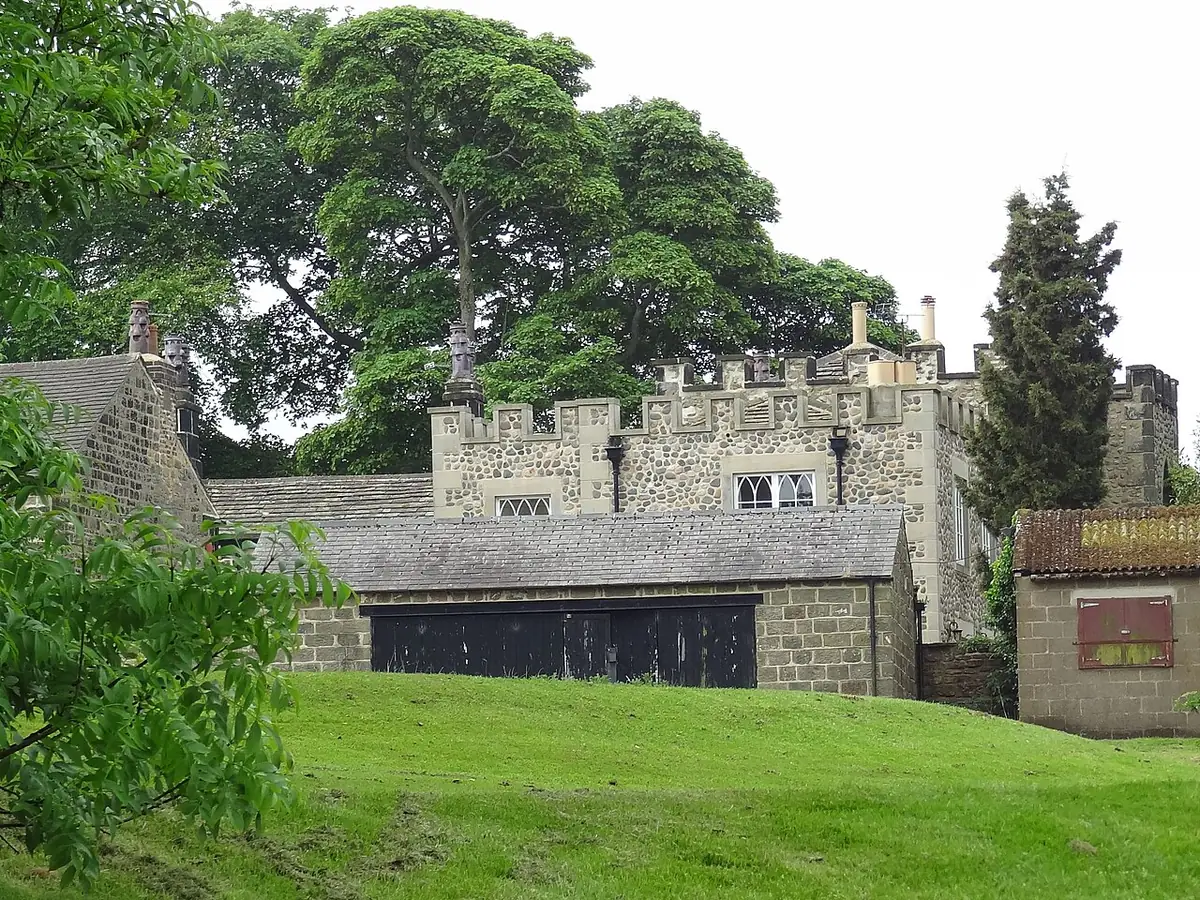
Historic halls like Cobble Hall still stand among Leeds' green edges — Photo: Simon Cobb · CC0 · Wikimedia Commons
Once you have these reference points, choosing the right area becomes the central question for organising your daily life.
Moving to the United Kingdom from abroad means letting go of a few administrative habits. The British rental market runs on its own rules, from the way you assemble an application to the contractual relationship with landlords and letting agents.
From abroad
A parent or relative standing surety on an informal basis
Leeds
The formal guarantor, or rent paid up front
British agents often require a guarantor resident in the United Kingdom, or ask for several months' rent in advance if you arrive from overseas with no local credit history.
From abroad
A condition report drawn up between landlord and tenant at handover
Leeds
An inventory and check-in report prepared by an independent firm
The check-in inventory is an extremely detailed photographic document, and it is the single reference used when your deposit is returned. Every detail counts from the moment you take the keys.
From abroad
A local residence tax billed once a year to whoever occupies the home
Leeds
Monthly Council Tax, set by the band the property falls into
This local tax is due every month from the tenant and varies considerably with the size of the property and the local authority. It has to go into your budget from the start.
From abroad
A deposit held directly by the landlord and returned when the tenancy ends
Leeds
A government-approved tenancy deposit protection scheme
Your deposit is held by an approved third party rather than by the landlord, which protects both sides if there is a dispute at the end of the tenancy.
Which part of Leeds to target, depending on what matters most in a rental
These district dynamics feed directly into the price levels you need to plan for.
The Leeds rental market breaks down into sharply contrasting micro-markets. Picking the right area depends on your tolerance for noise, how you get around and whether you are looking for cultural activity or residential quiet.
The City Centre
A relentless pace, constant building work and complete walking access to the shops and the stations.
Suits
Professionals who want to delete the commute and use the evening cultural scene without planning around it.
Trade-off
Often smaller living space for a high rent, with no private outdoor space.
Headingley
A lively student atmosphere, plenty of independent cafes and green space within walking distance.
Suits
Younger working tenants and students after an active neighbourhood and more moderate rents.
Trade-off
High turnover among residents and a lot of noise during university term time.
Chapel Allerton
A pronounced village feel, local producer markets and remarkable residential calm.
Suits
Couples and small families looking for quality of life with well regarded schools nearby.
Trade-off
Enough distance from the centre that you rely on public transport at peak times.
Leeds Dock
A modern waterside atmosphere, bright contemporary buildings and a restful quiet.
Suits
Tenants who like modern architecture and calm, and want a spacious apartment with a view.
Trade-off
A still limited choice of everyday shops compared with the historic core of the city.
What does an apartment in Leeds really cost to rent?
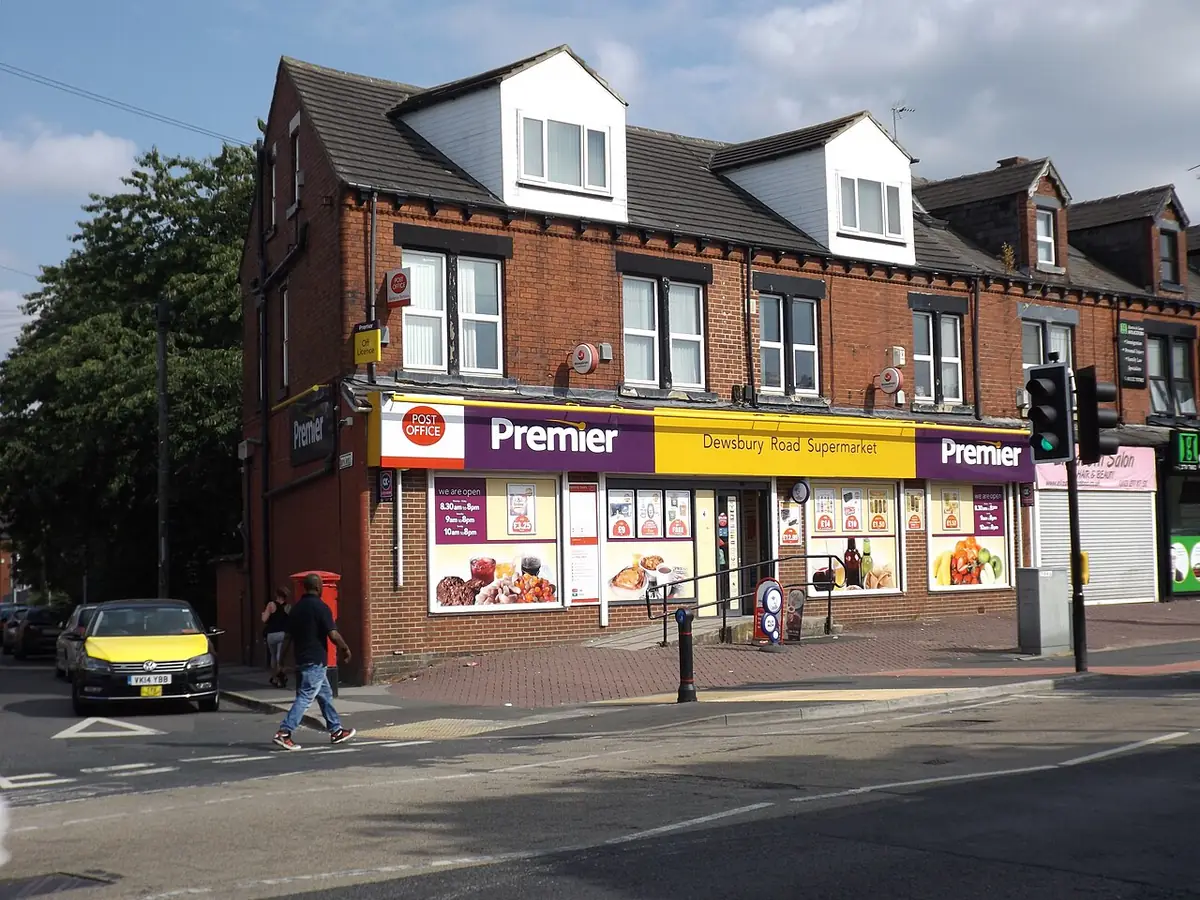
Corner shops under flats like this anchor Leeds' local high streets — Photo: Ian Kirk (Zath Ras) · CC BY-SA 4.0 · Wikimedia Commons
Beyond the raw figures, the nature of the tenancies and the kind of property available deserve a closer look.
Rents in Leeds reflect the city's growing pull as the economic capital of northern England. Prices can double from one property to the next depending on floor area, energy rating and how close the address sits to the main transport links.
leedsTo rentApartmentestimate
Median price / m²£13Half the apartments sell below this
Median price£1.05kthe average is 14% higher — a few very large properties pull it up
Most common2 bedrooms44 % of listings
Average size74 m²
By number of bedrooms
Bedrooms
Share of market
Avg price
Price / m²
Avg size
1
30 %
£780
£16 +14 %
50 m²
2most common
44 %
£1.01k
£14
72 m²
3
20 %
£1.29k
£13best value / m²
98 m²
4
6 %
£1.63k
£13best value / m²
128 m²
Each row is an average, compared against the area average of £14 / m². These are indicative estimates of a typical local market, not a measured sample of live listings. Check current listings before relying on them.
What you actually get to live in: contemporary new build or refurbished period property
These architectural trade-offs lead to the signing, which means getting to grips with the legal framework around the tenancy.
The Leeds rental stock sets two ideas of comfort against each other: contemporary residential towers with services built in, and Victorian houses converted into apartments with character. Each brings its own advantages and its own practical constraints for a tenant.
New developments and managed residential buildings
These recent buildings offer strong sound and thermal insulation, modern fitted kitchens and sometimes a concierge service or a shared gym. Energy costs are generally lower and moving in is straightforward because the specification is standardised.
What it changesYou get comfort from day one with few surprises, at the cost of an occasionally impersonal feel and a service charge that is reflected in the rent.
Victorian and Georgian conversions
These period properties appeal through their high ceilings, original mouldings and large windows that fill the rooms with natural light. They tend to sit on tree-lined streets close to parks and neighbourhood shops.
What it changesThe aesthetic appeal is not in doubt, but it comes with a risk of imperfect insulation and internal fittings that sometimes need daily attention.
The legal rule to understand before you pay a holding deposit
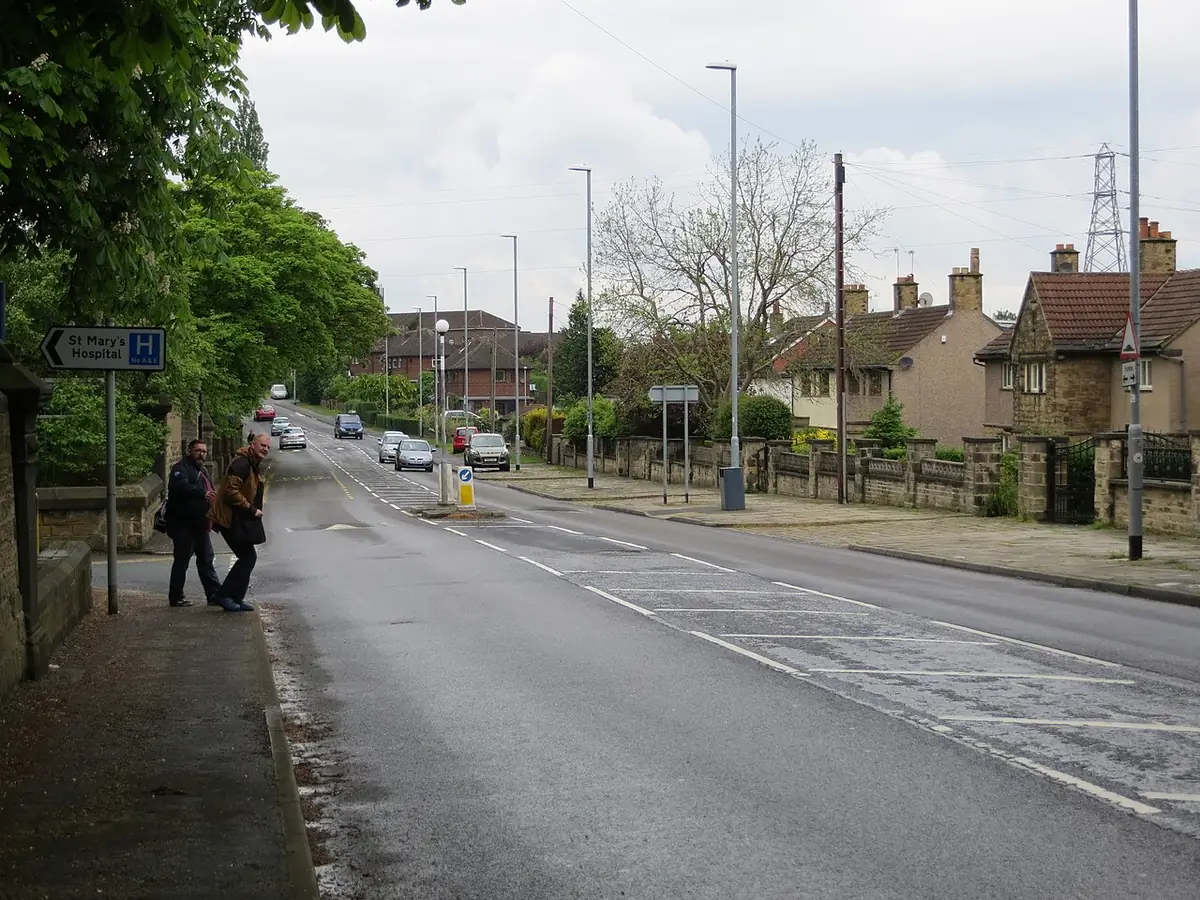
Streets like this, terraces and pavements, are typical of Leeds' suburbs — Photo: Peter Wood · CC BY-SA 2.0 · Wikimedia Commons
Once these stages are cleared, the practical side of the transaction follows a well established pattern.
British tenancy law protects both sides carefully, but the speed of the market means following a strict sequence. The smallest gap in your application pack can cost you a property that plenty of other people want.
The viewing is done and the property is the one you want
Provide valid proof of identity and evidence of stable income comfortably covering the annual rent being asked.
Pay the holding deposit (capped by law at one week's rent) to take the property off the market while referencing is carried out.
Clear the tenant referencing check run by a third party firm, which confirms your affordability and your financial history.
Sign the tenancy agreement (an assured shorthold tenancy) after reading every specific clause carefully.
The keys are handed over and the certified check-in inventory is signed.
How a letting actually proceeds in Leeds, step by step
That kind of disciplined organisation is the best guarantee that your move goes to plan.
Knowing who does what along the chain keeps the transition smooth, from the first online search through to the day you actually move in.
The prospective tenantSearching and filtering onlineShortlisting properties on the main portals and contacting local agents straight away to book viewings.
The letting agentRunning grouped viewingsShowing the property and gathering first reactions from applicants to pass back to the landlord.
The applicantSubmitting the full applicationSending in payslips, bank references and evidence of length of service in your job.
The referencing firmAffordability and credit checkVerifying the financial information and checking the credit score or the alternative guarantees offered.
The landlord or agentDrawing up and signing the tenancyPreparing the formal tenancy agreement and taking the deposit into a protected scheme.
The independent inventory clerkPreparing the inventoryProducing the detailed photographic record of the property's condition before the keys are formally handed over.
Renting an apartment or a house in Leeds: which one makes sense for you?
Once that first orientation is settled, the financial question becomes central to sizing your plans for the region.
Choosing between a modern apartment in the busy heart of Leeds and a quieter family house in the inner suburbs depends above all on your working rhythm and your relationship with time. The Leeds market has the very British characteristic of offering sharply contrasting kinds of property depending on whether you look along the canal or in leafy residential districts such as Headingley or Roundhay. New developments keep appearing around Wellington Street and the station, aimed primarily at people working in finance, consulting and the growing digital sector in Yorkshire. These apartments appeal through their energy performance and the complete absence of maintenance work for a tenant, but they often carry a high service charge and outdoor space reduced to its simplest expression.
Renting a Victorian or Edwardian house in Leeds, by contrast, means accepting a little distance from the best connected routes in return for more living space, more storage and often a private patch of green. These traditional properties have real charm with their red brick frontages and high ceilings, but they call for close attention to thermal insulation and the state of the roof, both of which matter a great deal in northern England. Families with children generally find what they need there, because those areas have well regarded school catchments and dense local community life, while staying reachable by bus or by suburban train from the outlying stations.
For younger single tenants or couples without children, the city centre apartment remains the sensible and flexible choice, letting you do everything on foot or by bike and take full advantage of the local cultural and food scene. Daily journeys drop to the bare minimum, which more than compensates for the higher cost per square metre and the lack of a private garden, offset in practice by the city's large public parks. As soon as a pet or a child comes into the picture, though, the house question presses hard and changes the financial and geographical picture of the move completely.
It is also worth thinking about the medium term, because demand for well located apartments near the universities and the business districts does not weaken, which means renewals are competitive and a good property rarely stays empty. Family houses attract more settled tenants who stay for years, so they turn over less often and appear on the portals less frequently, but they ask more of you in time and energy for day to day upkeep. Your final decision should therefore weigh the immediate convenience of a central address against the lasting calm of a spacious home in the greener suburbs.
What overall budget do you need to live comfortably in Leeds?
To make sense of that budget, it helps to see concretely how a typical day unfolds in this busy city.
Building an accurate budget for a move to Leeds means looking well beyond the monthly rent shown on the property portals. Local spending includes specific council charges, energy bills that can be heavy in older, poorly insulated homes, and transport costs that vary sharply with the way you live. Our market analysis shows median rents for a two bedroom apartment ranging from GBP 800 to GBP 1,200 a month in the sought-after areas, while family houses frequently pass GBP 1,500. That reality means calculating your rent-to-income ratio carefully so you keep an emergency buffer for whatever daily life in the United Kingdom throws at you.
Average monthly costs in Leeds
Cost item
1-2 bedroom apartment
3+ bedroom house
Effect on disposable income
Median monthly rent
GBP 850 to GBP 1,100
GBP 1,400 to GBP 1,900
The main item, often absorbing 30% to 40% of the household's net income.
Council Tax
GBP 120 to GBP 160 (Bands B-C)
GBP 180 to GBP 250 (Bands D-E)
An unavoidable legal obligation, calculated from the property's assessed band.
Energy (gas and electricity)
GBP 130 to GBP 180
GBP 200 to GBP 280
Strong seasonal swing in winter given how cold Yorkshire gets.
Transport (bus and local train)
GBP 75 to GBP 110
GBP 120 to GBP 180 per adult
Necessary for commuting out to the business parks on the edge of the city.
The figures exclude broadband and insurance, and reflect the rates seen on the Leeds rental market this year.
What an ordinary Tuesday actually looks like in Leeds, between work, schools and transport
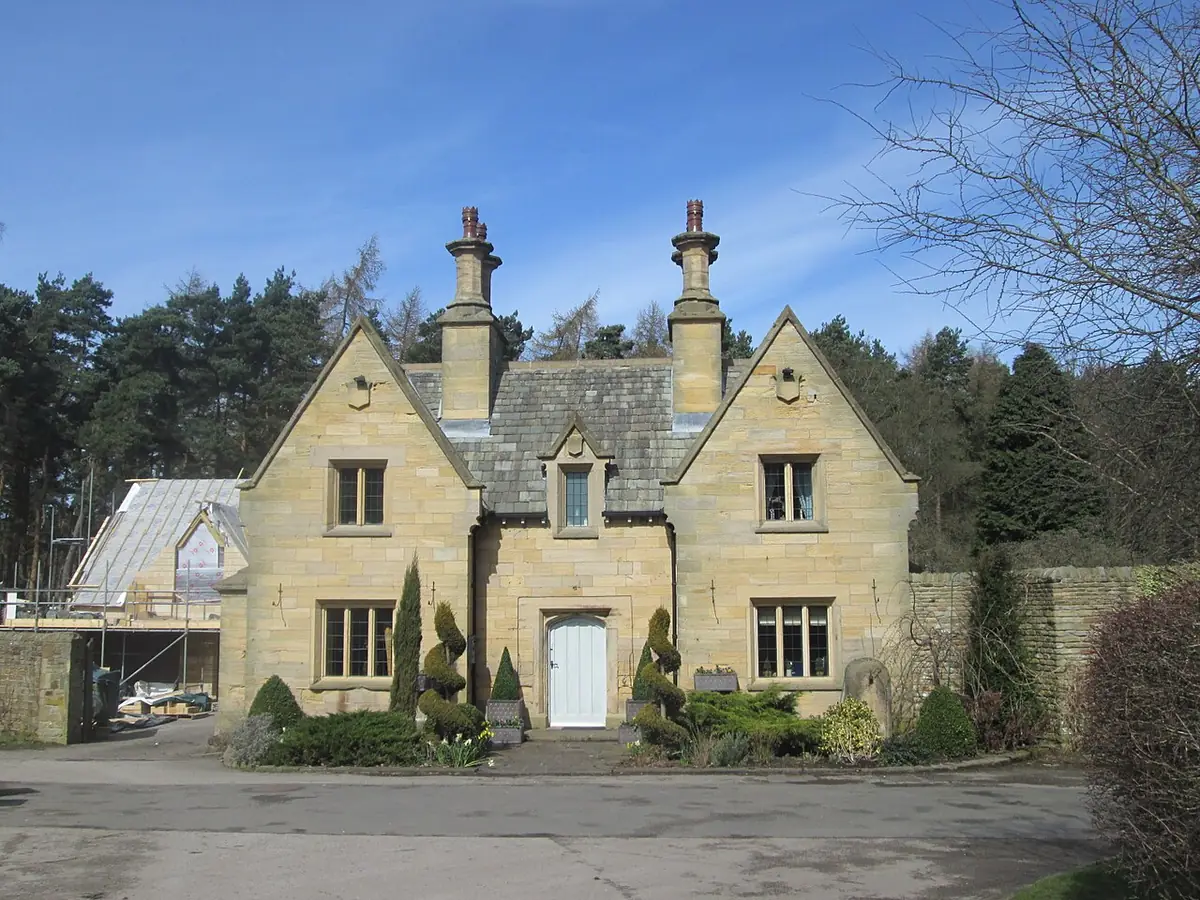
Grand stone houses like this sit at the higher end of Leeds' housing stock — Photo: John Slater · CC BY-SA 2.0 · Wikimedia Commons
Behind that attractive shop window sit less visible details every tenant should know about before signing.
Living in Leeds means a well defined daily rhythm, where commuting takes some planning to avoid the peak-hour queues on the Inner Ring Road. How smoothly your day runs depends largely on the fit between where you live and where you work, with buses and rail links doing the heavy lifting. This hour by hour account reflects the experience of thousands of working people and families who chose the Yorkshire city for its mix of professional energy and balanced daily life.
07:30A residential district (Chapel Allerton, for example)Waking up and getting the children ready before the school run, with morning traffic already heavy on the side roads heading into the centre.
08:45The bus stop or the suburban stationBoarding a First Leeds bus or a regional train for a twenty minute journey into the central business district.
09:30The office or a co-working space on Wellington StreetArriving at work after a quick stop at an independent city centre cafe for the morning coffee.
12:30Trinity Leeds or Kirkgate MarketA quick lunch in one of the largest covered markets in Europe, popular for its range of local and international food.
17:15The journey homeThe evening trip is often crowded on the main lines, so it pays to pick your departure time to keep the journey short.
19:00The local shop and homeA last-minute stop at a neighbourhood convenience store before a quiet evening at home.
What do the listings in Leeds deliberately leave out?
Those routine omissions are what turn into fast disappointment, and a little method avoids most of them.
The appealing descriptions published on the online portals highlight light and apparent modernity, but they say nothing about major structural constraints. In Leeds, as in many large northern cities, the age of the building, the orientation of the living rooms and the way the block and the immediate neighbours are actually managed change daily life profoundly. Knowing these things, none of which show up in a photograph, stops you signing a tenancy on impulse and regretting it a few weeks later.
Thermal insulation and the EPC rating (Energy Performance Certificate)
Plenty of older properties are rated E or F, which turns into enormous heating bills through the Yorkshire winter.
On-street parking and the resident permit system
Keeping a car with no dedicated space can become a daily ordeal and a significant hidden cost if the area requires a paid permit.
The real condition of the communal areas and the building's reserve fund
In an apartment block, a poorly kept stairwell or an absence of planned works by the freeholder or managing agent points to major bills later on.
The real noise level from main roads and neighbourhood pubs
A street that is quiet by day can turn out to be very loud on Thursday and Saturday nights because of nearby late venues or heavy traffic.
The actual broadband speed at the address
Not every district is equally served for high-speed connections, which is critical for anyone working from home regularly.
What do tenants usually realise six months after moving to Leeds?
Even setting those pitfalls aside, this rental market does not suit everyone, and some people would do better to wait.
Looked likeA fashionable, central district with constant activity and excellent cafes.
Turned outAn extremely noisy area at night, saturated by students and bar customers, which makes sleeping on a weeknight difficult.
Would have caught itVisiting the streets around the property on a Friday or Saturday night between 10pm and midnight to judge the real noise level.
Looked likeAn attractive listing with rent slightly below the local market level.
Turned outA property with an old, inefficient boiler and single glazing, generating energy bills that wipe out the saving on rent entirely.
Would have caught itAlways asking to see the EPC and requesting the previous occupants' gas bills before you commit.
Looked likeApparent flexibility in the tenancy terms offered by the letting agent.
Turned outVery strict early termination clauses (a break clause) carrying heavy financial penalties if your work situation changes.
Would have caught itHaving the whole tenancy agreement read by an independent adviser or a tenants' rights organisation before paying anything.
Looked likeFree and easy parking in every adjacent street during a Tuesday afternoon viewing.
Turned outNo chance at all of parking after 6pm once residents come home from work, with no allocated space of your own.
Would have caught itChecking the parking rules and permit availability directly with Leeds City Council.
Who should hold off on renting in Leeds for now?
With all of that on the table, it is time to make your decision with your eyes open.
Committing to a long tenancy in a busy city like Leeds does not suit every profile. Between price pressure, the specifics of the British rental market and the need for stable, visible income, some personal situations make the move risky. It is sometimes far wiser to wait, take a temporary house share or choose another form of accommodation until your circumstances firm up.
The self-employed worker or freelancer who has just started out
→To postpone taking a place of their own
British letting agents demand strict evidence of income (verified references, stable employment contracts) that newly independent workers rarely have.
The professional on a short assignment of under six months
→To favour a serviced apartment, co-living or an all-inclusive furnished let
Standard assured shorthold tenancies usually run for a minimum of 12 months, with financial penalties for leaving early.
Someone looking for absolute quiet and immediate countryside
→To look straight to the rural villages of the Yorkshire Dales
Leeds is a large industrial and financial city still expanding, which generates permanent urban activity incompatible with a need for total silence.
The household with no emergency savings at all
→To wait until they have built a financial cushion
The deposit, often equal to five weeks' rent, combined with moving-in costs, stretches a tight budget past breaking point.
So are you genuinely ready to make the move to Leeds?
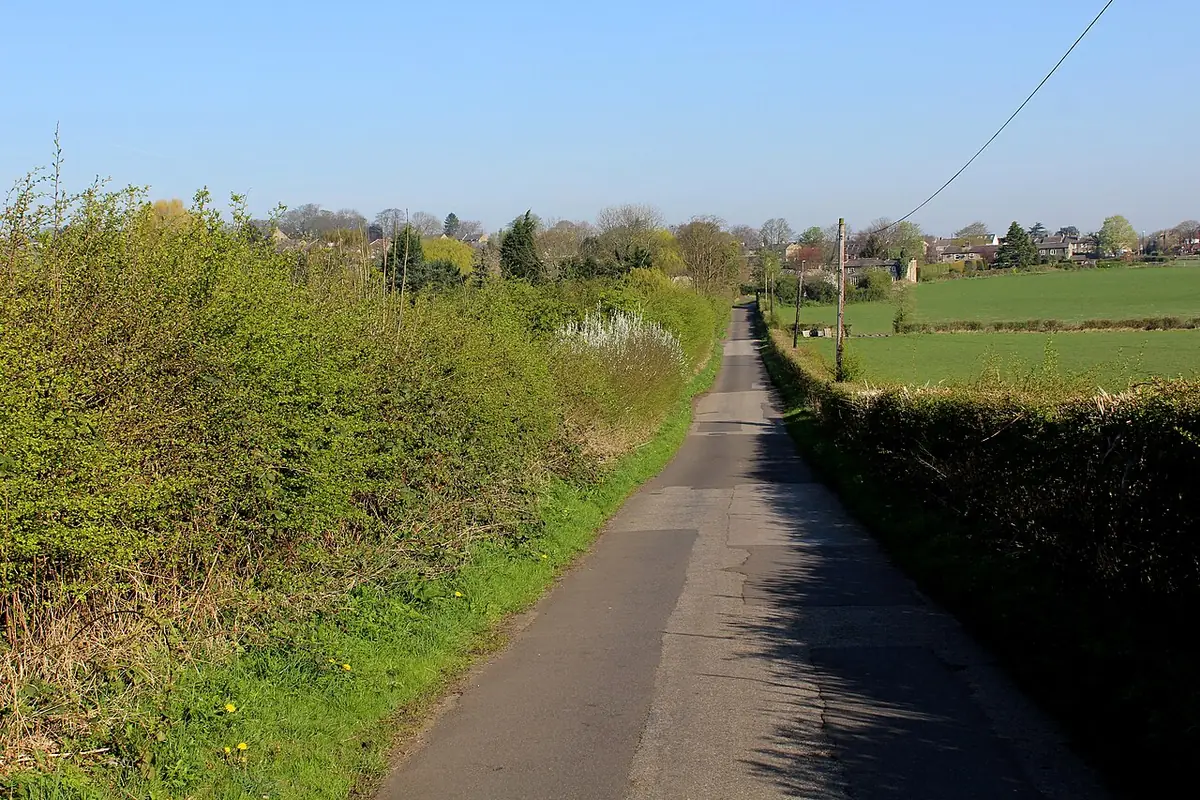
Quiet lanes like this lead into Leeds' greener, edge-of-town streets — Photo: Chris Heaton · CC BY-SA 2.0 · Wikimedia Commons
Moving to Leeds is a decision that reshapes daily life for a long time, whether in your career, your family balance or your budget. The city offers remarkable economic energy, a very rich cultural fabric and an ideal position in the heart of Yorkshire, while remaining noticeably more affordable than London or Manchester. Success, though, rests entirely on your ability to anticipate the constraints of the local rental market, to inspect properties rigorously before signing and to resist listings that agents have polished a little too brightly.
If you have taken the measure of the financial requirements, particularly Council Tax, energy bills and transport costs, you have everything you need to make the transition work. Districts such as Chapel Allerton and Roundhay, and the recent city centre developments, offer good living conditions provided you accept the compromises that come with urban life in Britain. Take the time to view at different points in the day, check the EPC ratings and gather good information so your move becomes a positive and lasting experience.
In the end, Leeds rewards people who prepare methodically and approach their search with pragmatism and realism. If your criteria are clear, your finances stable and your working plans anchored in the region, there is no reason left to hesitate. The local market is full of opportunities for anyone willing to look past appearances and ask the right questions at the very first viewing.
Related questions
What is the average rent for an apartment in Leeds?
Median rents for a standard one or two bedroom apartment in Leeds generally sit between GBP 800 and GBP 1,200 a month, depending on how close the property is to the business district and to transport links.
How does Council Tax work in Leeds?
Council Tax is a compulsory charge owed by the people occupying a home. It is calculated from the assessed value of the property, sorted into bands A to H, and the monthly amount comes on top of the rent itself.
Is it easy to park without a private parking space in Leeds?
On-street parking is tightly controlled across many parts of Leeds. In several central and residential districts you need to buy a resident parking permit from the council if you want to leave a car near your home.
Which districts are most sought after by families moving to Leeds?
Areas such as Roundhay, Chapel Allerton and Headingley are particularly popular with families, thanks to their green space, their local shops and the reputation of the schools nearby.
What financial guarantees do landlords ask for in the United Kingdom?
Letting agents routinely run employment and financial referencing, ask for recent payslips showing sufficient income, and in some cases require a guarantor based in the United Kingdom.
How large is the tenancy deposit normally?
United Kingdom law caps the tenancy deposit tightly: for tenancies with an annual rent below GBP 50,000 it is generally limited to the equivalent of five weeks' rent.
Can you work from home easily in any Leeds property?
Fibre is widely available across most of the city, but some older buildings and outlying addresses still get uneven speeds, so check the line at the specific address before you sign the tenancy agreement.
What hidden costs should you plan for when renting in Leeds?
On top of rent and Council Tax, budget for gas and electricity bills that climb noticeably in winter, a broadband subscription, the TV Licence and any service charge passed on to you.
How far in advance should you start looking for a home in Leeds?
The Leeds rental market is fast and tight. Good properties are gone within days, so start searching and assemble your application pack four to six weeks before the move-in date you want.
Do you have to go through a letting agent to rent in Leeds?
The large majority of lettings go through professional letting agents. That means rigorous referencing, but it also means your deposit is placed in a government-approved protection scheme as the law requires.
Property review of ting
No ting properties in Leeds yet
Be the first — share it on ting and it shows up right here.