Valuing a house in Leeds means reading a market where each district sets its own rules of assessment. This guide works through what actually moves the figure, from the comparables you pull to the condition adjustments that decide the final number.
Get the app
What nobody tells you.
Real prices, hidden costs and the traps to check before you commit.
Why the value of a Leeds house escapes the usual benchmarks
Scroll
Why the value of a Leeds house escapes the usual benchmarks
Valuing a house in Leeds means reading a market where each district sets its own rules of assessment. This guide works through what actually moves the figure, from the comparables you pull to the condition adjustments that decide the final number.
Written by the ting.ad editorial team ·
Scott Hall Road, Leeds in Street View: drag to look around.
How much these gaps in assessment matter depends on why you need a figure in the first place.
Valuing a house in Leeds means separating the Victorian brickwork from the building's real energy performance. Owners and buyers alike run into a wide gap between the visual appeal of the older districts and the hidden cost of bringing a house up to standard. Understanding that mechanism is what stops a valuation from being merely superficial. Recent transactions show a market that rewards thermal efficiency almost as much as location. Every district applies its own rules of assessment, and those have to be mastered before any figure can be defended.
The visual appeal of a red brick frontagevsThe actual state of the insulation and the roof
A handsome exterior frequently hides decades of deferred upgrading. A thorough thermal assessment belongs in the valuation before any figure is committed to paper. Architectural beauty does not offset excessive energy bills, and a buyer prices that in.
Immediate proximity to the city centrevsThe real pattern of transport links and of parking
Living close to the central arteries cuts journey times but sharpens parking pressure and noise. The trade-off between neighbourhood life and direct access to the main routes has to be weighed. Properties with a garage or private parking carry a considerable premium in the figures.
The floor area advertised per square metrevsHow the volumes work and the ceiling height
Two houses of identical floor area can offer radically different living experiences depending on how the rooms fall. Older buildings often carry dead volume or disproportionate corridors. A critical reading of the plan always beats a straight reading of the headline statistics.
Promises of future urban developmentvsThe building sites under way and the disruption they bring now
Announcing major infrastructure projects lifts investor interest but disturbs the daily calm of residents. The hypothetical uplift has to be weighed against the real nuisance during the works phase. Patience becomes a financial factor in its own right.
Which valuation route in Leeds fits what you actually need the figure for?
That choice takes on a particular colour once you are working with habits formed in another property system.
Putting a number on a house in Leeds is not one exercise but several, and the right method depends entirely on what the figure is for. A marketing appraisal, a lender's valuation and a formal survey answer different questions and rarely produce the same result. The way local infrastructure and district reputation feed into each of them varies just as much. Working out which route you need saves you paying for the wrong report and then arguing with it. Matching the method to the purpose is the best protection against a figure you cannot defend.
The estate agent's market appraisal
Local agents will value the house free of charge, drawing on the recent sales they have handled in the same streets and on whatever is currently competing with you. You get a figure quickly, along with a realistic view of how long a sale at that level would take. In exchange, the number carries a commercial motive: an agent hoping to win the instruction has every reason to pitch high. Take three appraisals rather than one, ask each of them to name the comparables behind the figure, and treat the middle of the range as your working number.
The RICS surveyor's formal valuation
A chartered surveyor produces a written valuation to a professional standard, which is what a lender, an executor or a court will accept. The surveyor inspects the building, records the defects and states the assumptions the figure rests on. You pay for it, and the number often comes in more conservative than an agent's, because the surveyor carries liability for it. This is the route to take whenever the figure has to be defended by somebody other than you.
Sold price records and automated estimates
HM Land Registry publishes what every house actually sold for, which makes it possible to build your own set of comparables street by street. Online estimating tools layer an algorithm on top of that data and return an instant figure. The speed is the appeal, and the weakness is that no algorithm has been inside your house: extensions, condition, aspect and the state of the roof are all invisible to it. Use the automated number as a sanity check on a human one, never as a replacement for it.
Valuing a Leeds house when your instincts come from another property system
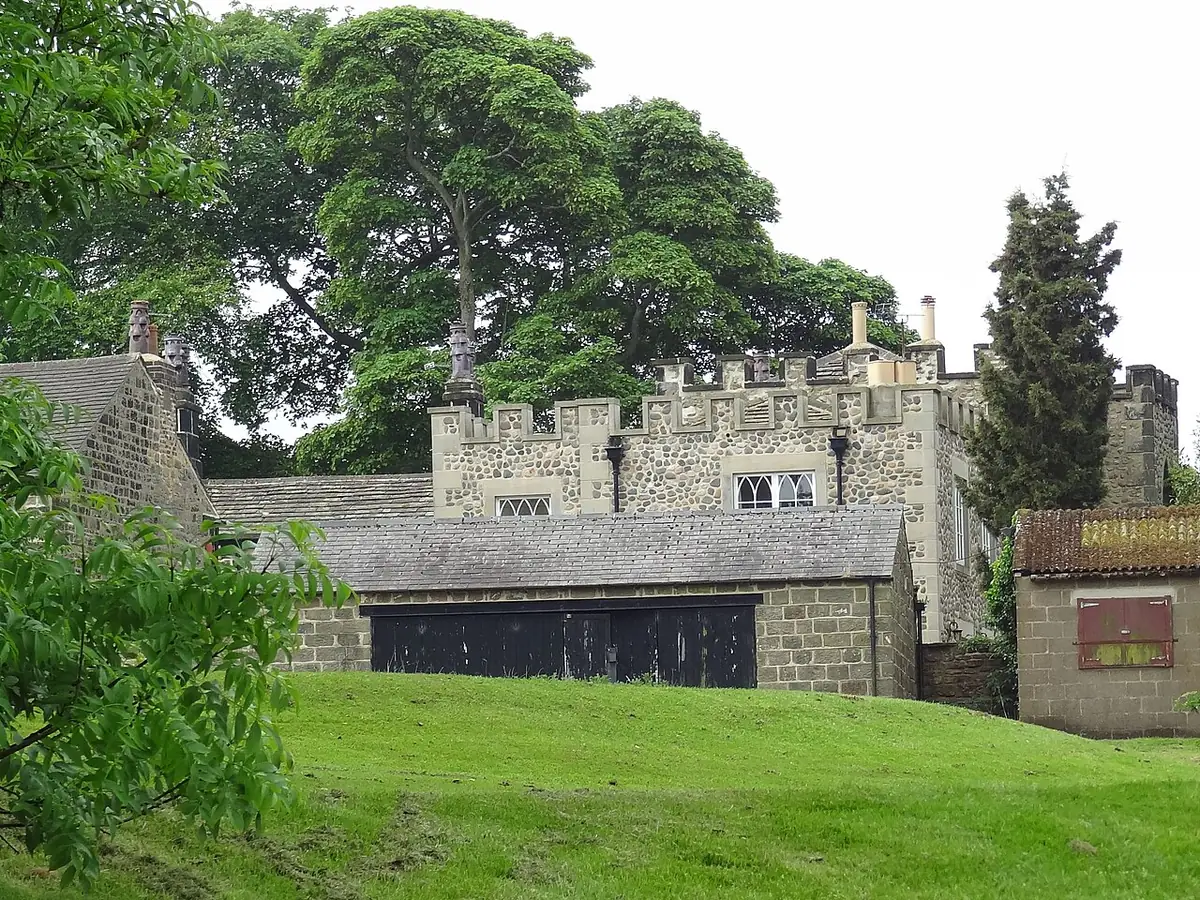
Historic halls like Cobble Hall still stand among Leeds' green edges — Photo: Simon Cobb · CC0 · Wikimedia Commons
These contrasts become concrete the moment you start comparing one district of the city against another.
Carrying valuation instincts formed in another country into West Yorkshire produces surprises that are as much cultural as administrative. The ownership system, the way the intermediaries behave and the general age of the housing stock all differ sharply. None of that is an insurmountable obstacle, provided the friction points are identified at the outset. The local rules protect a transaction as much as they slow it down. Anticipating the divergences is what keeps your figure grounded when you come to make or judge an offer.
From abroad
A system where a single legal official closes the deal, a binding preliminary contract is signed early, and the value is effectively settled at that moment
Leeds
Conveyancing handled by solicitors, with a negotiating phase that binds nobody until contracts are exchanged
You have to accept several weeks of legal uncertainty during which either side can withdraw without immediate penalty. A figure therefore has to hold up across that whole period, which means resting it on documented comparables rather than on one enthusiastic appraisal.
From abroad
Recent housing built to strict thermal and acoustic standards, where condition is rarely a large valuation variable
Leeds
A stock that is overwhelmingly older, with solid brick walls and Victorian or Edwardian structures
Expect damp and heat loss to be live issues, and expect the EPC to bring them into the open. The cost of bringing a house up to standard has to be built into the estimate from the start, because that is precisely what a buyer will deduct.
From abroad
A culture where the contract is signed in the agent's office on the day of the viewing that wins you over
Leeds
Competitive sealed bidding, run as best and final offers and orchestrated by the estate agents
The advertised price guarantees nothing about the final transaction figure. You have to learn to read the true market level, so that you neither overbid on emotion nor set your own asking price by guesswork.
From abroad
Property taxes indexed to a historic administrative rental value with precise allowances
Leeds
Council tax set in value bands and administered directly by the local authority on its own scale
The annual amount varies noticeably from one area to another and weighs heavily on the household's recurring budget. That fixed charge never belongs outside the running-cost picture sitting behind a valuation.
Which district of Leeds a house sits in, and what that does to the figure
Once the district is placed, the numbers themselves have to be examined to see what they will actually support.
Leeds is a mosaic of districts with strong individual identities, running from leafy residential areas to former industrial quarters in full transformation. Each offers its own balance of accessibility, quiet and long-term value, and each produces a different set of comparables. Placing a property means mapping the journeys and the family priorities it genuinely serves. Local market data confirms that demand concentrates on a handful of key areas with excellent school provision. A careful reading of what makes each district particular is what keeps a valuation honest.
Headingley and the northern districts
A lively, student-inflected and green atmosphere, paced by independent cafes and large tree-lined open spaces.
Suits
Owners whose value rests on a mix of cultural life, village feel and proximity to the university campuses.
Trade-off
High turnover in the rental population and some of the highest prices per square metre in the conurbation, which means comparables move quickly.
Chapel Allerton and Roundhay
A sought-after residential setting, marked by superb parks, good food shops and a family atmosphere.
Suits
Families and settled professionals looking to put down roots in a stable and green environment.
Trade-off
A very tight market where good properties find a buyer within days, which compresses the room for negotiation and pushes valuations to the top of the range.
Leeds Dock and the redeveloped southern quarters
A contemporary waterside aesthetic, combining modern lofts, coworking space and quick links to the station.
Suits
Followers of urban minimalism and a modern lifestyle without heavy external maintenance.
Trade-off
Service charges that are sometimes high and a setting that still lacks the historic character of the older districts, both of which a buyer prices in.
Horsforth and the outlying towns
The complete calm of a small town with character, with its own direct rail links and a strong community fabric.
Suits
Those who want to escape the bustle of the centre while keeping direct access to the main employment centres.
Trade-off
A longer daily commute and greater reliance on the car for secondary errands, which narrows the pool of buyers.
What does a house in Leeds actually cost today?
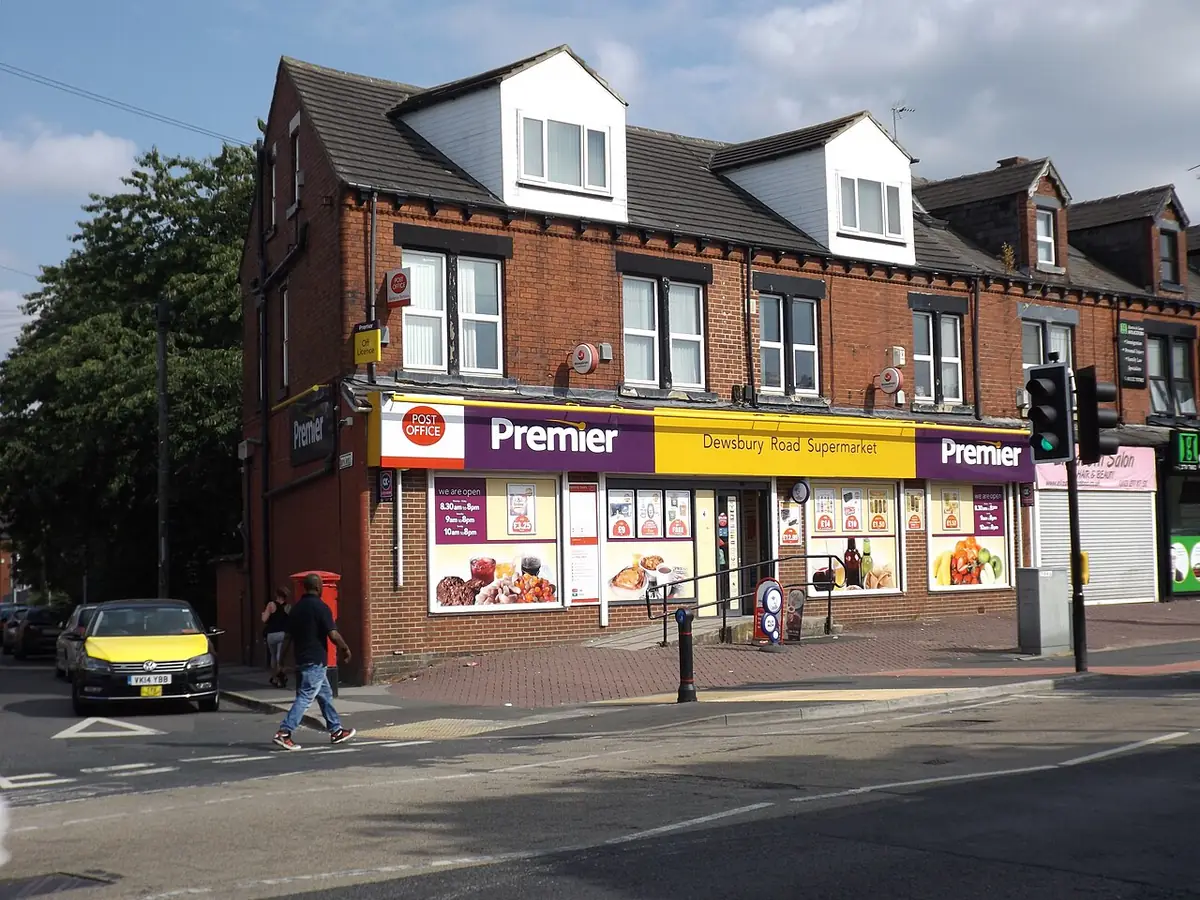
Corner shops under flats like this anchor Leeds' local high streets — Photo: Ian Kirk (Zath Ras) · CC BY-SA 4.0 · Wikimedia Commons
Beyond the raw figures, the legal nature of what is owned deserves particular attention, because it moves the number.
Valuing a house in Leeds does not stop at the price advertised on the property portals. Additional fees, local taxes and the investment needed to bring a building up to standard all weigh heavily on the overall figure. Aggregated market data makes it possible to set realistic ranges by property type and location. Anticipating those lines is what keeps a valuation solid when a British lender tests it. A clear table of costs is what prevents an unpleasant surprise at the point of signing.
leedsFor saleHouseestimate
Median price / m²£2,259Half the apartments sell below this
Median price£308kthe average is 14% higher — a few very large properties pull it up
Most common2 bedrooms63 % of listings
Average size130 m²
By number of bedrooms
Bedrooms
Share of market
Avg price
Price / m²
Avg size
2most common
63 %
£300k
£2,378
126 m²
3
29 %
£383k
£2,235 −6 %
172 m²
4
9 %
£485k
£2,164best value / m²
224 m²
Each row is an average, compared against the area average of £2,378 / m². These are indicative estimates of a typical local market, not a measured sample of live listings. Check current listings before relying on them.
What you actually own: freehold, leasehold and what each is worth
That same legal precision governs the order in which a value is established and then tested.
British property law draws a sharp line between outright ownership and a time-limited interest in the land. That distinction changes the long-term value of the asset and your freedom to alter it. Ignoring the contractual structure exposes you to hidden costs and to restrictions on use that nobody volunteers. International owners frequently discover the implications of these tenures far too late. Mastering the framework protects the value of the property from the moment the deed is signed.
Outright ownership (freehold)
You own both the building and the land it stands on, with no time limit and no periodic ground payment. That status gives complete freedom over management, renovation and passing the property on. It is the standard arrangement for the great majority of the region's detached and traditional terraced houses.
What it changesYou keep full control over what work is done and over the future value of the property, without answering to a third-party landowner, and the valuation carries no lease discount.
A time-limited interest (leasehold)
You buy the right to occupy the property for a fixed period, often several decades or centuries, while a third party holds the land. The arrangement usually carries an annual ground rent and shared maintenance costs known as service charges. It applies most often to apartments but sometimes to new-build houses on a shared estate.
What it changesYou have to check the remaining lease term before relying on any figure, because a lease of under 80 years complicates both resale and lending, and the valuation has to be discounted accordingly.
The rule to understand before you commit to a figure on a Leeds house
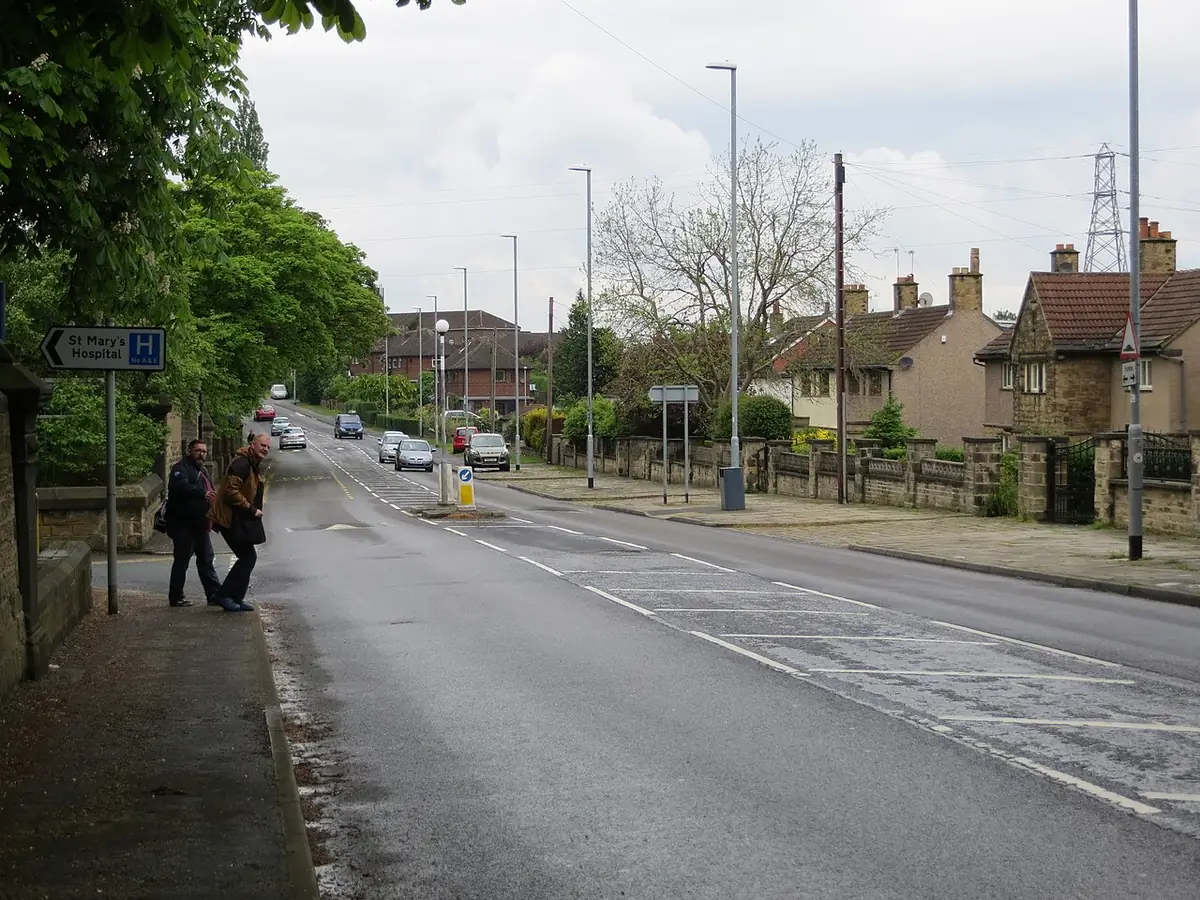
Streets like this, terraces and pavements, are typical of Leeds' suburbs — Photo: Peter Wood · CC BY-SA 2.0 · Wikimedia Commons
Carrying that sequence through takes the coordinated involvement of several professionals.
Establishing what a house is worth in the United Kingdom rests on one cardinal principle: nothing is settled until contracts are formally exchanged, and until then every figure is provisional. That particularity unsettles owners used to a value being fixed the moment an offer is signed. Between the accepted offer and the exchange of contracts, many weeks pass during which either party can withdraw and the working figure can move. Understanding that sequence lets you steer the process without panicking when the number is questioned. Mastering these stages is what makes a valuation hold from the first appraisal through to completion.
You gather the paperwork on the house and ask an estate agent for a written market appraisal.
An offer at or around that level is accepted by the seller (sale agreed), opening a period of moral but non-binding exclusivity around the figure.
You instruct a solicitor to run the legal searches, examine the title and check the local authority records, any one of which can move the value.
You commission the survey of the building to identify hidden defects or urgent works, and the report becomes the basis for adjusting the figure.
The lender's own valuer tests the number against its security requirements and the formal mortgage offer is issued.
The contracts are signed and formally exchanged (exchange of contracts), and only then does the agreed figure become the legally binding value of the transaction, with heavy penalties for walking away.
Who produces which figure in a Leeds valuation, step by step
Getting a reliable figure on a Leeds house means understanding precisely what each professional in the chain contributes, and what each of them leaves out. Unlike some markets, the estate agent represents the seller's interests, while your solicitor defends the legal facts that underpin the value. Coordinating them takes method and proactive communication throughout the file. Following that order of work is what turns a set of separate opinions into a number you can defend. Each of them acts as a check on the others.
The estate agentThe market appraisal and the asking priceThe agent arranges viewings, passes offers to the seller and sets the marketing figure from recent local sales. That figure is a commercial judgement rather than a professional valuation: the agent holds no legal standing and does not verify the title.
Your legal adviser (solicitor or conveyancer)The legal audit and the facts that move the valueThe solicitor drafts and reviews the contract terms, runs the official searches with the council and handles the transfer of funds on completion. The tenure, the lease length, the rights of way and the restrictive covenants uncovered all feed straight back into the figure.
The surveyorThe assessment of the building's structural conditionThe surveyor inspects the roof, the foundations, any damp and any hidden defects, and writes a detailed report. A RICS member can also state a formal market value, and the defects listed are the usual basis for renegotiating the price.
The mortgage broker and the lender's valuerTesting the figure against what a lender will advanceThe broker negotiates the best borrowing terms with the local banks and checks that your profile meets the strict criteria of the British financial regulators. The lender then runs its own valuation, and a figure below the agreed price is what forces a renegotiation.
The land registry (HM Land Registry)The official record of ownership and of what houses sold forIt finalises the transfer of ownership and updates the official records confirming that you are the new legal owner. Its published sold prices are the raw comparable data every honest valuation of a Leeds house is built from.
House or apartment in Leeds: how the two are valued differently
With the property type settled, the local financial reality has to be examined.
Whether the valuation is being run on a traditional Victorian house or on a modern apartment in central Leeds changes almost every input to the figure. Detached, semi-detached and terraced houses usually bring a private garden and real flexibility of layout, and in residential districts such as Headingley or Roundhay both of those command a premium. What they also bring is a substantial maintenance burden, running from roof repairs through to the thermal upgrading of an old fabric. To value one correctly you have to price that recurring work in, because any informed buyer will subtract it from what they offer.
Modern apartments in the Leeds Dock and waterfront areas are read the other way round. Their appeal is the absence of external maintenance and the presence of shared services, and their valuation turns on the service charges, which cover the common parts, security and sometimes heating, and which represent a fixed monthly cost that is not negotiable and moves every year. Resale value then depends heavily on the remaining term of the lease, the leasehold interest itself, a technical point that can hold a figure flat in an otherwise rising market.
Weighing the two comes down to how much maintenance an owner is willing to carry and how much control over renovation decisions they want. For long-term asset stability with land of your own, the house is the natural answer despite the material demands it makes. For centrality, immediate proximity to the business districts and a daily life with no garden to look after, the urban apartment answers well. Either way, a precise valuation has to take in the total cost of ownership across five years, not simply the headline price.
What it really costs to hold and run a house in Leeds
With the financial frame in place, the shape of an ordinary day shows what the location itself contributes.
A valuation does not stop at the price the estate agent puts on the board. In Leeds, local taxation through council tax, the energy costs of older housing and transport spending shape the cost of living for years at a time. Finances have to be projected over several years, allowing for local inflation and for the particular character of the West Yorkshire market. A realistic approach protects your capacity to save and keeps the figure you are working with defensible.
Purchase price ranges and associated charges in Leeds
Property type
Median price observed
Annual council tax
Average charges
2 bedroom apartment, city centre
GBP 200,000 to GBP 260,000
GBP 1,400 to GBP 1,800
GBP 1,500 in service charge
3 bedroom suburban house
GBP 250,000 to GBP 350,000
GBP 1,800 to GBP 2,400
Varies with the works needed
Prime family house, Roundhay
GBP 400,000 to GBP 650,000
GBP 2,500 to GBP 3,200
Structural maintenance required
The amounts shown are estimates based on recent trends in the West Yorkshire market and depend closely on the property's EPC rating.
Everyday spending lines for a household living in Leeds
Spending line
Estimated monthly budget
What makes it move
Energy and heating
GBP 150 to GBP 250
The insulation of the building and regulated tariffs
Public transport
GBP 70 to GBP 120
How often you travel into the centre
Home insurance
GBP 30 to GBP 60
The area and the claims history
These recurring lines have to appear in your financing plan, and they are the same lines a buyer weighs when deciding what the house is worth to them.
Health, schools and transport: what an ordinary Tuesday in Leeds tells a valuer
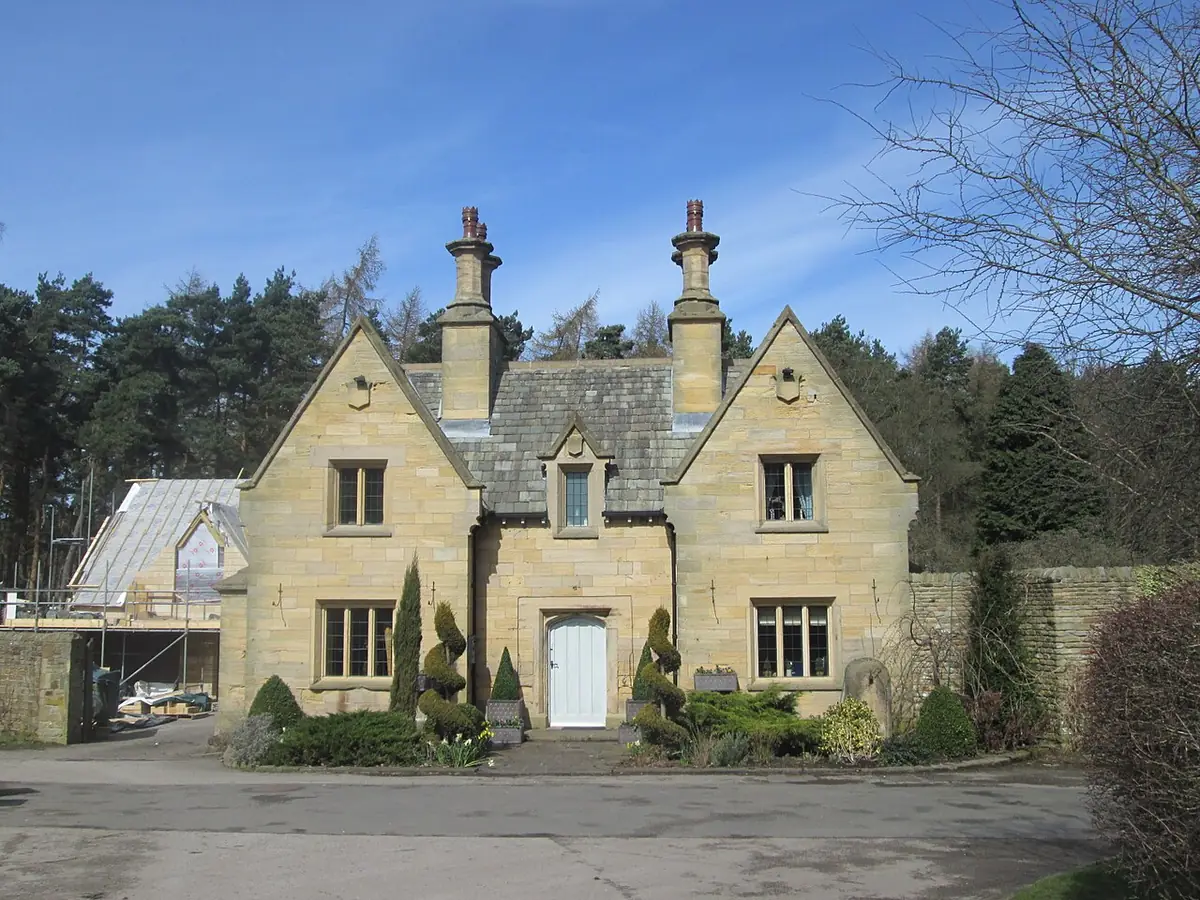
Grand stone houses like this sit at the higher end of Leeds' housing stock — Photo: John Slater · CC BY-SA 2.0 · Wikimedia Commons
Beyond that well-oiled routine, some less visible factors deserve your full attention.
To understand what a location contributes to a figure, nothing replaces walking through a weekday hour by hour. Journey times to the employment centres, access to schools and proximity to health services are what separate two houses that look identical on paper. In Leeds, the way traffic behaves at peak hours deserves particular attention when you judge where a property sits. Here is how a typical Tuesday runs for a resident involved in local life, and what each stage adds to or takes off the value.
07:30Leaving the house in the morningMorning preparation and a read of traffic conditions on the main routes into the business district. Commute time is one of the first things a buyer prices, and it separates two houses of otherwise identical size.
08:15Dropping the children at the local schoolAccess to the strong schools in the sought-after areas, which usually operate strict catchment boundaries. A confirmed catchment is one of the most reliable premiums in the Leeds market.
09:00Arriving at the office or the coworking spaceArrival in the dynamic Leeds economic hub, made easier by a public transport network in constant evolution. Proximity to a reliable line supports value even for households that mostly drive.
12:30Lunch break and local servicesUse of local shops and access to neighbourhood health services for the errands of the day. A walkable parade of shops and a surgery nearby lift a street above its immediate neighbours.
17:30The journey home and the food shopA stop at the out-of-town supermarkets or the local markets for the household's weekly shopping. Parking, once again, decides how easy this is and how much a buyer will pay for it.
19:00Community activity or downtimeUse of the green spaces and of the cultural and sporting facilities the council provides. Frontage onto a park and access to the larger open spaces are among the clearest comparable premiums in the northern districts.
What the sales brochures will never tell you about a Leeds house
These blind spots explain why some figures fall apart within months of being agreed.
Marketing brochures always foreground the aesthetic qualities and the theoretical energy performance of a property. What residents actually live with reveals structural realities that generally surface too late to argue about. Anticipating these invisible points lets you set or judge a figure with your eyes open and adjust it accordingly. Here are the determining elements that sellers most often prefer to leave out.
What the rain actually does to the walls
The Yorkshire climate tests older facades hard. Poor natural ventilation or the absence of effective double glazing quickly produces persistent condensation, and the insulation work that follows is expensive enough to move a valuation by several thousand pounds.
How saturated residential parking really is
Owning a property with no parking attached to it in certain districts creates daily stress and a running cost in council permits, with no guarantee of a space in the evening. Buyers discount for it, and two otherwise identical houses can sit well apart on that alone.
Planning and road schemes nearby
The constant expansion of Leeds brings major infrastructure works with it. A future transport line or a neighbouring building programme can change both the quiet and the light of a home, and the direction of that effect on value is not always the one the brochure implies.
The legal detail of long leases
Many apartments are held on leasehold terms. Once the remaining term falls below a critical threshold, renewal becomes a heavy and complex financial procedure with the owner of the land, and the discount a valuer applies grows sharply from that point on.
The valuation mistakes Leeds owners discover six months later
These classic traps are a reminder that not every owner is well served by the same figure or the same method.
Looked likeA magnificent opportunity with quick resale potential, thanks to modern and carefully finished interior decoration.
Turned outA house hiding major structural defects under a fresh coat of paint, with water ingress appearing at the first heavy autumn rain.
Would have caught itInsisting on a thorough independent survey every time, and never relying solely on the home report the seller supplies.
Looked likeA quiet and peaceful district, ideal for raising children away from the bustle of central Leeds.
Turned outAn area that turns into a peak-hour bypass route, generating a level of noise the residents find unbearable.
Would have caught itVisiting at deliberately different times, particularly early in the morning and late in the afternoon on a weekday, before you accept any figure.
Looked likeA very profitable rental or long-term holding, with minimal and attractive service charges.
Turned outA sudden increase in the service charges, decided by the managing agent to fund bringing the whole building up to standard.
Would have caught itReading the minutes of the recent owners' meetings and the managing agent's accounts in detail, to identify the works already approved and still outstanding.
Looked likeA simple purchase with no particular complication, backed by a quick agreement in principle from the bank.
Turned outA prolonged administrative block tied to uncertainty over the exact boundaries of the land and to overlapping rights of way.
Would have caught itInstructing an experienced local solicitor from the very start of the process, to check the history of the title with real care.
Who should not be relying on a quick figure for a Leeds property?
It is time to pull the threads together and settle on a figure you can actually act on.
Putting a value on a property is a financial and personal commitment that demands a real fit between what you expect and what the local market will support. Leeds has undeniable qualities, but some projects and some ways of living will run into structural obstacles here whatever the headline figures say. Knowing those mismatches is what prevents a regrettable decision and points your search towards places better matched to what you actually need.
The very short-term investor looking for an immediate uplift
→A studio apartment in the business district, to sell on the following year.
Stamp duty land tax, the agent's fees and local taxation absorb almost the whole of the potential gain over so short a period, which leaves the exercise unprofitable however favourably the property is valued.
The owner with no appetite for maintenance or renovation work
→An older house of character in one of the historic districts.
The charm of an old building comes with demanding and costly technical maintenance, and an owner who does not want to take that on lives it as constant stress while watching the valuation slip as the deferred work accumulates.
The committed city dweller who depends entirely on fast transport
→A large residential property well away from the main rail corridors.
Reliance on the car and the vagaries of peak-hour traffic turn the daily journey into an endurance test that does not fit a crowded diary, and the narrower pool of buyers that follows is exactly what holds the value down.
So, is the figure you have on your Leeds house one you can act on?
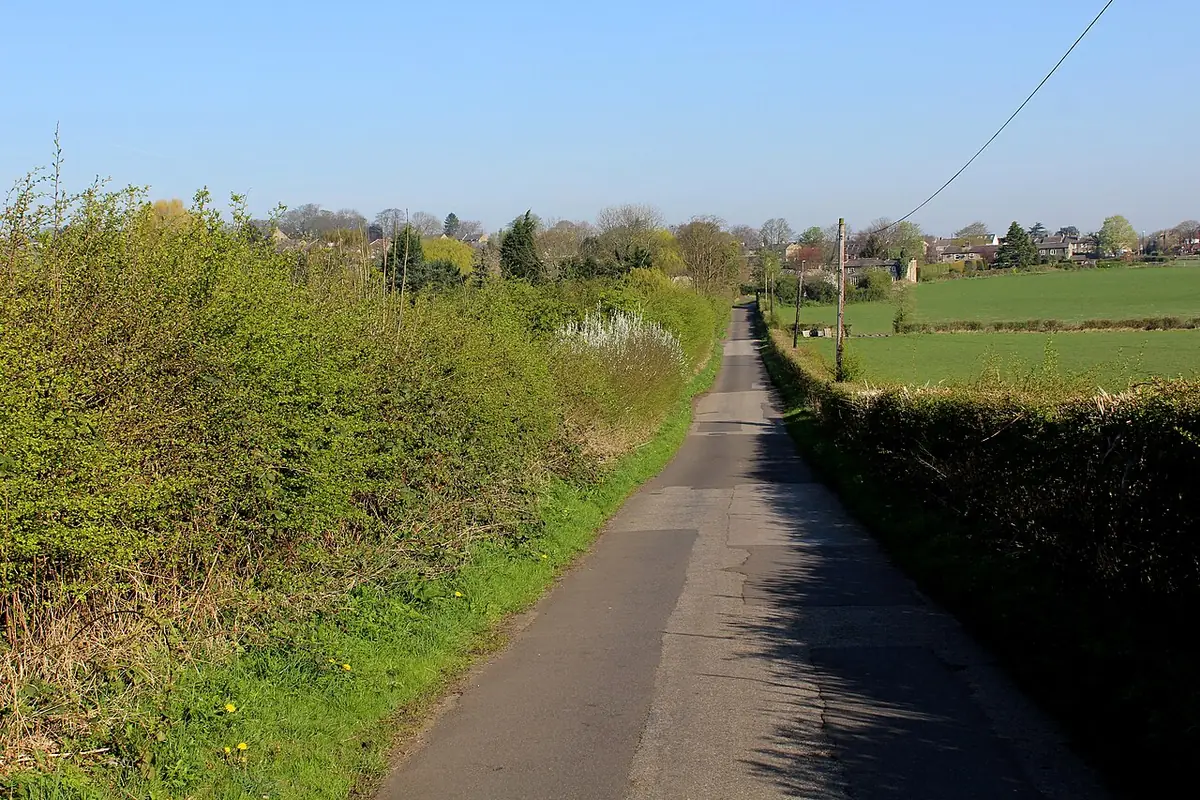
Quiet lanes like this lead into Leeds' greener, edge-of-town streets — Photo: Chris Heaton · CC BY-SA 2.0 · Wikimedia Commons
Coming to the end of this analysis means looking clearly at what you want the figure for and at what the market will genuinely support. Valuing a property in Leeds is not a bookkeeping exercise; it is an assessment of a real asset in the heart of Yorkshire, and it has to survive contact with a buyer, a lender or a court. If you have checked the points attached to the property type, taken in the real cost of the running charges and accepted the constraints of local mobility, then the number in front of you means something. The market offers solid ground for anyone prepared to look past the marketing presentation.
Take the time to reread your priorities and to test your figure against the most recent evidence on the ground before you commit to it. Independent local professionals, whether surveyors or solicitors, are your best protection against a number that is wrong in a direction you cannot see. Every pound of professional fee should buy you confidence in the figure and in what follows from it. If all the indicators point the same way, you have what you need to move forward on solid terms.
Related questions
What is the average time needed to complete a property purchase in Leeds?
The full purchase process usually takes between three and five months from the point the offer is accepted. That timeline varies with the complexity of the legal searches carried out by the solicitors and with how quickly everyone in the chain responds.
What is the leasehold system that is so widespread for apartments?
Leasehold means you buy the right to occupy the property for a fixed term while a third party keeps ownership of the ground. You have to check the remaining term on the lease carefully, because a short one brings prohibitive renewal costs later on.
How is council tax calculated for a home in Leeds?
Council tax is a local tax based on the property's assessed value in 1991 and on the value band it was placed in. The amount changes from year to year and funds the full range of local council services.
Is a full technical survey essential before buying?
It is strongly advisable to instruct an independent professional to carry out a thorough home report or building survey. That is what uncovers hidden defects, damp problems and the real condition of the structure.
Which districts of Leeds are most sought after by families?
Areas such as Roundhay, Alwoodley and Headingley are particularly prized for the quality of their schools and their generous green space, although prices there are noticeably higher.
How does the deposit required by British banks work?
Lenders generally expect a deposit of between ten and twenty per cent of the purchase price. The larger your deposit, the more competitive the interest rate you are offered on the mortgage.
What additional costs should you plan for on a property purchase in the United Kingdom?
You need to allow for stamp duty land tax, the solicitor's fees, the surveyor's fee and the cost of the move itself. Taken together these come to a sum that is far from negligible and has to be anticipated from the start.
Is the Leeds property market strong for resale over the long term?
The market benefits from steady demand thanks to the growth of the regional economic hub and the student population. Resale still depends directly on the quality of the original location and on how well the property has been maintained.
Can you negotiate the price the estate agent has advertised?
Negotiation is a normal part of British property transactions. Advertised prices often carry room for discussion, particularly where a property needs renovation work or has been on the market for several months.
What are the obligations on energy performance, the EPC?
An energy performance certificate is required for every sale. It gives a rating from A to G covering the home's energy consumption and points to the insulation work needed to bring the bills down.
Property review of ting
No ting properties in Leeds yet
Be the first — share it on ting and it shows up right here.